

Duchenne Muscular Dystrophy Treatment
- a personalized plan using Professor Blum’s method
- consideration of medical history, age, and severity of myopathy
- treatment for both hereditary and acquired myopathies

Our medical strategy
Professor Blum's approach is fundamentally different from all known methods—it focuses on restoring metabolism in muscle cells by activating the surrounding environment. The emphasis is on restoring the quality, tissue architecture, and metabolic processes in connective tissue, which forms the foundation of our body and makes up about 90% of all tissues.
Methodical, precise, and targeted physical impact on the connective tissue matrix, in which muscle and nerve cells are embedded, allows the initiation of self-repair and renewal of cells, effectively halting progressive destruction.
Precise and diverse stimulation of connective tissue using specialised rehabilitation modules optimises its functions—shape-forming, morphogenetic, homeostatic, informational-integrative, and energetic. As a result, regenerative processes begin to dominate over destructive ones, gradually leading to the restoration of muscle tissue structure.
In what types of Duchenne muscular dystrophy is treatment possible?
Our Centre receives patients with varying degrees of severity of Duchenne myopathy, from young children with minimal symptoms to young adults with severe symptoms and complications. The main criterion for determining the prospects for recovery is the amount of time spent without movement—the longer the period of physical inactivity, the more challenging the consequences. The extent of tissue damage and its localization are crucial factors, particularly how vital organs have been affected and the consequences of hormone treatments.
It is important to understand that restorative treatment for a severe, rapidly progressing systemic disease is a long and labour-intensive process. The rehabilitation course may last several months or even years.
The Centre conducts proprietary diagnostics based on the six-link matrix principle developed by Professor Blum. This method assesses the complexity, severity, depth, extent, and multi-level nature of Duchenne myopathy. Based on the results, a six-link pathogenetic diagnosis is formulated, and six algorithms, methods, and techniques for recovery are selected, with each algorithm addressing a specific task. Following this, an individualised, comprehensive plan for step-by-step restorative treatment is developed. The most important criteria include the following symptoms and factors:
- Paresis
- Paralysis
- Contracture
- Immobility
- Rate of progression
- Condition of respiratory function
- Cardiovascular activity indicators
- Complications and consequences of previous medication treatment
General description of the problem
Duchenne myopathy (Duchenne muscular dystrophy) is a type of muscular dystrophy, a severe systemic disease characterised by impaired metabolism and progressive destruction of muscle fibers, leading to disruption of muscle contraction, muscle weakness, limited mobility, and damage to internal organs that contain muscle tissues. The main symptoms of the disease are:
- Symmetrical muscle atrophy, beginning in the lower limbs
- Pseudohypertrophy of the calves due to fibrous tissue replacing muscle tissue
- Deformities of the locomotor system, such as spinal curvature and joint contractures
- Breathing difficulties resulting from damage to the respiratory muscles and diaphragm
- Cardiac dysfunction due to heart muscle damage, leading to cardiomyopathy
- Loss of the ability to move independently
Current standard supportive therapies for Duchenne myopathy focus on reducing symptoms to prolong the patient's life as much as possible. The fact that the global incidence of Duchenne myopathy is around 0.003% affects the speed of finding an effective treatment method.
-
Restoring metabolic processes and the structure of connective tissue
-
Activating the environment surrounding muscle and nerve cells
-
Initiating self-repair and regeneration of body tissues
-
Applying precise, targeted influence on connective tissue to restore its core functions
-
Promoting muscle tissue recovery by shifting the balance toward regeneration over degradation
Objectives of the program
-
Optimisation of vital organs and systemsOptimisation of vital organs and systems: the heart, lungs, and intestines, to ensure a high level of metabolism and the necessary energy resources for recovery.
-
Restoration of the supportive functions of the spine and jointsRestoration of the supportive functions of the spine and joints, ensuring stable vertical alignment through the deep muscle layers and postural muscles, from the bones to the surface of the body, as biomechanically, recovery begins from within.
-
Restoration of motor functionsRestoration of motor functions in ontogenetic sequence: holding the head, then supporting oneself on the hands, followed by rolling over, sitting, crawling, standing with support, moving freely along the support, and only then progressing to learning independent walking skills.
Proprietary methodology
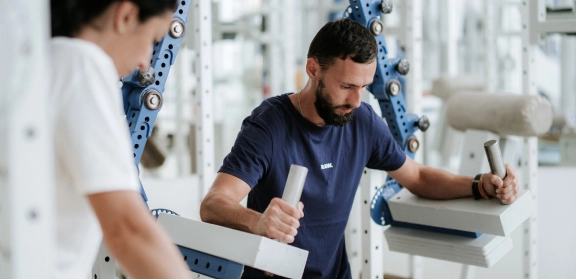
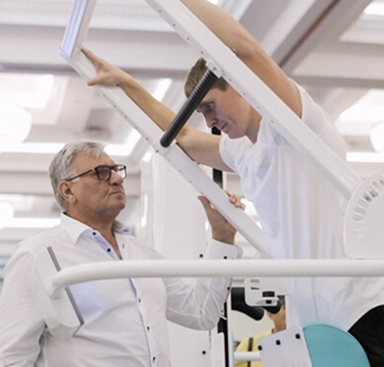
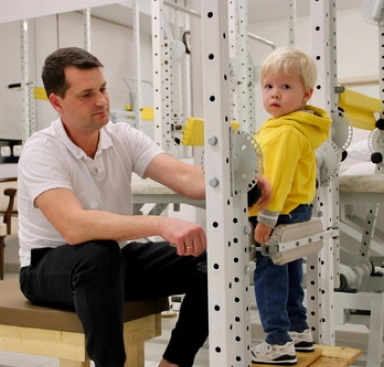
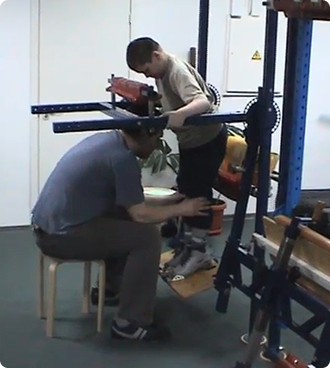
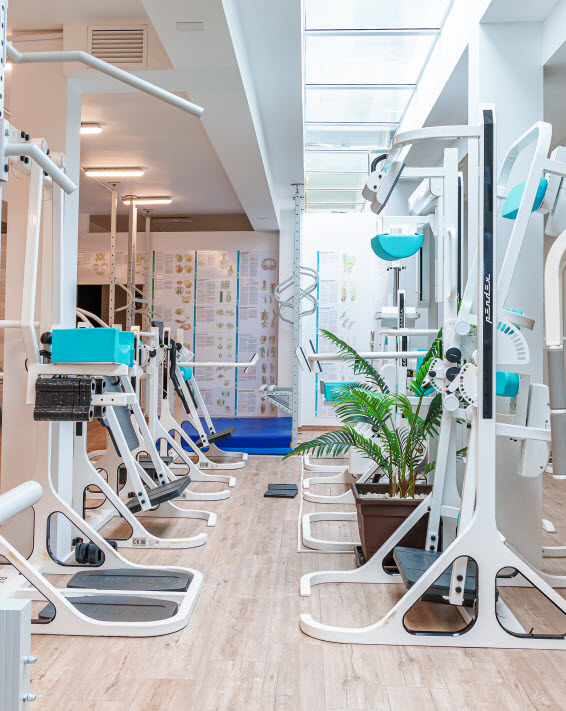
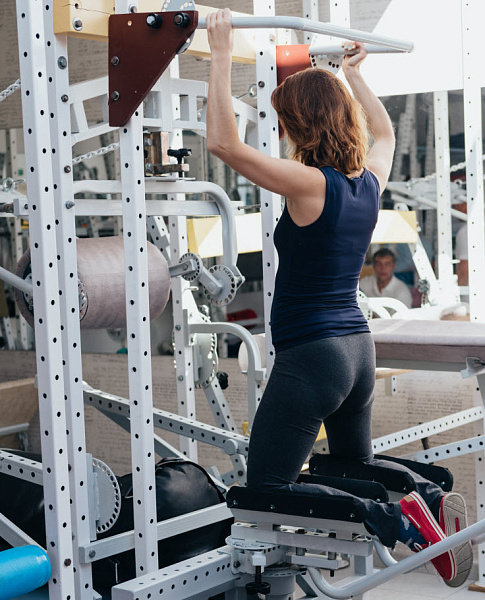
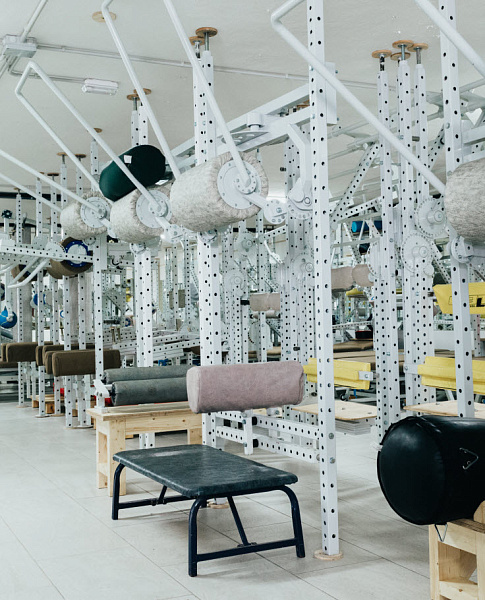
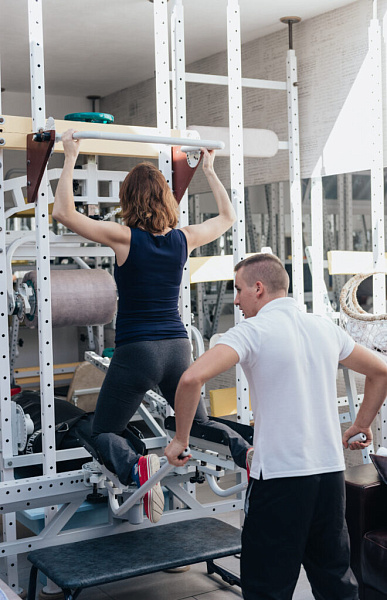
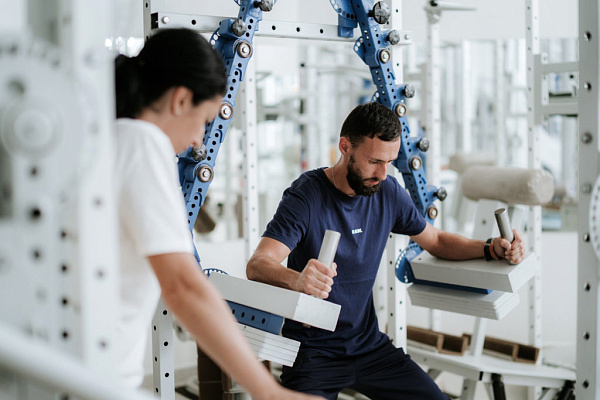
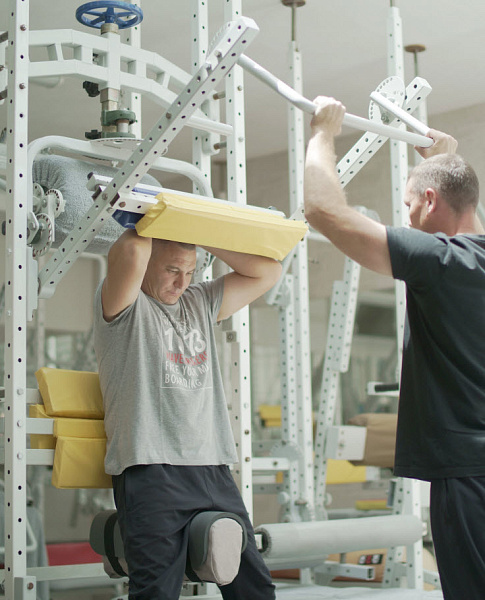
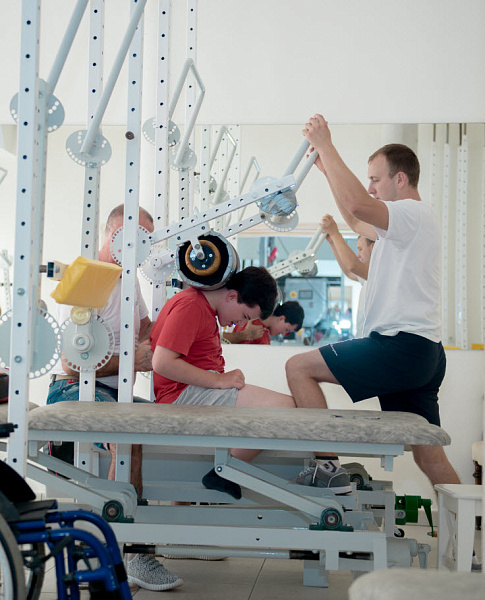
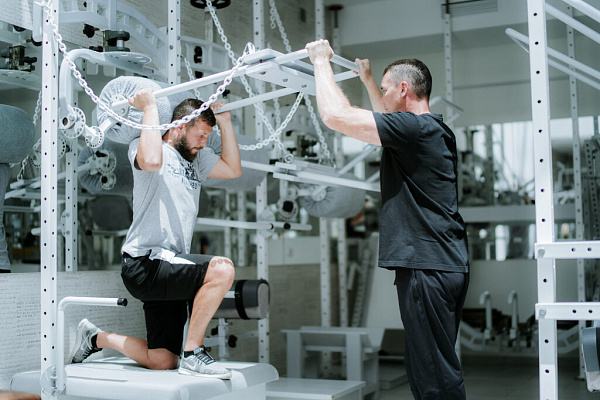
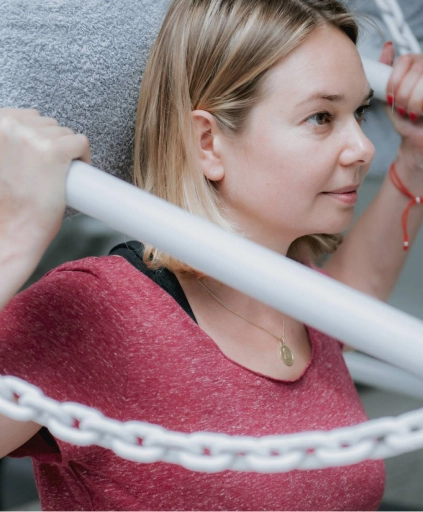
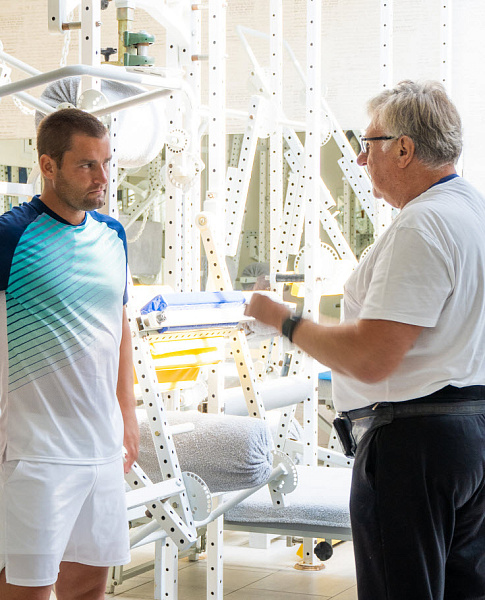
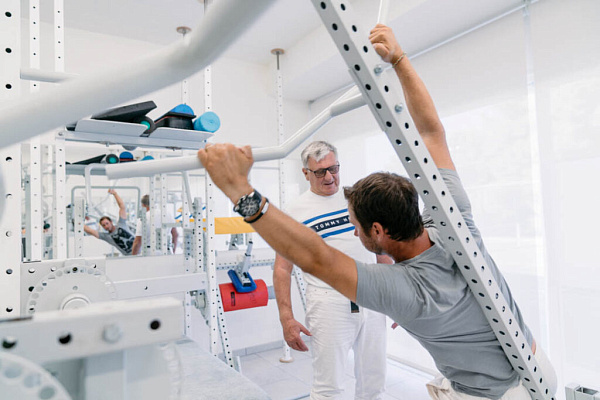
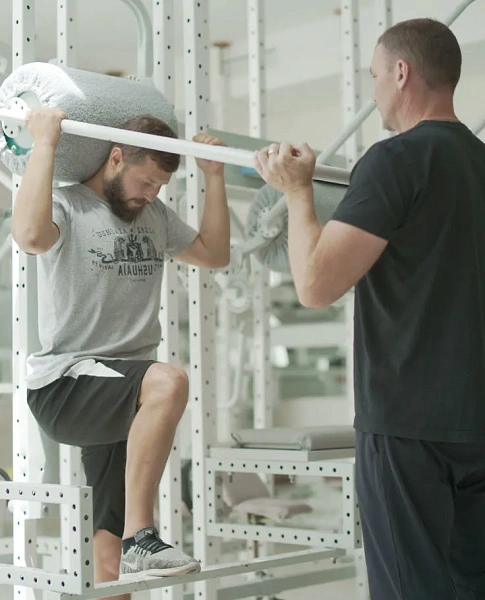
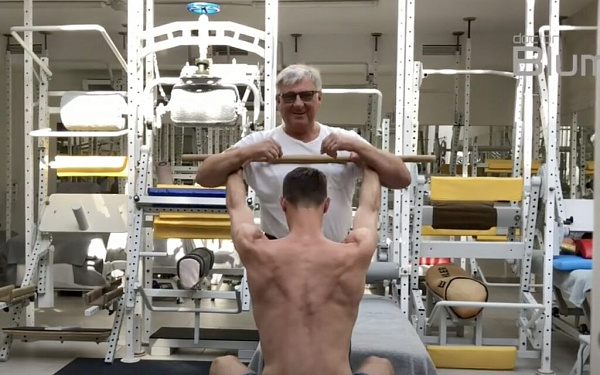
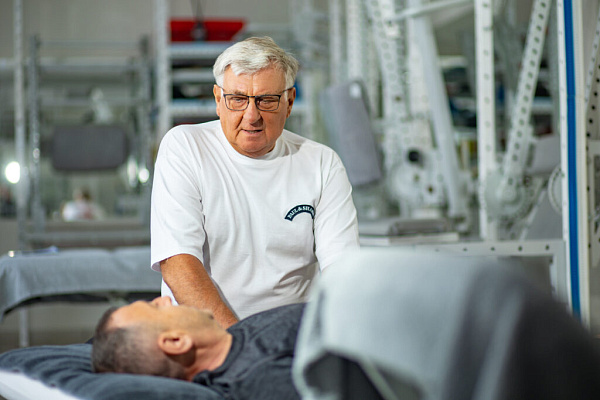
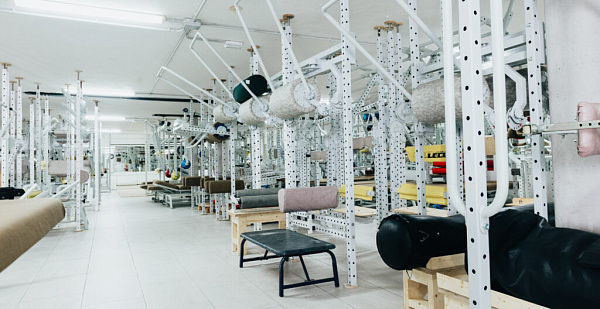
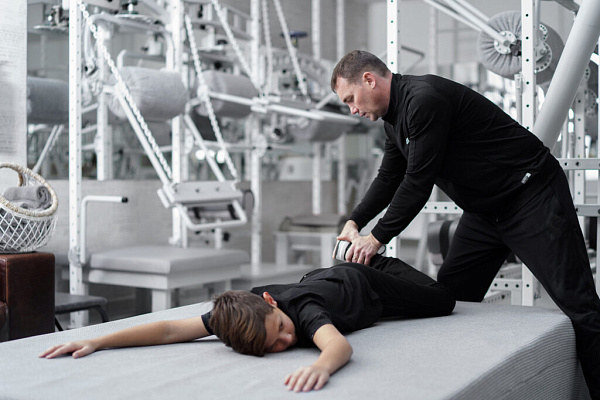
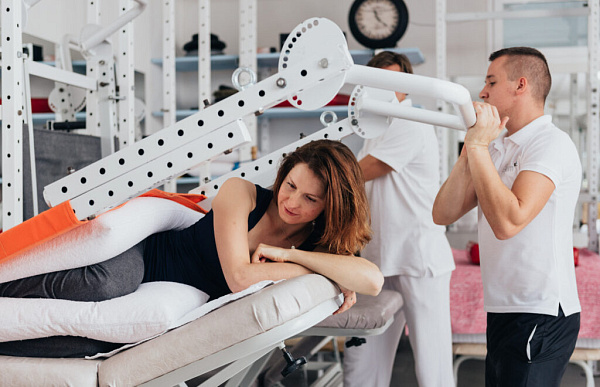
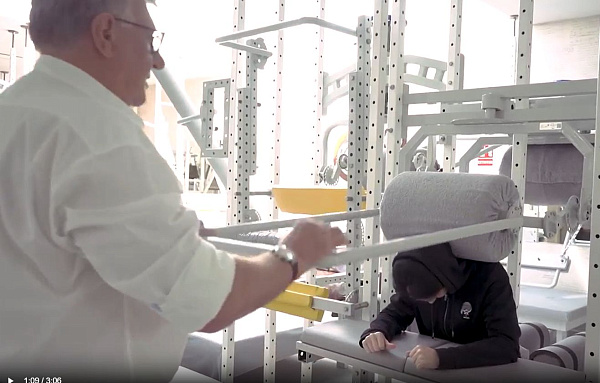
Professor Blum's Centre uses patented rehabilitation equipment that offers unprecedented adaptability: there is not a single body segment or muscle group that we cannot target. The physical impact is applied with exquisite precision, within a specified intensity range, with the necessary angle of acceleration, and dozens of other controlled parameters.
This leads to a planned response even from the weakest muscular and fascial structures, ensuring the ability to address a wide range of rehabilitation tasks for patients with Duchenne myopathy.
The successful restoration of functional performance and structural integrity of the neuromuscular system, locomotor system, and the body as a whole is achieved through the method's ability to target weak links with minimal energy expenditure from the patient. Professor Blum's patented rehabilitation modular exercise machines ensure constant control of movement range and specific muscle responses, guaranteeing safety, maintaining consistency and predictability of results, and eliminating any overloads, which is especially important for patients with myopathy.
Patient stories
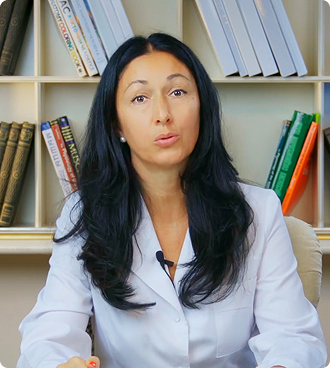
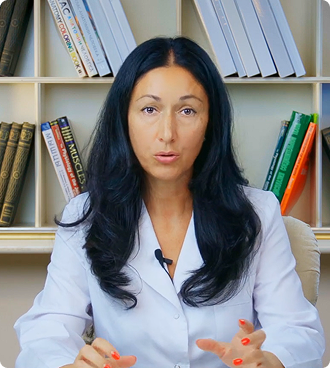
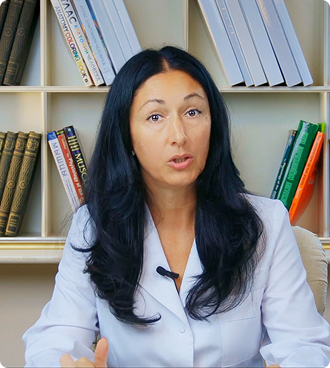
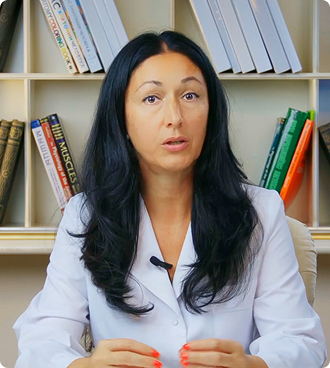
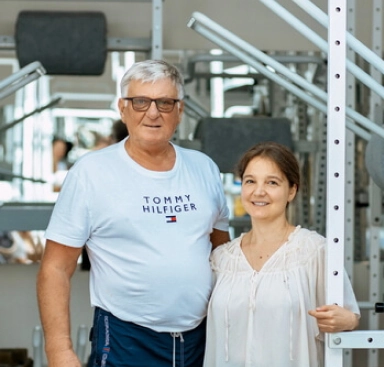
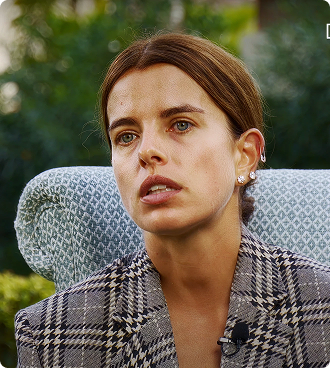
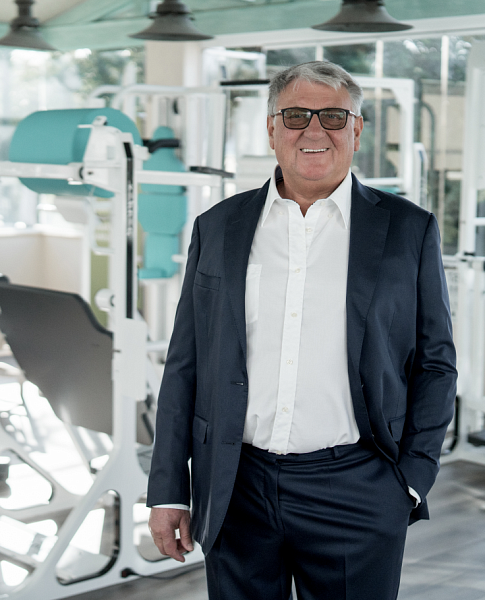
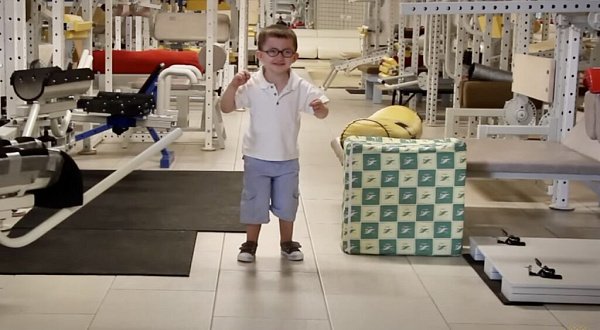
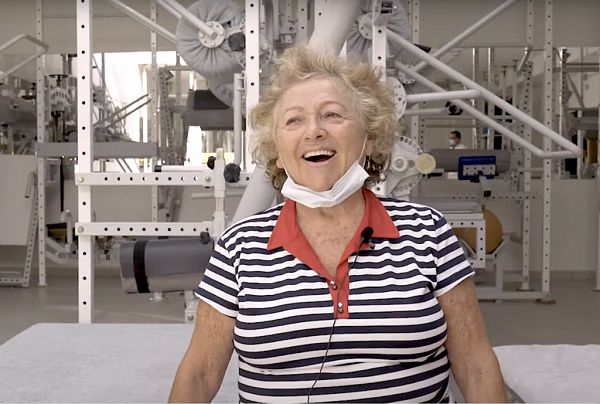
It wasn’t a miracle, it was our hard work, knowledge, and persistence, converted into results. Under the guidance of a brilliant doctor, we have beaten myopathy. Thank you, Evgeniy Evalievich, you've become a close and dear person to us. I am ready to answer all the questions from mothers of children like my Vlad, so they don’t give up and don’t miss their chance.
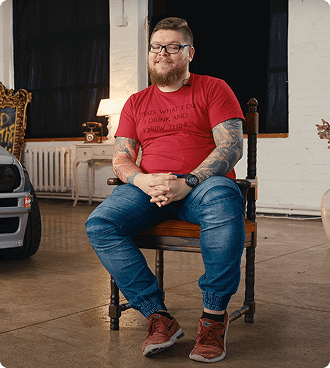
Vlad came to Professor Blum's Centre as a nine-year-old boy suffering from severe myopathy. Now, he is a completely healthy young man, living a full life, working, studying, playing sports, running, skiing, and has an active social life.
Professor Blum’s Exclusive Rehabilitation System

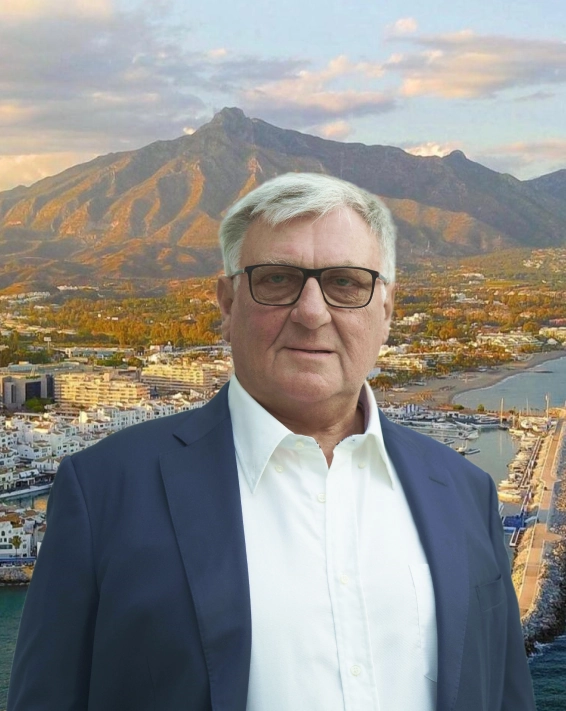
The center is located in a picturesque corner of the renowned resort town of Marbella, surrounded by cedar trees at the foot of La Concha mountain. Here, science and technology blend with nature, creating a space where the body returns to balance and harmony.
Technologies that deliver results
Select a program
- Personalized Health Recovery Programs
- Disease Prevention
- Customized Check-Up

Q&A
Both conditions are caused by mutations in the same gene — DMD. However, in Duchenne myopathy, the dystrophin protein is completely absent, so the disease begins earlier (before age 5) and follows a more severe course. In Becker myopathy, dystrophin is partially preserved, symptoms appear later, and progression is slower.
Yes, it is an X-linked recessive disorder. It primarily affects boys who inherit the mutated DMD gene from a carrier mother. Girls can be carriers but very rarely develop the disease themselves.
In Duchenne myopathy, the prognosis depends on the severity of the course and the quality of supportive therapy. Modern treatment methods, including cardiac and respiratory support, can significantly increase both the life expectancy and quality of life of patients. The prognosis is always individual.
Diagnosis of Duchenne myopathy includes: analysis of creatine phosphokinase (CPK) levels in the blood — in Duchenne myopathy, it is sharply elevated; genetic testing — looking for deletions and duplications in the DMD gene; ECG and EchoCG to assess the condition of the heart; consultation with a neurologist and a geneticist.
A recurrent stroke often occurs with pronounced low energy resources, impaired body geometry, and chronic diseases. Our program includes prevention of recurrent stroke through restoring the function of internal organs, improving body symmetry, optimizing blood flow, and enhancing metabolism. This reduces the main risk factors and strengthens the body as a whole.
With long-term hormone use, serious complications can develop. Steroid osteoporosis: bone density decreases, bones become fragile, and fractures occur. Obesity: under the influence of corticosteroids, proteins are converted into carbohydrates, which are then stored as fat — combined with limited physical activity, this leads to weight gain. Diabetes: carbohydrate metabolism is disrupted, glycogen synthesis increases, and blood sugar rises.
There is no known cure for myopathy. Worldwide, only symptomatic therapy is used to temporarily relieve symptoms. Medication aims to support intracellular metabolic processes in nerve and muscle tissue and slow tissue breakdown — these are anabolic steroids and glucocorticosteroids. Research shows these drugs can increase muscle strength, prolong walking time, slow the progression of respiratory failure and dilated cardiomyopathy, and slow scoliosis progression. However, their side effects include the risk of spine and long-bone fractures, obesity, and diabetes. At late stages of myopathy, assisted ventilation is used as respiratory failure progresses with oxygen deficiency; when the heart muscle weakens and heart failure develops, medications that support cardiac function are prescribed; surgeries correct the spine in progressive scoliosis. At the Blum Center, non-surgical pediatric rehabilitation and physical therapy for children with myopathy complement medical management — focusing on mobility, respiratory muscle support, and prevention of joint contractures — without replacing the care of the child's physician.
Yes. At the end of every course, we always give "homework" — practical recommendations on care and exercises that help parents maintain the achieved results on their own. Rehabilitation for myopathy is a complex, long-term process, and the family's daily work is an essential part of it.
The duration of our pediatric rehabilitation programs depends on the type of myopathy, the patient's age, the presence of complications, and how long the disease has been present. The larger the volume of affected muscles, the more complex and lengthy the work. When vital organs are involved — the heart, bronchi, respiratory muscles, diaphragm — risks increase. If long-term hormone therapy has already been administered, the condition is further complicated by side effects. To determine the exact duration and cost of a rehabilitation course, sign up for a free online consultation with a Blum Center physician.
In the vast majority of cases, the main manifestation of myopathy — as of other neuromuscular diseases — is muscle weakness. Other symptoms include:
- - rapid fatigue
- - cramps
- - decreased muscle tone (muscle tone disorders)
- - muscle pain
- - difficulty climbing stairs
- - difficulty raising the arms or rising from a chair
- - unsteady walking
- - gait abnormalities in children, such as a waddling ("duck-like") gait
- - motor development delay
The cost of a course of treatment with a stay in a hotel
- Appointments and consultations
- Creating an individual program
- Conducting personal sessions
- Appointments and consultations
- Creating an individual program
- Conducting personal sessions
Other areas of work of our Center
.webp)