

Sports Rehabilitation

- Restoring physical and functional potential to the level of a healthy athlete
- Prevention of recurrent injuries
- Improving the nervous and muscular systems for maximum efficiency
- A proprietary method that has helped dozens of world-class athletes

Author’s Method
Precision is the key principle of successful recovery. Effective treatment of complex sports injuries is impossible without targeted mechanical stimulation of damaged tissues. The wrong movement or stimulation can not only fail to produce results but also make the injury worse. Often, the difference between the right and wrong approach is just a few millimeters or degrees.
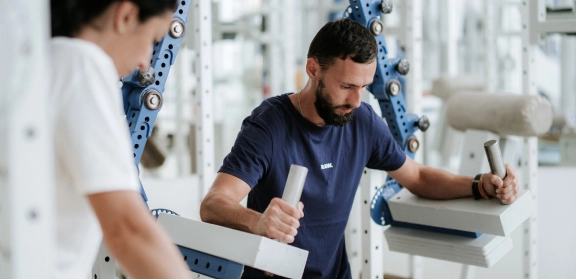
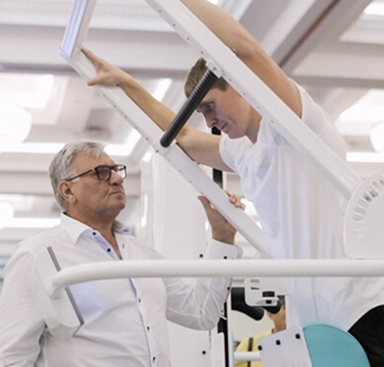
Dr. Blum’s sports rehabilitation center uses highly adjustable equipment that adapts to each patient’s individual needs – for any joint, any range of motion, or any type of stimulation – to achieve the best possible outcome.
We apply a proprietary method that includes over 1,000 techniques and approaches, and we develop a personalized athlete rehabilitation program focused on quickly restoring mobility in joints, muscles, and ligaments, helping athletes return to full‑intensity training.
“I work where other therapeutic approaches have reached their limit and all methods have been tried. Where others have failed and stopped – that’s where I begin,” says Professor Evgeny Blum. It’s a bold statement, but the clinic’s results speak for themselves. Dozens of world‑class athletes whose careers were threatened have returned to professional sport thanks to Dr. Blum and his team.
Who Is This Program For?
- Athletes recovering from injuries – restore musculoskeletal function, strength, and endurance for a quick return to training and competition.
- Athletes after surgery – need full restoration of joint mobility, muscle control, and coordination.
- Professional and amateur athletes – want to fully adapt to training and reduce the risk of re-injury.
What sports injuries we treat:
We provide specialized care in sports injury rehabilitation, helping athletes recover quickly and return to full training. We create individual programs adapted to each sport.
The most common injuries we work with include:
- Muscle strains and tears
- Anterior cruciate ligament (ACL) tear
- Achilles tendon injury
- Tennis elbow / Golfer’s elbow
- Knee meniscus tear
- Shin splints and stress fractures in the foot
- Traumatic brain injury
- Compression fracture of the spine
These injuries occur in athletes from various disciplines: tennis, volleyball, football, judo, athletics, pentathlon, basketball, and others. They involve different mechanisms – tears, fractures, and dislocations – and affect different joints and muscle groups.
Our approach ensures safe recovery after musculoskeletal injuries and normalizes joint mobility and muscle balance so that the athlete can return to training and competition as quickly and safely as possible without losing form.
-
Reestablish the anatomical and biomechanical integrity of the injured area
-
Activate the deep stabilizing muscles around the injured area and strengthen the supporting muscles and ligaments
-
Improve blood circulation, lymphatic flow, and microcirculation to support metabolism and healing
-
Bring back normal movement patterns, full range of motion, strength, endurance, and speed
-
Identify and strengthen the weak link, build resilience and confidence, and prevent future injuries
-
Address the psychological impact of the injury and build mental and emotional resilience
Objectives of the program
-
Full functional recoveryRestoring anatomical and biomechanical integrity, normalizing muscle and joint function for a full return to activity.
-
Improved physical performanceOptimizing strength, endurance, and coordination to reach the level of a healthy athlete and to be ready for training loads.
-
Quick return to sportReducing the risk of re‑injury and safely returning to unrestricted training.
Dr. Blum's clinic is more than 20,000 healed patients from all over the world
Patient stories
.png)
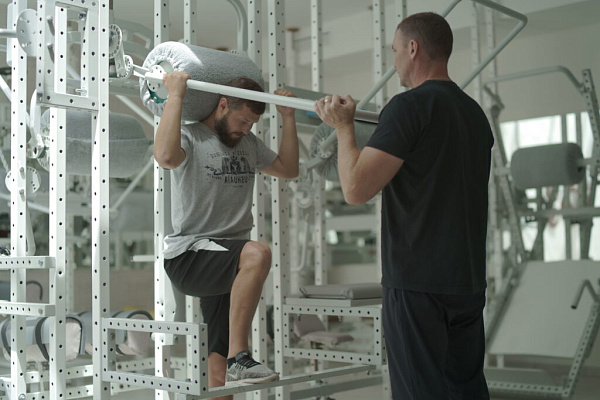
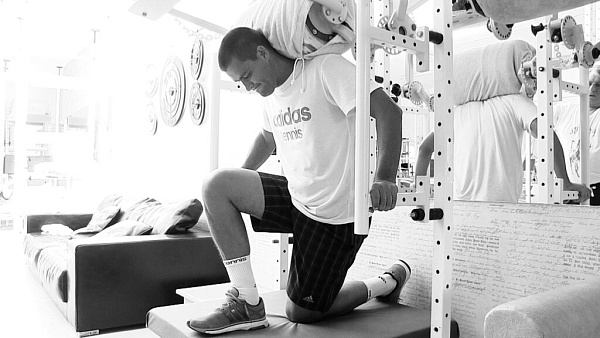
Deep muscles are not controlled by the conscious mind. Recruiting them with regular pulling movements for the back is impossible. It requires methods, exercises, and equipment for working in an eccentric mode, aimed at strengthening the deep abdominal muscles, pelvic floor, and back, reinforcing the axial skeleton, and preventing injuries.
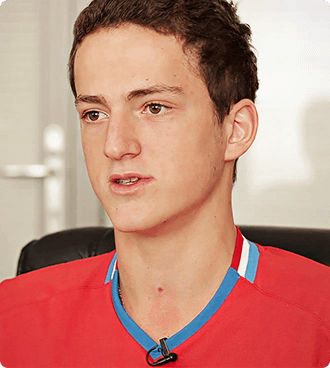

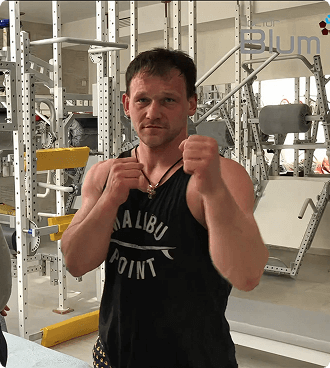
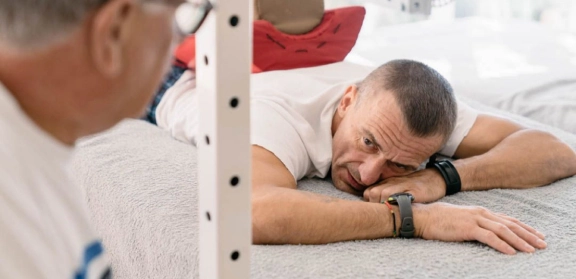
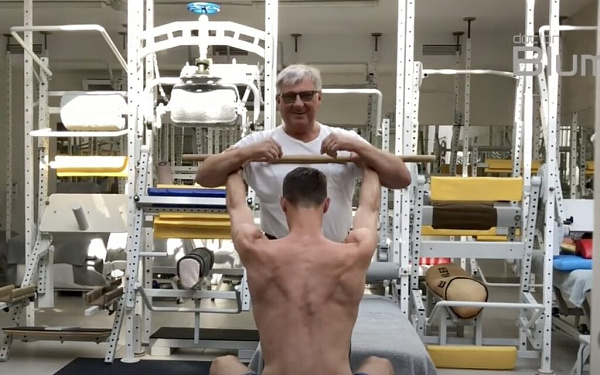
One of the training sessions demonstrating work on deep muscles against superficial ones. When I "press the brake pedal," Pavel "presses the gas pedal." The goal is to show why in martial arts, old masters often defeat young and healthy students. Why the old teacher passes on knowledge to the best student, making them invincible overnight.
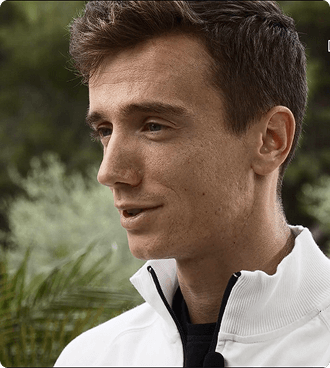
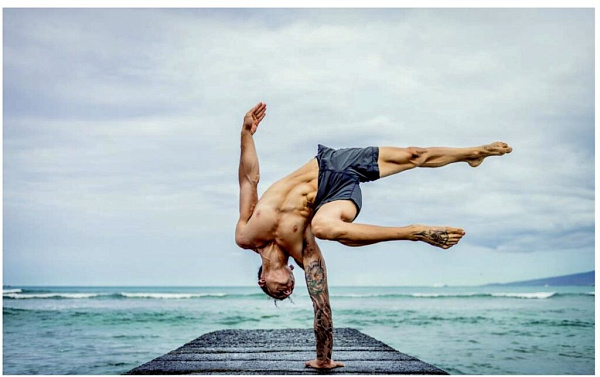
For 15 years, training at Professor Blum's Centre has been an integral part of Andrey's training process.
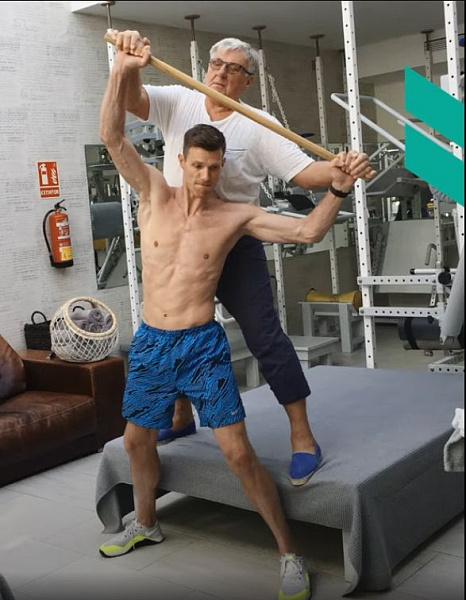
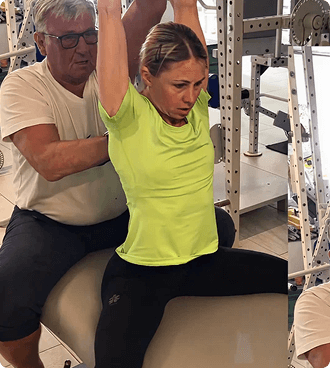
Goal: Preparation for the 2019 European Modern Pentathlon Championship
Tasks: Increase and optimise range of motion in shoulder joints, extension, posture maintenance, reaction speed. Improve the energy efficiency of the body as a whole. Eliminate the likelihood of injury.
Result: Victory at the 2019 European Modern Pentathlon Championship in Bath, UK. Qualification for the 2020 Tokyo Olympics.
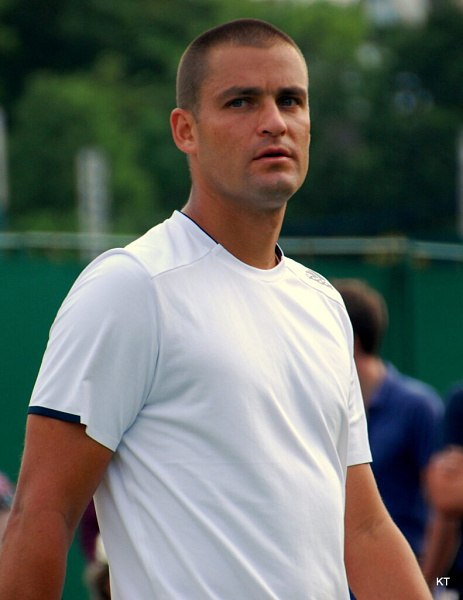
Rehabilitation Goals: Quick return to competition, strengthen the injured joint, and eliminate the fear of reinjury. Result: 22 days after the injury, Mikhail Youzhny participated in the final match and won the Davis Cup 2006 with the Russian national team.
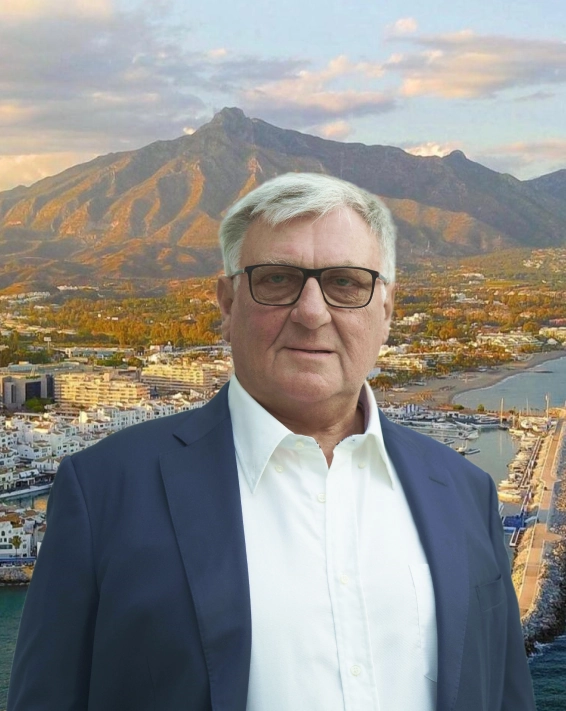
Professor Blum’s Exclusive Rehabilitation System

The center is located in a picturesque corner of the renowned resort town of Marbella, surrounded by cedar trees at the foot of La Concha mountain. Here, science and technology blend with nature, creating a space where the body returns to balance and harmony.
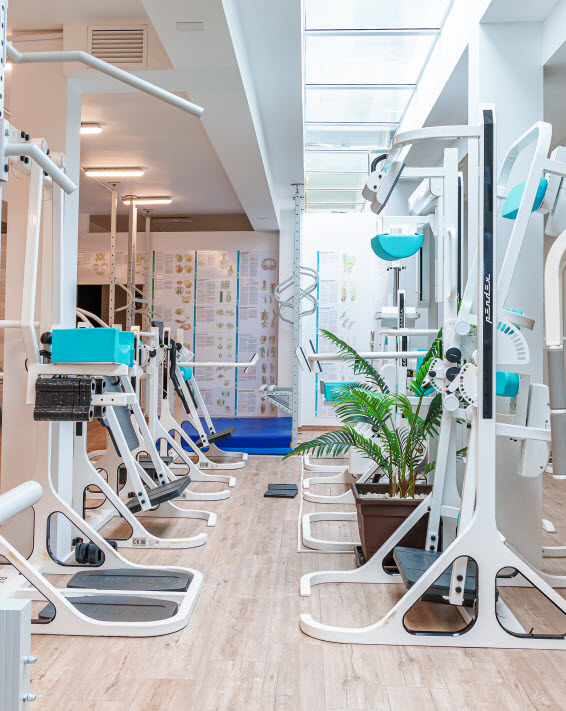
Technologies that deliver results

Select a program
- Recovery after fractures and dislocations
- Rehabilitation after muscle strains or tears
- Recovery from ligament and capsule ruptures
- Post-surgery rehabilitation
Q&A
Yes, the program is suitable for both professionals and amateurs. It helps restore musculoskeletal function, ensures a safe increase in training load, and reduces the risk of re‑injury – all based on individual goals and fitness levels.
Yes. The method is adapted to the post‑surgery period, taking into account mobility restrictions and healing phases. This helps safely restore joint and muscle function and gradually return to training.
The program is tailored to the type of injury and fitness level. It includes restoring joint mobility, strengthening weak muscle links, rebuilding strength and endurance, and relearning correct movement patterns.
To correct post‑traumatic imbalances, we develop a comprehensive biomechanical recovery program. The method restores normal muscle‑joint interaction, improves movement control, and reduces overload caused by compensation.
Return to sports activity is gradual, with restoration of coordination, range of motion, and muscle control. The program includes stages of adaptation to training loads and lowers the risk of re‑injury.
It depends on the type of injury and the athlete’s individual condition. Minor muscle and ligament injuries may heal faster, while complex fractures or post‑surgical recovery require a longer course with progressively increasing loads. The method accelerates the restoration of musculoskeletal function while keeping the load safe.
The process begins with an assessment of the severity and extent of the injury. Then we develop an individual program to restore the anatomical and biomechanical integrity of tissues and joints. After that, we gradually restore movement patterns, strength, and range of motion to safely return the athlete to full activity.
The cost of a course of treatment with a stay in a hotel
- Appointments and consultations
- Creating an individual program
- Conducting personal sessions
- Appointments and consultations
- Creating an individual program
- Conducting personal sessions
Other areas of work of our Center
.webp)