

Musculoskeletal Injury Treatment & Rehabilitation

- A program tailored to the complexity and age of the injury.
- Help restoring full range of motion and joint stability.
- Prevention of complications and repeat injuries.
- Minimizing the need for surgical intervention.

Why Rehabilitation Matters
Recovery after soft tissue damage — whether a tendon injury, ligament sprain, or muscle tear — must begin as early as possible to avoid complications and negative consequences. Timely treatment of muscle and ligament injuries helps prevent chronic inflammation (arthritis) and the formation of fibrous growths (arthrosis), which can develop when blood, lymph, and tissue fluid accumulate in the damaged area. A well‑designed treatment for muscle and ligament injuries is essential.
Prolonged immobilization with a splint, orthosis, or cast can lead to muscle atrophy and loss of limb volume. Surgery without subsequent rehabilitation may cause scar changes and adhesions in the tissues. Walking with crutches or a cane, with asymmetric load on the joints, disrupts body balance and causes compensatory redistribution of load, leading to secondary pathological changes in other joints and the spine.
Timely recovery after sports injuries is especially important to minimize the risk of complications and preserve limb function.
Who Can Benefit fr om Muscle and Ligament Injury Recovery?
Which patients do we help?
- Muscle injury recovery —for amateur sports enthusiasts and professional athletes.
- Ligament injury recovery — for acute injuries and chronic instability.
- Patients after surgery, sports injuries, or falls.
- Those with limited mobility, pain, or impaired joint stability.
The Blum Method: Precision in Musculoskeletal Injury Treatment
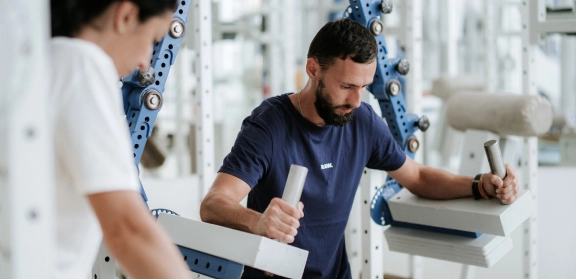
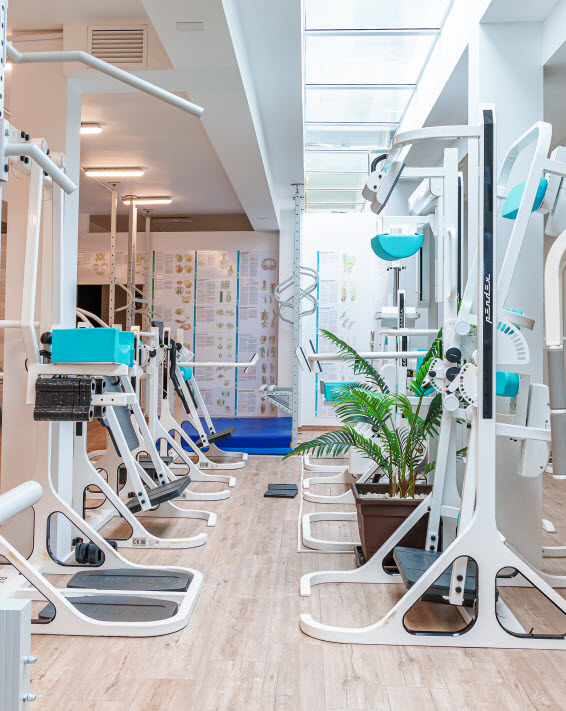
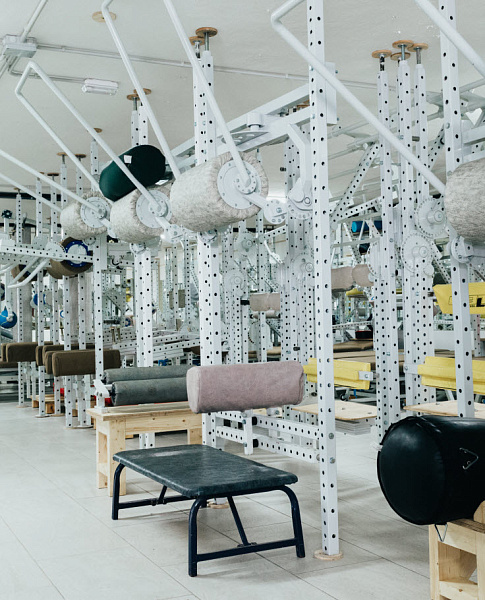
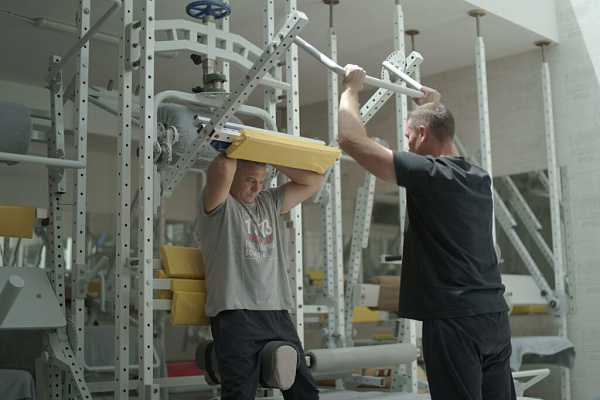
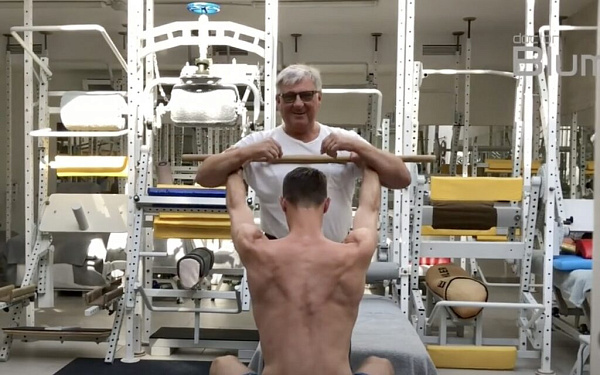
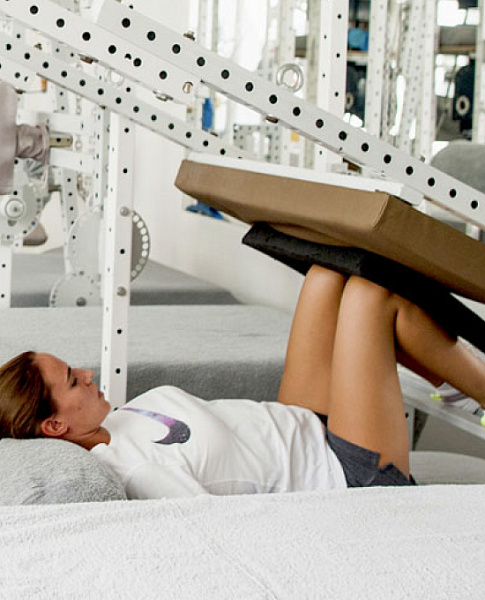
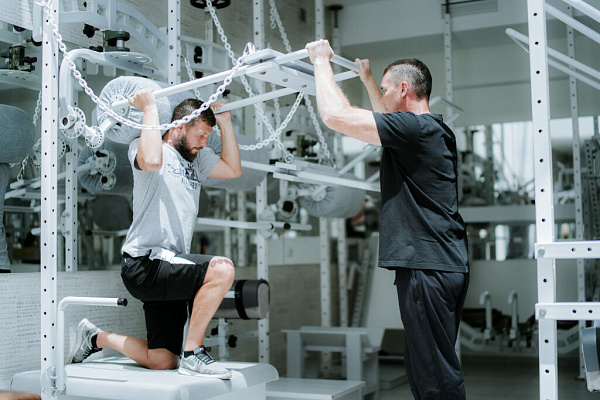
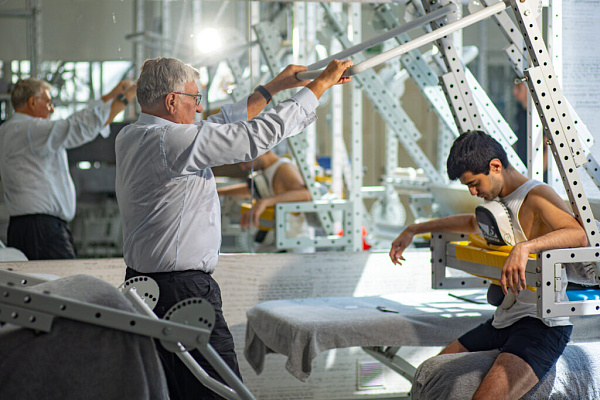
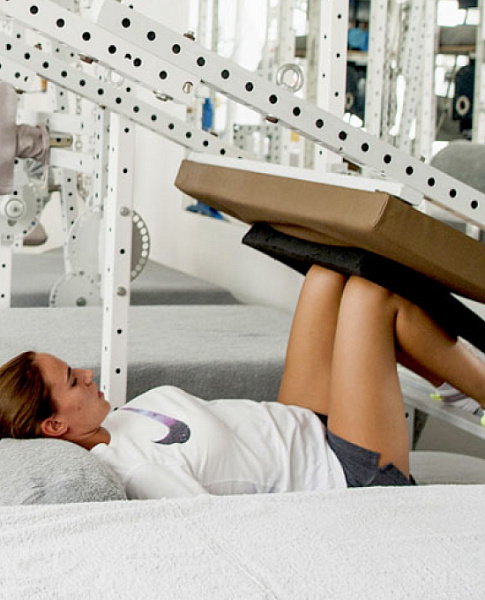
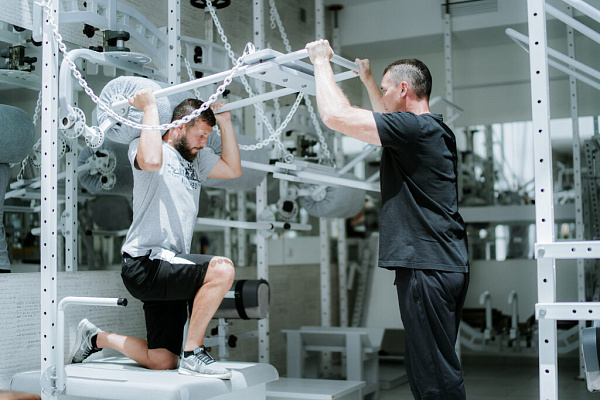
Precision is the first key to success. Effective musculoskeletal injury treatment is impossible without intensive mechanical stimulation of damaged tissues. However, movement and stimulation — if performed incorrectly — may not help and can even worsen the condition. Sometimes the difference between correct and incorrect intervention is just a few millimeters or degrees. Our equipment features precise adjustments and the highest level of fine‑tuning, adapting to any person, any joint, and any range of motion to deliver maximum results in restorative therapy, therapeutic exercise, and rehabilitation.
At the core of our work lies injury diagnostics — precise assessment that determines the extent and nature of the injury. Based on this, we develop an individualized recovery program for each patient. A key role in this program is played by physical therapy for muscle and ligament injuries, adapted to the type of trauma, the volume of affected tissues, and the patient’s activity level. Comprehensive rehabilitation improves blood circulation, reduces pain and swelling after injury, and accelerates tissue regeneration. Our proprietary techniques also help quickly release myofascial blocks and improve movement coordination. We also offer therapy for muscle and ligament injuries that goes beyond standard approaches — what we call muscle and ligament injury therapy.
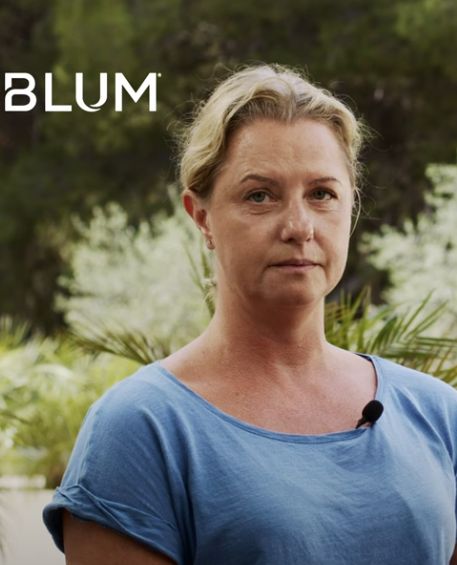
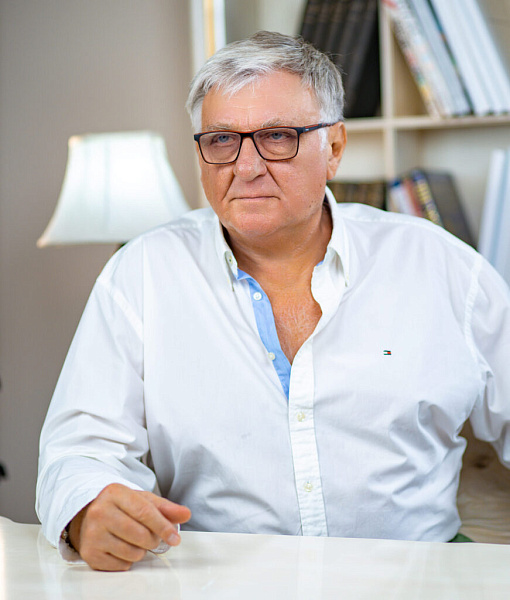
“I work wh ere other therapeutic approaches have reached their limit and all methods have been tried. Where others have failed and stopped — that’s where I begin...” — says Professor Evgeny Blum.
This bold statement is backed by results: dozens of world‑class athletes who risked ending their careers after serious ligament injuries have successfully returned to professional sports thanks to Dr. Blum and his team. Specially developed programs for ligament injury treatment allow for safe restoration of joint function and help athletes return to intense training loads.
Our sprain and strain recovery program is designed for optimal healing — and we also offer flexible recovery programs for sprains and strains tailored to each patient. Combined with post‑traumatic musculoskeletal rehabilitation and rehabilitation after musculoskeletal trauma, our approach ensures full recovery. Whether you need rehabilitation after muscle and ligament injuries, kinesiotherapy, or myofascial therapy, our methods are available to you.
What We Treat: Types of Muscle, Ligament, and Tendon Injuries
After an injury, patients typically experience pain and swelling after injury, limited mobility, and reduced joint stability. In sports injuries, several ligaments, muscles, or tendons are often affected simultaneously. Therefore, it is important to consult a specialist for accurate diagnosis and appropriate rehabilitation methods.
At our Center, soft tissue injury treatment and rehabilitation are provided for the following conditions:
- Sprains, partial tears, and complete tears of limb ligaments
- Tendon injuries (partial tears), including partial tendon tear
- Ligament sprain, muscle strains, partial and full muscle tear
- Sprains of spinal ligaments and muscles
- Ligament and muscle injuries of the pelvis
- Sports injuries, including combined trauma
We also specialize in treatment of soft tissue injuries beyond the acute phase, ensuring long‑term recovery.
Rehabilitation focuses on restoring joint function and limb function, normalizing movement and stability, relieving pain, and preventing complications associated with prolonged immobilization or surgical intervention. This is what we call muscle and ligament injury therapy — a comprehensive approach tailored to each patient.
To develop an individualized program, we assess:
- The extent and depth of the injury, as well as the type of tissues damaged
- Results of prior treatment and duration of immobilization
- Condition of adjacent joints and muscles
- Specifics of the traumatic mechanism
- Age, chronic diseases, and history of past injuries or surgeries
Based on this data, we determine a recovery plan — ranging from basic daily activities to amateur or professional sports.
-
Restore the epicenter of the injury as well as the deep intrinsic muscles that stabilize the affected body part.
-
Enhance blood circulation, lymph flow, and microcirculation of tissue fluids to accelerate regeneration.
-
Restore joint mobility and range of motion.
-
Restore limb function, including strength, endurance, and coordination.
-
Strengthen weak links and increase the physiological strength of tissues.
-
Address the psychological consequences of the injury and build confidence for a safe return to activity.
Objectives of the program
-
Full functional recoveryRestoration of lost movement, strength, and coordination — complete limb function recovery.
-
Recovery after ligament ruptureSafe and gradual restoration of joint and ligament integrity.
-
Strengthening of the musculoskeletal systemBuilding tissue strength and stability to prevent re‑injury.
-
Improved physical performanceRestoring strength, endurance, and mobility restoration to the level of a healthy athlete.
-
Psychological rehabilitationEliminating anxiety and fear of loading after injury.
-
Return to sportsSafe and controlled return to training and competition with minimal risk of recurrence.
Patient stories
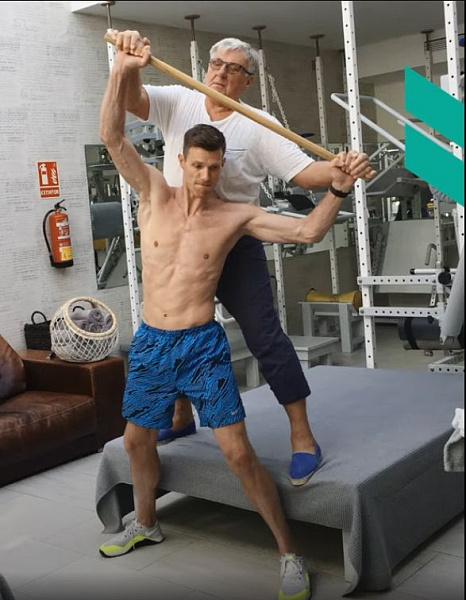
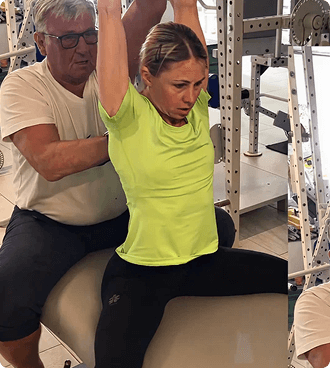
Goal: Preparation for the 2019 European Modern Pentathlon Championship
Tasks: Increase and optimise range of motion in shoulder joints, extension, posture maintenance, reaction speed. Improve the energy efficiency of the body as a whole. Eliminate the likelihood of injury.
Result: Victory at the 2019 European Modern Pentathlon Championship in Bath, UK. Qualification for the 2020 Tokyo Olympics.
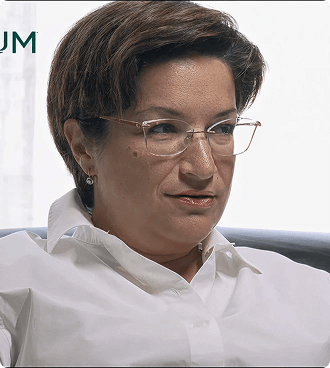
The parents of a 13-year-old girl from New York came to Professor Blum's Centre in Spain with a complex multi-planar ankle dislocation. For 5 years, 26 doctors in leading American clinics treated the injury. The result was a limp, difficulty walking, 2 ineffective surgeries, numerous complications, and constant pain managed with painkillers and hormones. As a result of the treatment at the Centre, the joint was restored, the complications of the injury and surgeries were eliminated, the girl started walking, climbing stairs, running, and most importantly, her psychological issues caused by 5 years of constant pain and limitations disappeared.
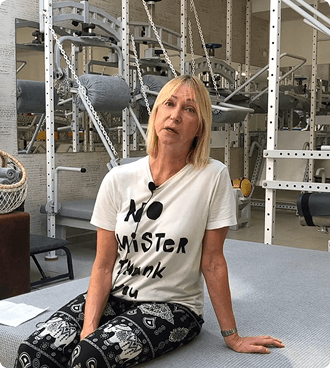
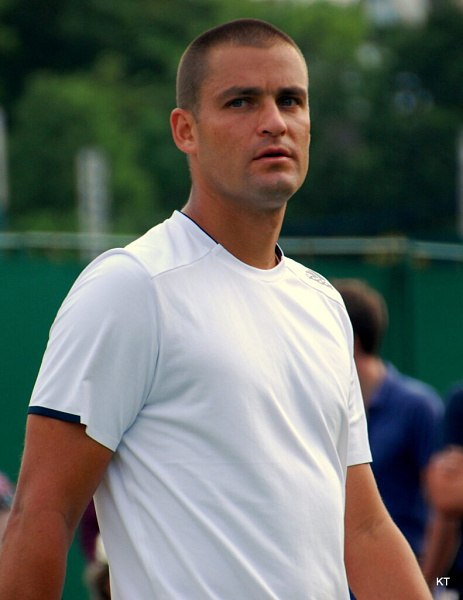
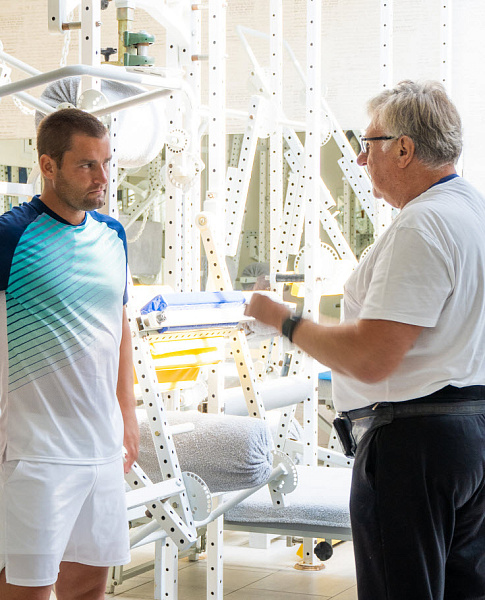
Rehabilitation Goals: Quick return to competition, strengthen the injured joint, and eliminate the fear of reinjury. Result: 22 days after the injury, Mikhail Youzhny participated in the final match and won the Davis Cup 2006 with the Russian national team.
Professor Blum’s Exclusive Rehabilitation System

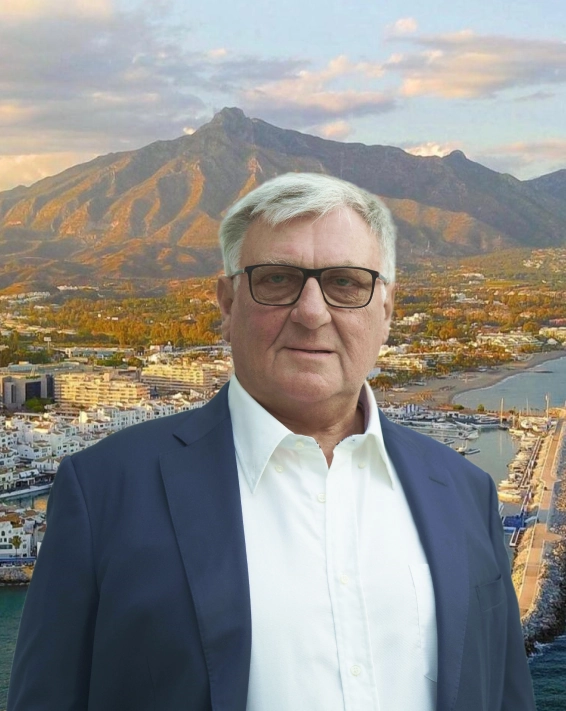
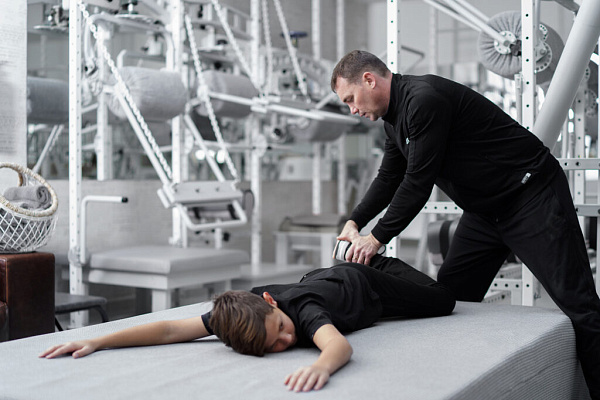
The center is located in a picturesque corner of the renowned resort town of Marbella, surrounded by cedar trees at the foot of La Concha mountain. Here, science and technology blend with nature, creating a space where the body returns to balance and harmony.
Technologies that deliver results
Select a program
- Restorative treatment for sprains and ruptures of ligaments, tendons, and muscles
- Recovery without surgery
- Post-surgery rehabilitation
- Elimination of complications from injury and surgery
- Prevention of recurrent injuries

Q&A
The cost depends on the patient’s individual characteristics: the type and severity of the injury, the number of procedures required, and the duration of rehabilitation. During the consultation, the physician assesses the patient’s condition, determines the optimal rehabilitation plan, and based on that calculates the final cost. Our musculoskeletal injury treatment programs are priced individually.
For tendon injuries, we use methods aimed at restoring tissue structure and normalizing limb function. These include proprietary techniques, restorative therapy for muscle and ligament injuries, therapeutic exercise, and kinesiotherapy. The approach is individualized based on the extent of the injury, the severity of pain, and the patient’s activity level. This is part of our broader soft tissue injury treatment.
Recovery time depends on the severity of the injury, the time since the injury occurred, the presence of complications, and the patient’s general condition. A typical course of rehabilitation after muscle and ligament injuries lasts 3 to 6 weeks.
The rehabilitation process consists of several sequential stages:
- Specialist consultation – online consultation with a rehabilitation physician to analyze injury history, complaints, test results, and prior treatment. Approximate recovery timelines and course costs are determined.
- Determining the rehabilitation plan – in‑person consultation with Professor Blum and a rehabilitation physician, including examination, biomechanical testing, and diagnostics using our proprietary system. An individualized program is developed.
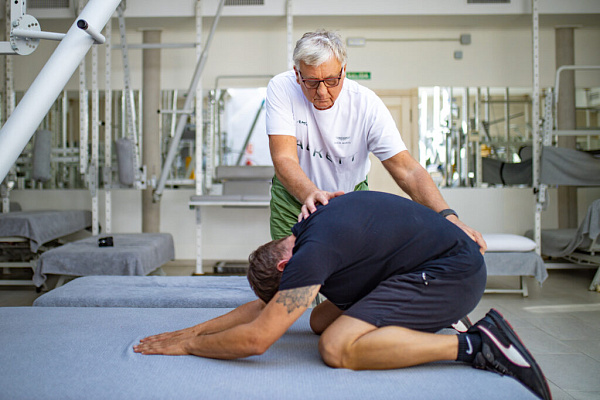
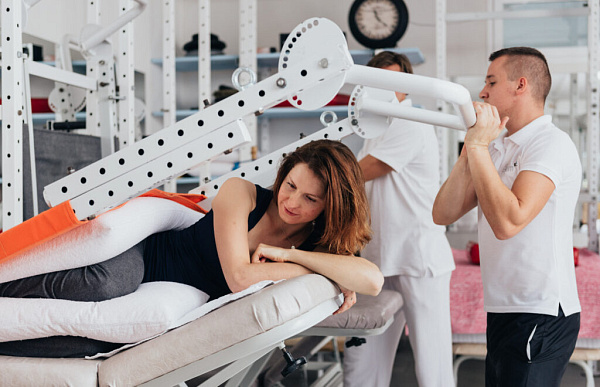
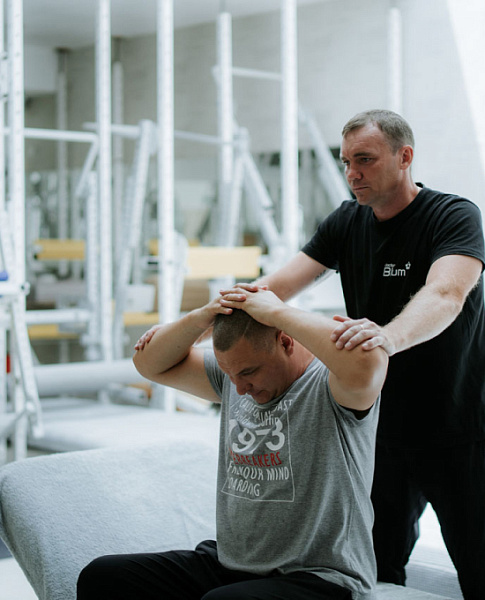
- Comprehensive rehabilitation sessions – the patient attends sessions at the Center; the physician monitors tissue recovery, adjusts loading, and adapts exercises.
- Course completion – the patient receives recommendations for independent work and exercises to maintain results and prevent re‑injury.
This is a typical sprain and strain recovery program in action.
Yes. The Center provides individualized rehabilitation for amateur and high‑level professional athletes. Basketball players, volleyball players, pentathletes, tennis players, hockey players, and representatives of many other sports from around the world know that here they will receive the fastest and most complete recovery after sports injuries. Our muscle and ligament injury therapy is designed specifically for athletes.
Yes, it is possible. Although the rehabilitation potential decreases over time, in most cases we can improve joint range of motion, reduce pain, correct gait and postural abnormalities, restore body biomechanics, and reduce the consequences of prolonged immobilization or improper loading. This is true for recovery after ligament rupture as well as other injuries. To assess the possible prognosis for your specific case, schedule a consultation with a physician at our Center.
The cost of a course of treatment with a stay in a hotel
- Appointments and consultations
- Creating an individual program
- Conducting personal sessions
- Appointments and consultations
- Creating an individual program
- Conducting personal sessions
Other areas of work of our Center
.webp)