

Stroke Rehabilitation
- start recovery immediately after hospital discharge
- minimize the consequences of ischemic or hemorrhagic stroke
- receive a personalized rehabilitation plan
- undergo a residential rehab program with medical supervision

Stroke Rehabilitation Methods: Professor Blum’s Approach
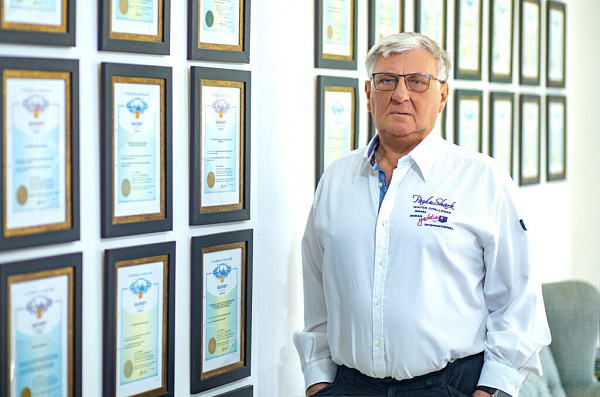
Professor Blum’s approach is fundamentally different from other methods: it aims not just to restore functions but also to address the root causes. The program starts by rebuilding the body’s basic physiological resources – because without that, proper brain recovery simply isn’t possible.
After that, the following functions are restored step by step:
- walking ability and mobility
- balance and coordination
- speech, swallowing, and vision
- cognitive and behavioral functions
- pelvic organ function
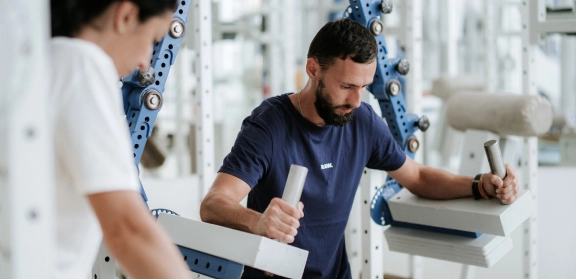
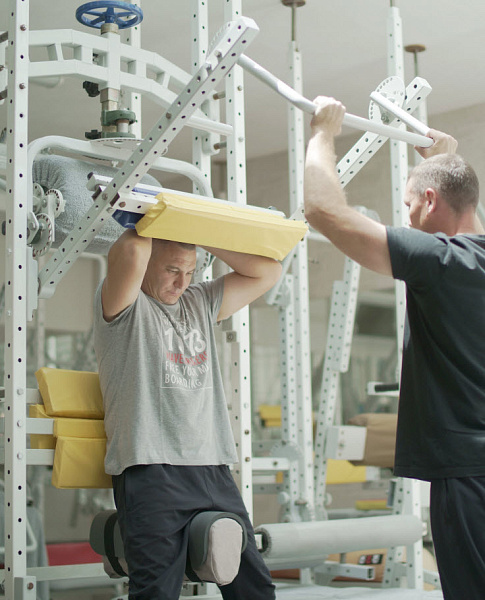
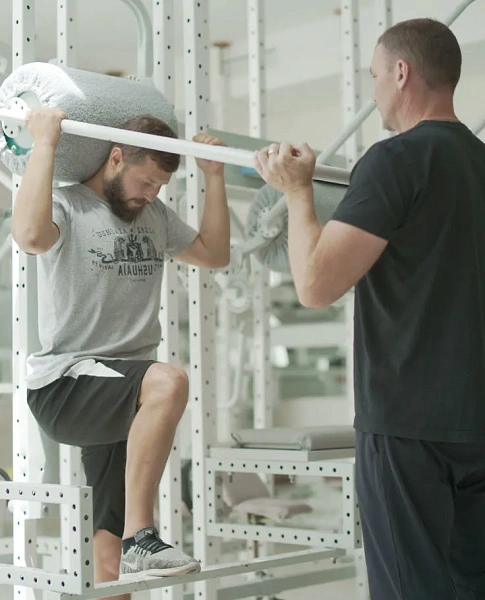
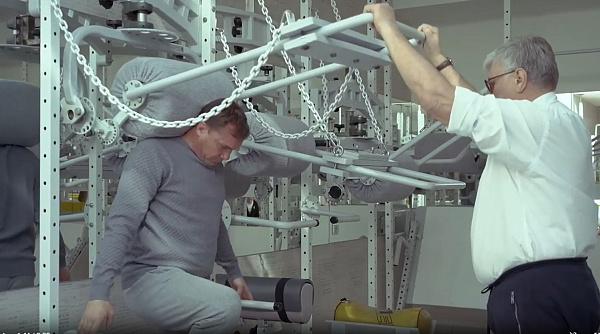
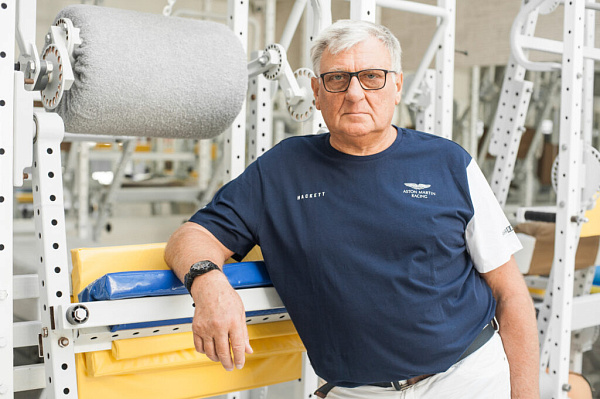
A comprehensive stroke rehabilitation program uses a personalized approach with carefully dosed loads and targeted stimulation through patented training modules. It includes rehabilitation after ischemic stroke as well as prevention of recurrent strokes.
What Stroke Consequences We Treat
In Europe, stroke rehabilitation offers not only access to advanced methods but also a comprehensive approach to managing its long‑term effects. During stroke recovery, specialists work with the full range of disorders that may arise in a patient:
- Motor function disorders: reduced sensitivity or numbness in the arms and legs, weakness or paralysis on one side of the body, difficulty walking, impaired coordination and balance, increased muscle tone (spasticity).
- Coordination disorders and limitations in self‑care: difficulty moving, unsteadiness, challenges with daily tasks – eating, dressing, writing, using the phone, preparing meals.
- Pelvic organ dysfunction: urinary incontinence, constipation, difficulty controlling bowel movements.
- Cognitive impairments: memory loss, reduced logical thinking, loss of cause‑and‑effect reasoning, difficulty planning and performing sequential actions.
- Speech and swallowing disorders: slurred speech, stumbling over words, difficulty swallowing food, frequent choking.
- Vision and hearing loss: hearing loss, reduced vision, impaired spatial perception.
- Psycho‑emotional and behavioral changes: depression, anxiety, irritability, aggression, depressive states.
-
Improve motor skills and movement
-
Boost memory and attention
-
Restore speech and swallowing after a stroke
-
Help regain vision
-
Return to daily living and social skills
-
Work on deep muscle layers to restore body symmetry
Objectives of the program
-
Boosting metabolismBrain recovery requires sufficient energy. Rehabilitation begins by normalizing metabolic processes.
-
Activating the “silent zone” of the brainThe main focus is to activate neurons that were temporarily switched off after the stroke.
-
Restoring the body as a systemBlood circulation and overall health depend on proper body alignment. We work to restore symmetry and reduce the risk of recurrent stroke.
Patient stories
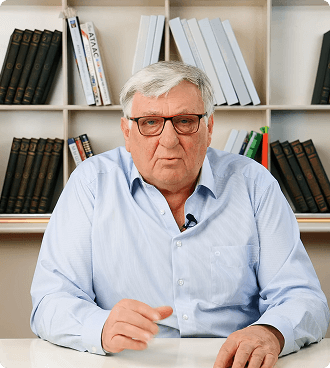
"Hardware" is the body, "software" is the soul, and the "user" is the mind (Rhacius). The more perfect the hardware, the more perfect the software can be installed. Conversely, the more impaired the body, the more primitive the software will be, and the more difficult it will be for the user (the brain) to live and survive in such a body.
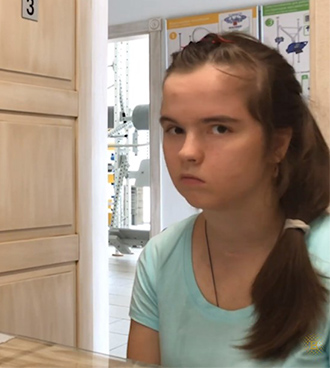
Treatment Duration: 30 days. Results: Significant improvement in motor abilities, improved coordination, ability to kneel with support. Upon completion of the course, she returned home with a set of exercises and equipment for continuing rehabilitation.
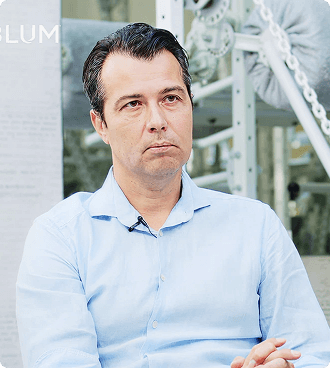
Dmitry suffered two strokes within two days, a rare case with catastrophic consequences – his brain functions were impaired. He arrived in Spain in very critical condition and faced a long rehabilitation process. As a result of the treatment, all bodily and brain functions were restored.
Professor Blum’s Exclusive Rehabilitation System
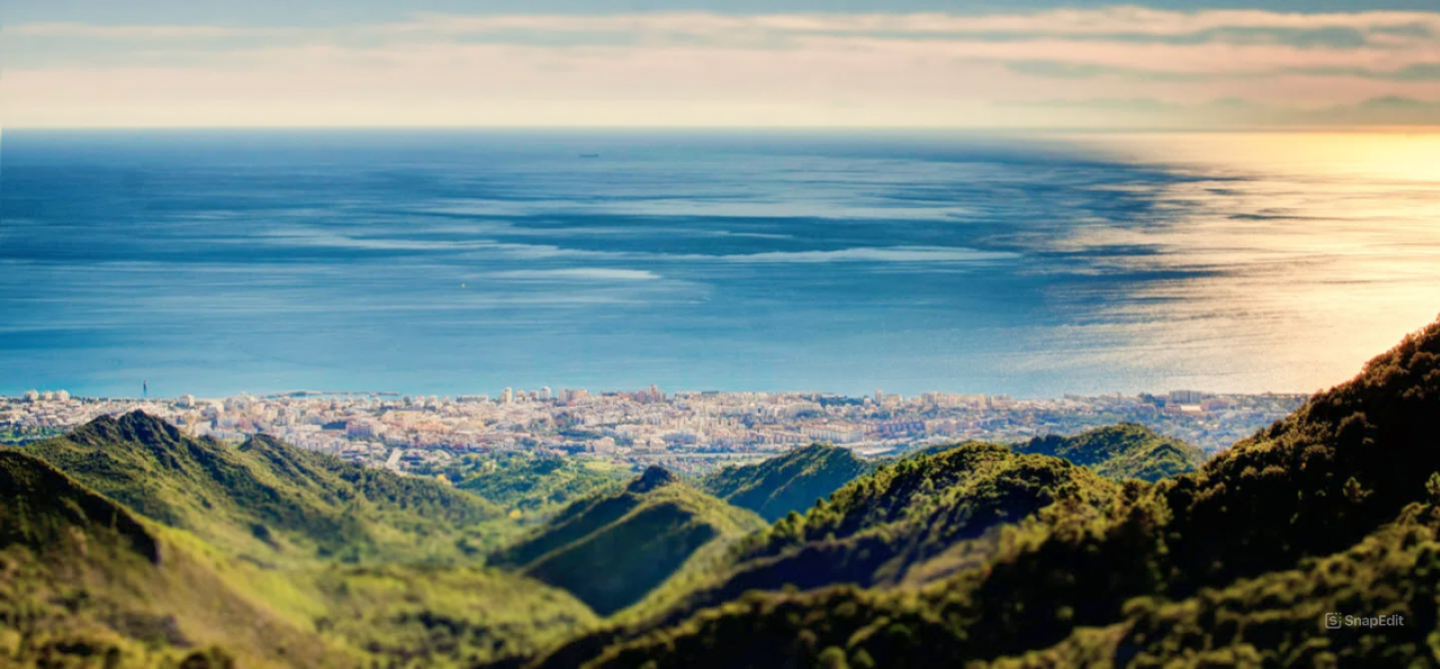
The center is located in a picturesque corner of the renowned resort town of Marbella, surrounded by cedar trees at the foot of La Concha mountain. Here, science and technology blend with nature, creating a space where the body returns to balance and harmony.
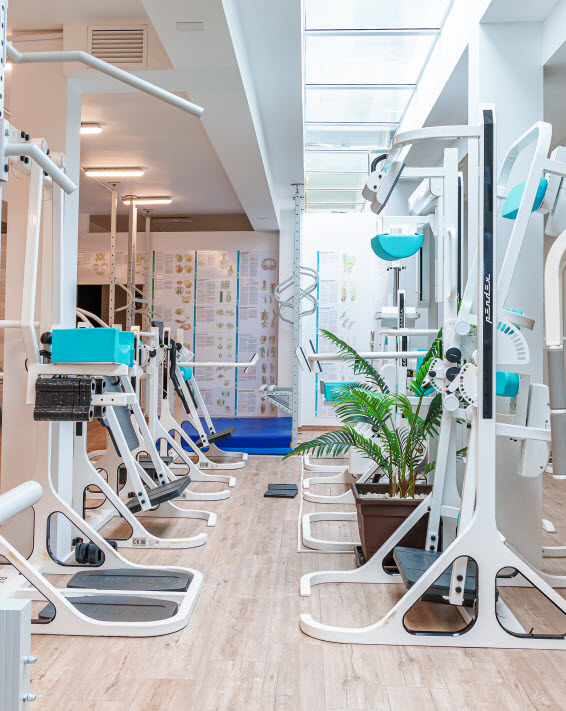
Technologies that deliver results
Select a program
- Early rehabilitation after a stroke
- Rehabilitation in the late recovery period after a stroke
- Recovery from long-term stroke consequences
Q&A
It includes diagnostics, restoration of body functions, sessions with a personal trainer, and medical supervision. Stroke rehabilitation – we can help you choose a hotel – ensures comfortable conditions and medical support throughout the recovery process.
At our center in Spain – through an individual program under medical supervision.
It is individualized and includes body recovery, speech therapy, psychological and emotional support, using proprietary methods and specialized equipment.
A minimum of 30 days. The duration depends on the severity of the condition and progress.
Yes. The reason we achieve stable, meaningful results is that our center uses innovative methods and patented rehabilitation devices. That is why patients come from all over the world.
We accept patients in a stable condition when they no longer need hospital care. We can pick up the patient from the hospital upon discharge and bring them directly to our center (including air transport). On site, there is a hotel fully adapted for people with disabilities and their caregivers.
Yes. After completing rehabilitation at our center, each patient receives a set of exercises to do at home.
Yes, we accept patients of all ages.
The main goal of rehabilitation is to give the person the highest possible quality of life. What does that mean? Being able to make yourself a cup of tea, go outside, walk the dog – in short, doing what you want and being independent. Otherwise, the person depends on caregivers who do everything as best they can and whenever they can. That situation permanently complicates life for everyone involved. That is why rehabilitation after a stroke is so important at any stage.
We can only answer that after receiving the complete medical history and treatment records, all test results, specialist reports, and a short video showing the patient’s current condition.
Yes, rehabilitation is possible even years after a stroke. Professor Blum’s method activates the body’s natural recovery mechanisms and enhances neuroplasticity, helping to restore lost functions and improve quality of life.
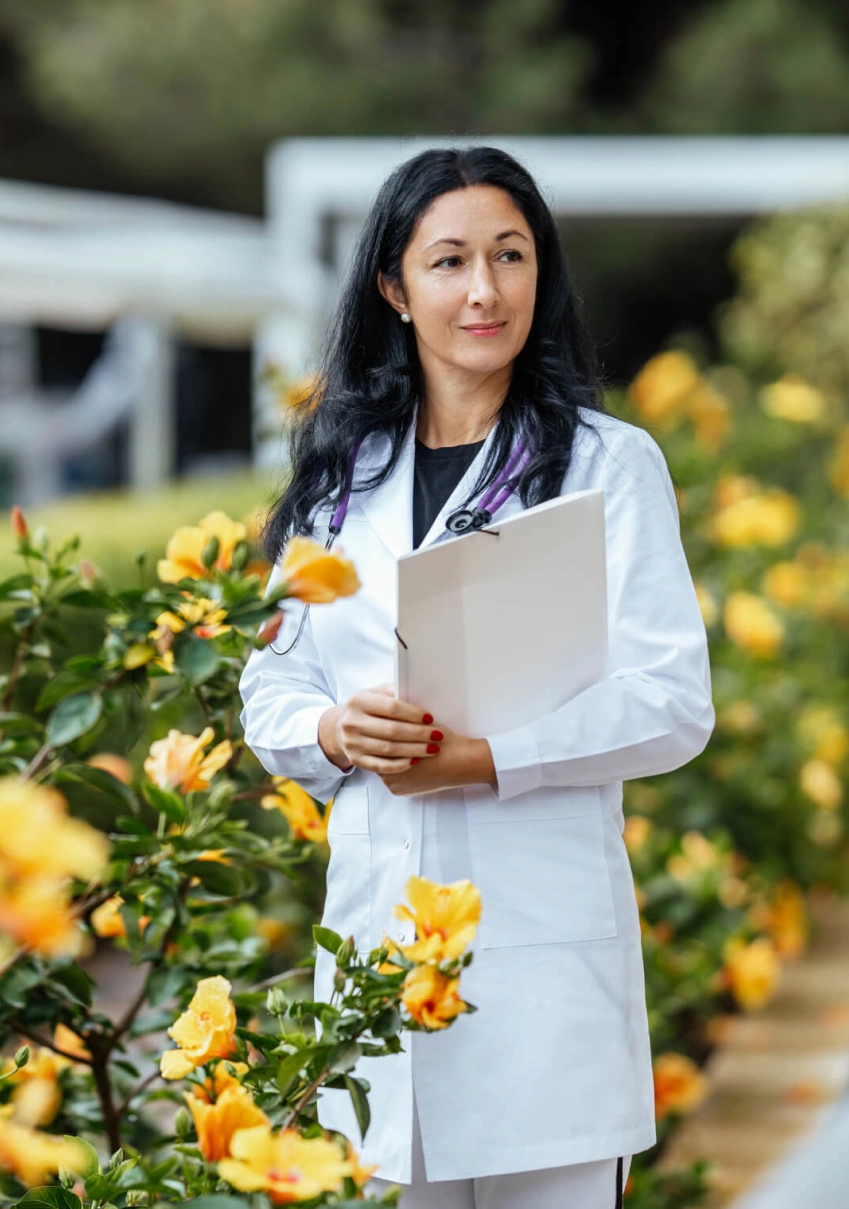
The program is tailored individually, taking into account the extent of damage, overall health, and remaining rehabilitation potential. Recovery proceeds under continuous supervision by our specialists, with precise progress assessment and safe, controlled loads. This approach achieves the best possible results even in cases where standard methods are limited to adaptation to residual functions
In neurology, there is a concept of the “rehabilitation window” – the period during which maximum recovery is possible. After a stroke, this window lasts about a year, after which it “closes.”
The most critical time is the first 3‑4 months of that year. At that point, the patient and family are often overwhelmed, unsure which method or clinic to choose – and time is precious. That is why you should start looking for a rehabilitation clinic while the patient is still in hospital, so you have a clear plan by the time of discharge.
During that time, you can send us the medical history, all test results, and specialist reports. We will analyze everything and prepare a preliminary rehabilitation program. Then, at discharge, you will know exactly where to go, what results to expect, and you won’t waste precious time.
The cost of a course of treatment with a stay in a hotel
- Appointments and consultations
- Creating an individual program
- Conducting personal sessions
- Appointments and consultations
- Creating an individual program
- Conducting personal sessions
Other areas of work of our Center
.webp)