

Advanced Spinal Injury Treatment & Rehabilitation

- a personalized recovery plan after a spinal injury;
- to safely strengthen muscles and restore spinal stability;
- to move without back pain after injury or muscle spasm;
- to regain normal activity and freedom of movement — restoring normal mobility at every stage.

Why Rehabilitation Matters
After surgical intervention and restoration of spinal structural integrity, the next stage begins — post-traumatic spinal recovery. A timely and comprehensive approach accelerates functional restoration, reduces the risk of complications, and helps minimize the consequences of injury.
At Professor Blum's Center, we apply a proprietary method that, through targeted movements and controlled load, promotes restoration of spinal function and normalization of body biomechanics. To develop an individualized spine injury recovery program, our specialists assess the following key parameters:
- Location and extent of damage — cervical, thoracic, lumbar regions, sacrum, coccyx, pelvis; we assess the condition of vertebrae, discs, ligaments, muscles, and spinal nerves. Special attention is given to compression fractures of the spine and cervical spine injury, which can significantly limit mobility and function.
- Nature of spinal cord injury — concussion, contusion, compression, entrapment, partial or complete rupture.
- Level of injury — the higher the affected segment, the broader the range of lost functions.
- Depth of damage — impact on adjacent organs, including the heart, lungs, intestines, and pelvic organs.
- Secondary complications — consequences of surgeries, prolonged immobilization, or bed rest, which may complicate recovery.
This comprehensive assessment forms the foundation of our Treatment of Vertebral and Spinal Trauma approach.
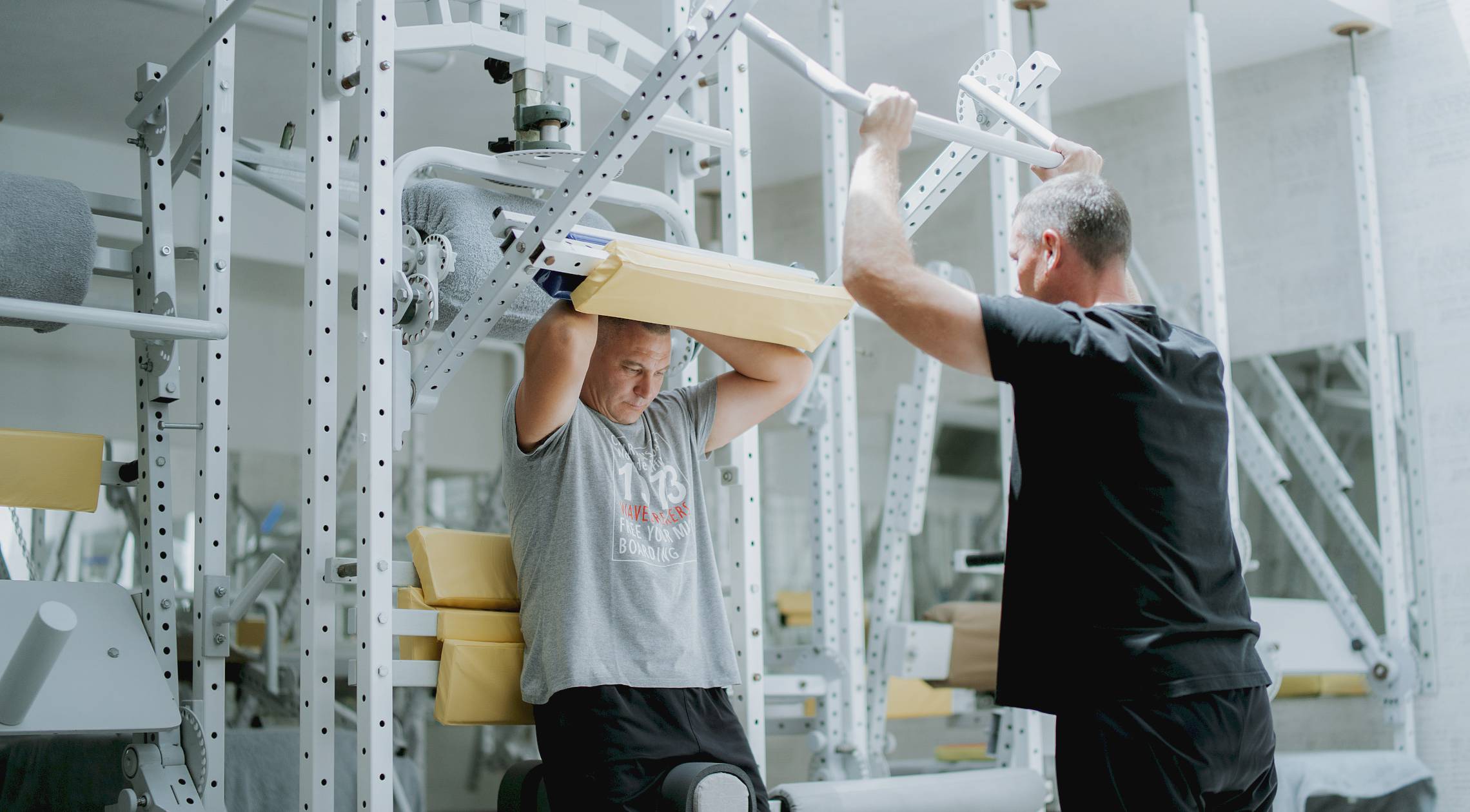
Based on a comprehensive assessment of the patient's condition, we develop an individualized program that includes early rehabilitation, restorative therapy, and therapeutic exercise for spinal injuries. This approach enables step-by-step restoration of spinal function, improved mobility, and core muscle strengthening — ensuring a stable foundation for recovery.
Who This Program Is For
Our program is designed for patients dealing with the consequences of spinal and back injuries:
- Individuals with back pain after injury or persistent muscle spasm, experiencing discomfort during movement and daily activities.
- Patients with limited mobility after spine trauma, facing difficulty with bending, turning, or performing routine actions.
- Those who experience spinal muscle weakness and spinal instability, needing to strengthen their core musculature.
- Patients with gait disturbance and coordination issues, as well as numbness in extremities, caused by spinal cord or nerve structure damage.
- Anyone in need of comprehensive rehabilitation after back injuries to restore function, improve mobility, and return to an active life.
What Types of Spinal Injuries We Treat
The main issues patients come to our Center with can be divided into 6 groups:
- Compression fractures of the spine
- Multiple spinal fractures
- Lumbar spine injury
- Fracture, fracture-dislocation, vertebral displacement
- Fracture, fracture-dislocation, vertebral dislocation
- Osteoporotic vertebral body fractures leading to spinal instability
The Author's Method
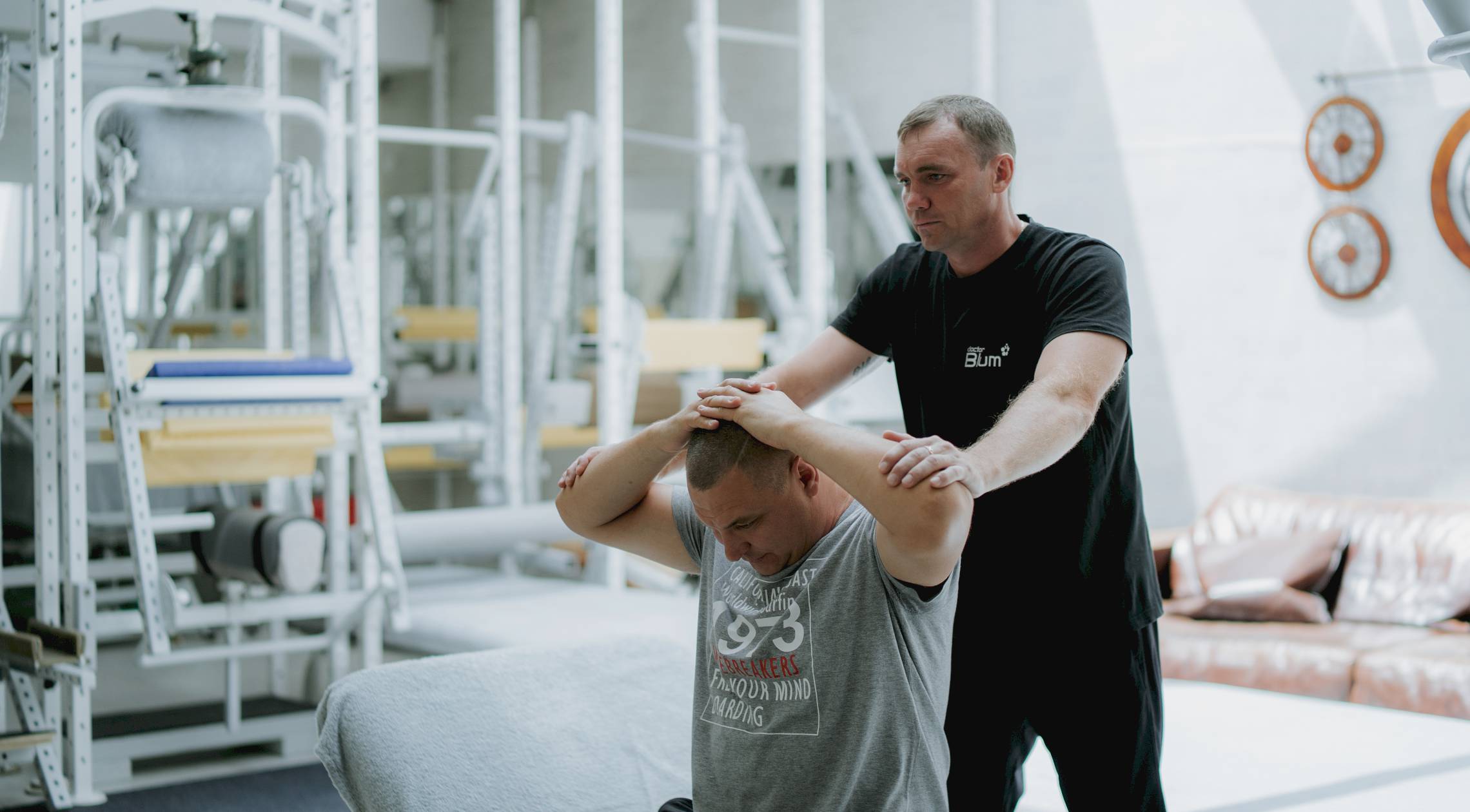
Professor Blum's proprietary rehabilitation strategy is built on the sequential restoration of body functions after injury. First, anatomical and morphological tissue integrity, blood supply, and innervation are restored; then energy supply; and only after that — functions. This approach ensures the most effective rehabilitation after spinal fracture and a fundamental return of lost skills.
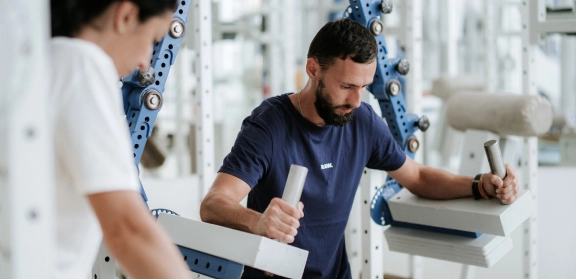
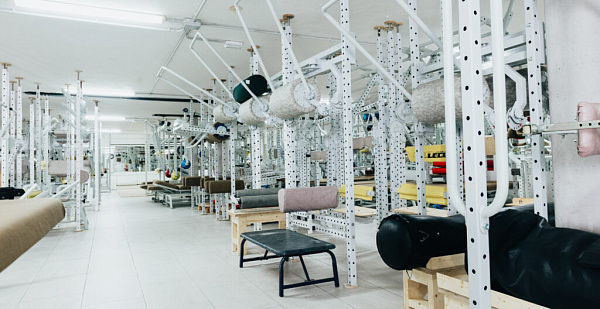
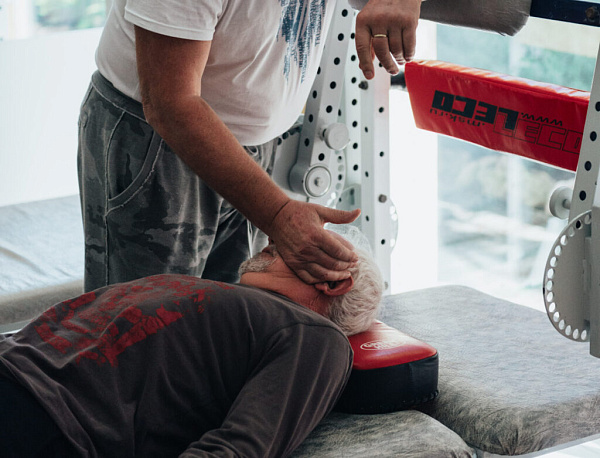
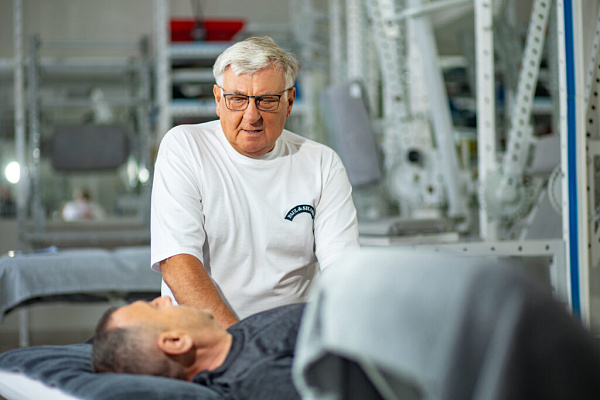
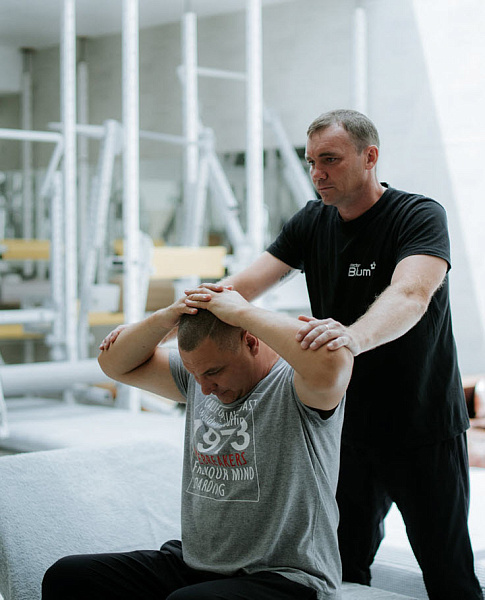
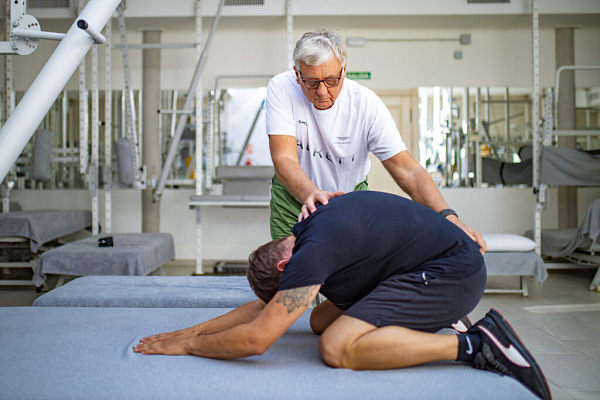
The program includes spinal neurorehabilitation, which helps restore coordinated function of the spinal cord, core musculature, and improve neuromuscular connections. For each patient, we develop an individualized spinal fracture rehabilitation program using proprietary techniques, therapeutic exercise for spinal injuries, kinesiotherapy, and specialized rehabilitation modules and exercise machines that are unmatched in their design. They provide selective impact on affected spinal segments, improving blood supply and microcirculation, and create all the conditions for complete healing and restoration of damaged tissues. Controlled targeted load allows for gradual and confident pain and spasm relief while restoring normal mobility.
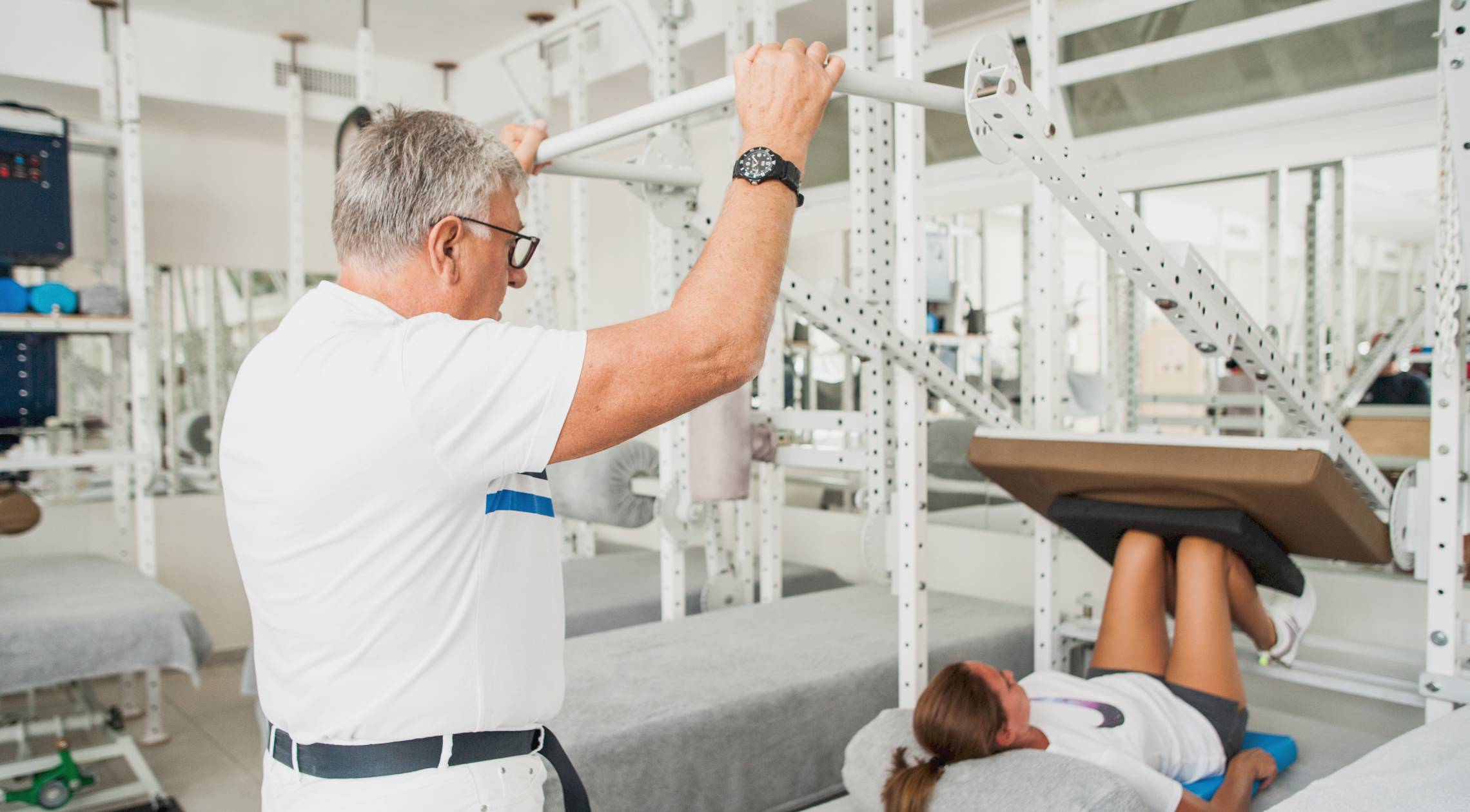
Special attention is given to spinal stabilization and strengthening of deep muscles. Stages of rehabilitation are structured according to the principle of early rehabilitation, with gradual increase in load, constant progress monitoring, and program adjustments. In parallel, methods aimed at pain and spasm relief and accelerating regenerative processes in damaged and adjacent organs are applied.
Consistent completion of all stages of rehabilitation allows not only to restore mobility and restoration of spinal function, but also to improve overall movement coordination, restore normal gait, and reduce the overall consequences of injury for the body.
-
Maximizing restoration of spinal function, including control of the core musculature and ligament-capsular apparatus.
-
Strengthening deep muscle groups, discs, and structures that stabilize the spine to ensure spinal stabilization and protection against re-injury.
-
Restoring normal mobility, strength, and flexibility of the spine for daily movements and physical activity.
-
Restoration of internal organ function — heart, lungs, intestines, pelvic organs — disrupted as a result of injury or immobility.
-
Elimination of injury complications: pain, spinal instability, deformities, secondary muscle paralysis, contractures, atrophy, and spasticity.
-
Correction of consequences of physical inactivity and restoration of muscle volume and tone for normal functional activity.
Objectives of the program
-
Restoration of Tissue StructureRestoration of anatomical and biomechanical integrity of the injured area, activation of metabolic processes in vertebrae, discs, ligaments, capsules, spinal cord and its membranes, along with pain and spasm relief — a key component of effective vertebral and spinal trauma therapy.
-
Restoration of the Muscle CorsetFormation and strengthening of deep back muscles, core muscle strengthening, restoration of damaged neurodynamic connections of the spinal cord for spinal stabilization — ensuring long-term stability and protection against re-injury as part of a comprehensive spine injury recovery program.
-
Restoration of Lost Motor FunctionsStep‑by‑step restoration of motor skills: from crawling to independent sitting and standing, movement with and without support, followed by gait rehabilitation and coordination training — the final stage of post-traumatic spinal recovery and a return to independent mobility.
Patient stories
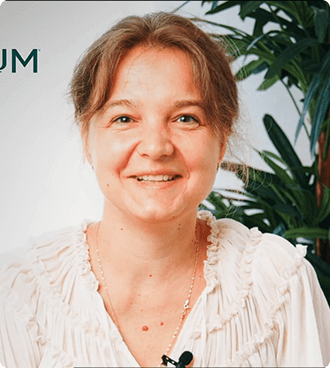
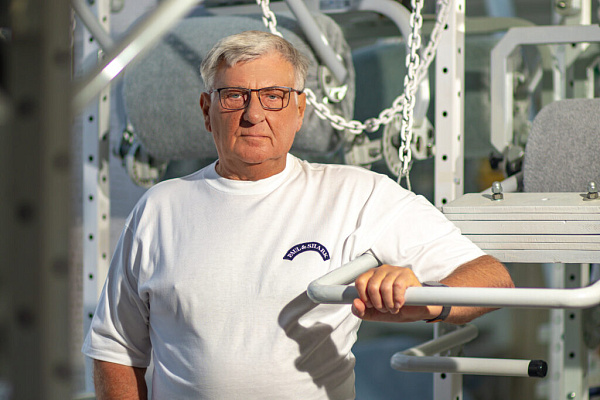
Twenty-three years ago, the parents of a girl named Alexandra came to our Centre. She had fallen from a 10-metre-high ski lift. Five vertebrae were broken, she did not feel her legs, and at 17, she found herself bedridden. No surgeon dared to operate on her because all the spinal fractures were very complex: two had bone fragments in the spinal cord column, two were completely shattered, and the fifth was detached from the sacrum. Professor Blum took control of her treatment. After three weeks of sessions at the Centre, Alexandra was able to stand. Within two months, she began to walk, and gradually resumed running, jumping, and doing everything an ordinary person could. Today, Alexandra lives in Austria with her family, has three children, and teaches at the University of Music and Performing Arts Vienna.

Professor Blum’s Exclusive Rehabilitation System

The center is located in a picturesque corner of the renowned resort town of Marbella, surrounded by cedar trees at the foot of La Concha mountain. Here, science and technology blend with nature, creating a space where the body returns to balance and harmony.
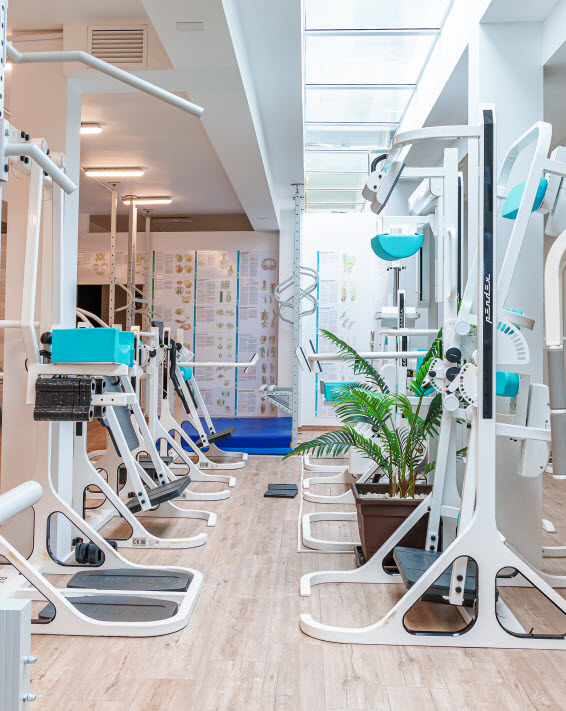
Technologies that deliver results

Select a program
- After spinal fractures
- In case of spinal cord and nerve plexus injuries
- After pelvic fractures and contusions
- After spinal surgeries
- In cases of spinal fractures due to osteoporosis
Q&A
The exact duration and treatment plan are determined by the physician during the consultation, after assessing the severity of the injury and setting recovery goals. This approach allows us to design an optimal treatment for vertebral and spinal trauma course that takes into account all the patient's needs and capabilities.
The duration depends on the severity of the injury, the location of the damage, and the patient's overall condition. Typically, a rehabilitation course lasts several weeks or months, but in cases of complex fractures or spinal contusion, the course may be longer — from several weeks to several months. The earlier rehabilitation begins, the more effective the post-traumatic spinal recovery.
Rehabilitation at Professor Blum's Center follows clearly structured stages of rehabilitation that take into account the nature of the injury, the level of trauma, and the patient's condition.
- Specialist consultation.
An online consultation with a rehabilitation physician includes a review of medical history, complaints, and previous treatment results. If necessary, additional diagnostics are prescribed and the recovery plan is refined. - Development of an individualized program.
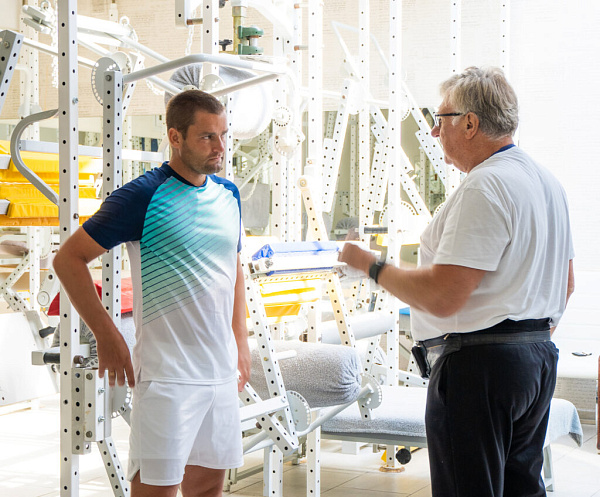
During an in-person meeting with Professor Blum, a physical examination and biomechanical testing are conducted. Key problems and priorities are identified, after which a comprehensive program is developed aimed at restoring normal mobility and reducing muscle spasm — this is the essence of an effective spine injury recovery program. - Comprehensive rehabilitation sessions: exercises and therapy.
The patient performs exercises and procedures according to the program, which includes proprietary methods, therapeutic exercise for spinal injuries, and physical therapy. The primary goal is core muscle strengthening, correction of spinal muscle weakness, and restoration of spinal function. During the sessions, the physician assesses progress and adjusts the plan as needed. - Completion of the course.
At the end of the course, the patient receives recommendations and a home exercise set to maintain restoration of spinal function and normalize gait rehabilitation.
Yes, we organize transportation from any clinic. Before the patient's arrival, family members can visit the clinic, meet with Professor Blum, discuss the rehabilitation program, and ask any questions to best prepare for the patient's transfer from the hospital directly to us.
Yes, even in the late recovery period, Professor Blum's method shows positive results. The effectiveness depends on the complexity of the injury, the patient's overall condition, and previous treatment. For an accurate assessment of potential progress, schedule a consultation with our Center's physician.
The most effective period for rehabilitation is the first 3–6 months after the injury. During this "rehabilitation window," the nervous system has significant recovery reserves that should be maximally utilized. This is why we emphasize early rehabilitation in our approach.
The cost of a course of treatment with a stay in a hotel
- Appointments and consultations
- Creating an individual program
- Conducting personal sessions
- Appointments and consultations
- Creating an individual program
- Conducting personal sessions
Other areas of work of our Center
.webp)