

Musculoskeletal Disorders Rehabilitation
- Diagnose and eliminate the underlying cause
- Precision work on damaged areas
- Restore function through proper movement and biomechanics
- Adjust your treatment plan as you progress

Author’s Method
The musculoskeletal system consists of bones, ligaments, tendons, cartilage, muscles, fascia, as well as the blood vessels, lymphatics, and nerves that support them. Disruptions in any of these structures can lead to serious problems, which can only be resolved by eliminating the root cause. This is the essence of musculoskeletal disorders rehabilitation.
One of the key advantages of treating musculoskeletal disorders at Professor Blum’s Center is our patented diagnostic system. It identifies the root cause, as well as the mechanism and extent of pathological changes in each of the following macro‑blocks:
- Tissue architecture disruption
- Abnormal position of the affected segment or organ
- Impaired blood supply, venous outflow, and lymph circulation
- Impaired neurotrophy and neurodynamics
- Reduced energy supply to the affected segment or organ
- Functional impairment
Once the body stops growing (around age 20), secondary processes of tissue formation and remodeling continue. These can be effectively supported using the author’s approaches to orthopedic rehabilitation and restorative therapy according to Professor Blum’s method, which helps manage the body’s natural processes of renewal, integration, and healing. To achieve this, we create a number of necessary conditions:
- External physical stimulation that supplies additional energy through biomechanical fascial‑muscular‑joint interfaces.
- Precisely targeted eccentric and fascial‑muscular stimulation to weak biomechanical links in the musculoskeletal system, optimizing postural, muscular‑joint, and fascial‑ligamentous‑capsular balance.
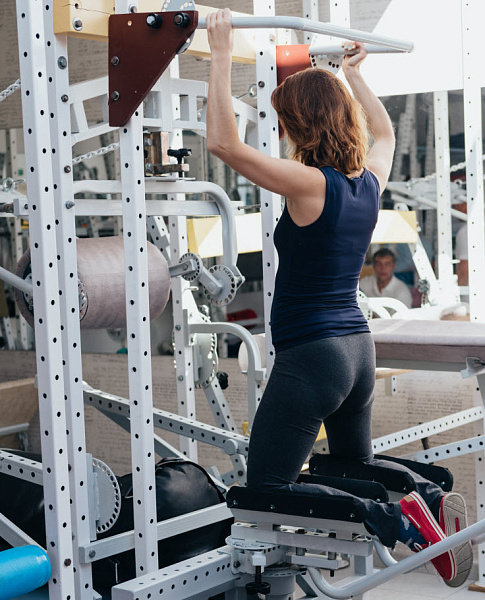
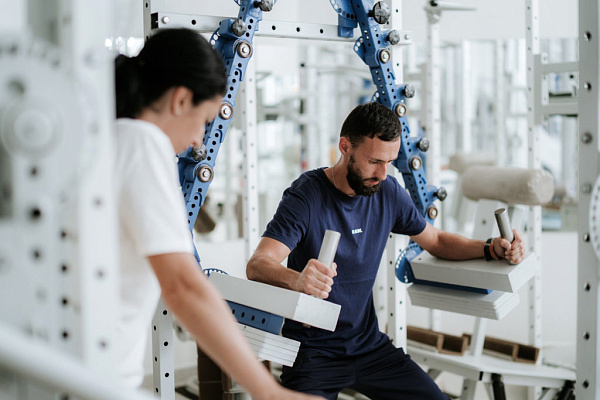
- A specialized training environment that triggers a wave‑like biomechanical process to improve biomechanics, restore joint mobility, strength, and endurance of the whole body.
- We plan and apply load only to the weak links in the reciprocal biomechanical chain, avoiding any overload. As soon as the first positive results appear, the program is adjusted – a process of continuous improvement.
- The body’s natural mechanisms of tissue remodeling and regeneration are activated, and age‑related degenerative changes slow down.
Professor Blum’s rehabilitation strategy is based on restoring function by optimizing all of the body’s macro‑blocks. This allows our patients not to limit themselves to merely relieving symptoms, but to achieve the best possible result and fundamentally restore lost functions. This is what rehabilitation after musculoskeletal disorders looks like in practice.
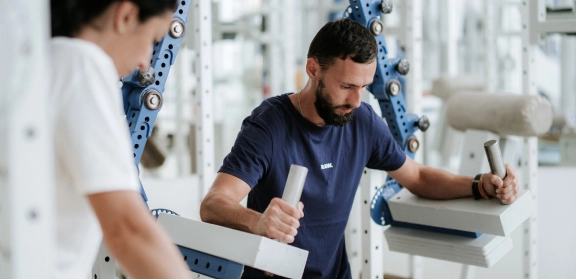
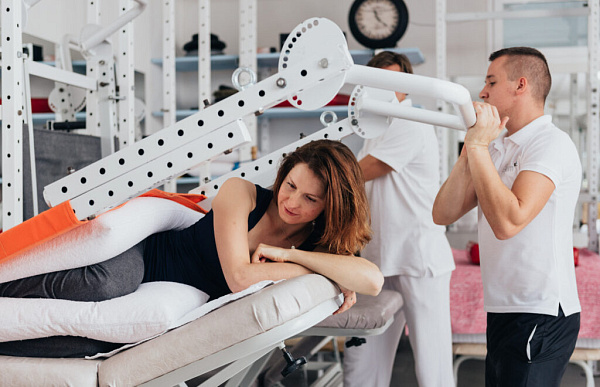
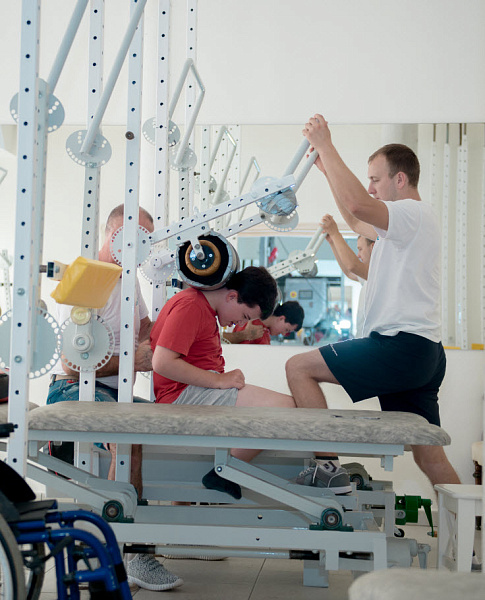
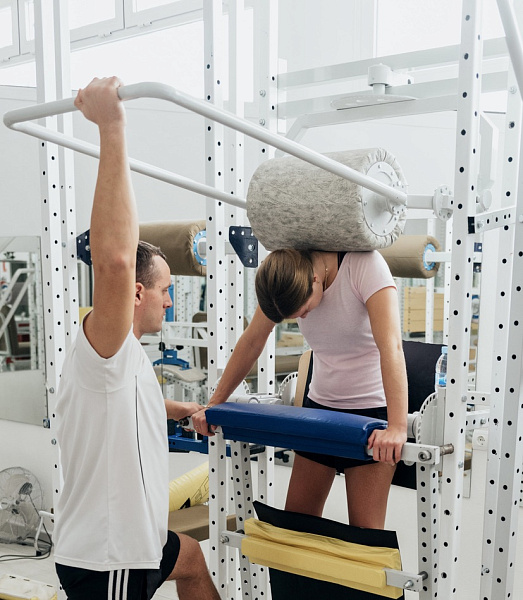
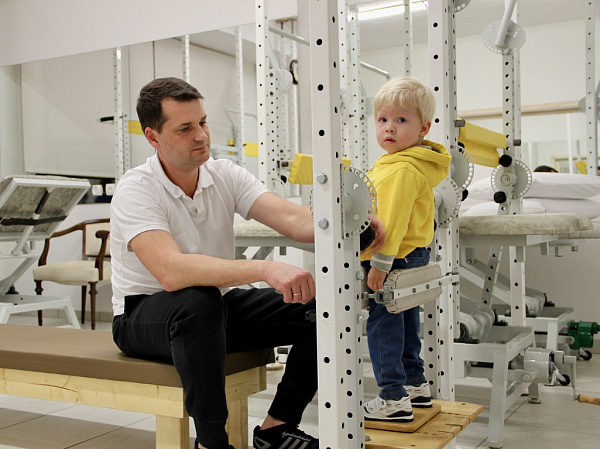
The Center uses unique training modules and rehabilitation devices. They provide targeted stimulation to specific areas of the musculoskeletal system, creating optimal conditions for complete restoration of movement.
Controlled, precisely targeted loading gradually and confidently eliminates pain and restores movement in the joints. For each patient, a comprehensive individual program is developed and implemented under the personal supervision of Professor Blum.
The method includes more than 1,000 approaches and techniques – such as mechanotherapy, physiotherapy, and massage – allowing us to address patient problems related to musculoskeletal disorders as effectively as possible.
We specialize in rehabilitation after musculoskeletal injuries, using these techniques to speed up recovery.
Who Is This Program For?
Our programs at Professor Blum’s Center are for patients who need comprehensive, evidence‑based musculoskeletal disorders rehabilitation to restore lost function and healthy movement patterns.
We help:
- Patients recovering from joint surgery (joint replacement, arthroscopy, or corrective procedures) – not just to relieve pain, but to regain mobility, stability, and strength.
- Patients needing rehabilitation after spine surgery – for issues like herniated discs, stenosis, deformities, or instability – to restore stability, coordination, and smooth movement.
- Those recovering from back injuries – including contusions, strains, compression fractures, and chronic pain after trauma – often with limited mobility and poor posture.
- Patients with chronic pain, functional limitations, or long‑term effects of injuries and surgeries – especially when standard treatments haven’t worked.
- Adults and teens recovering from sports injuries, overuse, or extended immobility.
- People who want more than symptom relief – to restore proper body mechanics and prevent future injuries.
Rehabilitation is personalized. Our goal is to help you return to an active, full life with lasting results and long‑term musculoskeletal health.
What musculoskeletal conditions do we treat:
- Musculoskeletal deformities: scoliosis, kyphosis, hyperlordosis, chest wall deformities, postural disorders, neck hump, knock‑knees, bowlegs, valgus and varus foot deformities, flat feet.
- Degenerative diseases of the spine and joints: osteochondrosis, spondylosis, osteoporosis, coxarthrosis, herniated or protruded discs, spinal canal stenosis, connective tissue dysplasia.
- Inflammatory diseases: rheumatoid arthritis, polyarthritis, osteomyelitis, spondyloarthritis, ankylosing spondylitis (Bechterew’s disease), arthritis, and arthrosis.
- Congenital or hereditary conditions: cerebral palsy, congenital hip dislocation, Erb’s palsy, bone shortening or underdevelopment, clubfoot, joint dysplasia, bone and joint deformities, torticollis, arthrogryposis, intrauterine and birth injuries.
- Trauma and its consequences: recurrent dislocation or subluxation, ankylosis, post‑traumatic arthritis, non‑union of spinal or joint fractures, osteoarthritis, synovitis, neuritis.
It is important to start rehabilitation after musculoskeletal injuries as soon as the patient’s condition is stable and acute symptoms have subsided.
Recovery after spinal and joint injuries, including recovery after fractures, focuses on relieving pain, restoring mobility, correcting deformities and inflammation, and normalizing natural movement patterns – helping the body work as a coordinated whole.
-
Relief of pain syndrome
-
Maximum restoration of musculoskeletal function
-
Restoration of mobility and physiological range of motion
-
Restoration of damaged shape and geometry
-
Elimination of displacements and deformities
-
Prevention of musculoskeletal disorders and diseases
Objectives of the program
-
Eliminate painBy improving blood flow and microcirculation, activating tissue healing and regeneration, reducing swelling and inflammation.
-
Restore tissue architectureRegain its anatomical and biomechanical integrity, activate metabolic processes in bones, ligaments, discs, muscles, menisci, capsules, and tendons.
-
Restore body geometryCorrect deformities, displacements, and asymmetries; improve posture, range of motion, strength, mobility, and stability of musculoskeletal segments.
-
Return to a full lifeRestore movement so the person can live without restrictions.
Professor Blum’s method allows for the management of natural processes of renewal, integration, and healing that constantly occur in the body.
Patient stories
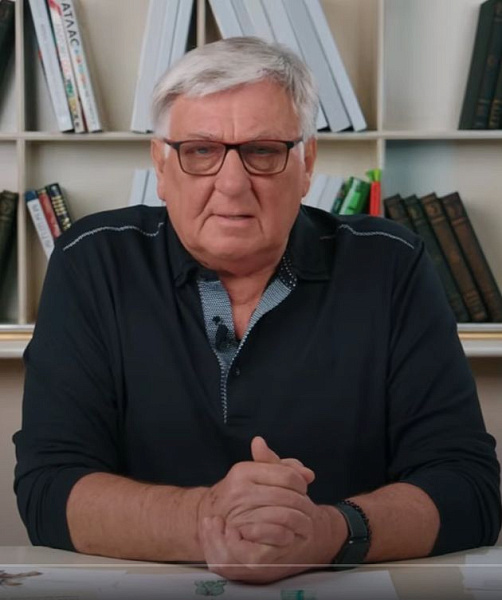
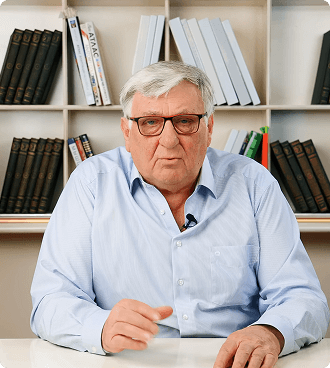
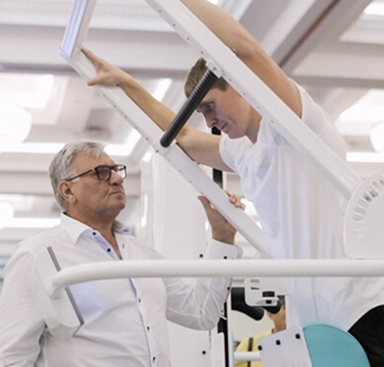
Principles of treating ankylosing spondylitis — a chronic inflammatory disease of the spine and joints with progressive movement restriction. Modern medicine considers it incurable, but Professor Blum's method significantly improves the quality of life and helps manage symptoms.
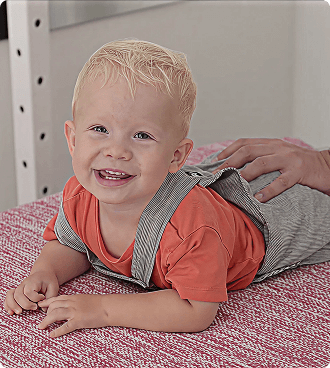
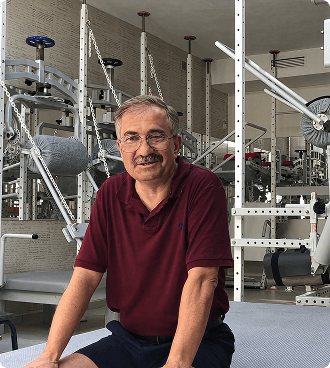
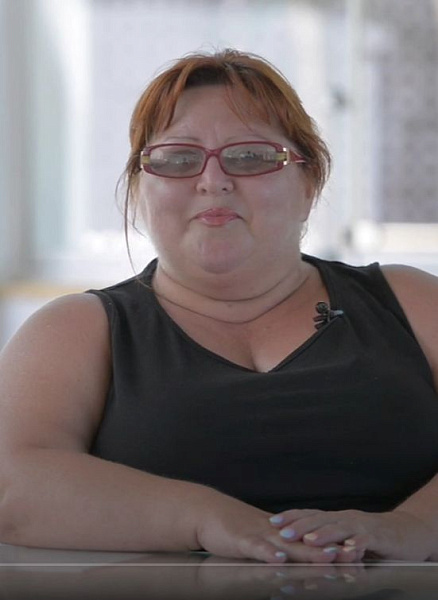
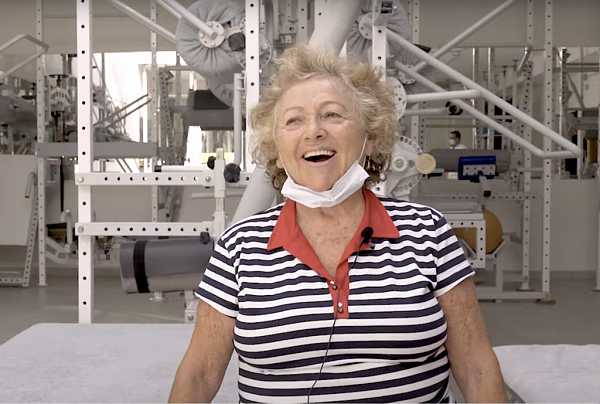
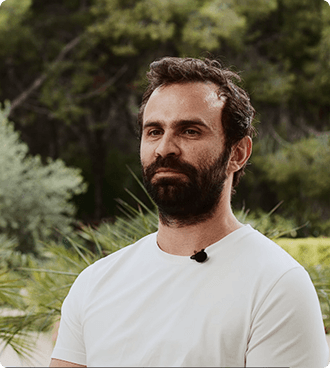
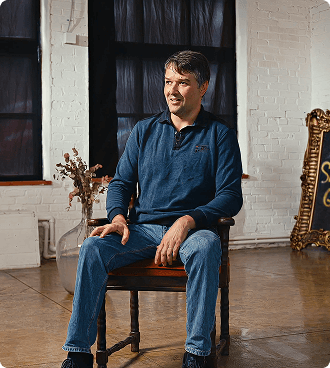
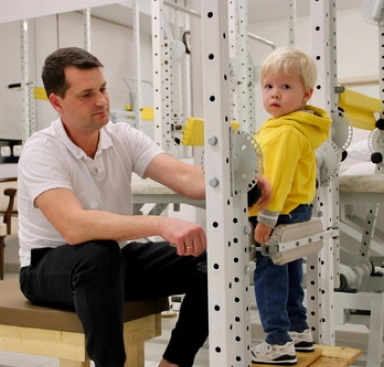
Roman was diagnosed with cerebral palsy, right-sided hemiparesis, at the age of 3. He visited many doctors and tried numerous treatments. He came to Professor Blum at the age of 19 with obvious issues on the right side of his body – no mobility in his right arm and foot. After the first session, he was able to pull his foot towards himself and regained some mobility. Inspired by the examples of others who significantly improved even in severe cases, Roman trained from morning until the clinic closed. As a result of the treatment, Roman not only walks and writes with his right hand but also drives a manual transmission car. He has a profession, a family, and two daughters.
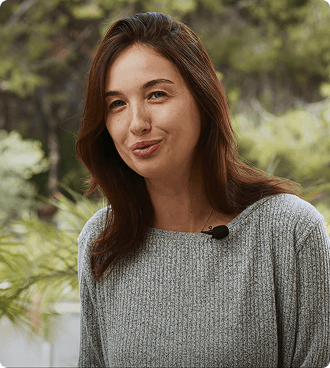
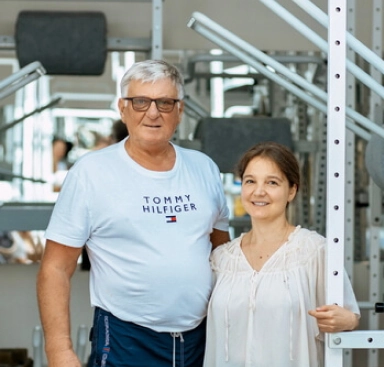
After just one week at the clinic, the patient noticed significant changes in her appearance and, most importantly, her well-being.
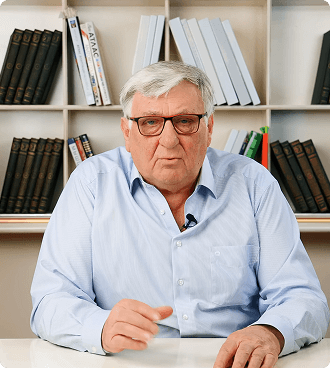
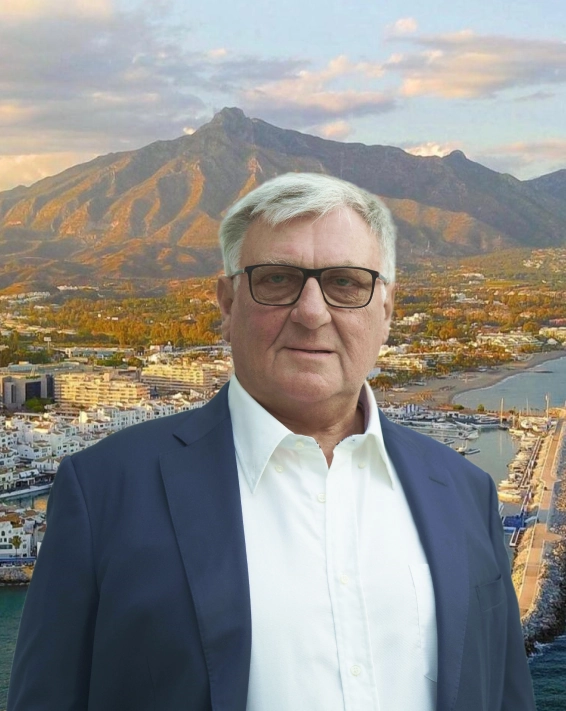
Professor Blum’s Exclusive Rehabilitation System

The center is located in a picturesque corner of the renowned resort town of Marbella, surrounded by cedar trees at the foot of La Concha mountain. Here, science and technology blend with nature, creating a space where the body returns to balance and harmony.
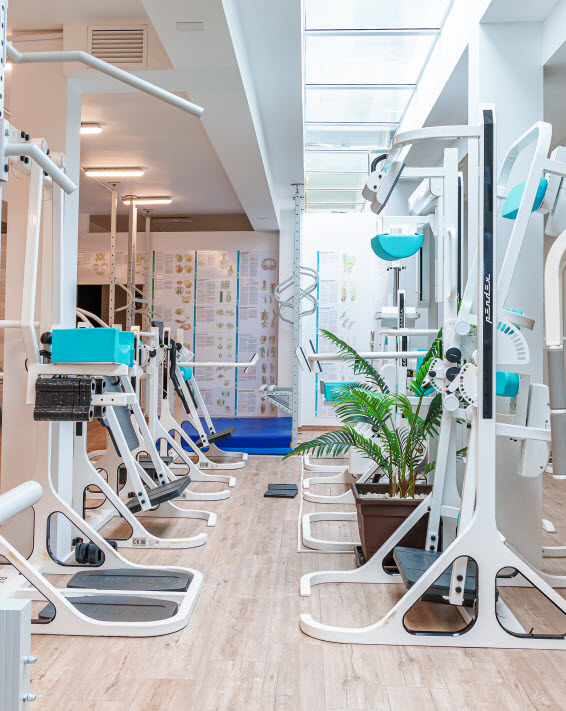
Technologies that deliver results
Select a program
- Inflammatory diseases of the locomotor system
- Degenerative-dystrophic disorders
- Deformations, misalignments, asymmetries - scoliosis, kyphosis, lordosis
- Congenital disorders, consequences of birth injuries
Q&A
Yes. Our rehabilitation programs are used not only for treatment but also for prevention. Restoring proper body geometry, muscle‑joint balance, and segmental stability helps reduce the risk of injuries, overuse, and the progression of degenerative changes. This is an important part of rehabilitation after musculoskeletal disorders.
Absolutely. Professor Blum’s method is highly effective for chronic pain syndromes. The therapy focuses on restoring normal biomechanics, eliminating functional blocks, and activating natural healing mechanisms – which reduces pain and improves quality of life even in long‑standing conditions. This approach is a key component of musculoskeletal disorders rehabilitation.
Recovery time depends on the type of injury, the patient’s age, other health conditions, and the level of functional impairment. Some positive changes may appear early, but for lasting results, rehabilitation is carried out in stages with regular adjustments to the program.
Our post‑surgical rehabilitation combines mechanotherapy, therapeutic exercise, and physiotherapy. We use unique rehabilitation devices that provide targeted stimulation to weak biomechanical links – accelerating healing, restoring segmental stability, and returning natural movement ranges without overload. These techniques are part of our musculoskeletal disorders rehabilitation approach.
Recovery after an injury includes staged rehabilitation with precisely controlled, dosed loads. The program is tailored to the type of injury, tissue condition, and functional limitations. We use mechanotherapy, therapeutic exercise, and physiotherapy to restore physiological mobility, normalize neuromuscular control, reduce pain, and prevent chronic functional or degenerative disorders. This is what rehabilitation after musculoskeletal injuries looks like in practice.
Treatment begins with an in‑depth proprietary diagnostic system that identifies the root cause of the problem and the extent of changes in each macro‑block of the body. Based on these findings, we create a personalized rehabilitation program focused on restoring function, normalizing biomechanics, eliminating pain, and gradually returning mobility. The main focus is not on symptoms but on restoring the integrated work of the musculoskeletal system.
The cost of a course of treatment with a stay in a hotel
- Appointments and consultations
- Creating an individual program
- Conducting personal sessions
- Appointments and consultations
- Creating an individual program
- Conducting personal sessions
Other areas of work of our Center
.webp)