

Bone and Joint Injury Treatment

- Restoration of joint and tissue architecture using Professor Blum's proprietary method
- Dosed loading on damaged joints — without overloads or complications
- Restoration of the neuromuscular circuit and correct range of motion
- Long-lasting results that persist after the course is completed

Why Rehabilitation Matters
After a joint injury, it is not enough to simply relieve pain — it is essential to restore full limb function. Treatment of fractures and joint injuries is aimed at restoring joint structure and function, strengthening muscles and ligaments, returning range of motion, and preventing complications.
Timely restoring joint mobility after injury is especially important in cases of bone fractures and joint dislocations, when stability and mobility are compromised. A comprehensive program takes into account the condition of the ligamentous apparatus and articular cartilage, allowing patients to gradually regain control over movement and restore coordination.
This approach not only ensures limb function recovery and mobility, but also reduces the risk of re-injury, accelerates the return to normal activity, and improves quality of life — making it a cornerstone of effective post-traumatic orthopedic rehabilitation.
Who Is This Program For?
The program is designed for patients:
- after bone fractures and complex intra-articular injuries that require professional recovery after fracture under specialist supervision;
- experiencing joint stiffness or limited mobility that interferes with full activity;
- with pain during movement or joint swelling after injury, contusion, or surgery;
- with consequences of surgeries and joint replacements, including manifestations of post-traumatic arthritis;
- after prolonged immobilization, when it is necessary to restore function and movement coordination;
- of any age — from children to elderly patients, for whom safe and effective rehabilitation after bone and joint injuries is essential for restoring joint function and limb function recovery.
Our fracture and joint injury therapy approach is tailored to each patient's specific condition and recovery goals.
Personalized Rehabilitation Programs: The Blum Method
Professor Blum's proprietary rehabilitation strategy is built on the principles of integrative medicine — at the intersection of biology, mechanics, and physics. The bone and joint recovery program allows for the treatment of joint injuries, restoration of tissue architecture and joint geometry, and optimization of blood supply, innervation, and synovial fluid production. This ensures limb function recovery and a return to an active life without limitations.
Post-fracture joint rehabilitation at the Center is delivered through a comprehensive set of restorative therapy approaches, including:
- Early rehabilitation to minimize complications and accelerate recovery
- Therapeutic exercise after joint injuries to restore mobility and strength
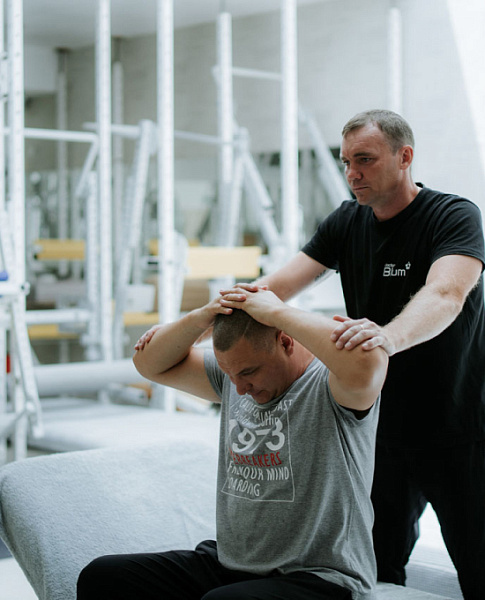
- Proprietary techniques to improve blood flow and neuromuscular coordination, and to eliminate spasms, scar tissue, and movement restrictions
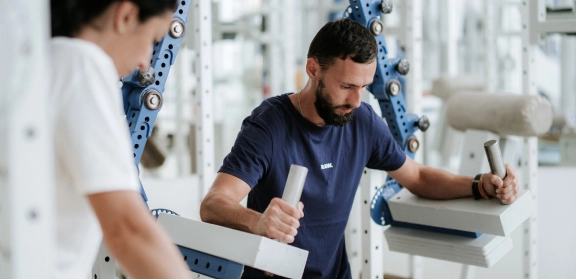
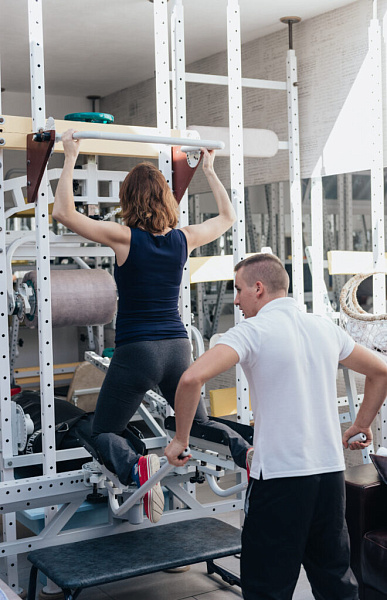
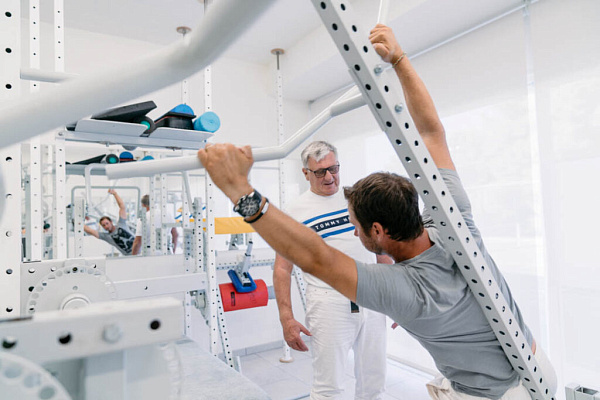
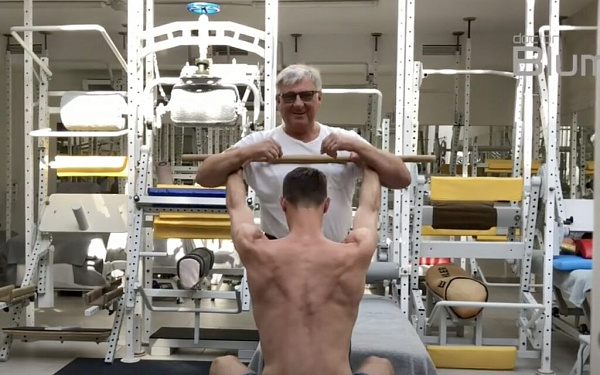
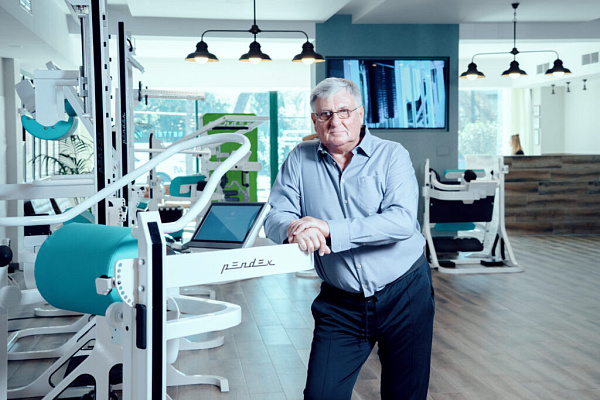
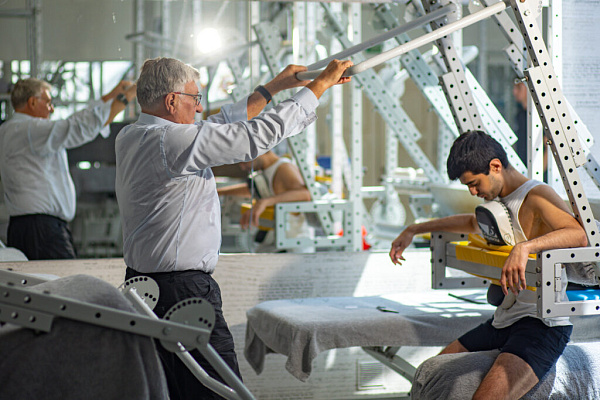
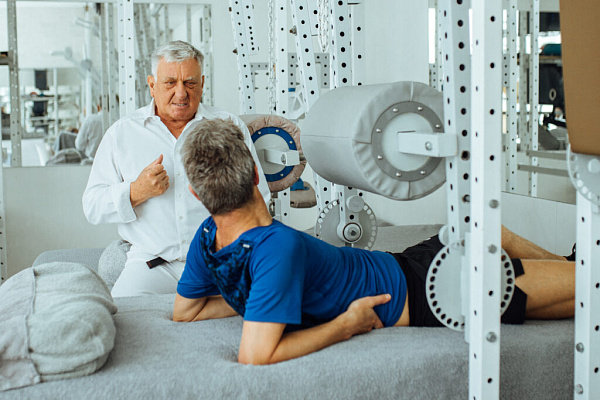
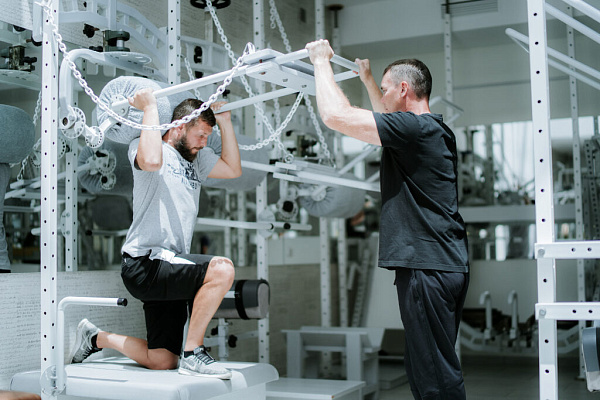
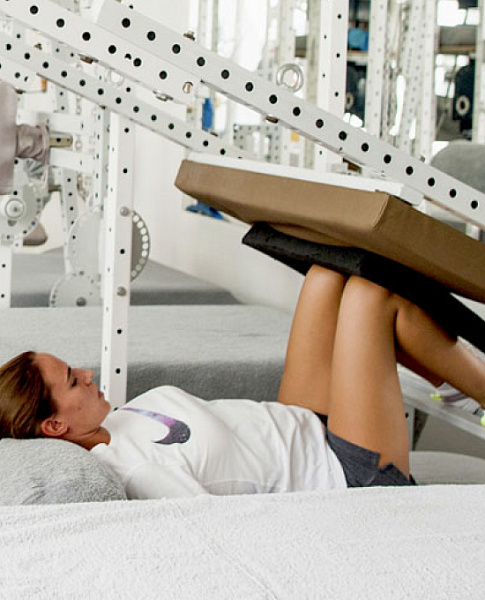
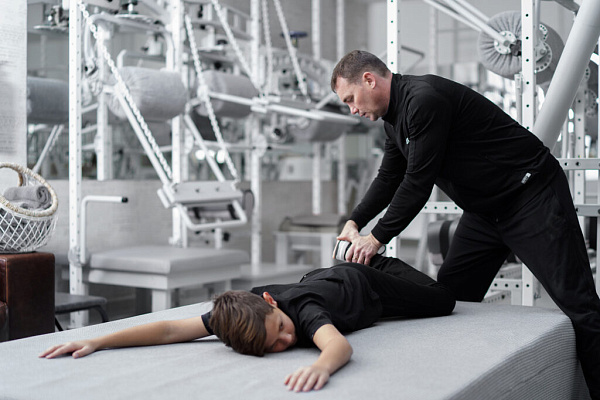
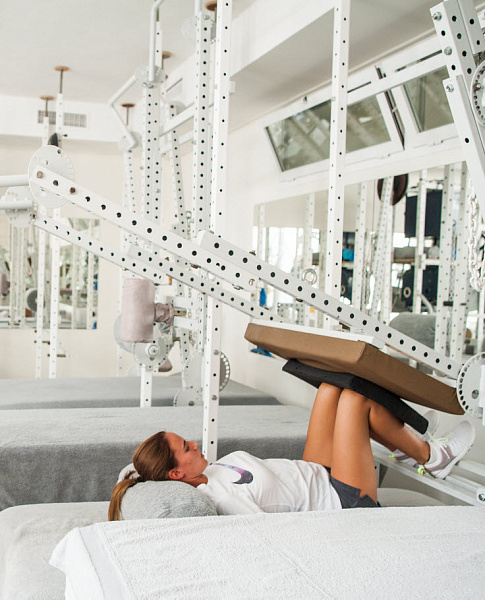
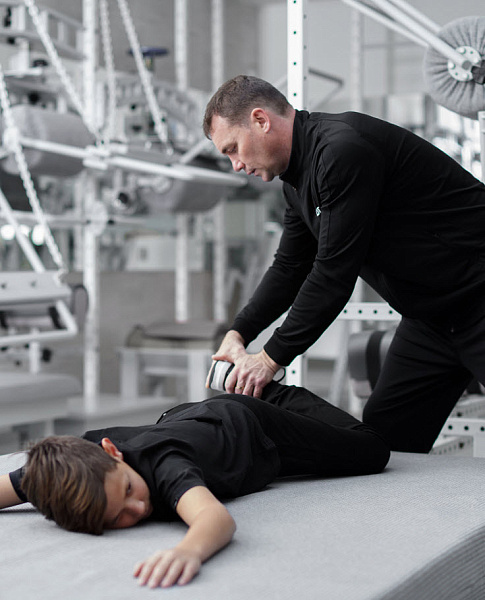
For each patient, a comprehensive individualized program is developed and implemented under the direct supervision of Professor Blum. The rehabilitation modules and exercise machines used are unmatched: they provide selective, dosed impact on injured joints and tissues, eliminating overload and accelerating functional recovery — making this a true post-traumatic orthopedic rehabilitation approach.
What We Treat: Types of Bone and Joint Injuries
The Center provides rehabilitative treatment and post-traumatic orthopedic rehabilitation for the following bone and joint injuries:
- Complex fractures, including intra-articular and combined injuries
- Joint dislocations with nerve damage, recurrent dislocations, and subluxations
- Joint contusions with injury to the joint capsule and articular cartilage damage
- Post-surgical and joint replacement conditions
- Trauma sequelae: scars, tissue proliferation, bone cracks, and non-healing fractures
- Post-traumatic complications, including joint instability and other post-traumatic changes
The goal of the program is the integrative recovery of the entire body. The first stage is focused on the fundamental restoration of injured limb function; the second, on eliminating the consequences of the injury; the third, on preventing complications after surgery and prolonged immobilization.
For precise treatment planning, we consider: the volume of damaged tissue, the severity and age of the injury, the consequences of previous surgeries, the condition of adjacent organs and tissues, as well as the body's overall energy reserve — age, chronic conditions, and previous injuries.
-
Ensure restoring joint mobility, gradually returning functional capacity to the limb.
-
Achieve full range of motion recovery, restoring natural freedom of movement.
-
Improve muscle strength, coordination, and balance to ensure joint stability and protection.
-
Restore deep sensation and proprioception, enhancing movement control.
-
Eliminate trauma sequelae — adhesions, contractures, deformities, and joint instability.
-
Achieve harmonious body geometry and symmetry, ensuring physiological interaction of all limb structures.
Objectives of the program
-
Restore Tissue ArchitectureRestoration of tissue architecture, integrity, geometry, and joint alignment, as well as the surrounding tissues.
-
Eliminate DeformitiesElimination of deformities, displacements, and asymmetries, post-surgical adhesions and scars, restoration of normal blood flow and lymphatic drainage, pain and swelling relief.
-
Restore Muscle ToneRestoration of weakened and injured muscles and tendons, recovery of muscle volume, strengthening muscles and ligaments, return of strength and neuromuscular balance.
-
Restore Limb FunctionRestoration of lost movement and limb function, return to daily activities.
Patient stories
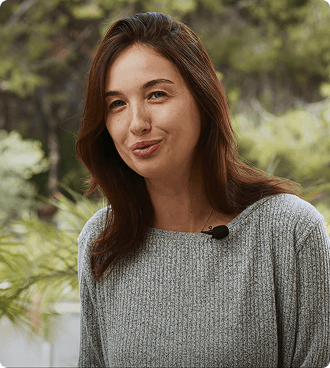
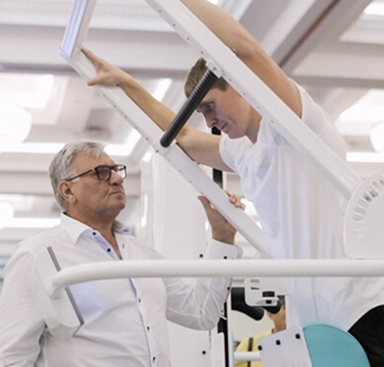
After just one week at the clinic, the patient noticed significant changes in her appearance and, most importantly, her well-being.
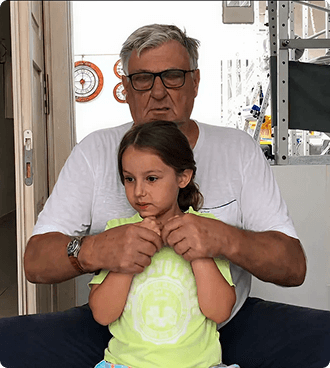
Rehabilitation Duration: 11 days. Result: Restored alignment of the elbow joint, morphology, and biomechanical integrity of the joint tissues and muscles supporting the elbow. Full range of motion restored in the shoulder and scapula. Biomechanical symmetry between the right and left sides of the spine and rib cage restored. Shoulder girdle symmetry restored.
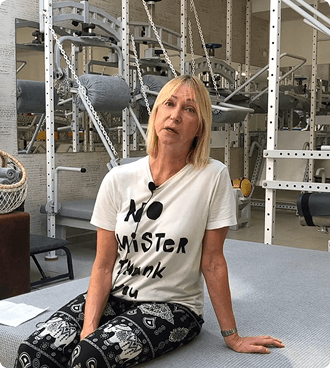
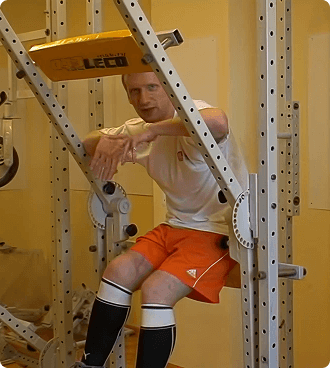
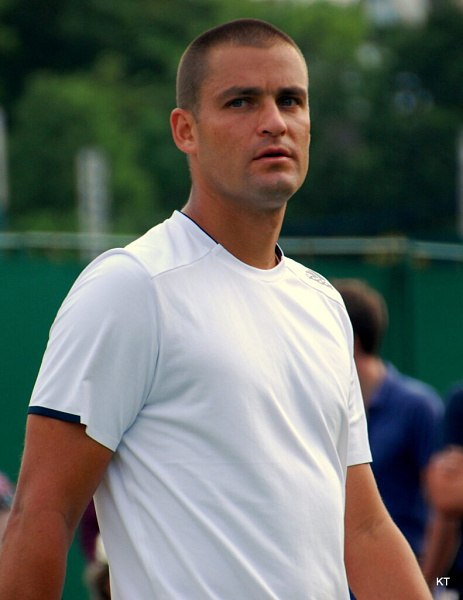
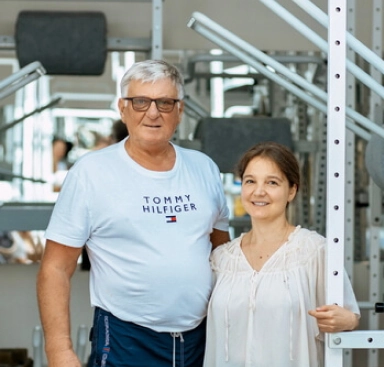
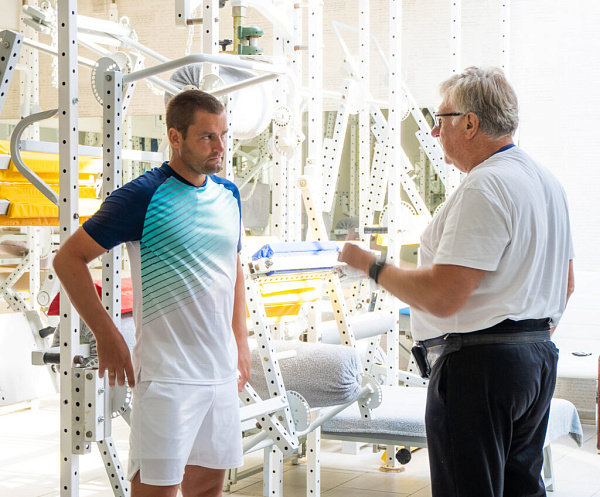
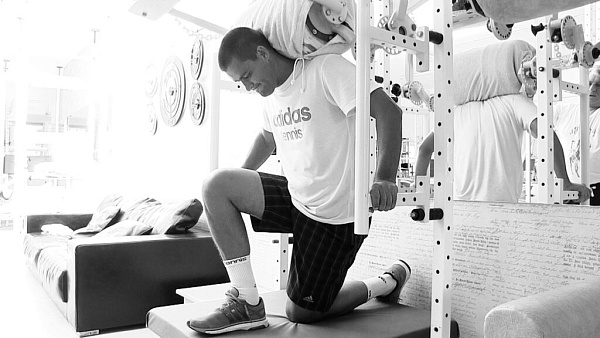
Rehabilitation Goals: Quick return to competition, strengthen the injured joint, and eliminate the fear of reinjury. Result: 22 days after the injury, Mikhail Youzhny participated in the final match and won the Davis Cup 2006 with the Russian national team.
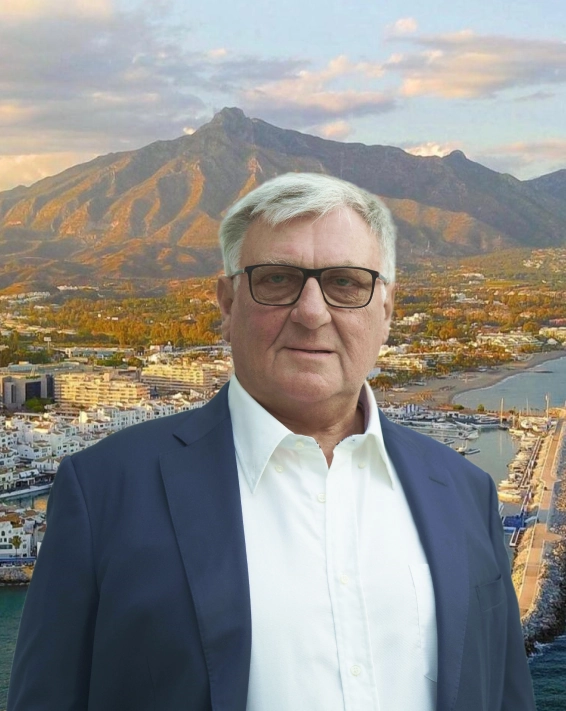
Professor Blum’s Exclusive Rehabilitation System

The center is located in a picturesque corner of the renowned resort town of Marbella, surrounded by cedar trees at the foot of La Concha mountain. Here, science and technology blend with nature, creating a space where the body returns to balance and harmony.
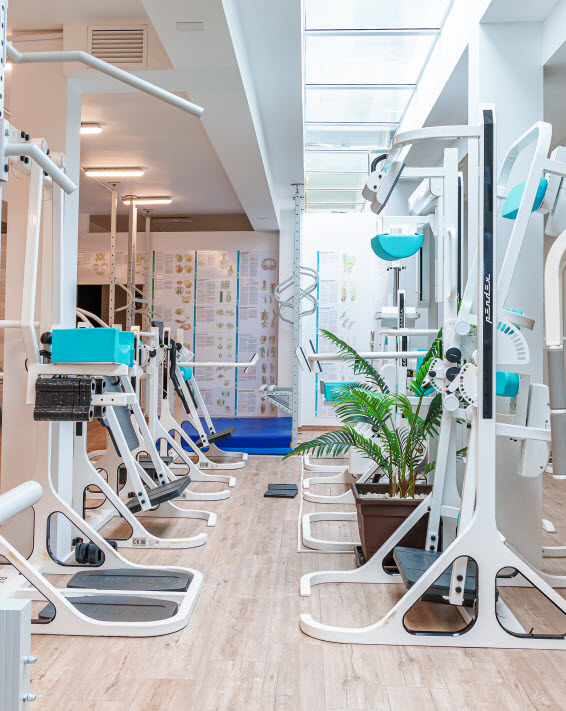
Technologies that deliver results

Select a program
- Recovery from joint contusions
- Treatment of dislocations, subluxations, and joint deformities
- Rehabilitation after intra-articular fractures
- Treatment of complex joint injuries
- Postoperative joint recovery
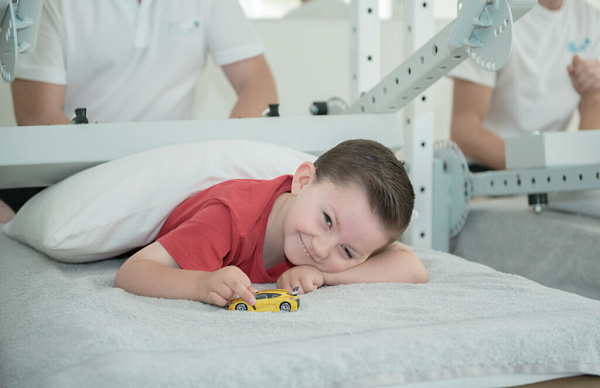
- Treatment of children after birth-related hip joint injuries

Q&A
In most cases, by following the program and the doctor's recommendations, it is possible to restore range of motion, neuromuscular balance, and eliminate the consequences of the injury — which is exactly what bone and joint injury treatment aims to achieve.
Yes, positive results are possible even in the later stages, but the degree of restoring joint mobility depends on the type of injury, the treatment received, and the initial condition of the body. Even in cases of old bone fractures, dislocations, or subluxations, our specialists can improve restoring joint mobility, relieve joint stiffness and pain during movement, strengthen muscles and ligaments, and reduce the risk of post-traumatic complications. For an accurate assessment of recovery potential, schedule an individual consultation with a specialist at the Center.
For restoring joint mobility after a bone fracture, dislocation, or subluxation, a sequential rehabilitation program is used:
- - Gradual recovery of range of motion through gentle joint mobilization using proprietary methods.
- - Physical therapy procedures to improve circulation, reduce joint swelling, and decrease pain during movement.
- - Strengthening muscles and ligaments through a personalized program, manual therapy and myofascial therapy to stabilize the joint.
- - Monitoring recovery progress and adjusting the program to restore limb function and prevent post-traumatic arthritis.
The duration of the course is determined individually, based on the nature of the injury, its severity, age, the volume of damaged tissue, and the initial condition of the body. Typically, post-traumatic orthopedic rehabilitation includes stages: restoration of joint structure, restoring joint mobility, strengthening muscles and ligaments, and managing pain and swelling. On average, the program lasts from several weeks to several months; if necessary, an additional course may be prescribed to consolidate the results.
At our Center, we provide comprehensive rehabilitation sessions with a program that combines proprietary methods with therapeutic exercise after joint injuries, physical therapy, kinesiotherapy, manual therapy and myofascial therapy, as well as individually tailored exercises for restoring joint mobility and strengthening muscles and ligaments. The program is designed according to the type of injury: bone fracture, dislocation, subluxation, or articular cartilage damage, which helps minimize complications, restore limb function, and prevent the development of post-traumatic complications.
The process is divided into several stages:
- - Consultation with a specialist and online review of medical history.
- - Development of an individualized rehabilitation plan.
- - Biomechanical testing, proprietary diagnostic assessment, and goal setting.
- - Sessions according to the developed plan.
- - Progress monitoring and program adjustments.
- - Course completion with recommendations for maintaining results at home.
We provide individualized post-traumatic orthopedic rehabilitation for patients of all ages — from newborns who may have congenital or birth-related joint injuries, to adolescents, adults, and the elderly. The program takes into account developmental characteristics and the condition of the body, allowing for safe restoring joint mobility, reducing pain during movement, and correcting the consequences of fractures, dislocations, and subluxations.
Yes, even after "simple" fractures, it is important to complete a course of post-traumatic orthopedic rehabilitation to ensure restoring joint mobility and full recovery. The program helps restore range of motion, eliminate the consequences of prolonged immobilization, joint stiffness, swelling, and compensate for muscle weakness. This minimizes the risk of post-traumatic complications and accelerates complete recovery of limb function.
The cost of a course of treatment with a stay in a hotel
- Appointments and consultations
- Creating an individual program
- Conducting personal sessions
- Appointments and consultations
- Creating an individual program
- Conducting personal sessions
Other areas of work of our Center
.webp)