

Systemic Disease Rehabilitation

- Comprehensive restoration of function for the nervous, muscular, musculoskeletal, cardiovascular, and respiratory systems.
- A personalized program tailored to your body’s unique characteristics, medical history, and treatment history.
- Precise biomechanical methods with controlled intensity.

The Author's Method
The human body consists of four types of tissue: epithelial, muscle, nervous, and connective. Connective tissue makes up about 90% of the body — in solid form as bones, in fibrous form as ligaments, tendons, fascia, and capsules, in gel form as cartilage, and in liquid form as blood, lymph, and interstitial fluid. All of this is connective tissue. This fact determines the many vital functions it performs, which are lost when pathological changes occur. Therefore, the key element in treating systemic diseases is restoring the metabolism, structure, and function of connective tissue, providing essential metabolic and functional support. This forms the foundation of any chronic disease rehabilitation program.
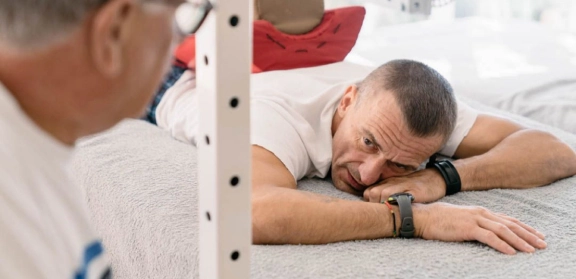
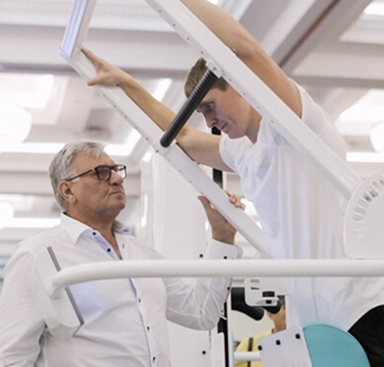
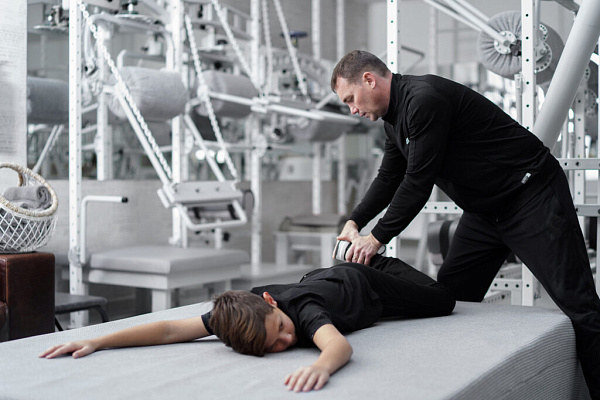
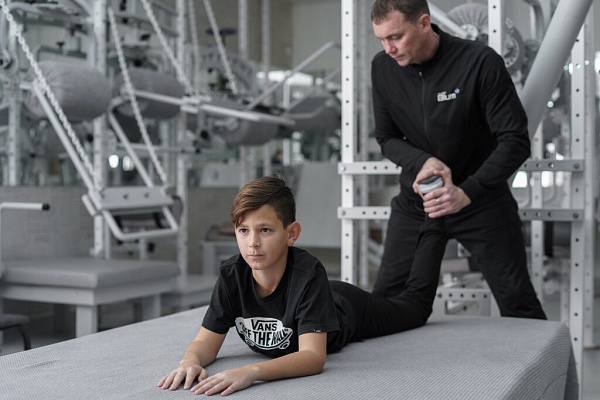
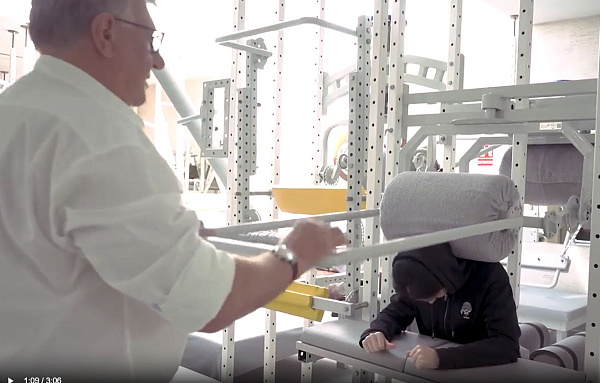
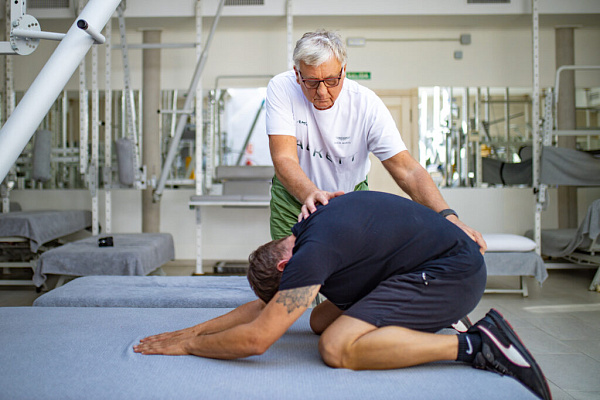
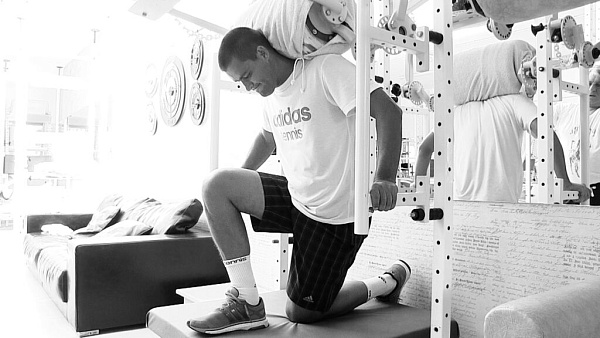
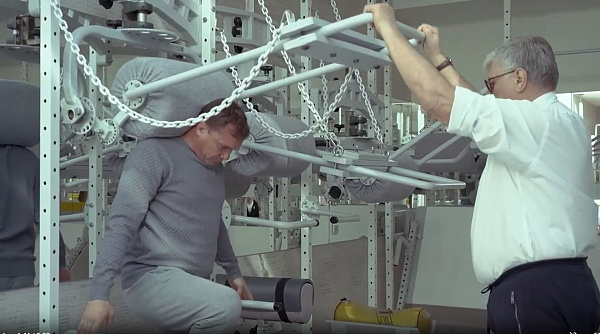
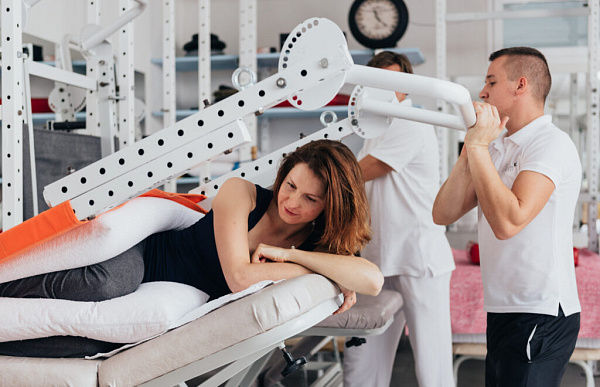
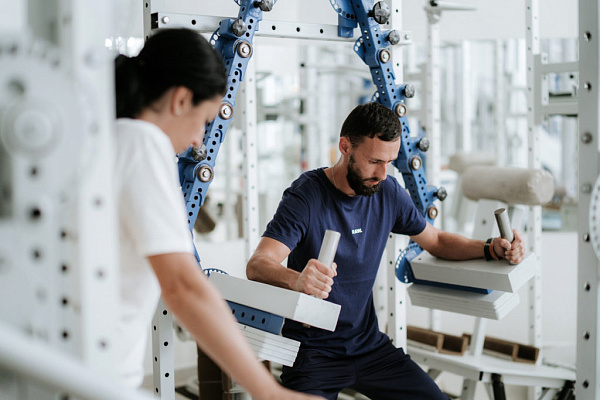
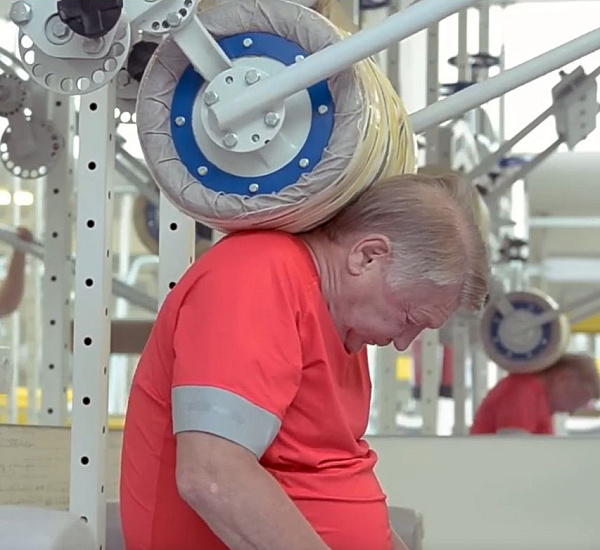
Proprietary exercise machines provide direct access to the weakest links in the body and deliver precise controlled biomechanical stimulation. During the session, specific modalities of tissue response are monitored. This high specificity guarantees safety and ensures consistency and predictability in functional recovery, making it an ideal approach for long-term medical rehabilitation.
Connective tissue forms the environment in which nerve, muscle, and epithelial cells reside. Symptoms and diagnoses are determined by which system has experienced this failure. A comprehensive, individualized therapy program by Professor Blum — combining clinical, laboratory, and instrumental methods — makes it possible to identify which functions of connective tissue are impaired and to set priorities for a program for chronic disease rehabilitation tailored to each patient. This approach is particularly valuable for personalized therapy for autoimmune diseases.
The proprietary system of methods, techniques, and equipment developed by Professor Blum delivers a controlled physical impact on specific segments of connective tissue with filigree precision: intensity, angle of acceleration, and dozens of other parameters are regulated, ensuring collagen and extracellular matrix repair. As a result, lost functions are restored, and the disease recedes. Adaptive treatment programs for patients with chronic conditions are developed individually. They combine comprehensive treatment of chronic diseases with stages of supportive therapy, ensuring the effectiveness of systemic disease rehabilitation.
Who Is This Program For?
This program is designed for patients who need comprehensive restorative therapy. It is especially relevant for:
- Patients with chronic inflammatory conditions who require systemic restoration of the nervous, muscular, musculoskeletal, and other body systems.
- Individuals recovering from disease flare-ups for whom it is critical to restore immunity, normalize tissue metabolism, and prevent recurrent complications.
- People with autoimmune and connective tissue disorders who need precise, controlled therapy to stabilize their condition, maintain organ function, and prevent further disease progression.
- Those needing long-term medical rehabilitation as part of a structured, expert-supervised approach.
The program combines individualized diagnostic and rehabilitation methods aimed at symptom control, functional restoration, and prevention of exacerbations, all under the continuous supervision of qualified specialists. This makes it a true rehabilitation for systemic diseases that addresses both acute and chronic phases.
Why Choose Clinic Blum for Systemic Disease Rehabilitation?
At Clinic Blum, we offer an integrative approach to chronic disease management through our proprietary biomechanical equipment and individualized connective tissue therapy. Our method ensures predictable and safe functional recovery by targeting the root cause — connective tissue dysfunction — rather than just managing symptoms. With over 20 years of clinical experience, Professor Blum’s proprietary technique provides a level of precision and safety unmatched in conventional rehabilitation.
What We Treat: Common Conditions and Underlying Causes
Rehabilitation for systemic diseases covers a wide range of pathologies affecting various body systems and is applied both in adults and within specialized programs, including rehabilitation for children with congenital and acquired disorders.
- Neurological system diseases: Alzheimer's disease, Parkinson's disease, amyotrophic lateral sclerosis (ALS), multiple sclerosis, migraine, sleep disorders, memory impairment. These chronic neurological conditions require a dedicated approach to rehabilitation for systemic and neurological disorders, offering a variety of neurological and systemic rehabilitation programs. Special attention is given to patients with disorders of the central and peripheral nervous system.
- Diseases of the bone and joint system: congenital or acquired myopathies — Duchenne, Erb, Landouzy-Dejerine, Welander muscular dystrophies, Pompe disease, Charcot-Marie-Tooth disease, Miyoshi distal myopathy. Effective neurological and muscular rehabilitation is key to restoring coordination and strength. Our rehabilitation programs focus on functional recovery after disease flare-ups, improving muscle strength and endurance, and correcting functional deficits. These include muscular dystrophies and myopathies as core conditions.
- Musculoskeletal system diseases: osteochondrosis, scoliosis, chest deformities, ankylosing spondylitis, osteoporosis, osteopenia, psoriatic arthritis, hip dysplasia, joint hypermobility, Marfan syndrome. As part of treatment for musculoskeletal diseases, special importance is given to management of chronic inflammation and working with autoimmune diseases and connective tissue disorders, including hereditary forms.
- Cardiovascular system diseases: cerebral aneurysm, atherosclerosis, arrhythmias, heart valve defects, Ehlers-Danlos syndrome, vascular dissection and its consequences. The rehabilitation program includes monitoring of complications and prevention of exacerbations of chronic diseases. Our program also provides metabolic and cardiovascular support in systemic diseases.
- Bronchopulmonary system diseases: tracheobronchial dyskinesia, pulmonary bullae, spontaneous pneumothorax. Rehabilitation is aimed at restoring respiratory function and reducing the risk of recurrent exacerbations.
- Digestive system diseases: abdominal organ ptosis, impaired tone and function of the diaphragm, diaphragmatic hernia, gastroesophageal reflux, diverticula of the esophagus and intestines, pelvic floor weakness. Programs ensure restoration of motility and prevention of recurrent disorders after exacerbations.
-
Connective tissue repair and metabolic function – restoring the structure of connective tissue.
-
Restoration of organ and system function – recovering lost bodily functions.
-
Immune system recovery – rebuilding immunity.
-
Long-term monitoring and maintenance therapy – supporting the work of organs and systems.
-
Symptom management and prevention of exacerbations – preventing flare-ups and managing symptoms.
-
Improvement of quality of life in patients with systemic diseases – achieving internal and external rejuvenation.
Objectives of the program
-
Identify the underlying causeDetermining the root cause of connective tissue disorder, whether congenital or acquired, and identifying its location and mechanism of formation (this is essential for symptom management and prevention of exacerbations).
-
Determine risk factorsIdentifying predispositions and factors that triggered the pathological process: inflammatory, metabolic, endocrine, toxic, infectious. This makes it possible to develop individualized strategies for long-term monitoring and maintenance therapy and supporting organ and system function.
-
Restore functionsComprehensive restoration of all functions of connective tissue: supportive, morphogenetic, homeostatic, information-integrative, and energetic. This is achieved through professional medical supervision and individualized therapy programs, including connective tissue repair and metabolic function, restoration of organ and system function, and immune system recovery.
To achieve stable results, a method with unprecedented precision is required, allowing the planned response from the weakest and most compromised muscles, nerves, bones, and other structures within a specified intensity range.
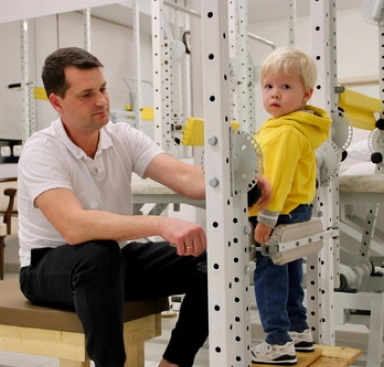
Patient stories
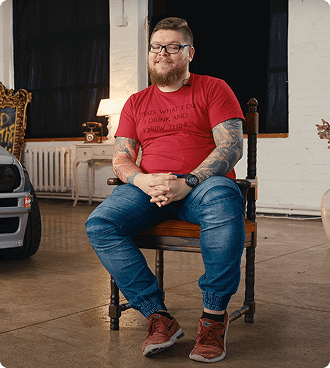
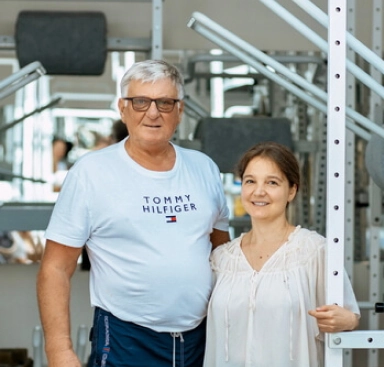
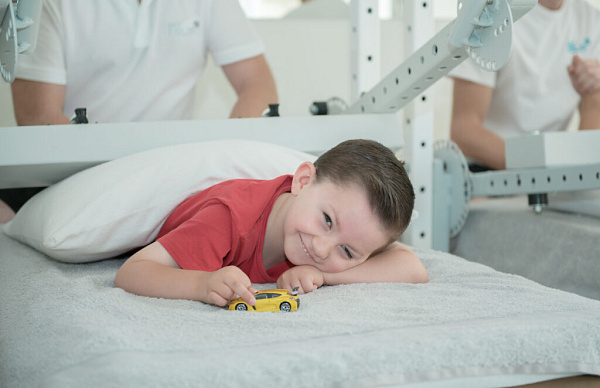
Vlad came to Professor Blum's Centre as a nine-year-old boy suffering from severe myopathy. Now, he is a completely healthy young man, living a full life, working, studying, playing sports, running, skiing, and has an active social life.
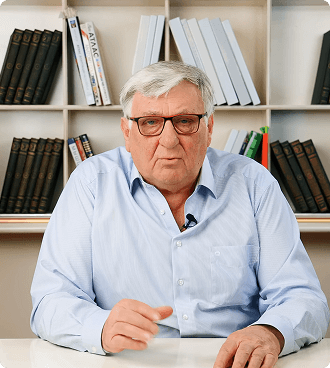
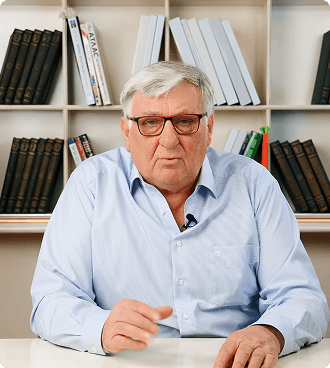
Principles of treating ankylosing spondylitis — a chronic inflammatory disease of the spine and joints with progressive movement restriction. Modern medicine considers it incurable, but Professor Blum's method significantly improves the quality of life and helps manage symptoms.

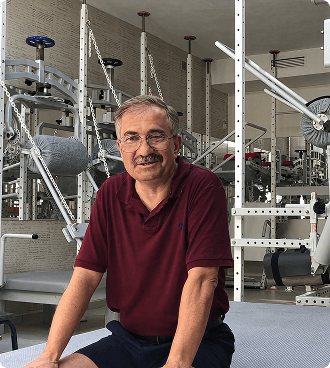

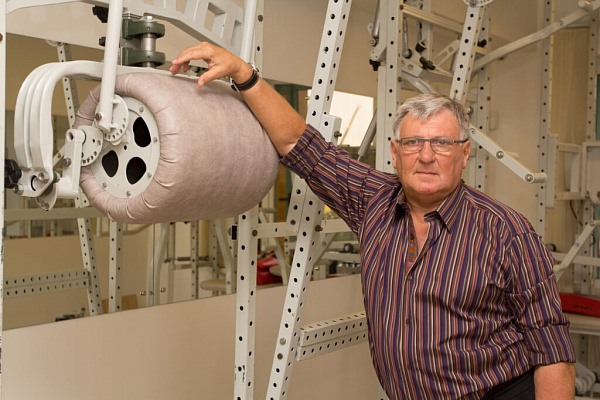
Professor Blum’s Exclusive Rehabilitation System

The center is located in a picturesque corner of the renowned resort town of Marbella, surrounded by cedar trees at the foot of La Concha mountain. Here, science and technology blend with nature, creating a space where the body returns to balance and harmony.
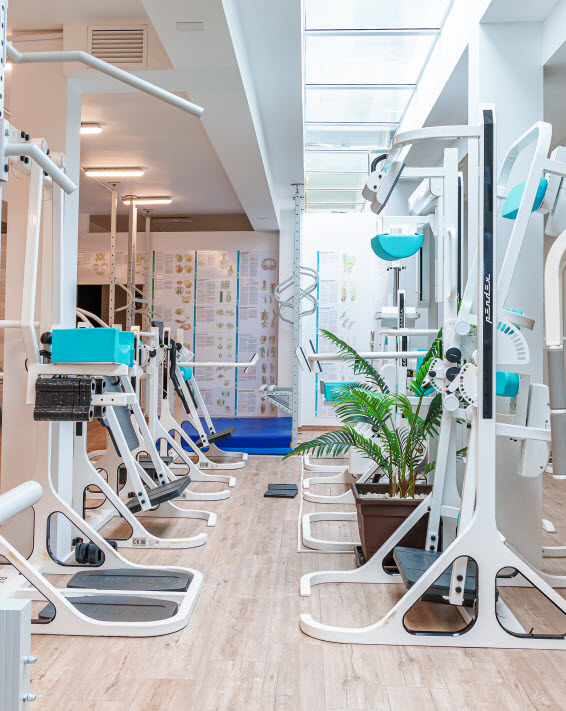
Technologies that deliver results

Select a program
- Degenerative diseases of the nervous system
- Degenerative-dystrophic diseases of the muscular system
- Systemic diseases of bones and joints
- Diseases of the heart, blood vessels, respiratory organs, digestive system, connective tissue dysplasia



.jpg)

Q&A
The timeline for recovery depends on the severity of the disease, its stage, the presence of flare-ups, and individual characteristics of the body. A comprehensive approach ensures gradual restoration of organ and system function and reduction of symptoms. At Clinic Blum, our systemic disease rehabilitation program is designed to achieve sustainable, long-term results.
This program is intended for patients with chronic diseases, frequent exacerbations, and systemic pathologies who require consistent, precise, and personalized rehabilitation. This includes rehabilitation for systemic diseases across all stages, as well as neurological and systemic rehabilitation for those with combined nervous system involvement.
Programs are developed based on each patient's specific characteristics, level of functional impairment, location of lesions, and associated factors, ensuring safe and predictable recovery. This is what a true chronic disease rehabilitation program looks like — tailored to the individual rather than a one-size-fits-all approach.
Regular monitoring of your condition, combined with restorative and maintenance strategies, helps minimize the risk of recurrent disorders and stabilize chronic processes. This is the essence of symptom management and prevention of exacerbations within a long-term medical rehabilitation framework.
We use adaptive programs, physiotherapeutic techniques, precise biomechanical stimulation, and individualized recovery protocols under specialist supervision. A key component is immune system recovery in chronic diseases, which directly supports connective tissue repair and helps manage autoimmune diseases such as rheumatoid arthritis and scleroderma.
Rehabilitation includes controlled physical impact, restorative and maintenance therapy, as well as immune system recovery and restoration of functional capacity of organs and tissues. This approach is central to any program for chronic disease rehabilitation and ensures post-exacerbation recovery is fully integrated into personalized therapy for systemic diseases.
Treatment is built on comprehensive diagnostics and an individualized therapy program aimed at restoring connective tissue function, normalizing metabolism, and stabilizing the condition of all body systems. This is the core of systemic disease rehabilitation, which addresses the root causes rather than just the symptoms. Start your personalized chronic disease rehabilitation program today. Book a consultation to assess your condition and begin restoring your health. Our specialists will design a program tailored specifically to your needs.
The cost of a course of treatment with a stay in a hotel
- Appointments and consultations
- Creating an individual program
- Conducting personal sessions
- Appointments and consultations
- Creating an individual program
- Conducting personal sessions
Other areas of work of our Center
.webp)