

Head Injury Treatment & Neurological Rehabilitation

- Our approach to head injury treatment helps prevent brain injury complications and accelerates the return of function after traumatic brain injury (TBI).
- We manage complex cases and monitor progress continuously.
- We activate natural recovery mechanisms while addressing the consequences of traumatic brain injury (TBI).
- The program is based on Professor Blum’s proprietary biomechanical method.

Why Early Head Injury Treatment Matters
Rehabilitation after TBI* is a key stage on the path to recovery. At our Center, we apply an integrated approach to rehabilitation after head injuries as part of the treatment of cranial and cerebral injuries, aimed at addressing structural damage and triggering recovery mechanisms. We work with both recent injuries and conditions complicated by pronounced TBI consequences, including persistent cognitive and motor impairments. To achieve the best outcome, recovery after head injury should begin as early as possible — right after the patient’s condition has stabilized. Professor Blum’s method is based on external physical stimulation and significantly accelerates the natural biological processes of tissue and functional restoration.
Our comprehensive approach to the Treatment of Head Injuries combines acute care with long-term neurological rehabilitation.
* Rehabilitation is part of the overall Treatment of Head Injuries and is conducted after the acute stage has ended.
Who Can Benefit fr om This Program
Patients and conditions we work with:
- TBI rehabilitation in adults — from mild injuries to complex polytrauma cases
- TBI rehabilitation in children — including conditions following birth trauma and early neurological damage
- Recovery after a head injury from a car accident — for multiple and combined trauma cases
- Patients after brain surgery, brain hemorrhages, and those with neurological and cognitive impairments
- Individuals facing long‑term TBI consequences or complications from improper previous treatment
If you would like to learn more about the methods and approaches for different types of injuries, check out our rehabilitation programs for traumatic injuries, wh ere all the Center’s treatment directions are gathered.
What We Treat: Types of Head Injuries and Associated Conditions
We provide comprehensive cranial and cerebral injury treatment and manage patients with all types of damage. Patients come to our Center with the following conditions:
- Serious brain injuries
- Pronounced traumatic brain injury consequences
- Recovery after concussion
- Recovery after head contusion
- Skull fractures
- Brain hemorrhages and bleeding under the meninges
- Post‑operative conditions after brain surgery
- Cranial nerve damage
- Birth trauma complications
Our therapy for traumatic brain and cranial injuries is designed to address brain injury complications and reduce the risk of long‑term cognitive and motor impairments.
Personalized Rehabilitation Programs: The Blum Method
Our system is an integrated approach to rehabilitation after head injuries, developed by Professor Blum. The method is based on stimulating muscle‑fascia‑tissue pumps, which improve blood flow, lymphatic drainage, and the circulation of cerebrospinal and synovial fluid. This controlled wave‑like stimulation generates a pronounced response from injured tissues and adjacent organs, triggering deep recovery processes. Thanks to Dr. Blum’s method, our patients can achieve the best possible outcome and fundamentally restore lost functions.
For each patient, we develop a personalized brain trauma recovery program that includes restorative therapy, elements of physical therapy after TBI, and comprehensive neurorehabilitation. This TBI rehabilitation program is tailored to the complexity, severity, time since injury, extent, depth of the trauma, any surgeries performed, the patient’s age, and their overall health status. On our pages dedicated to specific types of injuries, you can learn in detail about the rehabilitation programs we design for each case.
Our post‑traumatic neurological rehabilitation follows clearly defined stages of rehabilitation, allowing us to restore tissues and eliminate paralysis, paresis, contractures, and secondary disorders. Special attention is given to motor function recovery, coordination recovery, and speech recovery after head injury — these are critical elements in helping a patient return to a full life.
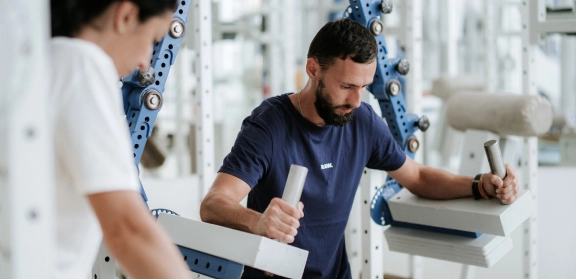
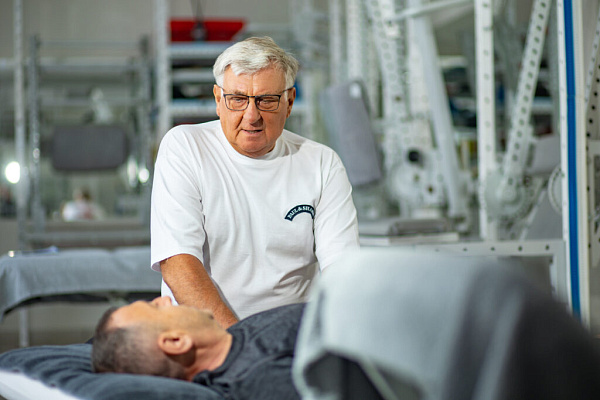
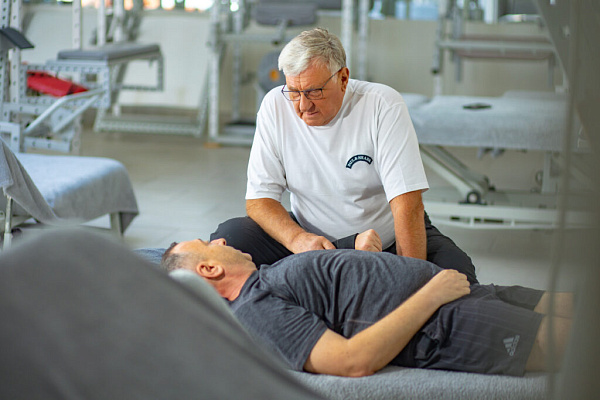
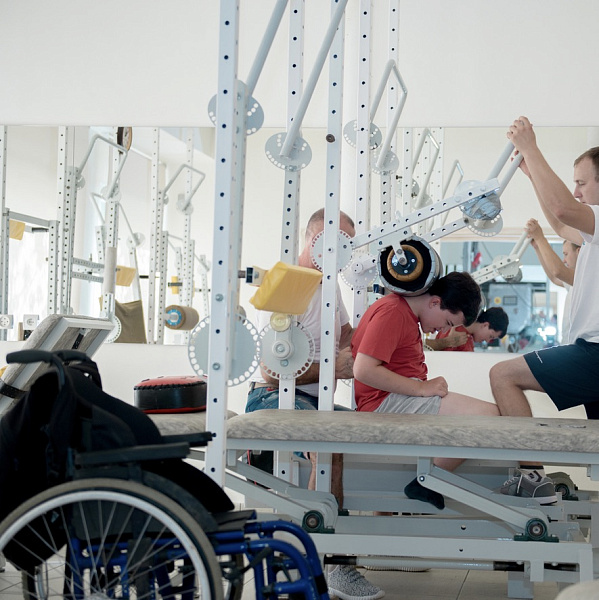
We design proprietary exercise equipment and devices for each stage of rehabilitation, and a personal instructor provides precisely controlled eccentric stimulation to ensure accurate work in every case. In addition, we offer a personalized recovery program for brain trauma that adapts to the patient’s progress and changing needs throughout the therapy.
Our clinic offers targeted therapy for traumatic brain and cranial injuries, tailored to each patient's unique condition.
-
Elimination of paresis, paralysis, and coordination disorders
-
Motor‑sensory recovery
-
Restoration of speech, vision, and sense of smell
-
Brain function restoration after injury
-
Improvement of memory and intellectual performance, correction of cognitive and motor impairments after TBI
-
Normalization of intracranial pressure, restoration of internal organ function
-
Minimization of post‑traumatic disorders and elimination of spasticity, contractures, and deformities
Objectives of the program
-
Local Tissue RestorationLocal tissue restoration at the epicenter of the injury, eliminating the risk of scar formation, and minimizing secondary inflammation and adhesions. At this stage, motor‑sensory recovery is performed to reduce the severity of post‑traumatic disorders.
-
Whole‑Brain RecoveryA comprehensive approach to brain structures: meninges, blood vessels, nerves, bones, and cranial sinuses. The goal is complete brain function restoration, correction of trauma‑related cognitive impairments after TBI, and enhancement of neuroplasticity mechanisms necessary for compensating lost functions.
-
Global Body RestorationRestoration at the level of the entire body: achieving optimal symmetry, eliminating muscle‑joint imbalance in the cervical spine, the entire spine, and large joints. This approach supports a sustainable recovery process after traumatic brain injury.
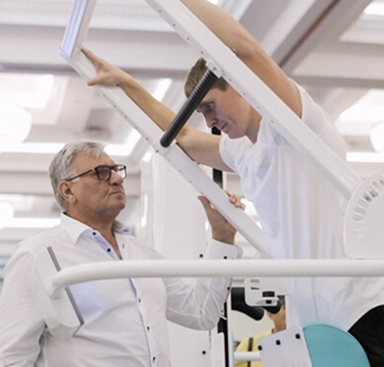
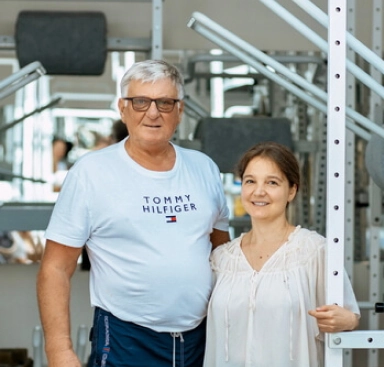
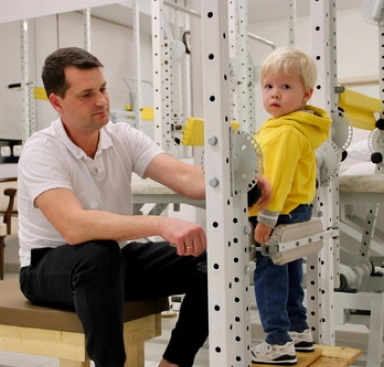
Patient stories
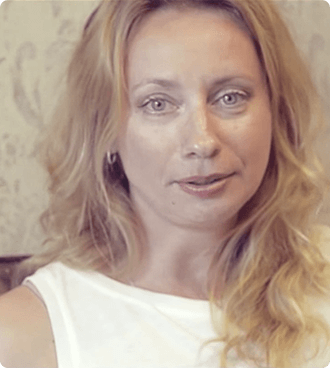
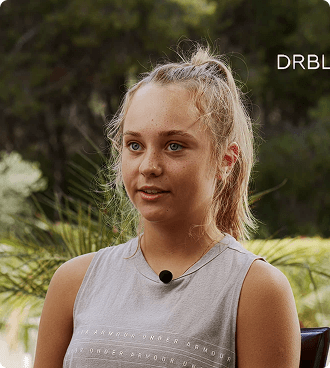
Treatment Course: 30 days. Significant improvement in motor abilities, improved coordination, ability to stand on knees with support. At the end of the course, she received a set of exercises and equipment for continuing rehabilitation at home

Professor Blum’s Exclusive Rehabilitation System

The center is located in a picturesque corner of the renowned resort town of Marbella, surrounded by cedar trees at the foot of La Concha mountain. Here, science and technology blend with nature, creating a space where the body returns to balance and harmony.
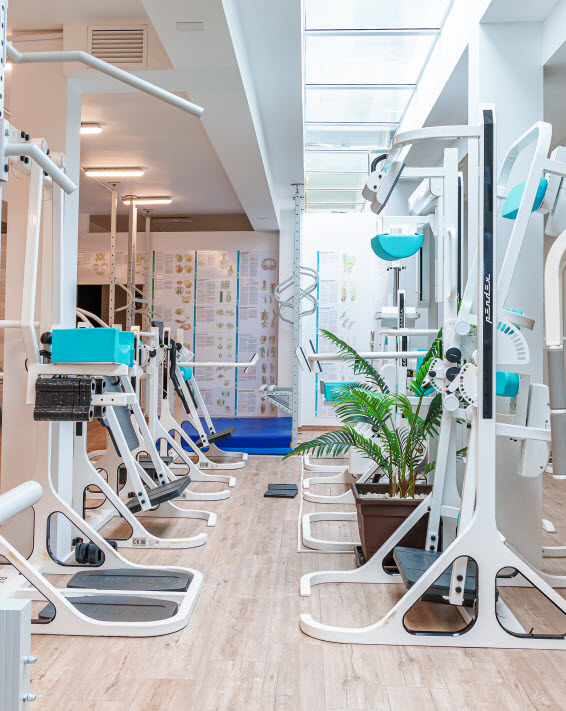
Technologies that deliver results

Select a program
- After skull bone fractures
- After brain concussions/bruises
- Brain hemorrhages and subdural hematomas
- After brain surgeries
- With damage to cranial nerves and blood vessels
Q&A
Yes, the method is especially effective for multiple and combined injuries typical of car accidents. We work with deep tissue damage, hidden displacements, consequences of impact‑acceleration forces, and post‑traumatic stress, gradually restoring function and structure. Our head injury treatment approach is designed to address even the most complex cases.
Yes, we work with children as well. Pediatric TBI rehabilitation requires gentler protocols, special load monitoring, and consideration of age‑related nervous system features. In cases of birth trauma complications, the program is particularly individualized, as such conditions are usually more complex in terms of structural damage and consequences. TBI rehabilitation in adults follows a different protocol tailored to mature physiology. We specialize in the treatment of cranial and cerebral injuries using advanced biomechanical methods.
In such cases, the program includes restoration of movement patterns, coordination training, correction of muscle‑fascial dysfunctions, balance work, and fine motor skills. Simultaneously, cognitive deficits such as attention, memory, and information processing speed are addressed. The stages of rehabilitation are structured so that the nervous system gradually develops stable compensatory connections. This is part of our post‑traumatic neurological rehabilitation framework.
After a traumatic brain injury, motor, cognitive, speech, sensory, and autonomic disorders may develop. We work with both local and systemic post‑traumatic disorders: eliminating displacements and mechanical blocks, restoring coordination, muscle and joint function, and correcting cognitive and speech deficits. Our cranial and cerebral injury treatment is carried out in stages, using Professor Blum’s proprietary method. Treatment of head injuries is approached comprehensively, targeting the root causes of dysfunction.
The program includes neuro‑mechanical stimulation, work with tissue pumps, biomechanical correction, restoration of vascular and cerebrospinal fluid flow, and elements of physical therapy and neurorehabilitation. These methods improve blood supply, activate neuroplasticity, and help compensate for lost functions. Our traumatic brain and cranial injury therapy integrates all these approaches to maximize brain function restoration.
The duration of rehabilitation is determined by the severity of the injury, extent of damage, timeliness of treatment initiation, and baseline health status. Mild injuries may require several weeks, while more serious damage typically takes several months. For pronounced impairments, the program may be longer, but progress is regularly assessed, and the approach is adapted to the patient’s condition. This recovery process after a head injury is highly individualized.
A rehabilitation course is recommended even after a mild concussion, because during this period it is important to restore normal cerebrospinal fluid circulation and prevent increased intracranial pressure. Additionally, specialists assess the condition of adjacent tissues and structures to identify hidden displacements and micro‑damage — these often become apparent several months after the injury. Proper recovery after concussion helps avoid long‑term brain injury complications.
The severity of consequences is influenced by the state of the body at the time of the incident. Minimal changes are observed in patients who were unconscious or asleep — their tissues suffered less due to the absence of protective muscle tension. The most pronounced consequences occur during fright or sudden tension, when tissue structures experience a powerful intra‑tissue “explosive” impact and numerous micro‑damage, not always visible on diagnostic imaging. These are classic consequences of traumatic brain injury (TBI) that require specialized therapy.
Yes, improvements are possible even years later. The outcome depends on the nature of the damage, previous treatment, and the body’s current resources. During a consultation, a specialist will determine which functions can be restored and what scope of work is needed. Even with long‑term TBI consequences, our brain trauma recovery program can yield meaningful gains.
The cost of rehabilitation is calculated individually and depends on the duration of the course, the level of intensity, and the complexity of the program. The final price is determined after a consultation with a specialist, once the necessary scope of restorative interventions is clear.
TBI rehabilitation at our Center proceeds in stages and is designed individually for each patient.
- Initial specialist consultation – An online meeting with a rehabilitation physician: medical history, current complaints, and results of previous treatment are reviewed. Additional examinations are ordered if needed. Approximate duration and cost are determined at this stage.
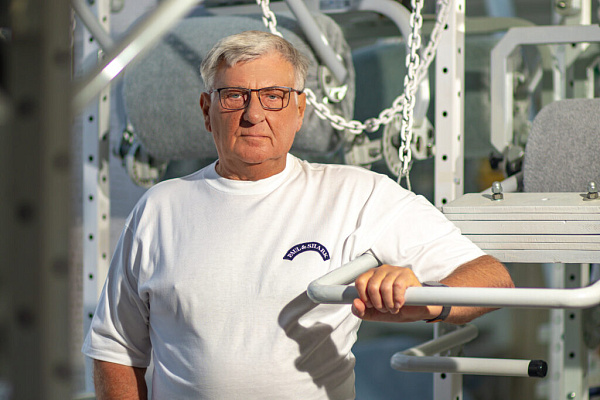
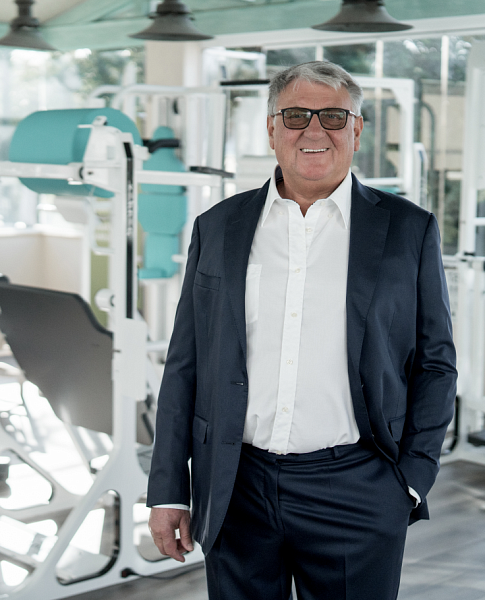
- Development of a rehabilitation plan – The patient has an in‑person consultation with Professor Blum and a rehabilitation physician. Physical examination, biomechanical testing, and detailed diagnostics using the proprietary method are performed. Based on the data, problems and priorities are identified, and a personalized comprehensive recovery program for brain trauma is created.
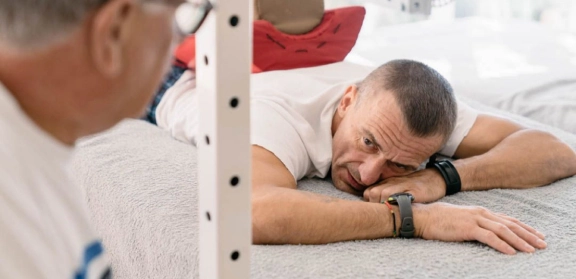
- Attendance of sessions – According to the developed plan, the patient attends rehabilitation sessions at the Center. The rehabilitation physician regularly evaluates progress and adjusts loads and techniques as needed.
- Completion of the course and recommendations – At the end of rehabilitation, the patient receives detailed recommendations and a set of exercises for independent work at home to consolidate the achieved results and maintain restored functions.
The cost of a course of treatment with a stay in a hotel
- Appointments and consultations
- Creating an individual program
- Conducting personal sessions
- Appointments and consultations
- Creating an individual program
- Conducting personal sessions
Other areas of work of our Center
.webp)