

Concussion & Brain Contusion Treatment & Recovery

- a personalized plan based on the nature, severity, and type of injury, as well as age
- consideration of all health and lifestyle factors
- support for patients with movement disorders, paresis, or paralysis

Our medical strategy
The goal of restorative treatment is to return patients to a normal, active life by eliminating all the consequences of the injury and fully restoring brain function. At our Centre, we conduct a proprietary diagnostic approach across six macro-blocks—identifying anatomical, morphological, circulatory, and functional disorders. We not only analyse the state of the brain but also assess the surrounding tissues and organs to ensure that even the smallest deviations are not overlooked.
Restorative treatment and rehabilitation, aimed at achieving the best possible result, are conducted on three levels: locally—at the injury site, regionally—across the entire brain, and globally—at the level of the whole body. The goal of local procedures is to restore tissue architecture—reorganising the layers and alignment of tissues in their anatomically correct order. This is essential to eliminate the risk of developing intertissue adhesions and scar formations that could replace brain tissue and reduce the functionally active "operating" volume.
The result of this approach is the restoration of innervation, sensitivity, and lost functions, as well as the elimination of risks for long-term consequences and complications from a concussion, such as dizziness, arterial hypertension, post-traumatic neurosis, epilepsy, severe asthenic syndrome, insomnia, migraines, increased intracranial pressure, and impairments of vision, hearing, and smell.
A clear strategy and biomechanical step-by-step recovery process ensure the best possible outcome, avoiding complications and severe consequences of a concussion.
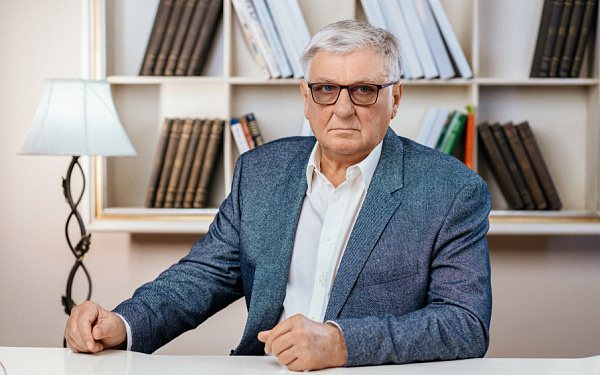
Professor Blum's method allows for comprehensive recovery of the entire body right after hospital discharge, taking into account the condition of all organs and systems. It ensures that even the slightest tendencies are not overlooked, and through the unique capabilities of this proprietary system of methods and techniques, it systematically eliminates the disease.
What consequences of concussions does rehabilitation address?
Patients come to our Centre with various aftereffects of concussions, ranging from minor symptoms to severe cases with motor and cognitive impairments. In some cases, we uncover the connection between a concussion suffered years ago and symptoms of a condition that has been difficult to diagnose for a long time. The most common issues include:
- Increased intracranial pressure
- Headaches, migraines, dizziness
- Memory impairments, quick fatigue
- Vision, smell, and hearing impairments
- Epileptic seizures
- Motor function disorders
The recovery plan after a concussion is tailored individually, taking into account the patient's condition, which is determined by:
- The nature, severity, type, duration, and extent of the injury
- Secondary consequences of the injury: paraplegia, hemiplegia, and dysfunction of internal organs
- The effects of previous treatment, anaesthesia, and resuscitation procedures
- The overall condition of the body, including levels of energy generation and distribution
General description of the problem
A concussion is a brain injury that leads to functional impairments without obvious tissue damage, typically caused by a direct hit, whiplash injury, or the impact of a shockwave. The type of injury determines the mechanism of damage, symptoms, and long-term consequences.
Brain tissue undergoes shaking, stretching, compression, disruption of its layered structure, and displacement of the brain membranes, blood, and lymphatic vessels. These disruptions often go undetected during examinations, and sometimes the patient may overlook minor symptoms, but over time, their health deteriorates.
The insidious nature of this injury lies in the fact that, although it may seem mild at first glance, it always leaves a “mark” and becomes a dangerous background that, over time, is compounded by triggering factors, leading to serious illnesses while the root cause fades from view.
To fully restore functions, identify hidden consequences, and eliminate future risks, comprehensive rehabilitation after a concussion is essential. It’s important to remember that the earlier rehabilitation begins, the better the results.
-
Optimization of intercellular and interstitial fluid drainage
-
Restoration of lymphatic outflow, minimising swelling and stagnation
-
Optimization of venous outflow from the boundaries and epicentre of the injury
-
Gradual restoration of arterial inflow
-
Drainage of cranial sinuses and intracranial bone structures
-
Local enhancement of hydraulic inter-cavity pumps
Objectives of the program
-
Restoration of motor functionsRestoration of motor functions—walking, coordination, balance, reduction of spasticity, and contractures
-
Restoration of vision, hearingRestoration of vision, hearing, taste and smell perception, as well as improvement of memory, speech, and attention
-
Restoration of effective sleepRestoration of effective sleep, emotional stability, and enhancement of overall vitality
Proprietary methodology
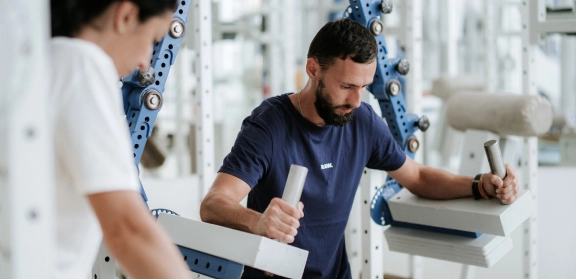
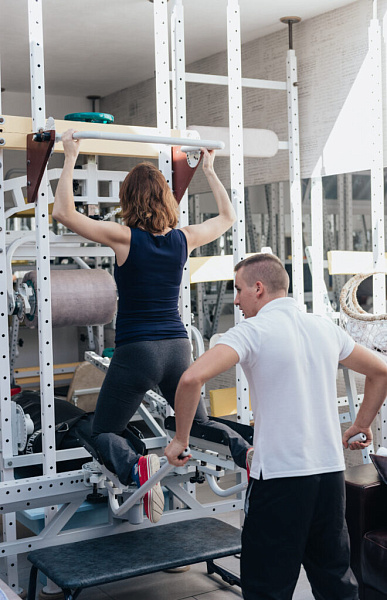
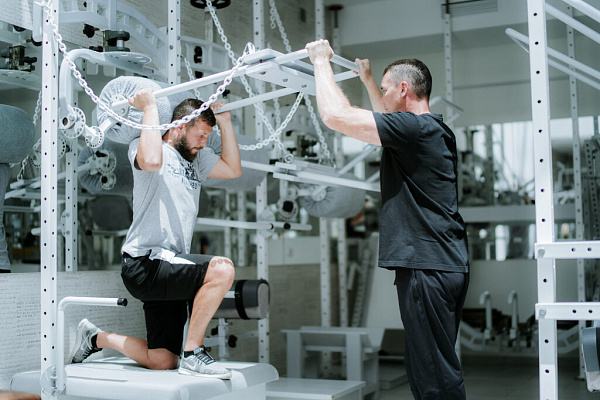
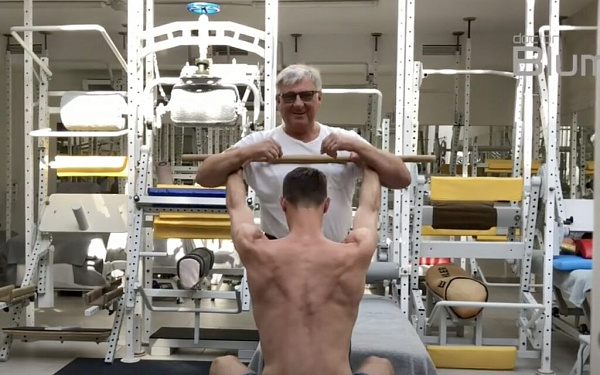
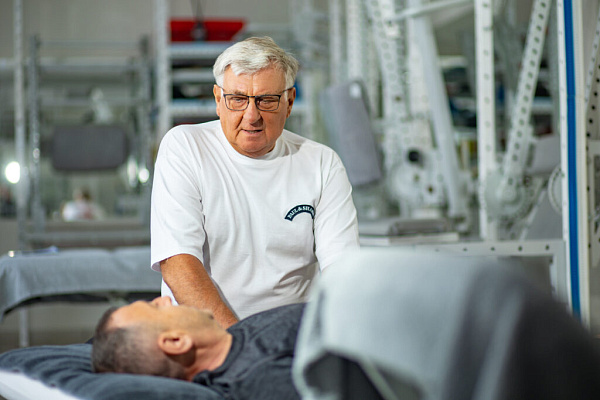
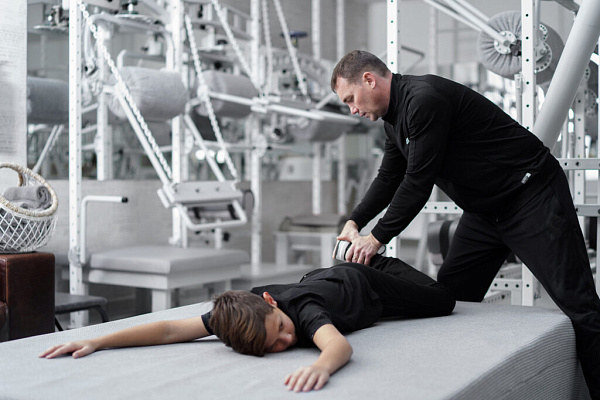
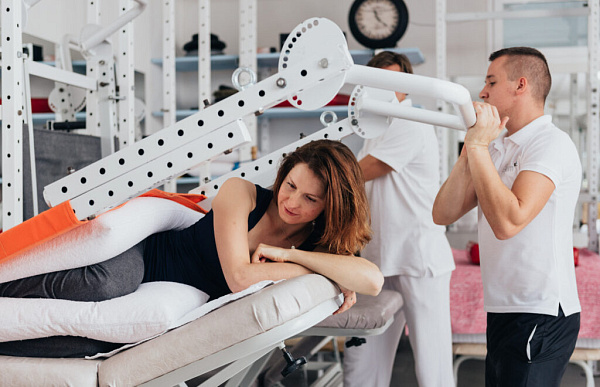
The key principle of Professor Blum's method is a somatodynamic medical strategy based on controlled external eccentric influence. This approach is fully regulated, 100% precisely dosed, and exclusively targeted at biomechanically weak musculoskeletal and myofascial complexes. The physical impact on the body is entirely safe and highly controlled. These techniques allow for a localised increase in blood flow and lymphatic dynamics, activation of metabolism, and enhanced removal of waste products from the injured organ.
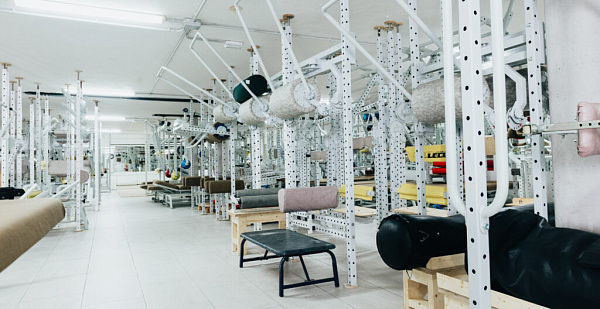
The eccentric biomechanical mode primarily engages deep connective tissue structures. Systematic external physical influence, using specialised equipment, enhances the cellular environment, gradually restoring all its functions. This is particularly important for the recovery of tissues and organs with delicate anatomical organisation, such as the brain and spinal cord.
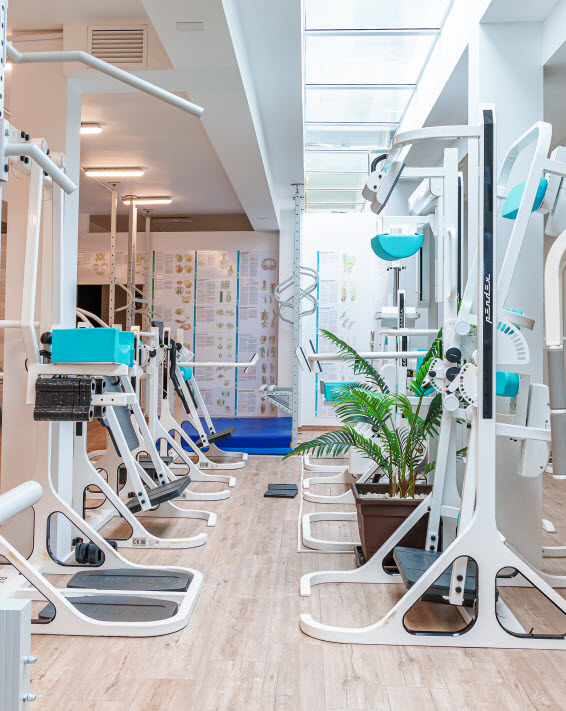
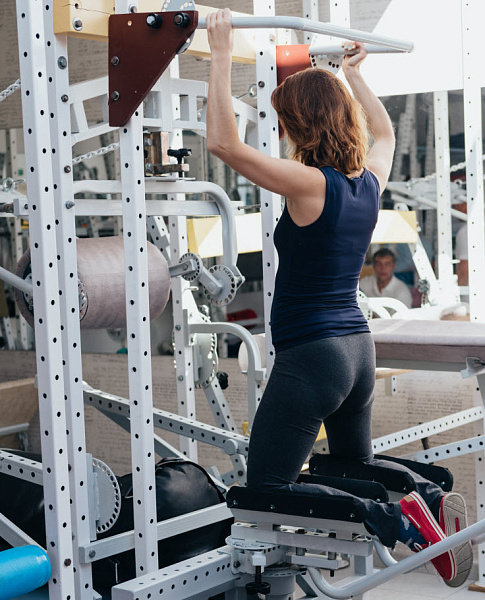
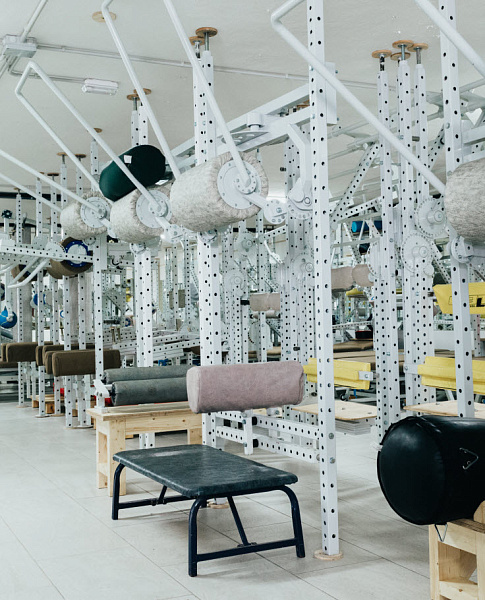
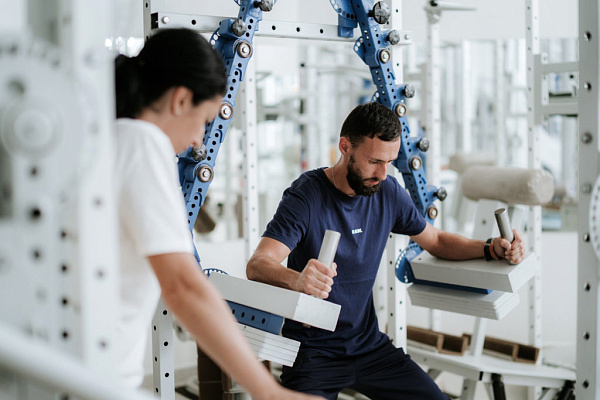
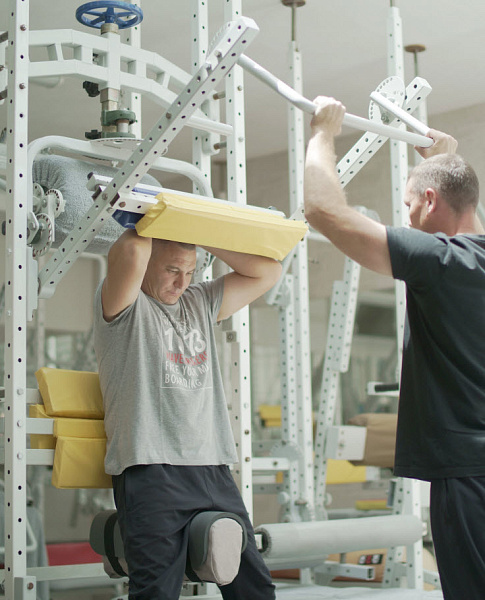
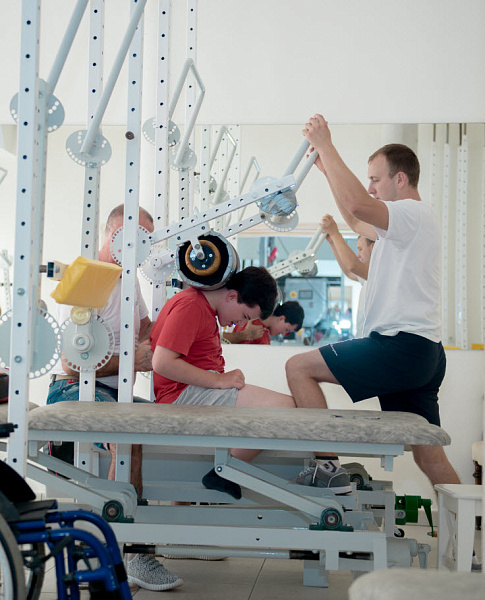
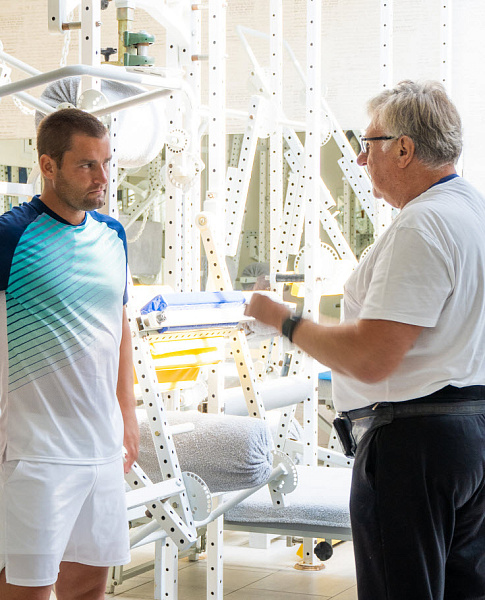
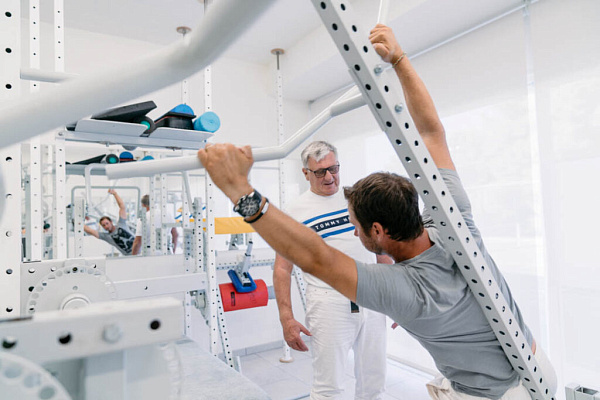
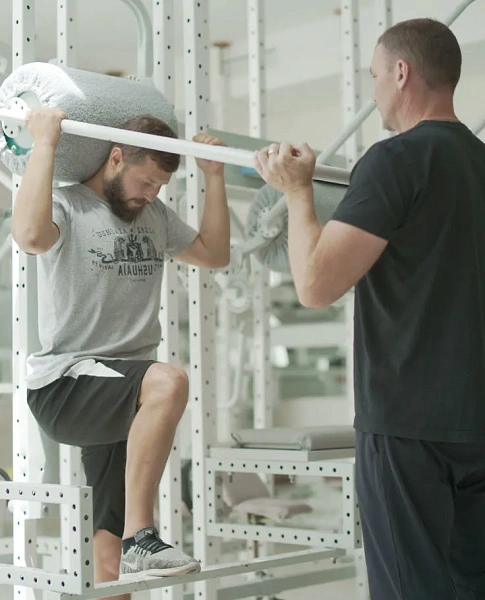
Our rehabilitation equipment offers unprecedented adaptability and precision in its impact, with a specified range of intensity, necessary angles, accelerations, and dozens of other controlled parameters. This ensures a planned response, guaranteeing the ability to restore the tissue architecture damaged by injury. Continuous monitoring of the range of motion and specific neuromuscular responses ensures consistency and predictability of results, while eliminating the risk of overload.
Rehabilitation is aimed at restoring the anatomical-morphological-and-functional norm of the affected segment, as well as the body as a whole. The following indicators and components are taken into account:
- Spatial-topographical
- Morphological
- Functional biomechanical
- Neurotrophic and neurodynamic
- Hemodynamic
- Cerebrospinal fluid dynamics and lymphatic drainage
- Information-integrative
- Vital resource: energy generation and distribution
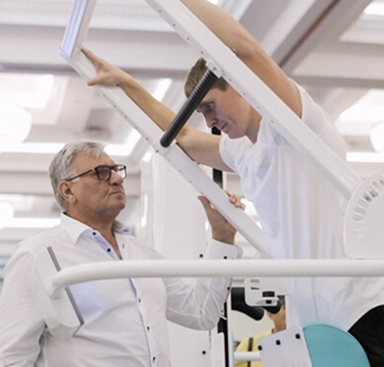
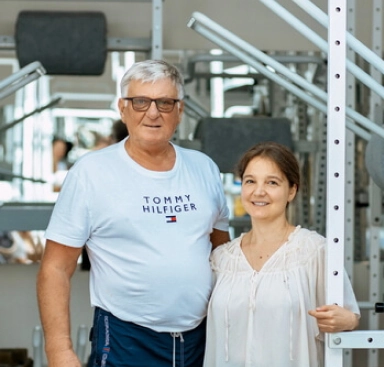
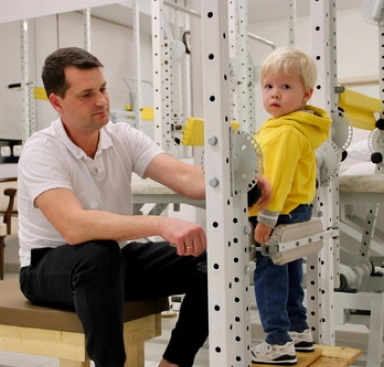
Patient stories
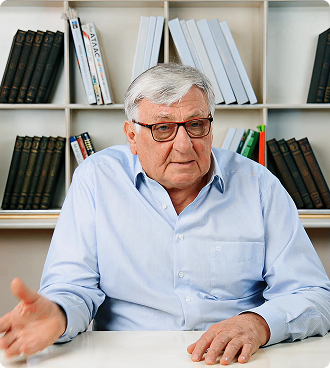
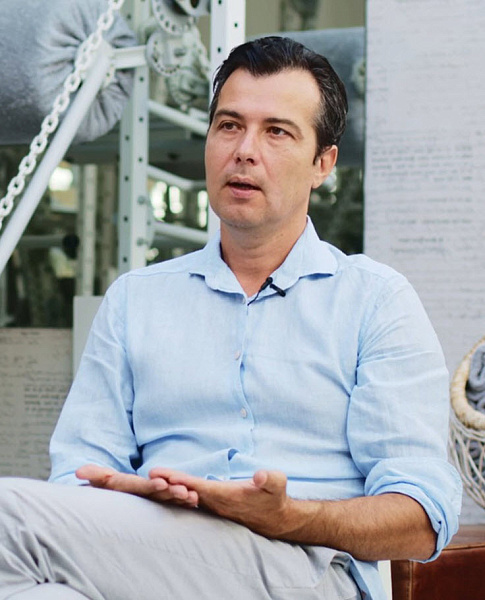
Biomechanics is how the body moves in space. Somatodynamics is what happens inside the body when it moves. Thixotropy is the ability of substances to change their viscosity under mechanical influence. How can we use the laws of biomechanics and somatodynamics to influence the metabolic processes of fluids in the body?
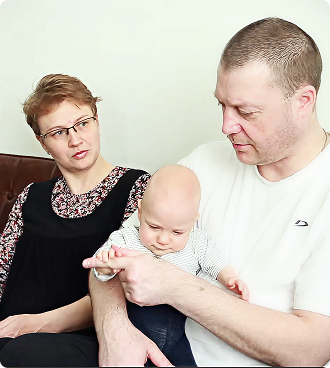
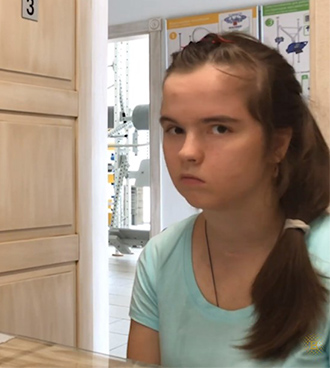
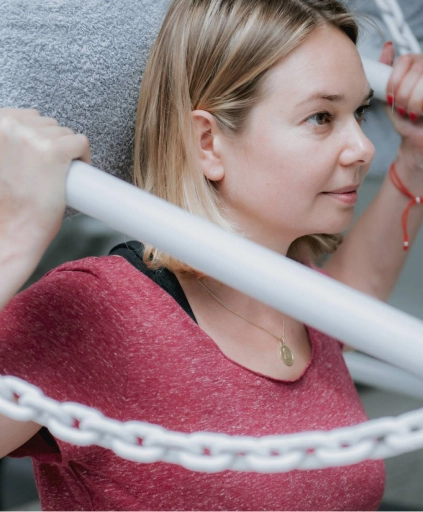
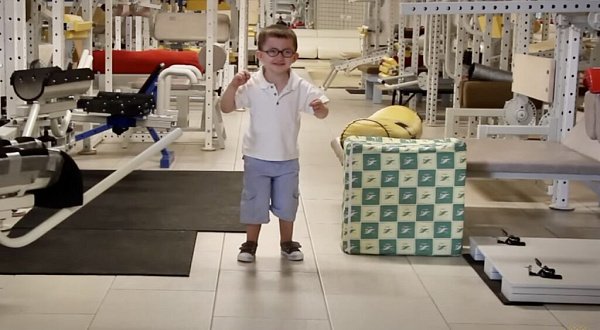
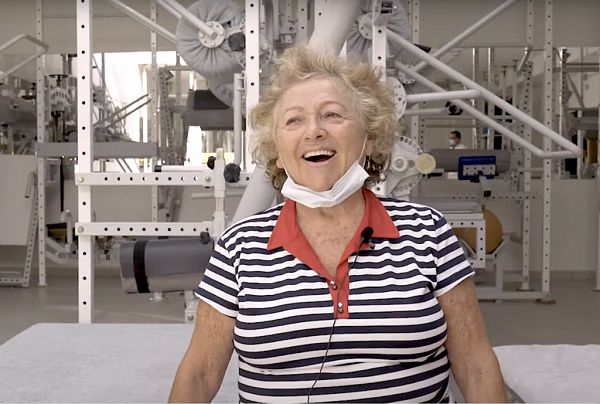
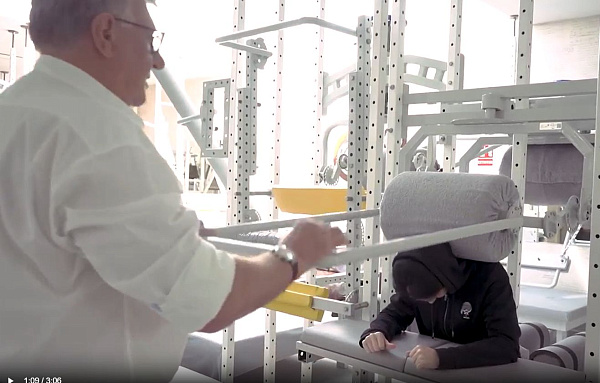
Treatment Duration: 30 days. Results: Significant improvement in motor abilities, improved coordination, ability to kneel with support. Upon completion of the course, she returned home with a set of exercises and equipment for continuing rehabilitation.

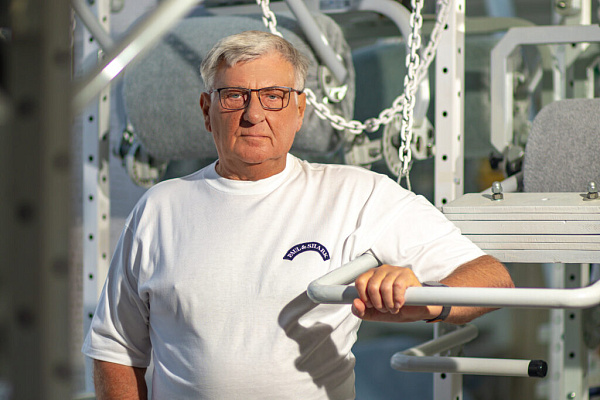
Professor Blum’s Exclusive Rehabilitation System

The center is located in a picturesque corner of the renowned resort town of Marbella, surrounded by cedar trees at the foot of La Concha mountain. Here, science and technology blend with nature, creating a space where the body returns to balance and harmony.
Technologies that deliver results
Select a program
- Personalized Health Recovery Programs
- Disease Prevention
- Customized Check-Up

Q&A
The severity of the injury depends on the person's condition at the time of the incident. The least severe consequences occur when the person was unconscious or asleep during the injury, as these patients experience less traumatic stress and muscular shielding since their self-preservation mechanisms and instincts were not activated. The most severe consequences arise when there was fear and tension from a defensive reaction. The severity is linked to a powerful cavitation "explosion" within the tissues, causing numerous microfractures and tears that extend far beyond the visible injury zone. These are difficult to diagnose, but they are critical factors in planning the timing and outcomes of rehabilitation treatment.
Yes, improvements are possible even years later. The outcome depends on the nature of the damage, previous treatment, and the body’s current resources. During a consultation, a specialist will determine which functions can be restored and what scope of work is needed. Even with long‑term TBI consequences, our brain trauma recovery program can yield meaningful gains.
Yes, even after "mild" concussions, a rehabilitation course is needed to restore cerebrospinal fluid circulation, prevent risks of increased intracranial pressure, and review adjacent organs and tissues for hidden displacements and injuries, whose consequences often appear months after the injury.
The cost of rehabilitation is calculated individually and depends on the duration of the course, the level of intensity, and the complexity of the program. The final price is determined after a consultation with a specialist, once the necessary scope of restorative interventions is clear.
TBI rehabilitation at our Center proceeds in stages and is designed individually for each patient.
- Initial specialist consultation – An online meeting with a rehabilitation physician: medical history, current complaints, and results of previous treatment are reviewed. Additional examinations are ordered if needed. Approximate duration and cost are determined at this stage.
- Development of a rehabilitation plan – The patient has an in‑person consultation with Professor Blum and a rehabilitation physician. Physical examination, biomechanical testing, and detailed diagnostics using the proprietary method are performed. Based on the data, problems and priorities are identified, and a personalized comprehensive recovery program for brain trauma is created.
- Attendance of sessions – According to the developed plan, the patient attends rehabilitation sessions at the Center. The rehabilitation physician regularly evaluates progress and adjusts loads and techniques as needed.
- Completion of the course and recommendations – At the end of rehabilitation, the patient receives detailed recommendations and a set of exercises for independent work at home to consolidate the achieved results and maintain restored functions.
The cost of a course of treatment with a stay in a hotel
- Appointments and consultations
- Creating an individual program
- Conducting personal sessions
- Appointments and consultations
- Creating an individual program
- Conducting personal sessions
Other areas of work of our Center
.webp)