

Post-Stroke Sequelae Recovery Program

- take into account medical history, type, extent, severity, and timing of the stroke
- receive a personalized recovery approach
- improve their condition even years after a stroke

Our medical strategy
Selective precise impact in accordance with the laws of biomechanics, neurology, and rheology optimises each of the life-supporting systems, improving blood flow, enhancing metabolic processes, boosting cell renewal, and removing non-viable tissues from the body. Eliminating energy deficiency is a necessary condition for the systematic improvement of motor skills, such as walking, balance, coordination, and manoeuvrability.
What consequences of stroke does treatment eliminate?
The main stroke effects people come to us for:
- walking problems, motor skill issues, complex movement difficulties, body weakness
- muscle pain in various areas, spasticity, cramps
- limited everyday life skills, difficulties with self-care
- cognitive impairments, anxiety, depression, apathy, dementia
A comprehensive individual rehabilitation program is developed taking into account the patient's medical history, risk factors that led to the stroke, the patient's age, type of stroke, duration, and severity of its consequences.
General description of the problem
Severe consequences of a stroke remain in patients with extensive brain damage. The volume of brain tissue damaged by haemorrhage, how much of it has been restored through early rehabilitation, and the extent to which the body's neuroplastic capabilities have been activated in the late recovery period — all these factors determine the quality of life for a stroke survivor.
The rehabilitation potential decreases over time, but the opportunity to improve quality of life is always present. Common issues include muscle pain, weakness, spastic muscle contractions, speech and swallowing disorders, headaches, and sleep disturbances. The pathological processes initiated by the stroke tend to progress, and the patient's health gradually worsens. Therefore, stroke rehabilitation should be conducted regularly.
-
Restoration of muscle-joint balance to normalise muscle contractile function, improve coordination of movements and balance, eliminate spasticity and muscle pain, and expand self-care skills.
-
Improvement of blood flow, lymphatic flow, cerebral fluid circulation, normalisation of metabolic processes in the brain, and normalisation of intracranial pressure.
-
Enhancement of the informational and integrative function of the central nervous system, elimination of cognitive deficits, improvement of sleep, and prevention of dementia.
-
Optimisation of the functions of the cardiovascular, respiratory, and digestive systems to increase the body's energy resources, maximising energy generation and distribution processes.
-
Improvement of body symmetry and geometry, restoration of proper movement patterns, and elimination of unnecessary energy losses.
Objectives of the program
-
Improvement of motor abilitiesImprovement of motor abilities, reduction of spasticity, weakness, and imbalance while walking.
-
Improvement of cerebral circulationImprovement of cerebral circulation, normalisation of intracranial and arterial pressure.
-
Enhancement of self-care skillsEnhancement of self-care skills, fine motor skills, and complex movements.
Proprietary methodology
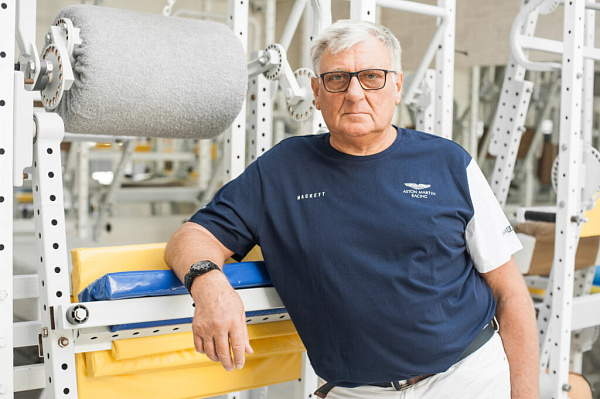
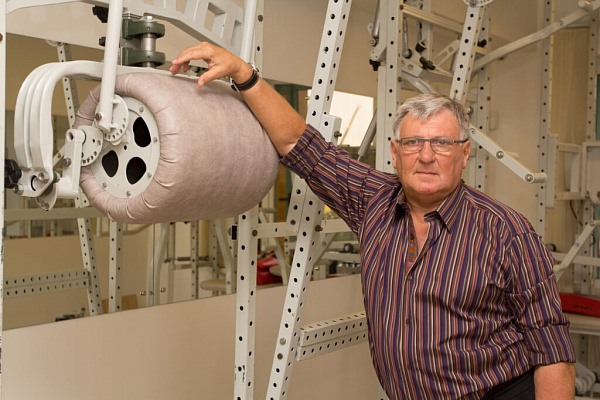
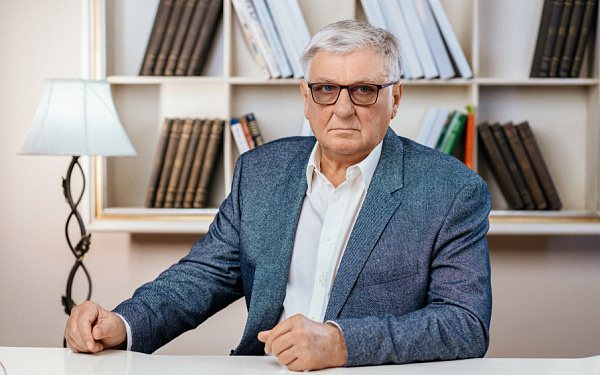
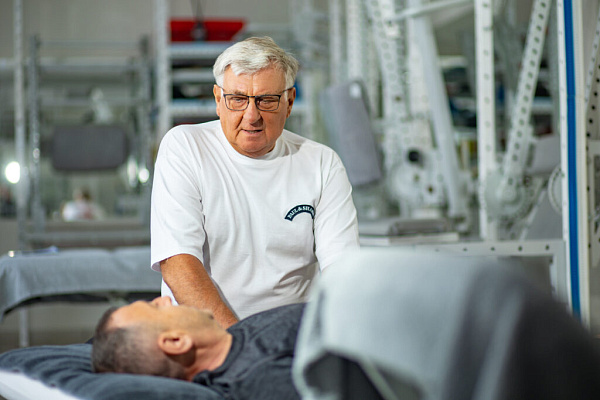
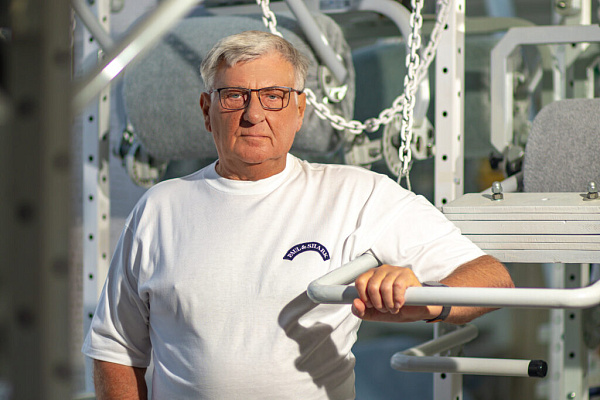
Professor Blum’s Centre has specialised for many years in the effective rehabilitation of patients with stroke effects. The patented system of methods, techniques, and specialised equipment provides stable results, improving the patient’s condition while simultaneously preventing recurrent strokes.
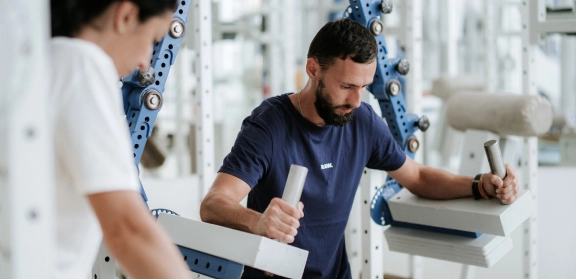
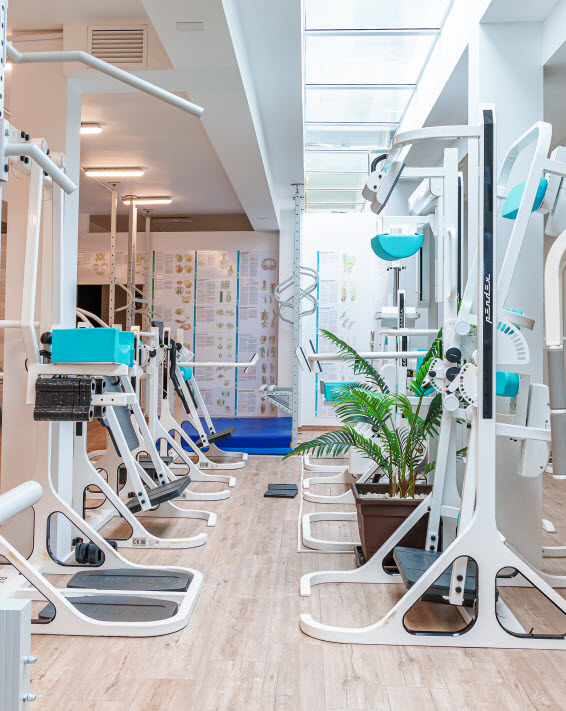
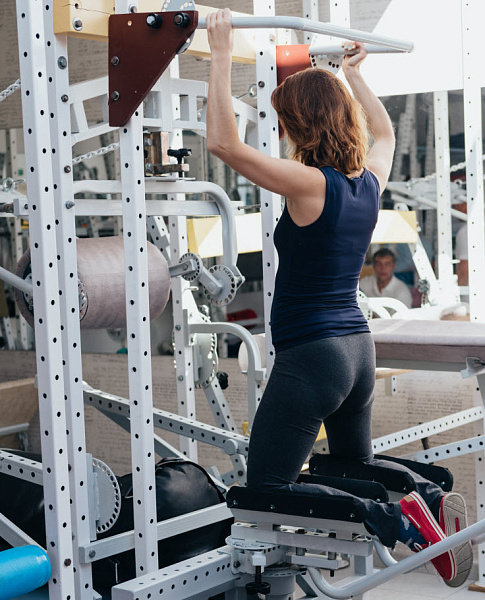
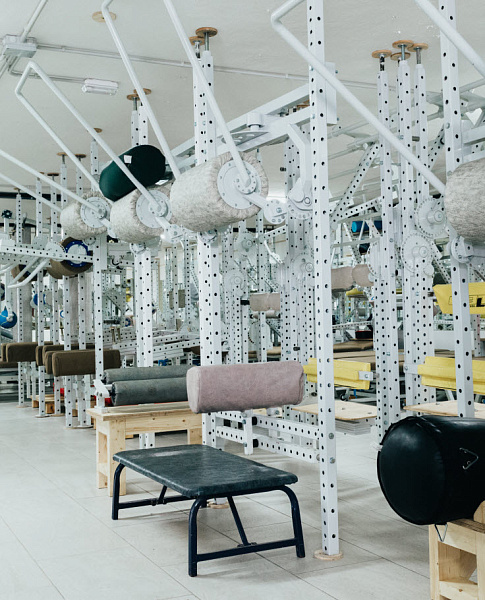
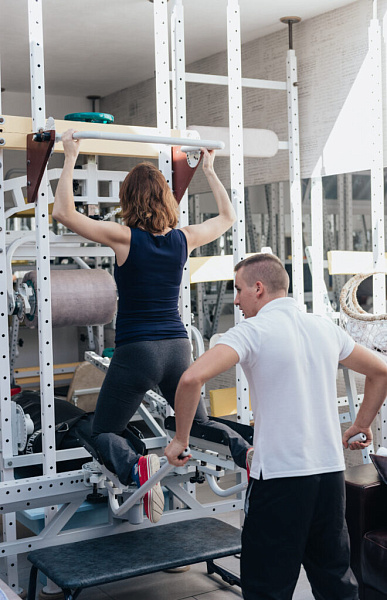
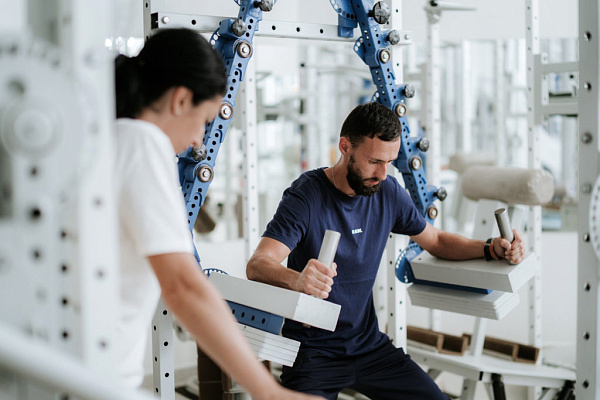
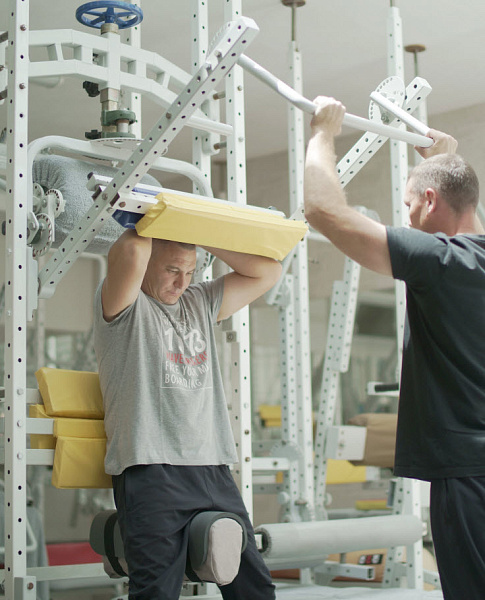
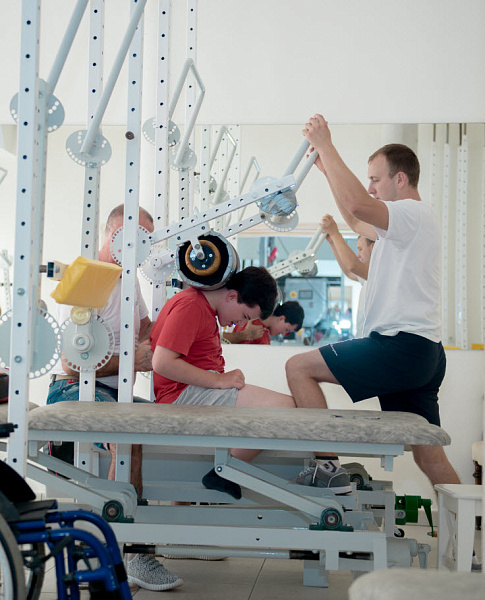
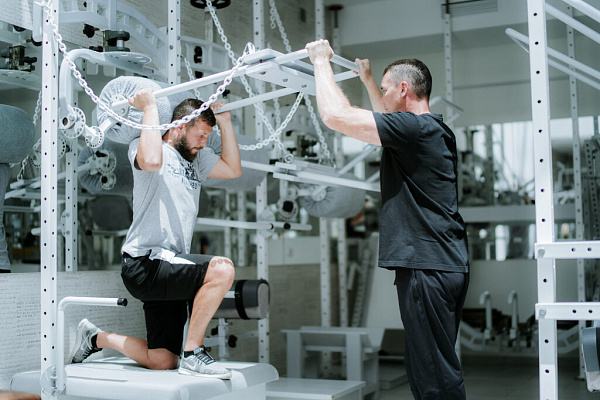
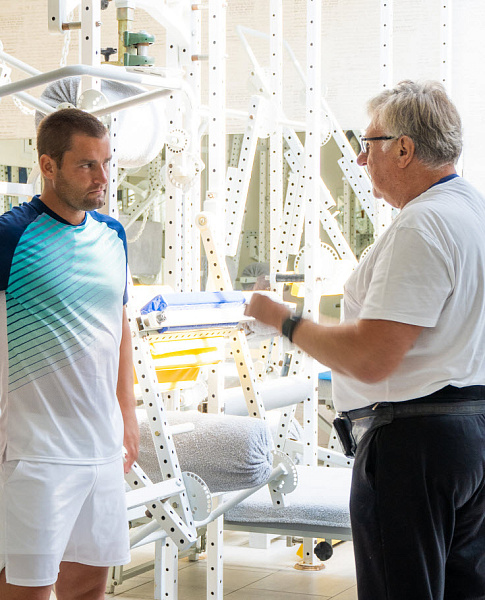
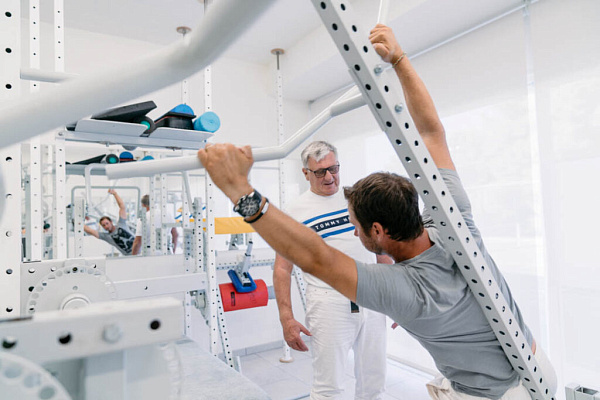
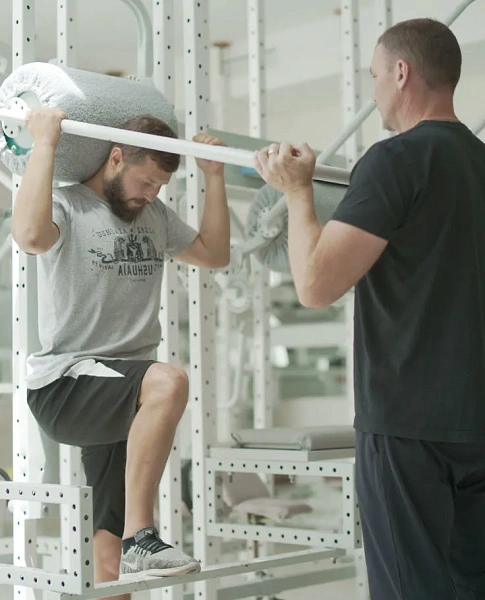
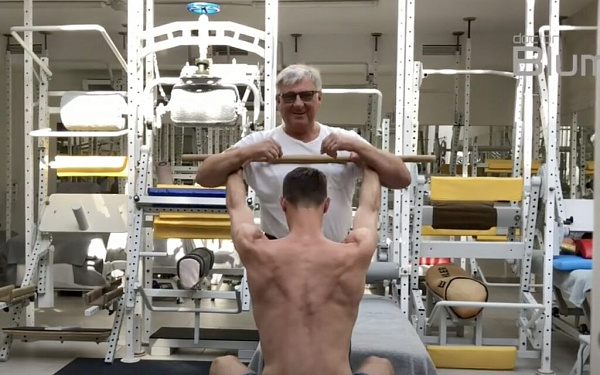
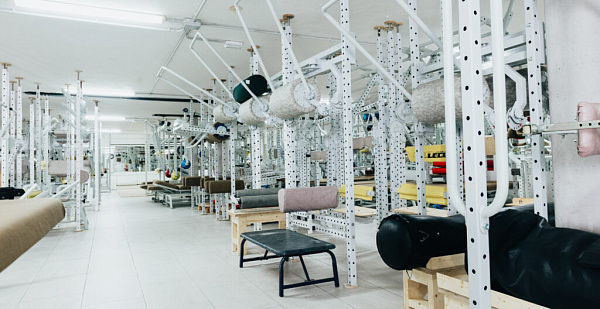
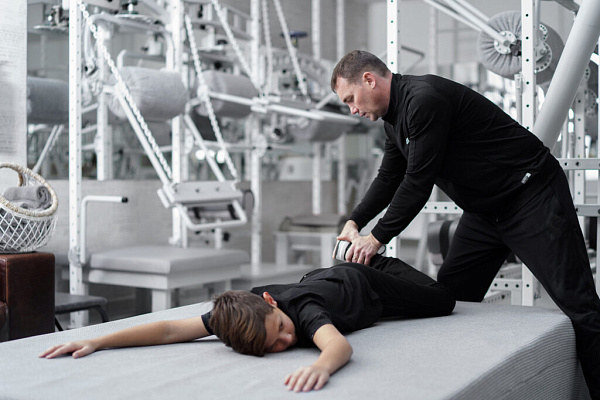
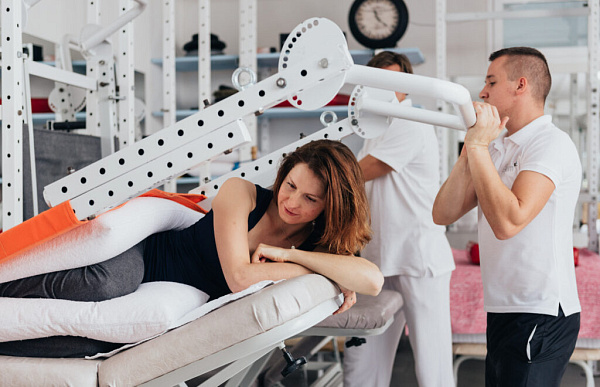
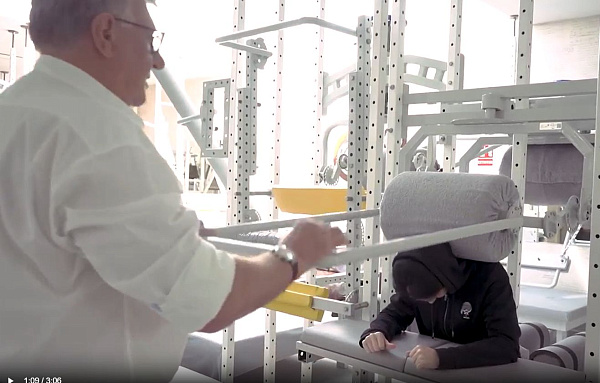
The patented rehabilitation equipment offers unique adaptability and precision in impact, with a predefined range of intensity. The required angles, accelerations, and dozens of other controlled parameters lead to a planned response even from the weakest muscle and fascial structures, activating neuroplastic and neuroprotective mechanisms, creating conditions for enhanced tissue regeneration processes. This ensures the possibility of improving functions even after the active recovery phase is complete.
Constant monitoring of the range of motion and specific neuromuscular response guarantees safety, ensures consistency and predictability of results, and prevents any overloads.
Patient stories
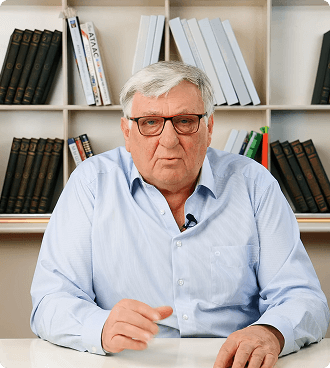
"Hardware" is the body, "software" is the soul, and the "user" is the mind (Rhacius). The more perfect the hardware, the more perfect the software can be installed. Conversely, the more impaired the body, the more primitive the software will be, and the more difficult it will be for the user (the brain) to live and survive in such a body.
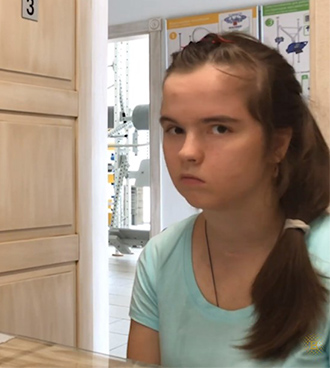
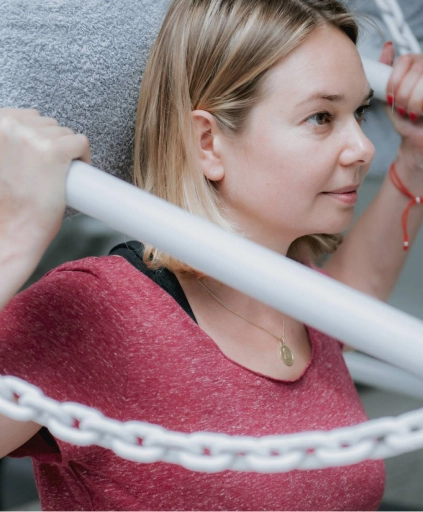
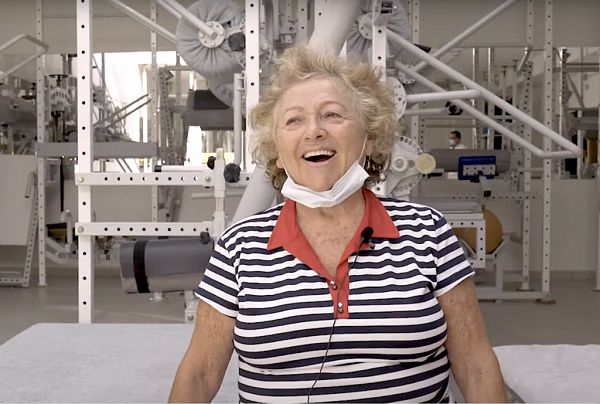
Treatment Duration: 30 days. Results: Significant improvement in motor abilities, improved coordination, ability to kneel with support. Upon completion of the course, she returned home with a set of exercises and equipment for continuing rehabilitation.
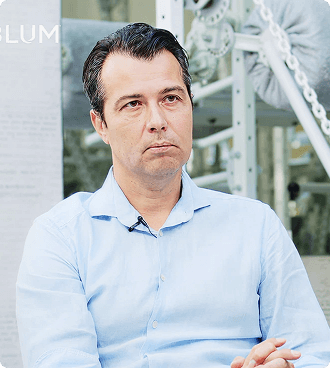
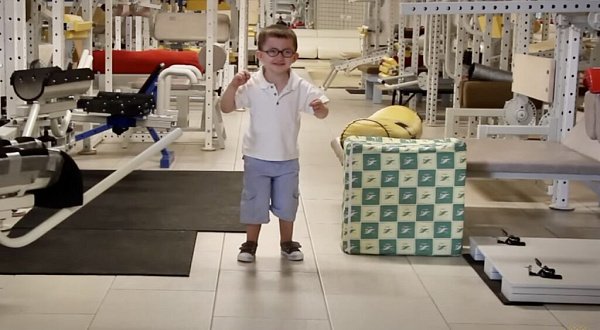
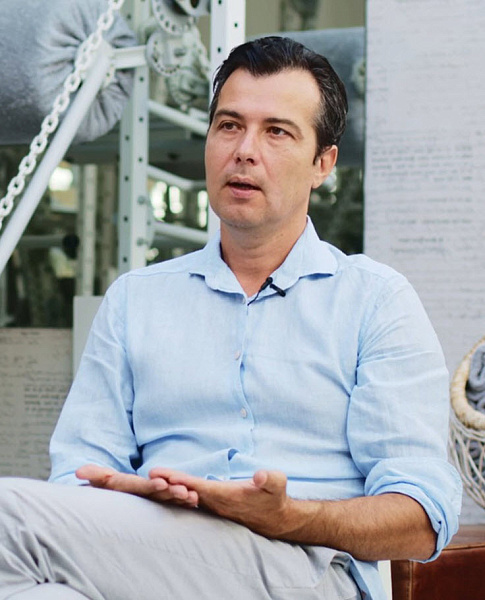
Dmitry suffered two strokes within two days, a rare case with catastrophic consequences – his brain functions were impaired. He arrived in Spain in very critical condition and faced a long rehabilitation process. As a result of the treatment, all bodily and brain functions were restored.
Professor Blum’s Exclusive Rehabilitation System

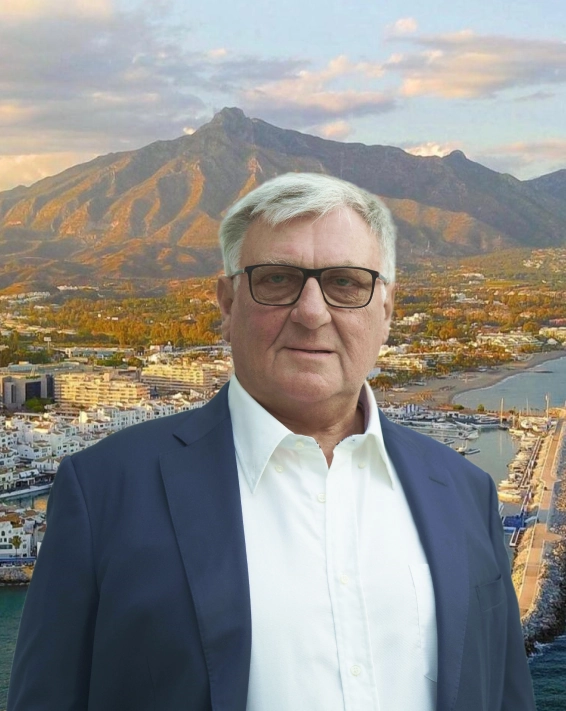
The center is located in a picturesque corner of the renowned resort town of Marbella, surrounded by cedar trees at the foot of La Concha mountain. Here, science and technology blend with nature, creating a space where the body returns to balance and harmony.
Technologies that deliver results
Select a program
- Personalized Health Recovery Programs
- Disease Prevention
- Customized Check-Up

Q&A
A recurrent stroke often occurs when there is a pronounced low energy resource, impaired body geometry, and chronic diseases. Our program includes prevention of recurrent stroke through restoring the function of internal organs, improving body symmetry, optimizing blood flow, and enhancing metabolism. This reduces the main risk factors and strengthens the body as a whole.
Restoring limb function after a stroke begins with addressing energy deficits and improving blood flow. This is followed by a gradual return of movement, from simple to complex, using biomechanical interventions and proprietary equipment. Even when more than a year has passed, progress is possible — reduced spasticity, increased range of motion, and restoration of hand motor skills and walking.
Restoring cognitive functions after a stroke requires a comprehensive approach: improving cerebral circulation, normalizing intracranial pressure, and activating neuroplasticity. We use selective biomechanical interventions that enhance metabolic processes in the cortex and subcortical structures, creating the conditions for restoring memory, attention, and thinking.
Yes, younger patients (under 45) have greater neuroplastic potential, fewer comorbidities, and a better prognosis for recovering motor and speech functions. The program is adapted to their age-specific characteristics and goals — returning to work, social activity, and a full life. It is precisely for them that post-stroke recovery offers the greatest chances of a full or near-full restoration of lost functions.
We begin not by training skills, but by restoring the body's energy resources, improving blood flow and microcirculation, and normalizing metabolic processes. This creates the physiological foundation for the body — and the brain in particular — to be able to reorganize. We use Professor Blum's proprietary equipment with precise settings and parameter monitoring, which guarantees safety and eliminates overload. As a result, we achieve stable progress even in patients for whom standard methods have not worked.
Yes. Even in the late and residual period, improvement is possible — reduced spasticity, expanded movement, improved speech and memory. The individual prognosis always varies, but the work always produces results. Many patients started rehabilitation 1–2 years later and achieved stable progress. Our method begins with restoring the body's energy resources, which creates the foundation for neuroplasticity — the brain's ability to change and reorganize, forming new neural connections and adapting even long after injury.
We work with the full spectrum of consequences:
- - restoration of motor functions after a stroke — walking, coordination, hand motor skills, elimination of spasticity and muscle pain;
- - restoration of speech — rehabilitation for post-stroke aphasia, dysarthria, and the return of communication skills;
- - restoration of cognitive functions — memory, attention, and thinking;
- - work with psycho-emotional disorders — depression, anxiety, and apathy;
- - restoration of self-care skills and everyday independence.
Recovery from the consequences of a stroke is a comprehensive program aimed at restoring lost functions: movement, speech, memory, and self-care skills. It is indicated for patients after ischemic and hemorrhagic stroke in any period — early, late, or residual. The program is built individually, taking into account the type, severity, and time since the stroke, as well as the patient's age.
Yes. The reason we achieve stable, meaningful results is that our center uses innovative methods and patented rehabilitation devices. That is why patients come from all over the world.
The main goal of rehabilitation is to give the person the highest possible quality of life. What does that mean? Being able to make yourself a cup of tea, go outside, walk the dog – in short, doing what you want and being independent. Otherwise, the person depends on caregivers who do everything as best they can and whenever they can. That situation permanently complicates life for everyone involved. That is why rehabilitation after a stroke is so important at any stage.
We can only answer that after receiving the complete medical history and treatment records, all test results, specialist reports, and a short video showing the patient’s current condition.
In neurology, there is a concept of the “rehabilitation window” – the period during which maximum recovery is possible. After a stroke, this window lasts about a year, after which it “closes.”
The most critical time is the first 3‑4 months of that year. At that point, the patient and family are often overwhelmed, unsure which method or clinic to choose – and time is precious. That is why you should start looking for a rehabilitation clinic while the patient is still in hospital, so you have a clear plan by the time of discharge.
During that time, you can send us the medical history, all test results, and specialist reports. We will analyze everything and prepare a preliminary rehabilitation program. Then, at discharge, you will know exactly where to go, what results to expect, and you won’t waste precious time.
The cost of a course of treatment with a stay in a hotel
- Appointments and consultations
- Creating an individual program
- Conducting personal sessions
- Appointments and consultations
- Creating an individual program
- Conducting personal sessions
Other areas of work of our Center
.webp)