

Pediatric Myopathy Treatment & Management Programs
- a clear, step-by-step plan of action that takes into account your child's medical history, age, and the severity of pediatric muscle disorders
- targeted work with your child's specific condition — whether hereditary or acquired
- support for the whole family at every stage of rehabilitation, not only during treatment courses
- ongoing medical supervision with regular progress assessments and program adjustments

Medical Strategy & Methodology
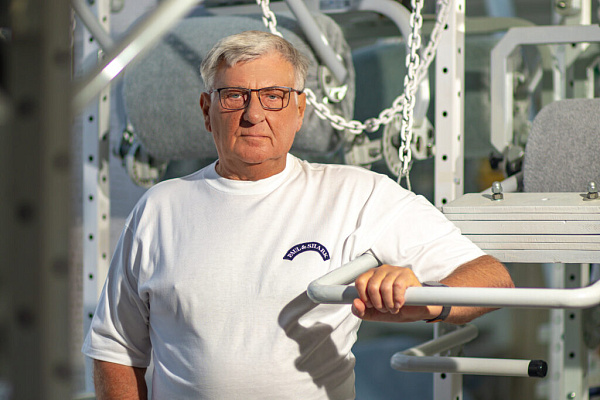
Professor Blum's approach is built around connective tissue rehabilitation — the foundation of the musculoskeletal system and the very environment in which the neuromuscular system functions. When treating pediatric myopathy, it is not enough to act on individual muscles: we work to restore the conditions that make their normal function possible — tissue trophism, neuromuscular transmission, movement biomechanics, and the stability of postural chains.
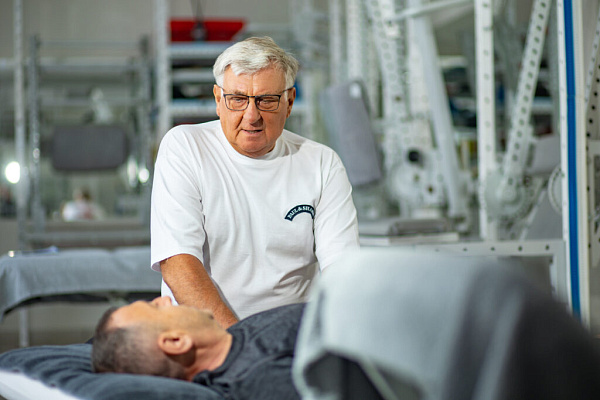
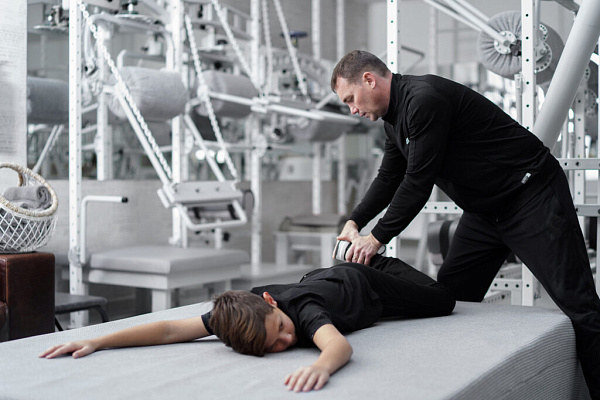
The method is based on precise, dosed, and targeted controlled mechanical stimulation of the connective tissue structures in which muscle and nerve fibers are embedded. This allows motor rehabilitation to begin not by overloading weakened muscles, but by gradually restoring their functional environment, improving movement control, correcting muscle tone, and building stable postural responses. This kind of therapy for childhood myopathy is especially important in progressive forms of the disease, where the goal is not to force rapid results, but to preserve and expand the child's existing motor abilities.
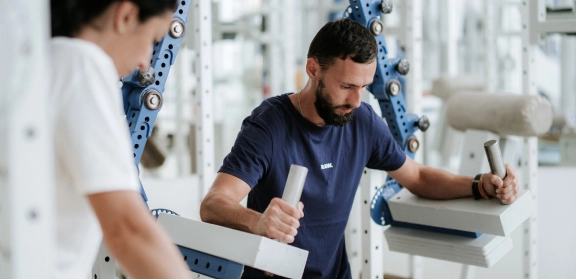
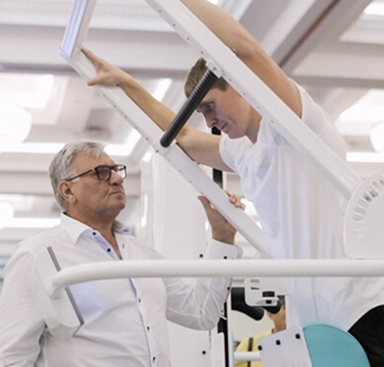
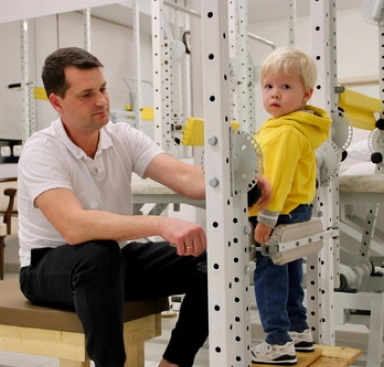
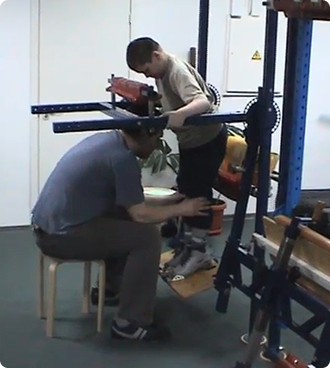
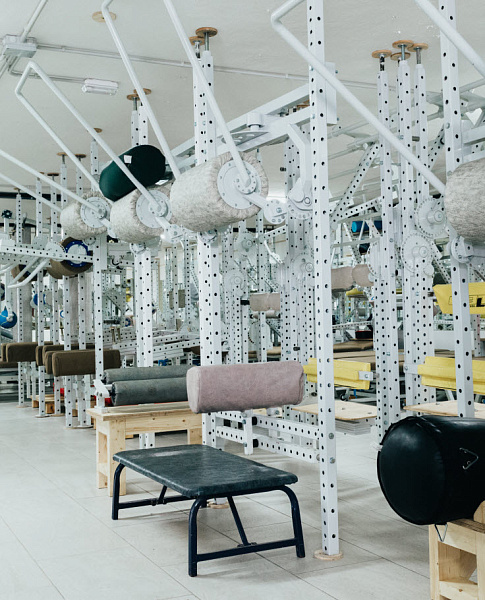
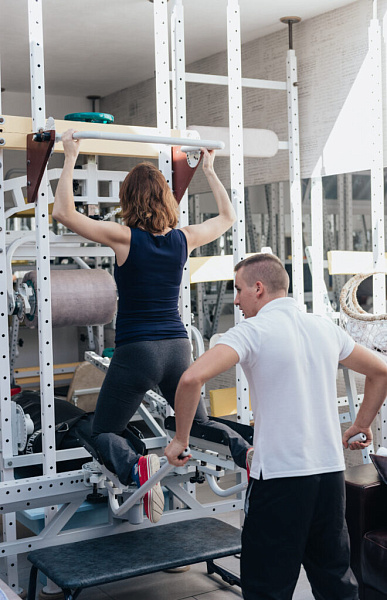
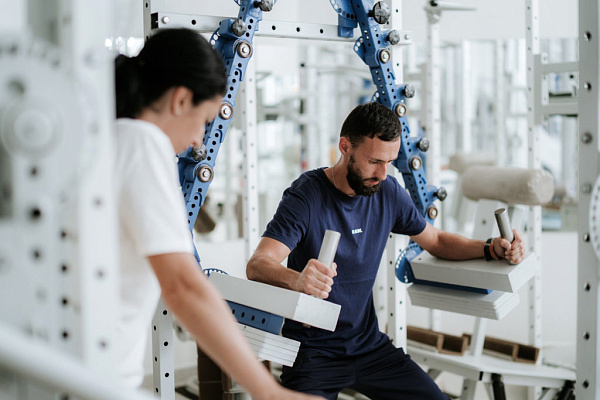
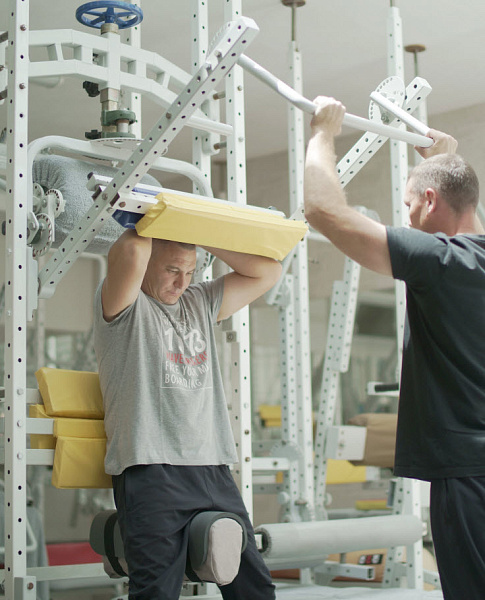
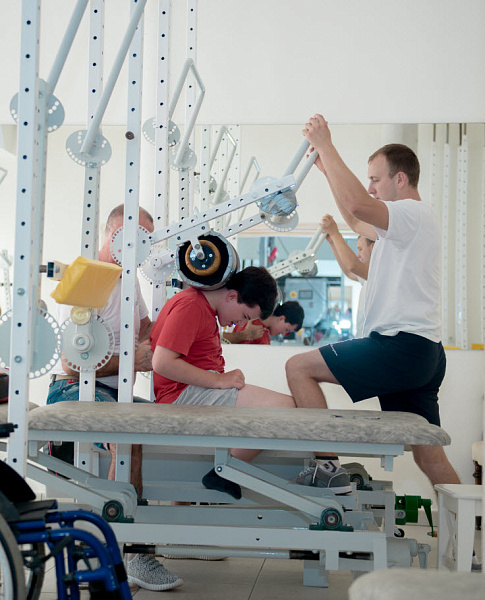
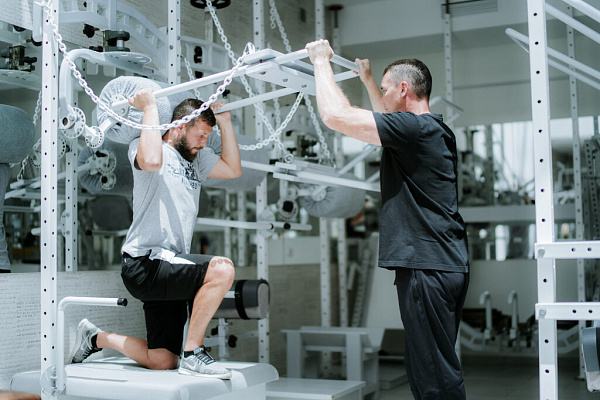
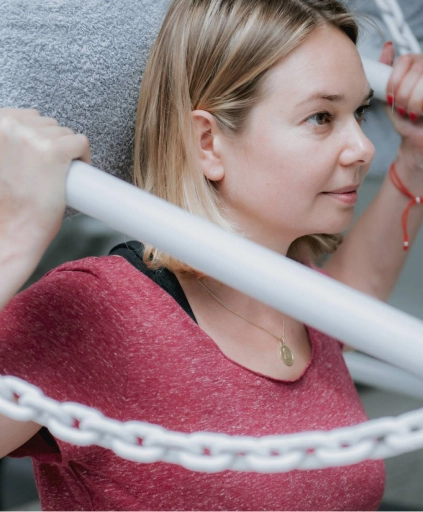
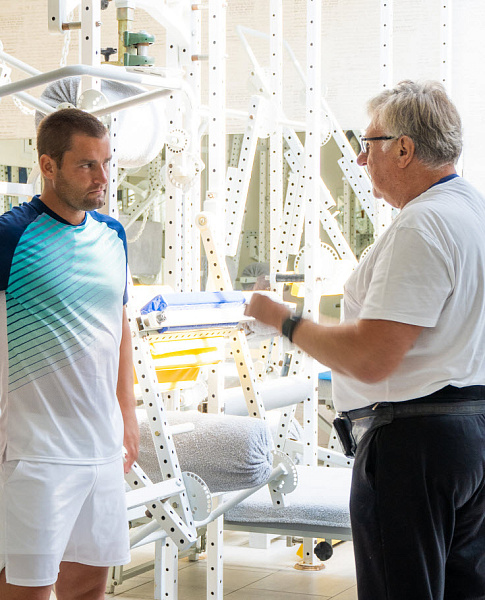
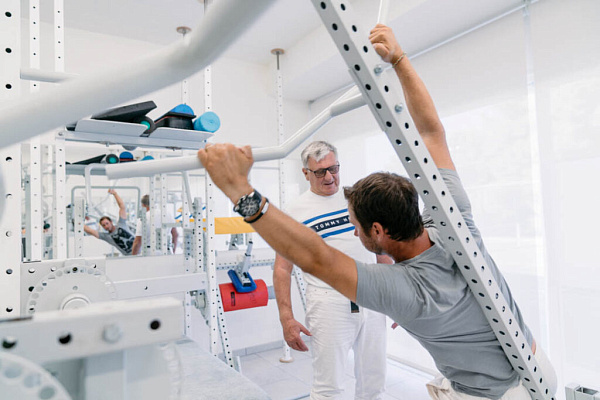
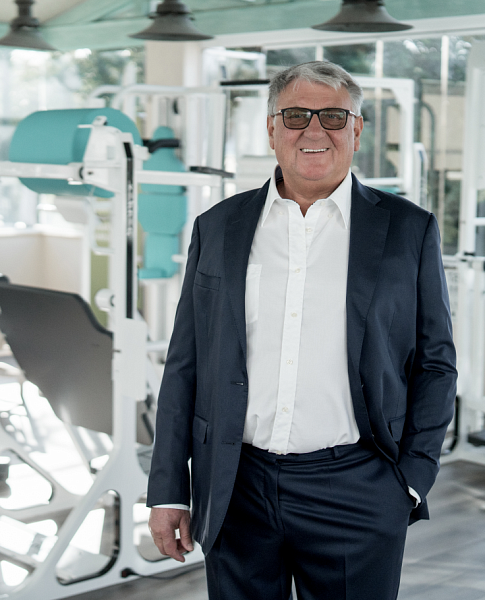
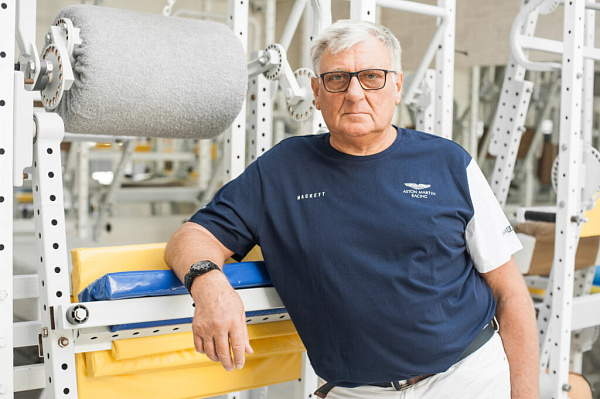
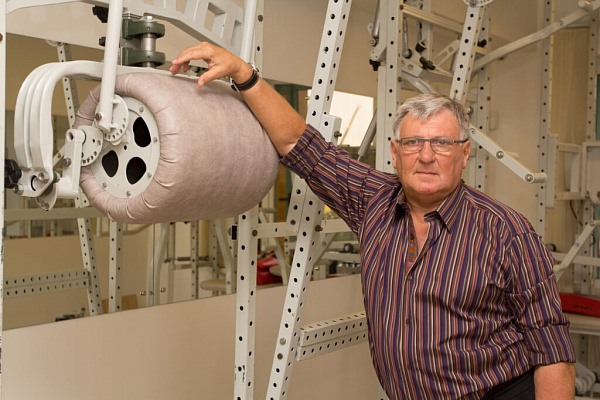
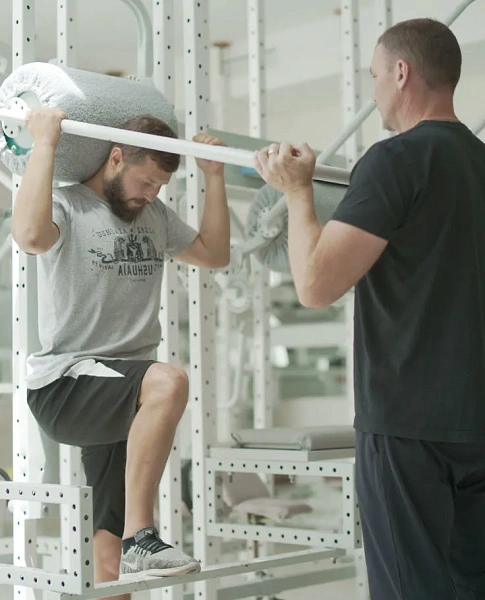
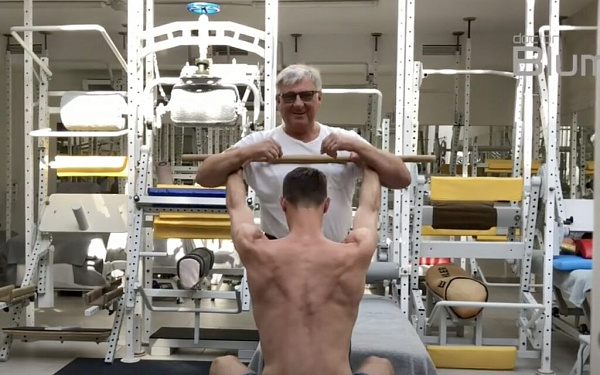
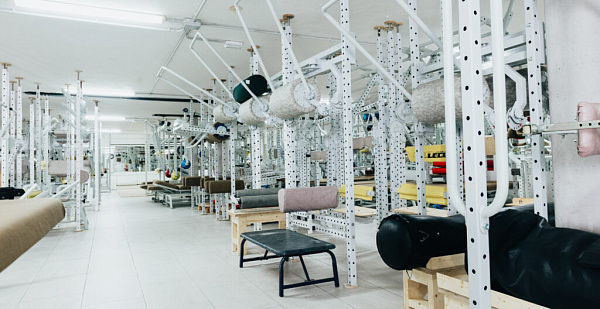
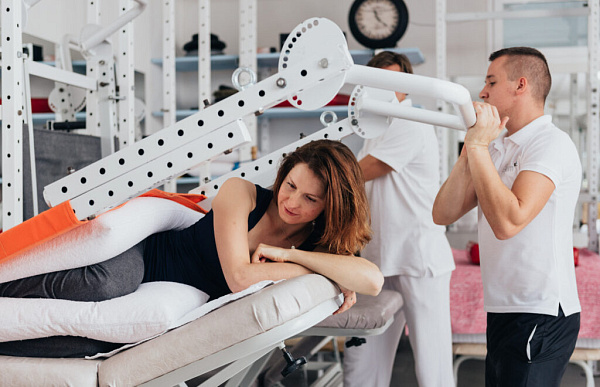
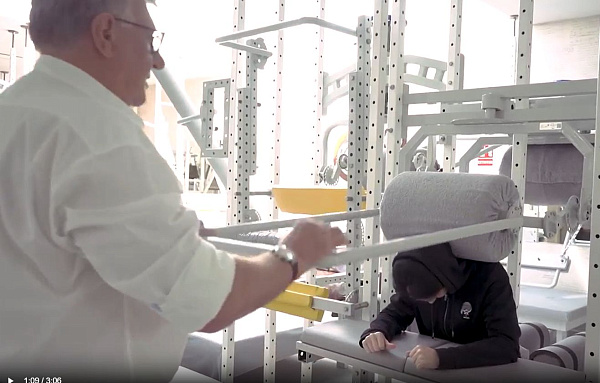
The Blum Center uses proprietary rehabilitation equipment that can be finely adjusted to each child's specific biomechanical tasks. Stimulation is delivered with high precision in amplitude, direction, intensity, and movement speed — making it safe to work even with pronounced muscle weakness.
This approach makes it possible to structure the process of restoring motor skills step by step — fr om basic reactions to more complex forms of body control in space, including postural correction and early verticalization.
Monitoring the load parameters and the muscle response allows us to achieve a predictable tissue reaction while avoiding overload and secondary damage. As a result, non-surgical myopathy therapy within the program developed by Professor Blum becomes a manageable process — with gradually expanding motor activity, sustained muscle function, and a lower risk of secondary musculoskeletal deformities.
Who Is This Program For?
This program is designed for children with various forms of myopathy and is always tailored to the individual — taking into account the stage of the disease, the clinical picture, the severity of muscle weakness, and the goals of long-term recovery.
When working with pediatric myopathy, we partner with families for whom consistent, systematic management of the child's condition is essential — with clear medical logic and close monitoring of progress. Pediatric muscle disorder treatment here is built as a single recovery strategy, not a set of disconnected procedures and exercises.
Our approach is a good fit for:
- children with hereditary myopathies and other genetic muscle conditions
- children with progressive muscular dystrophy, wh ere the priority is slowing disease progression and preserving motor function
- patients at an early stage of the disease, when there is still potential to stabilize their condition and develop compensatory mechanisms
- children with pronounced muscle weakness, low tone, gait abnormalities, and rapid fatigue
- families looking for long-term medical support with regular progress assessments, program adjustments, and monitoring of secondary complication risks
The Blum Center provides muscle disease rehabilitation for children that adapts to each of these scenarios — from early-stage stabilization to long-term management of progressive conditions.
What We Treat: Types of Pediatric Myopathies
Clinical practice shows that treating myopathy in children always requires an individualized approach: the disease can follow different paths, vary in progression speed, and involve different muscle groups. At the Blum Center, we see children with many forms of muscle tissue disease, all of which share progressive muscle weakness, declining endurance, and muscle fiber degeneration.
A large group of our patients have hereditary myopathies and congenital myopathies — conditions that belong to the spectrum of childhood neuromuscular diseases. The most common ones include:
- Duchenne muscular dystrophy
- Erb's juvenile myopathy
- Landouzy–Dejerine myopathy (facioscapulohumeral muscular dystrophy)
- Pompe disease
- Charcot–Marie–Tooth disease
- Myoshi myopathy (distal myopathy)
- Nonaka myopathy (distal muscular dystrophy)
We also work with secondary myopathies — inflammatory, infectious, drug-induced, toxic, and metabolic forms. In every case, neuromuscular rehabilitation in pediatrics is structured around the cause of the muscle damage, the child's current functional state, and their tolerance to physical load. Each family's pediatric myopathy management program is adjusted accordingly — there is no one-size-fits-all protocol here.
Understanding the Problem: What Is Pediatric Myopathy?
Myopathies are a group of serious neuromuscular diseases in which the structure and metabolic processes of muscle tissue are disrupted. For parents, the first symptoms of myopathy in children often look like simple clumsiness or weakness: a child struggles to run, has trouble climbing stairs, or tires quickly during ordinary activity. Early signs of the disease commonly include loss of muscle strength, motor development delay, unsteady walking, gait disturbances, and difficulty rising fr om a sitting position.
At the cellular level, muscle fiber damage develops because of biochemical disturbances: impaired protein synthesis, disrupted energy metabolism, and sometimes elevated CK levels in blood tests (CK levels elevation is one of the markers doctors look for). Over time, muscle tissue atrophy sets in, and part of the muscle fibers is gradually replaced by fat and connective tissue, which further restricts the child's mobility.
As the disease progresses, not only the limb muscles are affected — the respiratory muscle weakness becomes a concern, and in some forms there is cardiac involvement in myopathies. This is why starting rehabilitation as early as possible matters so much: it helps preserve the child's motor abilities for longer, slow functional decline, and reduce the risk of secondary complications. For families facing metabolic disorders in muscles and progressive disease, timely pediatric muscle disorder treatment can change the long-term trajectory — this is wh ere the early intervention benefits are most tangible.
-
Individualized rehabilitation plan — built around the form of myopathy, the child's age, and current functional state, using non-surgical myopathy therapy methods exclusively.
-
Connective tissue function restoration — rebuilding the supportive and shape-forming role of the tissues in which muscles and nerve structures are embedded.
-
Body balance and alignment — biomechanical normalization, better load distribution, and improved internal processes for more stable and energy-efficient movement.
-
Muscle function restoration — gradual engagement of weakened muscles and support of neuromuscular transmission for muscle strength and endurance improvement.
-
Contracture prevention — reducing the risk of muscle shortening and joint mobility restrictions through correct loading and tissue stretching.
-
Maintenance therapy — regular sessions to preserve achieved results and slow functional decline as the disease progresses.
Objectives of the program
-
Optimization of Vital Organs and SystemsOptimizing the work of the heart, lungs, and intestines to ensure a high level of metabolism and the energy reserves needed for recovery — supporting cardiac activity and maintaining respiratory function in the presence of neuromuscular disorders.
-
Restoration of Weight-Bearing FunctionsBuilding stable verticalization on deep muscle layers and postural muscle strengthening — working from the bone structures toward the body surface, since biomechanically, the rebirth of movement begins deep within the body. This creates the foundation for independent mobility maintenance in everyday life.
-
Motor Function RestorationRestoring motor skills in ontogenetic sequence: head control → support on the arms → rolling over → sitting → crawling → pulling to stand → cruising along support → learning walking independently. This approach allows us not only to develop movement but also to work toward prevention of disease progression. Throughout the program, families see steady gains in strength, movement, and overall quality of life improvement — the core promise of muscle disease rehabilitation for children built on the principles of neuromuscular rehabilitation in pediatric patients.
Why Choose Clinic Blum for Pediatric Myopathy Treatment
Families choose the Blum Center because our approach to pediatric myopathy is fundamentally different fr om a standard set of exercises. The proprietary rehabilitation system developed by Professor Blum works with the connective tissue environment — the structural foundation in which muscles and nerves function — rather than simply training individual muscles.
Every child follows an individualized long-term program: the equipment is precisely tuned to their biomechanics, and every session delivers precise biomechanical stimulation calibrated by amplitude, direction, intensity, and speed. Because the load is continuously monitored, the body produces a predictable tissue response — without overloads, pain, or secondary injury.
Our specialists have extensive experience with progressive forms of myopathy, including Duchenne muscular dystrophy and other genetic muscle diseases. We do not promise a cure wh ere medicine has none — instead, we focus on what can genuinely be changed: functional environment restoration, preserved mobility, secondary complication prevention, and a better quality of life for the whole family.
Start your child's personalized pediatric myopathy management program today. Book a consultation to assess muscle function, discuss treatment options, and begin restoring mobility and strength — step by step, at your child's own pace.
Patient stories
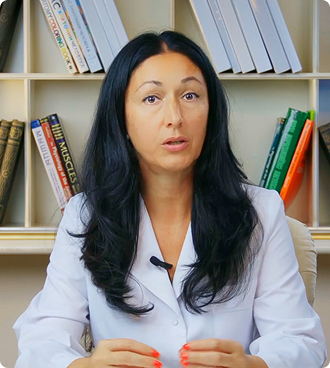
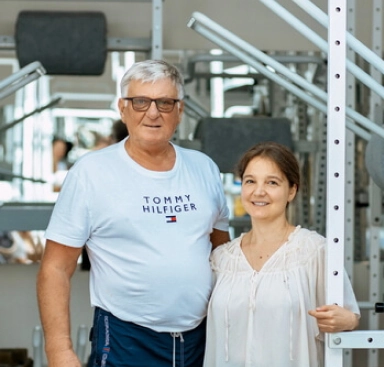
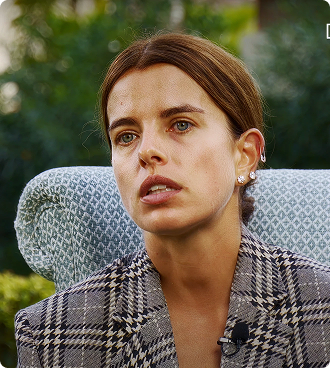
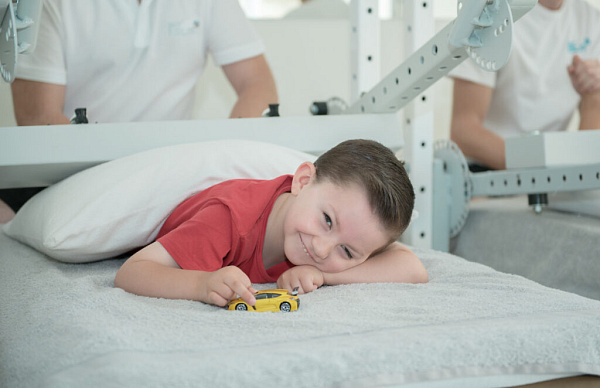
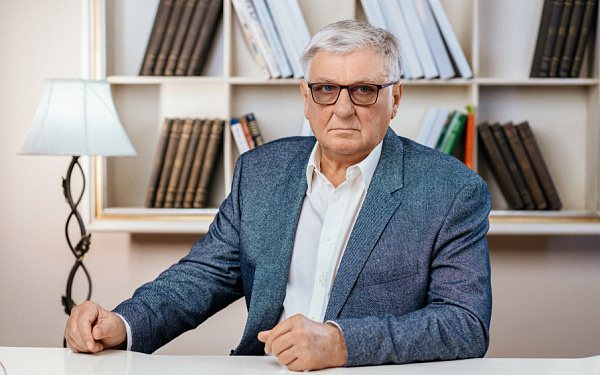
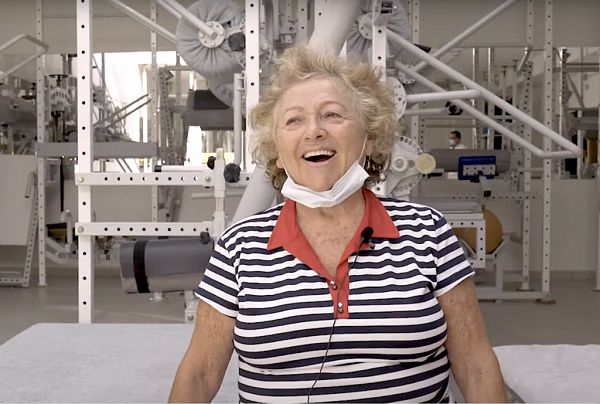
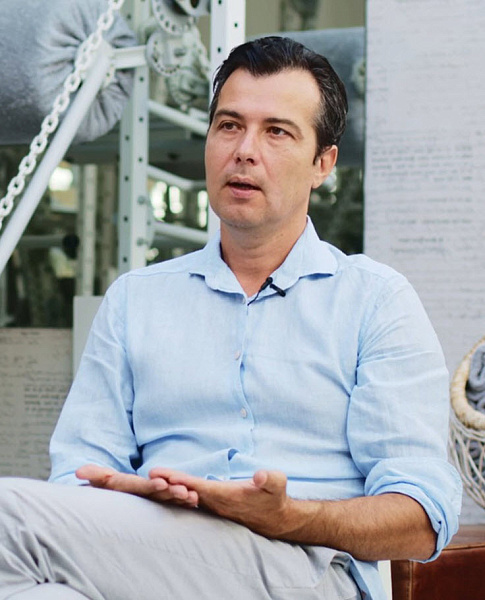
It wasn’t a miracle, it was our hard work, knowledge, and persistence, converted into results. Under the guidance of a brilliant doctor, we have beaten myopathy. Thank you, Evgeniy Evalievich, you've become a close and dear person to us. I am ready to answer all the questions from mothers of children like my Vlad, so they don’t give up and don’t miss their chance.
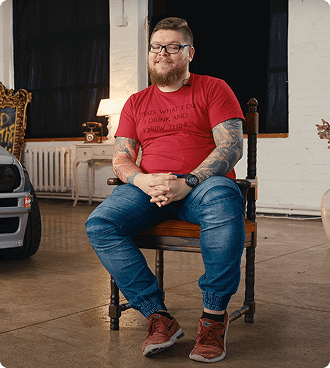
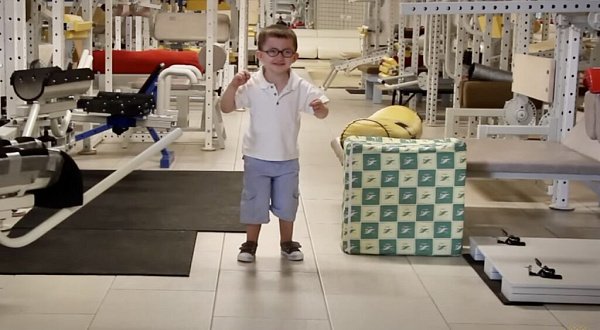
Vlad came to Professor Blum's Centre as a nine-year-old boy suffering from severe myopathy. Now, he is a completely healthy young man, living a full life, working, studying, playing sports, running, skiing, and has an active social life.
Professor Blum’s Exclusive Rehabilitation System
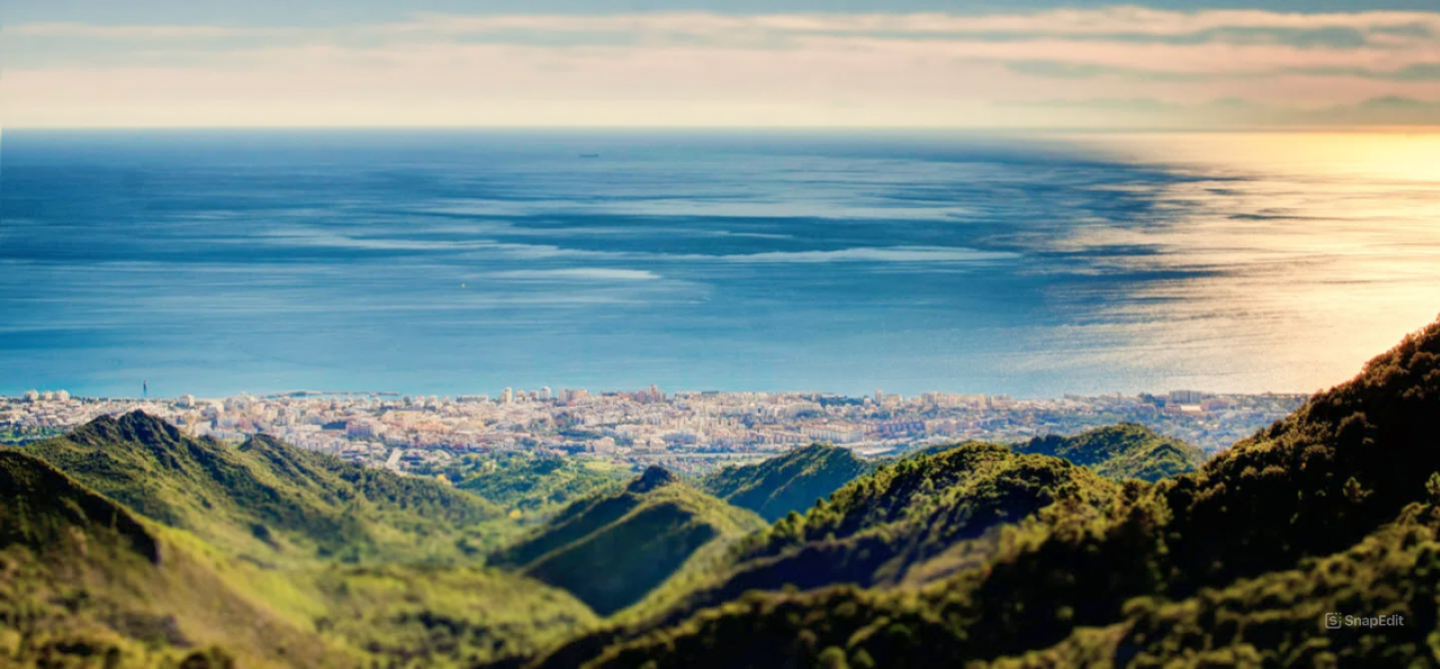
The center is located in a picturesque corner of the renowned resort town of Marbella, surrounded by cedar trees at the foot of La Concha mountain. Here, science and technology blend with nature, creating a space where the body returns to balance and harmony.
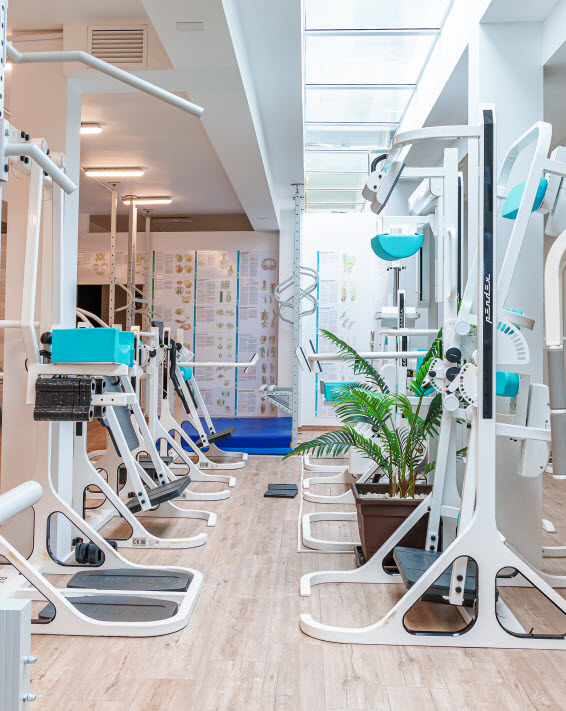
Technologies that deliver results
Select a program
- Personalized Health Recovery Programs
- Disease Prevention
- Customized Check-Up

Q&A
The earlier pediatric myopathy treatment begins, the greater the potential to shape healthy movement patterns and slow functional decline. Starting early allows us to build proper movement before compensatory patterns and secondary deformities become fixed.
What matters is not rushing for the sake of rushing, but starting consciously — while there is still an opportunity to preserve more motor skills and build a more stable long-term developmental trajectory for the child.
Myopathy is a broader term covering different diseases of muscle tissue, including congenital and acquired forms. Muscular dystrophy is one type of myopathy — typically progressive and genetic in origin. A rehabilitation program is chosen not by a diagnostic label but by the real clinical picture: the degree of muscle weakness, involvement of respiratory and cardiac muscles, and the child's level of motor independence.
The main focus is on the neuromuscular system, muscle tone correction, postural correction, and restoring motor skills — building postural control in children step by step. Load is selected individually, based on the disease stage and the child's response. At the Blum Center, no program is built fr om a template: the specialist tracks which muscle groups respond to stimulation, wh ere overstrain occurs, and adjusts the approach to avoid overloads and secondary problems. Our therapy approach to childhood myopathy follows the child's real reactions, not a standard protocol.
In many forms of myopathy, completely stopping progression is impossible because most are genetic in nature. However, systematic work can slow the rate of functional loss, keep a child independent for longer, and reduce the severity of secondary complications. For the family, this means not a miracle result but a more stable quality of life: fewer sharp drops in function, more predictable dynamics, and the ability to plan skill development around the body's real capabilities — supporting motor function preservation and muscle strength preservation over the long term.
At the Blum Center, work begins with a clinical assessment of the muscles, the neuromuscular system, and the child's functional abilities. An individual recovery plan is built on this basis. Treatment combines motor rehabilitation, muscle tone work, maintenance therapy, and monitoring of load tolerance. For parents, it is important that rehabilitation looks like a clear roadmap: what we are doing now, which tasks we are solving at this stage, and by which criteria we evaluate change.
Myopathy is a group of neuromuscular diseases in which the muscle tissue itself is primarily affected. Because of structural and metabolic disturbances in muscle fibers, strength decreases, endurance drops, and persistent movement limitations develop. For parents, this usually appears not as a diagnosis on a discharge sheet but as concrete everyday difficulties: the child struggles to stand up, walk for long, hold a posture, and tires faster than peers. Myopathies belong to the broader group of childhood neuromuscular diseases, alongside conditions such as spinal muscular atrophy (SMA). Since the course can be progressive, management is planned for long-term dynamics, not a short-term effect.
With long-term hormone use, serious complications can develop. Steroid osteoporosis: bone density decreases, bones become fragile, and fractures occur. Obesity: under the influence of corticosteroids, proteins are converted into carbohydrates, which are then stored as fat — combined with limited physical activity, this leads to weight gain. Diabetes: carbohydrate metabolism is disrupted, glycogen synthesis increases, and blood sugar rises.
There is no known cure for myopathy. Worldwide, only symptomatic therapy is used to temporarily relieve symptoms. Medication aims to support intracellular metabolic processes in nerve and muscle tissue and slow tissue breakdown — these are anabolic steroids and glucocorticosteroids. Research shows these drugs can increase muscle strength, prolong walking time, slow the progression of respiratory failure and dilated cardiomyopathy, and slow scoliosis progression. However, their side effects include the risk of spine and long-bone fractures, obesity, and diabetes. At late stages of myopathy, assisted ventilation is used as respiratory failure progresses with oxygen deficiency; when the heart muscle weakens and heart failure develops, medications that support cardiac function are prescribed; surgeries correct the spine in progressive scoliosis. At the Blum Center, non-surgical pediatric rehabilitation and physical therapy for children with myopathy complement medical management — focusing on mobility, respiratory muscle support, and prevention of joint contractures — without replacing the care of the child's physician.
Yes. At the end of every course, we always give "homework" — practical recommendations on care and exercises that help parents maintain the achieved results on their own. Rehabilitation for myopathy is a complex, long-term process, and the family's daily work is an essential part of it.
The duration of our pediatric rehabilitation programs depends on the type of myopathy, the patient's age, the presence of complications, and how long the disease has been present. The larger the volume of affected muscles, the more complex and lengthy the work. When vital organs are involved — the heart, bronchi, respiratory muscles, diaphragm — risks increase. If long-term hormone therapy has already been administered, the condition is further complicated by side effects. To determine the exact duration and cost of a rehabilitation course, sign up for a free online consultation with a Blum Center physician.
In the vast majority of cases, the main manifestation of myopathy — as of other neuromuscular diseases — is muscle weakness. Other symptoms include:
- - rapid fatigue
- - cramps
- - decreased muscle tone (muscle tone disorders)
- - muscle pain
- - difficulty climbing stairs
- - difficulty raising the arms or rising from a chair
- - unsteady walking
- - gait abnormalities in children, such as a waddling ("duck-like") gait
- - motor development delay
The cost of a course of treatment with a stay in a hotel
- Appointments and consultations
- Creating an individual program
- Conducting personal sessions
- Appointments and consultations
- Creating an individual program
- Conducting personal sessions
Other areas of work of our Center
.webp)