

Late Stroke Rehabilitation

- consider medical history, stroke severity, and consequences
- receive a personalized recovery approach
- start rehabilitation even several years after a stroke

Our medical strategy
Selective Precision Impact
In accordance with the laws of biomechanics, neurology, and rheology, this targeted approach optimises each of the vital systems, improving blood flow, enhancing metabolic processes, cellular renewal, and the elimination of non-viable tissues from the body. Eliminating energy deficits is a necessary condition for the gradual improvement of motor skills, such as walking, balance, coordination, and agility.
Effectiveness of Rehabilitation in the Late Period After Stroke
The main types of impairments that people seek help for include:
- Impairments in walking, motor skills, complex movements, and overall body weakness
- Muscle pain in various areas, spasticity, and cramps
- Limited daily living skills and difficulties with self-care
- Cognitive impairments, anxiety, depression, and apathy
A comprehensive, individualised rehabilitation program is developed taking into account the patient's medical history, the risk factors that led to the stroke, the patient's age, type of stroke, its duration, and the severity of its consequences.
General problem description
The late recovery period begins 6 months after a stroke and can last up to 2 years. During this time, the body’s rehabilitative potential significantly decreases, but it is crucial to continue recovery treatment. Properly organised rehabilitation can yield good results and expand functional capabilities.
The primary goals are to reduce stroke-related complications and prevent the risk of second and third strokes. Key issues during this period include paralysis, impaired motor coordination, pain, sleep disorders, depression, cognitive impairments, and dementia.
The pathological processes initiated by the stroke continue to progress, leading to a gradual deterioration of health. Therefore, rehabilitation during the late period must be conducted regularly.
-
Restoring Muscle-Joint Balance: Aiming to normalise muscle contraction function, improve movement coordination and balance, reduce spasticity and muscle pain, and enhance self-care abilities.
-
Improving circulation of blood, lymph, and cerebral fluid, normalising metabolic processes in the brain, and stabilising intracranial pressure.
-
Enhancing Cognitive Functions: Improving the integrative information processing function of the central nervous system, reducing cognitive deficits, improving sleep, and preventing dementia.
-
Optimising System Functions: Boosting the cardiovascular, respiratory, and digestive systems to increase the body's energy resources, maximising energy generation and distribution processes.
-
Improving Body Symmetry and Movement Patterns: Restoring correct motor patterns and eliminating unnecessary energy losses through improved body symmetry and alignment.
Objectives of the program
-
PreventionPrevention of risk factors for recurrent stroke.
-
Elimination of vascular insufficiencyElimination of vascular insufficiency and improvement of brain functions.
-
Recovery of motor functionsMaximising the recovery of motor functions.
Proprietary methodology
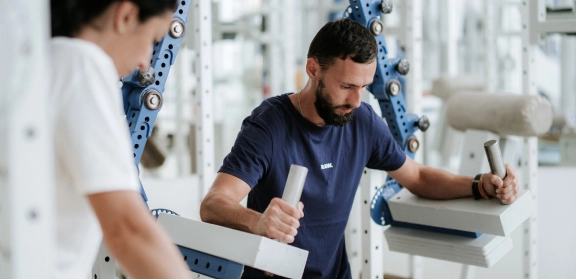
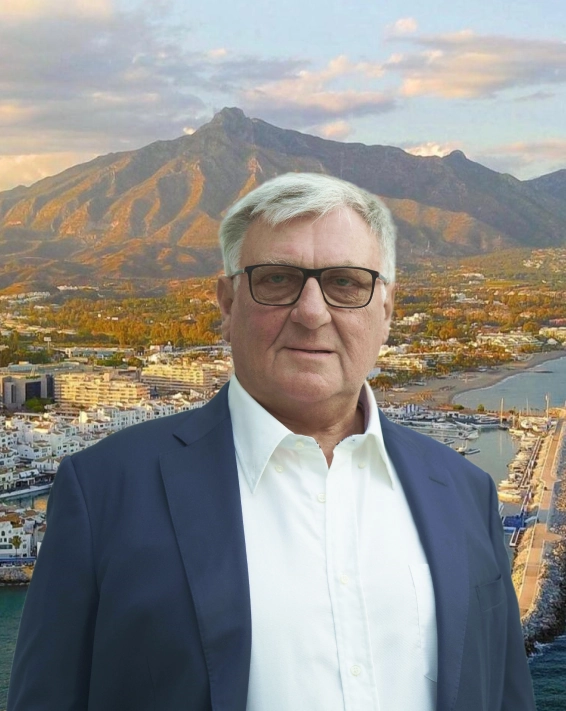
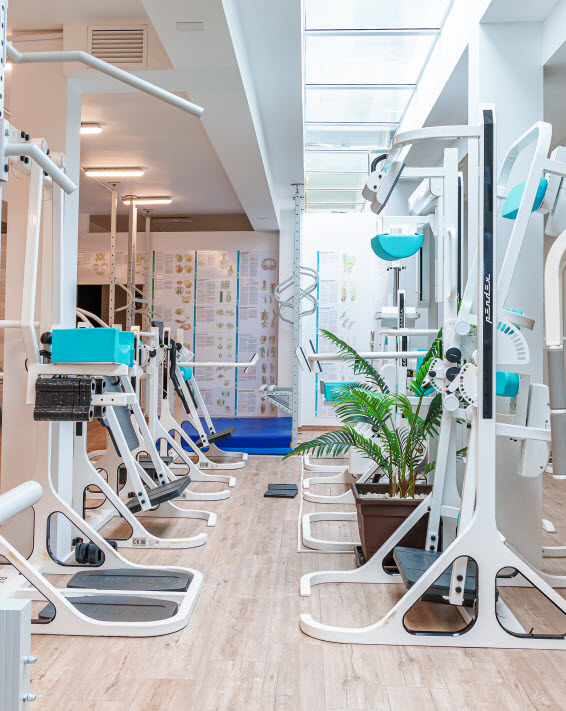
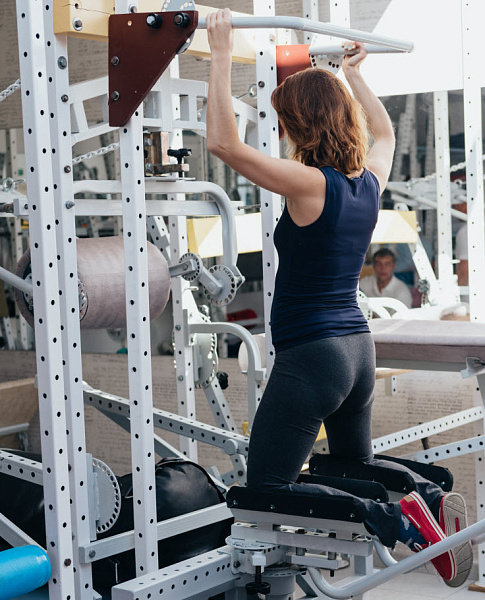
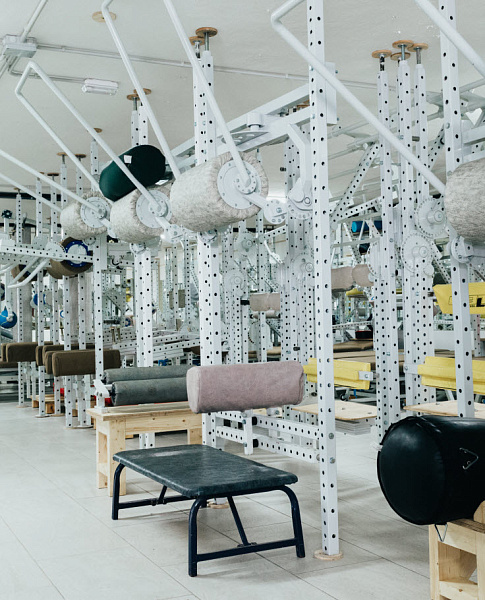
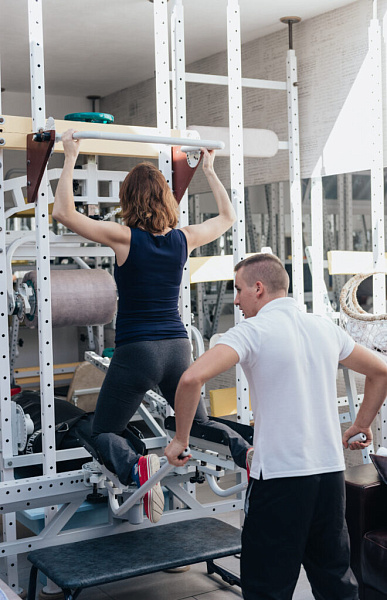
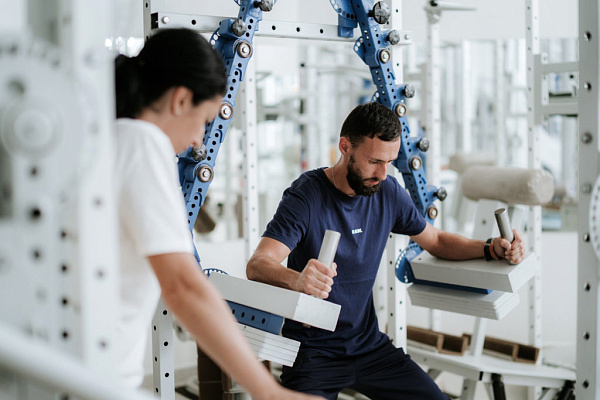
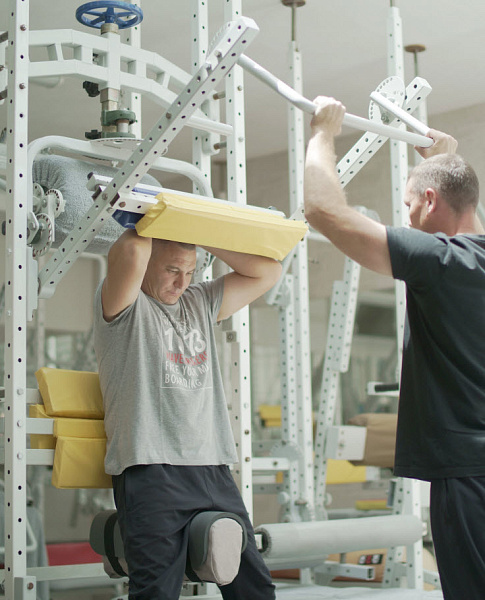
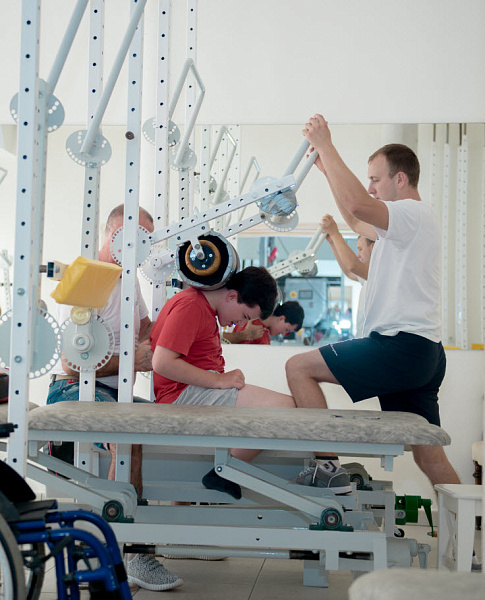
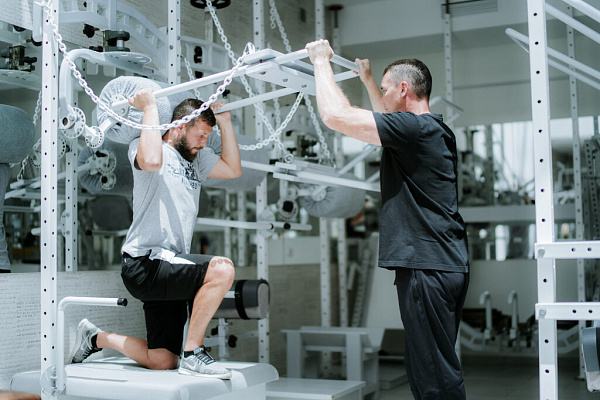
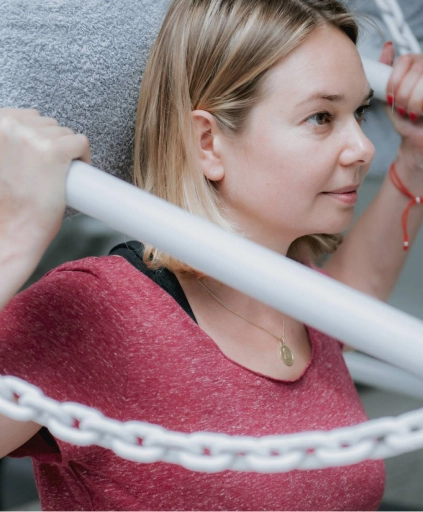
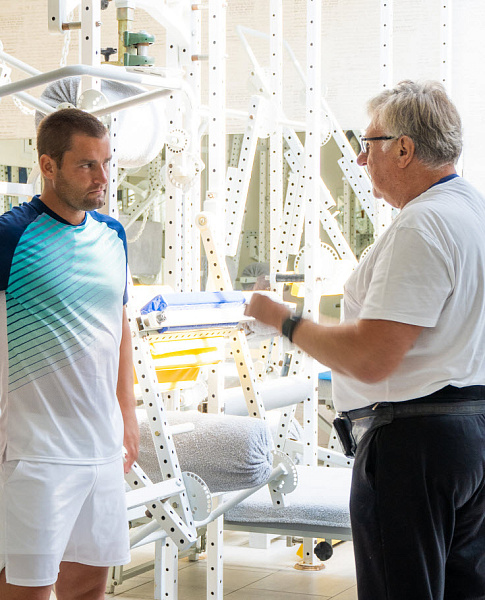
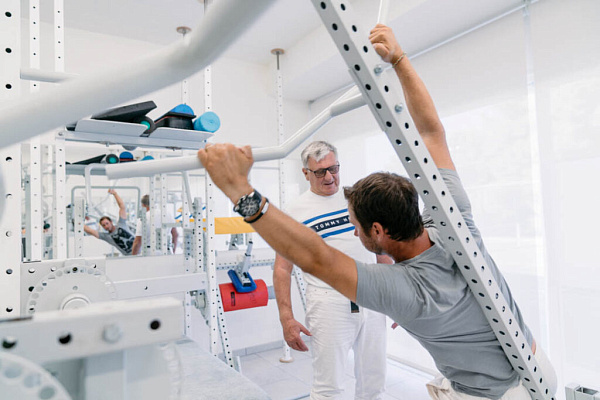
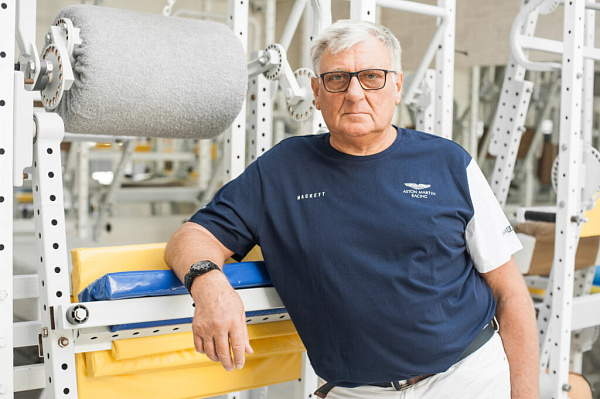
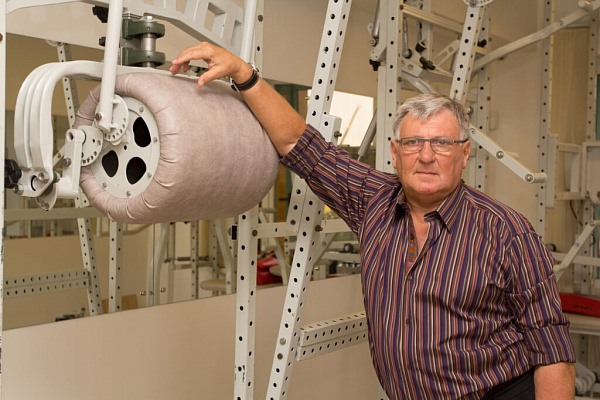
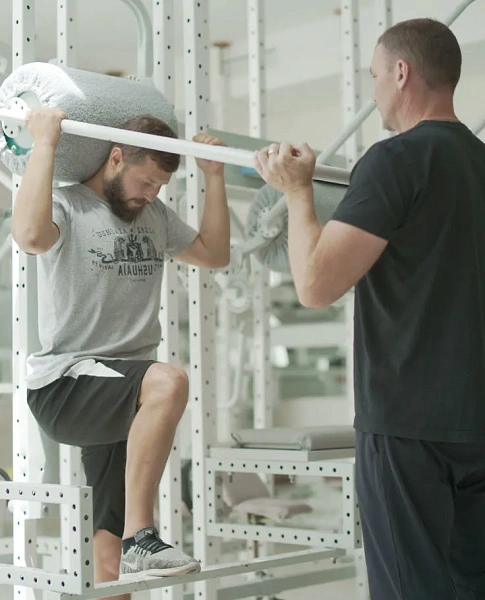
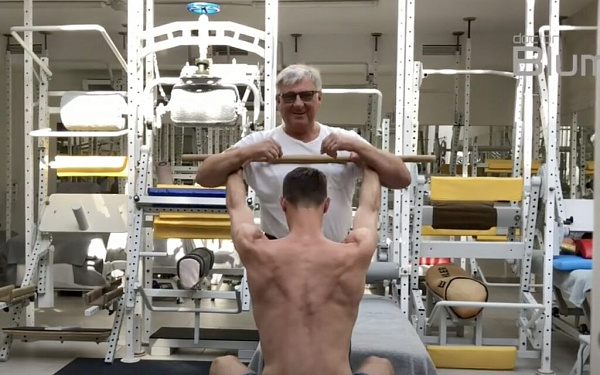
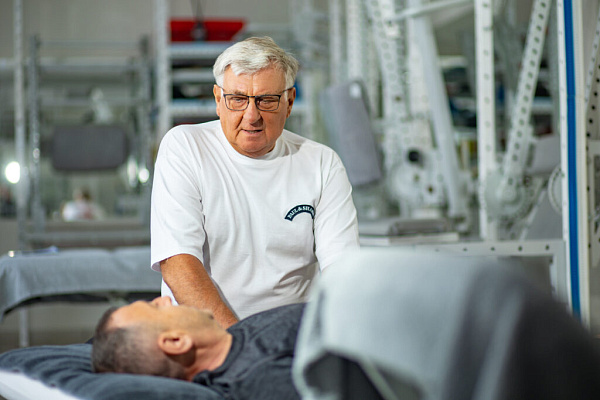
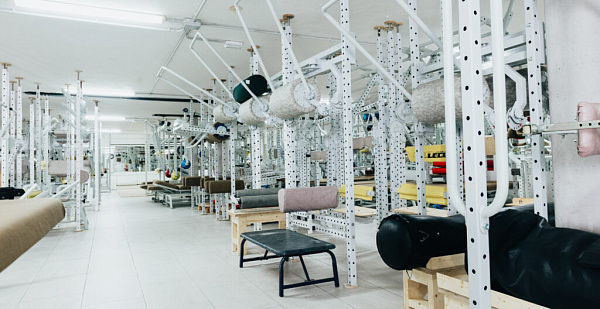
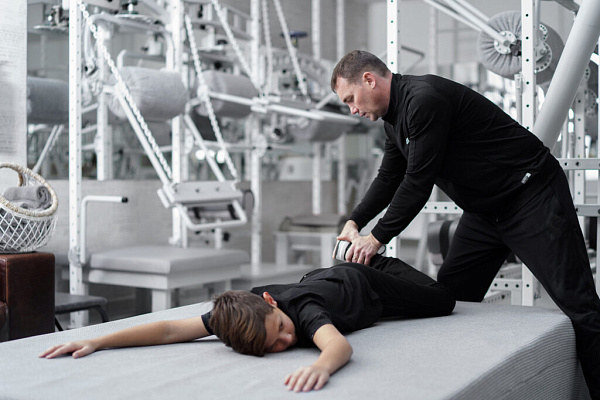
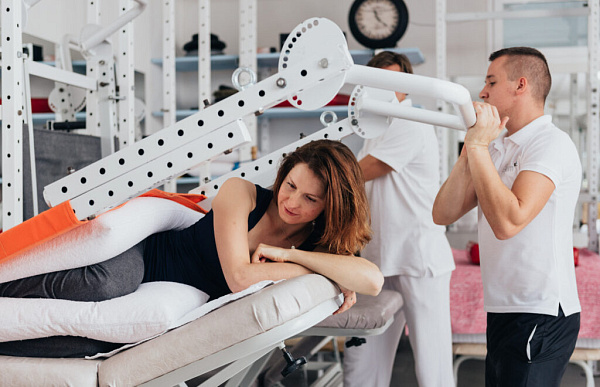
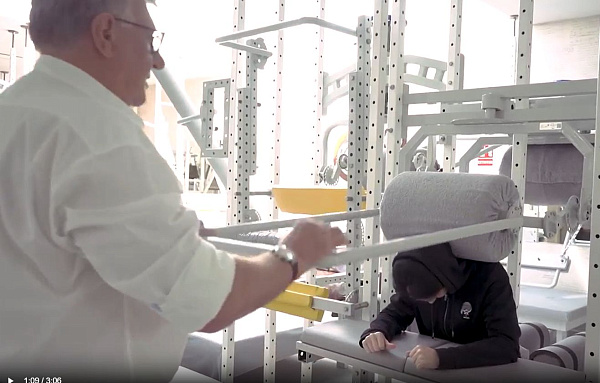
Professor Blum's Centre has specialised for many years in the effective recovery of stroke patients during the late rehabilitation period. The patented system of methods, techniques, and specialised equipment consistently delivers results, reducing the impact of stroke while simultaneously preventing recurrence. The patented rehabilitation equipment offers unprecedented adaptability and precision in targeting, with a defined range of intensity.
Controlled parameters such as angles, accelerations, and dozens of other factors lead to the intended response even from the weakest muscular and fascial formations. This activates neuroplastic and neuroprotective mechanisms, creating conditions for enhanced tissue regeneration, ensuring the improvement of functions even after the active recovery phase has concluded.
Constant monitoring of the range of motion and specific neuromuscular responses guarantees safety, ensures consistency and predictability of outcomes, and eliminates any risk of overload.
Patient stories
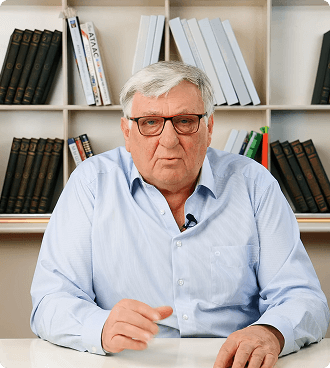
"Hardware" is the body, "software" is the soul, and the "user" is the mind (Rhacius). The more perfect the hardware, the more perfect the software can be installed. Conversely, the more impaired the body, the more primitive the software will be, and the more difficult it will be for the user (the brain) to live and survive in such a body.
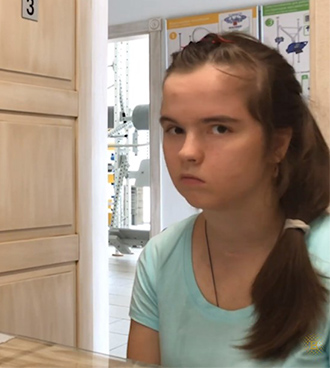
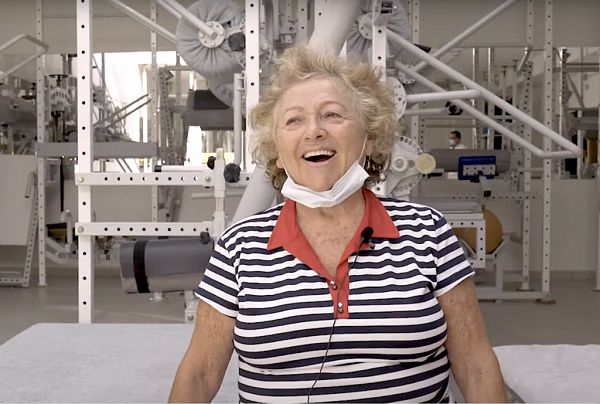
Treatment Duration: 30 days. Results: Significant improvement in motor abilities, improved coordination, ability to kneel with support. Upon completion of the course, she returned home with a set of exercises and equipment for continuing rehabilitation.
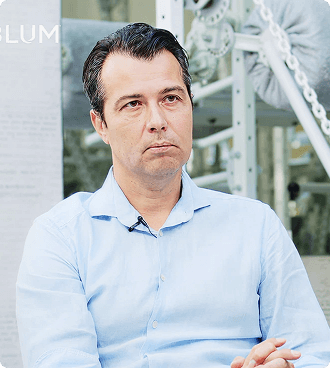
Dmitry suffered two strokes within two days, a rare case with catastrophic consequences – his brain functions were impaired. He arrived in Spain in very critical condition and faced a long rehabilitation process. As a result of the treatment, all bodily and brain functions were restored.
Professor Blum’s Exclusive Rehabilitation System

The center is located in a picturesque corner of the renowned resort town of Marbella, surrounded by cedar trees at the foot of La Concha mountain. Here, science and technology blend with nature, creating a space where the body returns to balance and harmony.
Technologies that deliver results
Select a program
- Personalized Health Recovery Programs
- Disease Prevention
- Customized Check-Up

Q&A
Absolutely, there is. Late rehabilitation after a stroke produces results even several years later: it can reduce spasticity, expand daily independence, and lower the risk of a recurrent stroke. The main thing is to choose the right strategy. We have patients who started two years later and achieved stable progress.
Yes, it does. Depression in this condition is often linked to poor blood supply to the brain and general exhaustion. Once blood flow improves, intracranial pressure normalizes, and sleep and cognitive functions are restored, anxiety and apathy recede. Emotional state stabilizes naturally, without medication.
Recovery from paresis requires time, patience, and systematic work. We do not seek to force the load when the body is not yet ready for it. First, we focus on the overall functional state, blood circulation, and energy resources, and then gradually restore movement.
The work is structured in stages: from simple and basic movements to more complex, coordinated, and functional ones. Each subsequent stage builds on the person's capabilities and the results of the previous one.
Even if a year or more has passed since the stroke, the potential for improvement may remain. With regular and well-structured rehabilitation, it is possible to gradually improve strength, control, and quality of movement, increasing independence in daily life.
Restoring motor functions in cases of paresis and paralysis after a stroke is one of the key areas of our work.
Reducing spasticity without medication is possible through restoring muscle-joint balance, applying dosed eccentric loading, and working with fascial structures. The proprietary equipment is calibrated to gradually normalize tone, eliminate cramps and pain. Treating spasticity after a stroke at our center delivers lasting results without overloading.
Memory and attention impairments are a common consequence of stroke. Their recovery requires a comprehensive approach aimed at improving brain function, maintaining adequate blood supply, and activating neuroplasticity mechanisms.
We use precise, dosed biomechanical interventions in combination with comprehensive rehabilitation, taking into account the state of the nervous system, the musculoskeletal system, and the body as a whole.
As recovery progresses, not only memory but also attention, concentration, and the ability to process information more quickly gradually improve. Thanks to systematic work, cognitive functions can gradually improve, and everyday independence can increase.
Recovery after a stroke does not end when the acute period is over. The brain retains the ability to adapt and form new functional connections — and our task is to support this process.
Yes, walking can most often be significantly improved. How much progress can be made depends on the overall condition and the regularity of sessions, but even a year or two later, progress is entirely achievable.
The late recovery period begins approximately six months after a stroke and can continue for years. During this period, neuroplasticity is no longer as pronounced as in the first months, but the potential for recovery remains.
With well-structured, systematic rehabilitation, it is possible to continue improving walking, balance, coordination, and cognitive functions, as well as reducing the manifestations of spasticity and paresis. At the same time, it is important to address the factors affecting the body's overall condition and the risk of recurrent stroke.
We approach rehabilitation comprehensively: we take into account not only the consequences of the stroke and individual symptoms, but also the person's overall functional state. This allows us to build a recovery program in a consistent, dosed manner, tailored to the body's individual capabilities.
The cost of a course of treatment with a stay in a hotel
- Appointments and consultations
- Creating an individual program
- Conducting personal sessions
- Appointments and consultations
- Creating an individual program
- Conducting personal sessions
Other areas of work of our Center
.webp)