

Ankle Ligament Injury Treatment & Rehabilitation

- restore the joint without surgery
- eliminate complications and consequences of a malleolar ligaments injury
- strengthen the joint

OUR MEDICAL STRATEGY
Professor Blum’s proprietary rehabilitation system was developed at the intersection of biology, mechanics, and physics. The method makes it possible to restore tissue architecture and joint geometry, optimize blood supply, innervation, and synovial fluid production, thereby restoring the joint and the overall function of the limb to its original level, returning the patient to an active, unrestricted life, and often avoiding the need for surgical intervention.
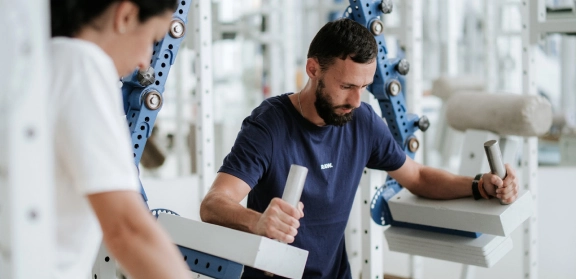
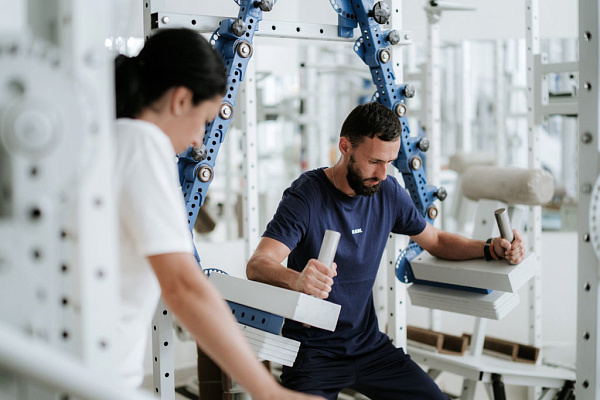
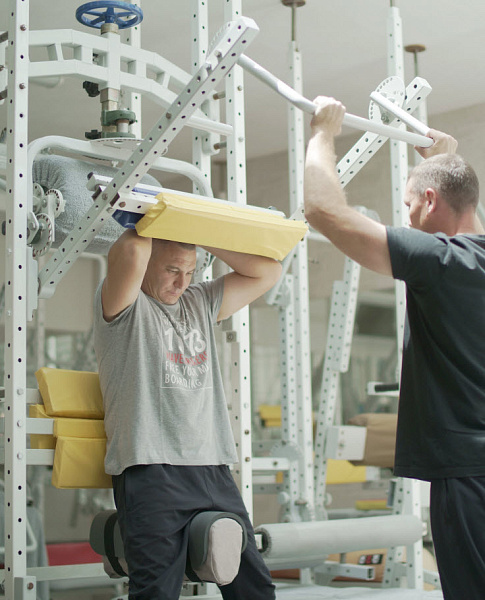
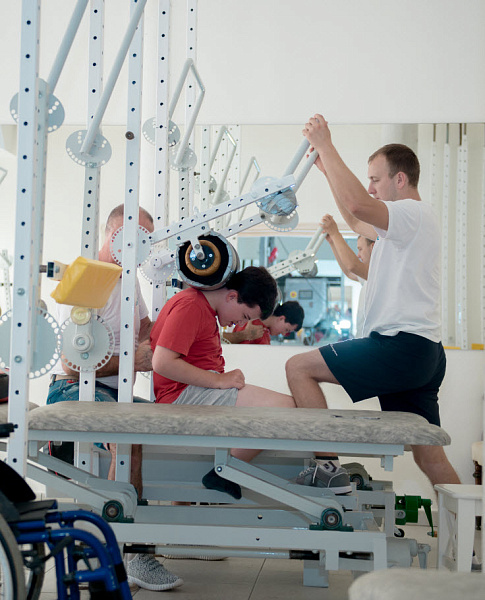
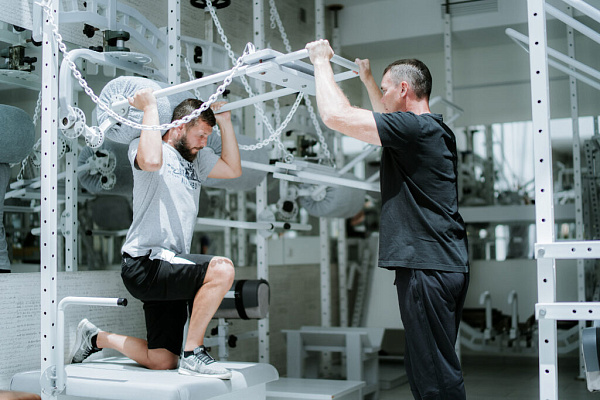
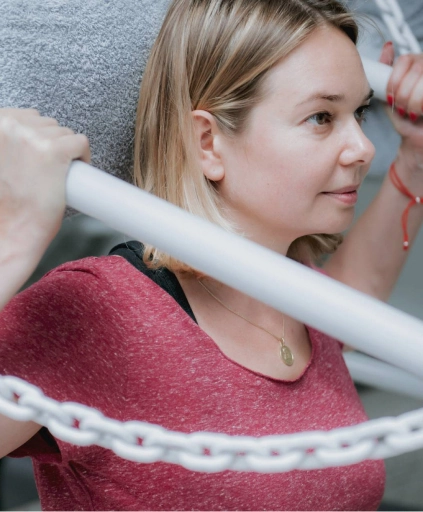
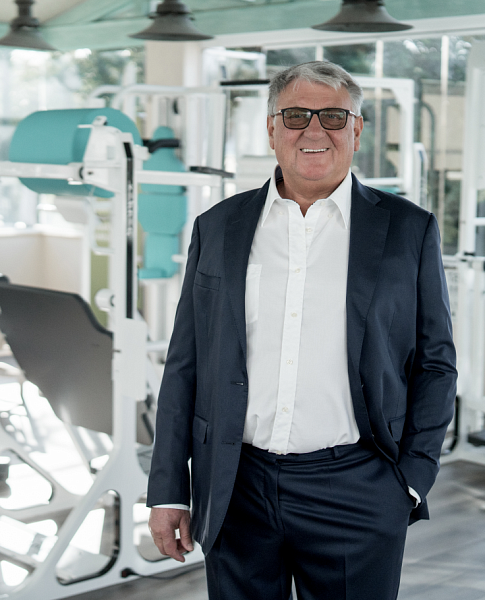
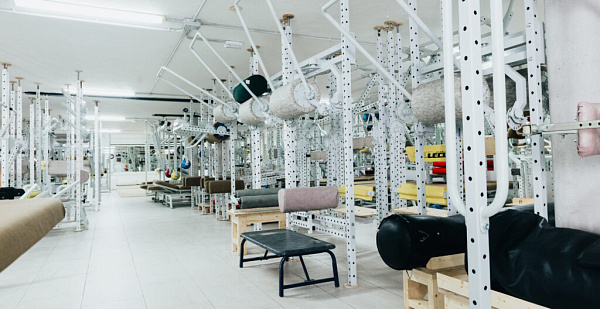
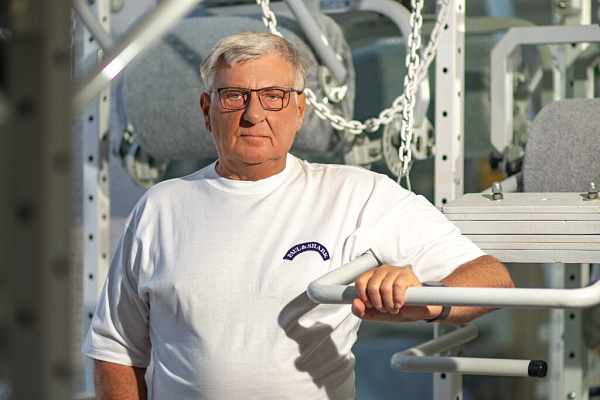
The Center uses unique rehabilitation module-trainers with no analogues, providing targeted, precisely dosed impact on injured ligaments, tendons, muscles, and joints as a whole, while avoiding overload. For each patient, a comprehensive personalized program is developed and implemented under the direct supervision of Professor Blum.
FOR WHICH TYPES OF MALLEOLAR LIGAMENTS INJURIES IS REHABILITATION POSSIBLE?
- for the malleolar ligaments sprain
- for the malleolar ligaments strain
- for a partial rupture of the malleolar ligaments
Patients usually come to our Center within the first few days, when it is still possible, through proper physical intervention, to eliminate most symptoms and avoid surgical intervention.
We also help restore mobility and eliminate residual negative effects in severe cases involving significant or complete ruptures of the malleolar ligaments. There are cases where surgery has already been performed, but the joint still does not function as it did before. Rehabilitation and rapid restoration of ankle joint function are especially important after a sports injury, when every day is critical for an athlete’s career.
GENERAL DESCRIPTION OF THE PROBLEM
The ankle joint is a complex structure. The connection of the tibia and fibula with the talus involves the malleoli — bony projections of the tibia and fibula that form protrusions on both sides of the ankle joint, the outer and inner malleoli. They clasp the talus from the right and left like a fork, ensuring the transfer of the body’s entire weight onto the foot. The malleoli are the main stabilizing element of the ankle joint.
In addition, the joint is stabilized by the joint capsule and ligaments: on the outer side — the anterior and posterior talofibular ligaments and the calcaneofibular ligament; on the inner side — the deltoid ligament. An ankle injury is accompanied by severe pain and the inability to bear weight on the leg.
Recovery at Professor Blum’s Center is based on an in-depth understanding of the injury mechanism and its biomechanics. A patented method is used, built on biomechanical strategies, techniques, and approaches. Comprehensive joint rehabilitation is carried out — restoring damaged ligament and tendon tissues, reestablishing muscle balance, connective tissue stabilizers, and deep muscle stabilizers — which makes it possible to eliminate pain and restore free movement to the ankle joint.
Comprehensive rehabilitation after malleolar ligaments sprains, partial tears, or ruptures should begin immediately after the injury or once the condition has stabilized following surgery, in order to achieve the best possible outcome and restore the patient’s normal physical activity.
-
Maximum restoration of the biomechanical integrity of the joint
-
Restoration of the joint’s supporting function
-
Restoration of mobility and full range of motion
-
Elimination of scar tissue changes and adhesions
-
Restoration of body symmetry, geometry, and balance
-
Elimination of compensatory asymmetries in adjacent joints
Objectives of the program
-
Restore tissue architectureTo restore the tissue architecture, integrity, and geometry of the damaged ligaments, tendons, and muscles, as well as the congruence of the joint and periarticular tissues.
-
Release adhesionsTo eliminate post-traumatic and postoperative adhesions, scars, fibrotic growths, chronic inflammation, and degenerative–dystrophic changes.
-
Restore joint mobilityTo restore joint movement, strengthen muscles, ligaments, and tendons, and improve strength, range of motion, and musculoskeletal balance.
PROPRIETARY METHOD
At the Center, diagnostics are carried out according to Professor Blum’s proprietary anatomical–morpho–functional system, taking into account the nature of the injury, the extent of damaged tissues, the presence of complicating factors, and the total time spent without movement. A personalized, comprehensive rehabilitation program is developed for ankle ligament sprains, partial tears, and complete ruptures, as well as after surgery on the ankle’s ligamentous–capsular apparatus, with clearly defined realistic goals and a calendar-based plan.
Precision is the first key to success. Treating an ankle joint injury is impossible without intensive mechanical stimulation of the damaged tissues. At the same time, movement and stimulation, if performed incorrectly, may not heal but instead cause even greater harm. Sometimes the difference between correct and incorrect mechanical stimulation is only a few millimeters or just a few degrees.
Our equipment has such precise settings and such an extreme level of adjustability that we can tailor it to any person, any joint, any range of mobility, and any mode of impact to achieve the intended result.
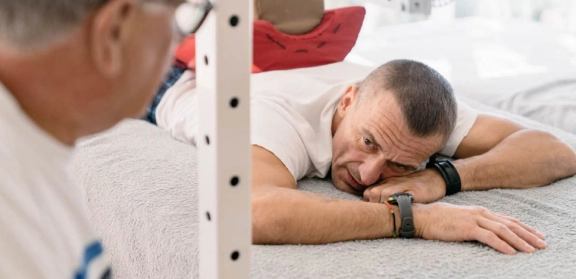
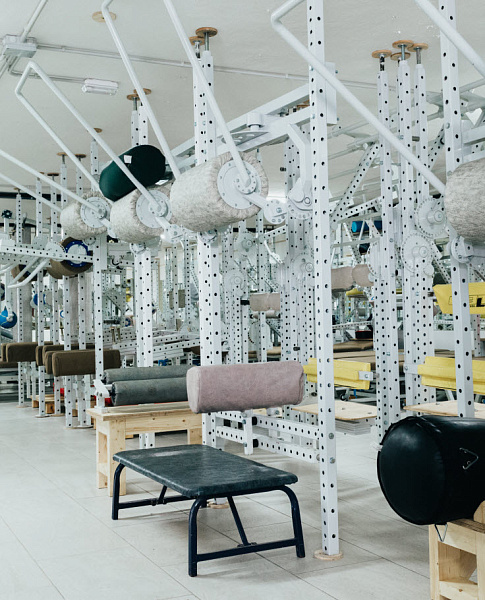
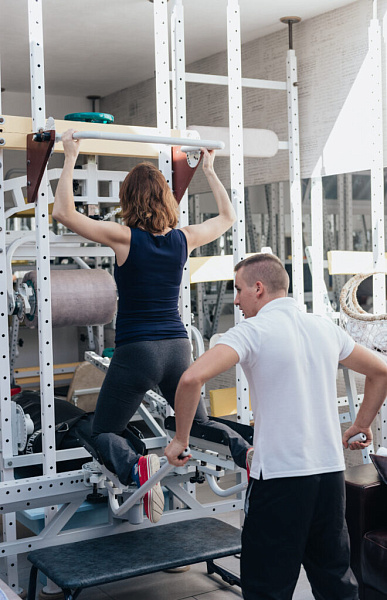
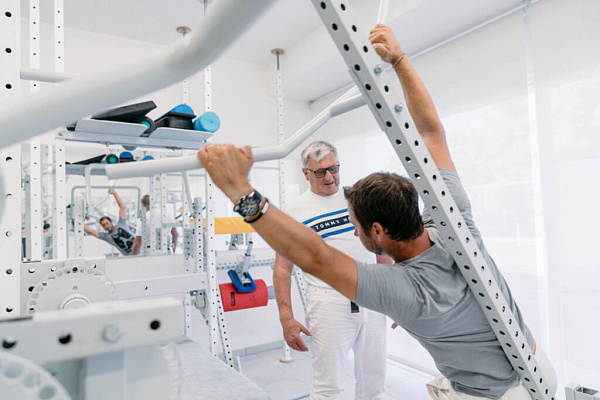
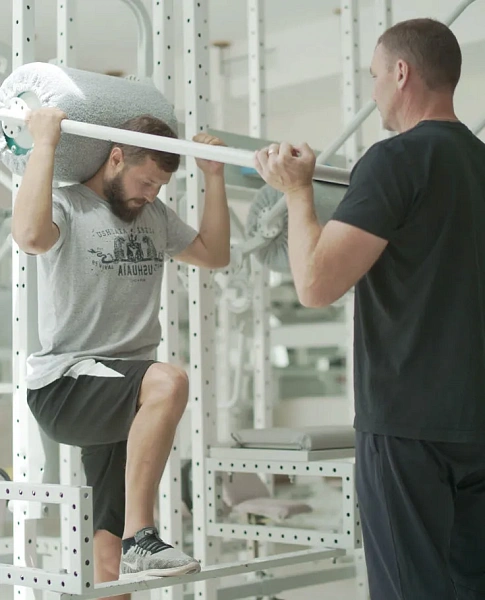
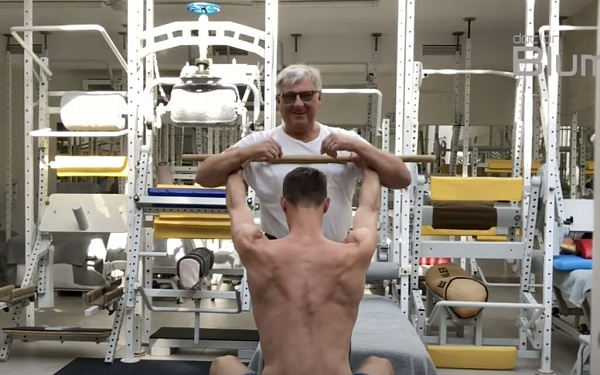
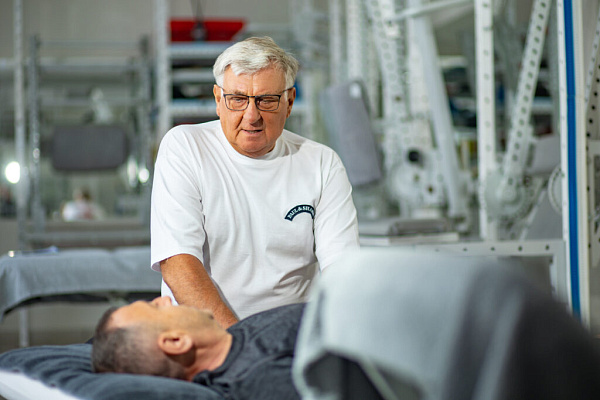
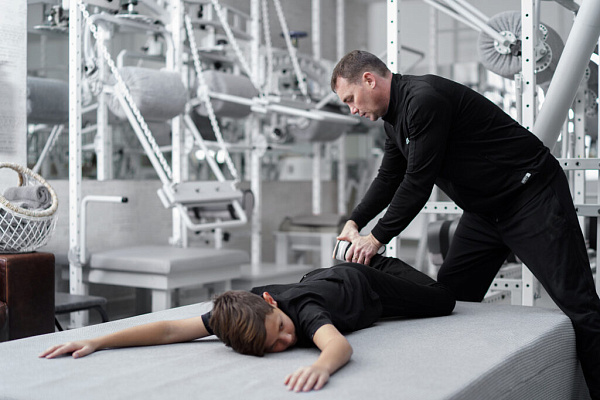
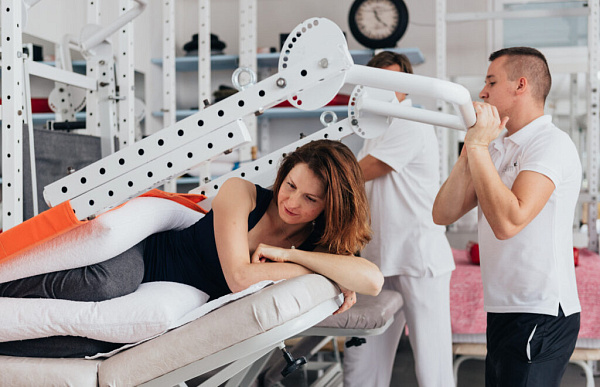
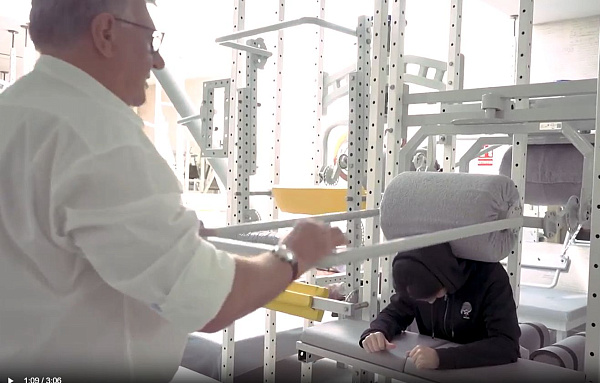
The Center uses patented rehabilitation module-trainers that selectively target the injured joint tissues, improving blood supply and microcirculation, and creating the necessary conditions for proper healing and restoration of the damaged tissues. Controlled, precisely directed, and gradually increased loading makes it possible to steadily and confidently eliminate pain and restore movement. Each patient works with a trained personal instructor who implements an individualized program under the direct supervision of Professor Blum.
Patient stories

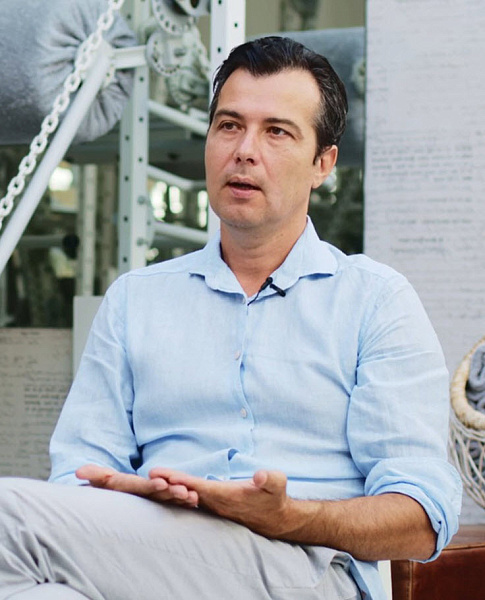
No matter how much a person shows their strengths to the world, the "weak link" will fail. Asymmetries, imbalances, and misalignments are risk factors. When injury, stress, or illness occurs, it breaks at the weak point. What can be done? How do you find this weak link, and how do you strengthen it in time? This is what Professor Blum explains in his video.
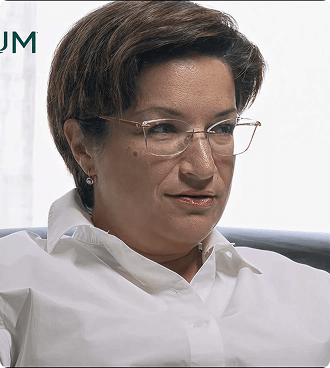
The parents of a 13-year-old girl from New York came to Professor Blum's Centre in Spain with a complex multi-planar ankle dislocation. For 5 years, 26 doctors in leading American clinics treated the injury. The result was a limp, difficulty walking, 2 ineffective surgeries, numerous complications, and constant pain managed with painkillers and hormones. As a result of the treatment at the Centre, the joint was restored, the complications of the injury and surgeries were eliminated, the girl started walking, climbing stairs, running, and most importantly, her psychological issues caused by 5 years of constant pain and limitations disappeared.
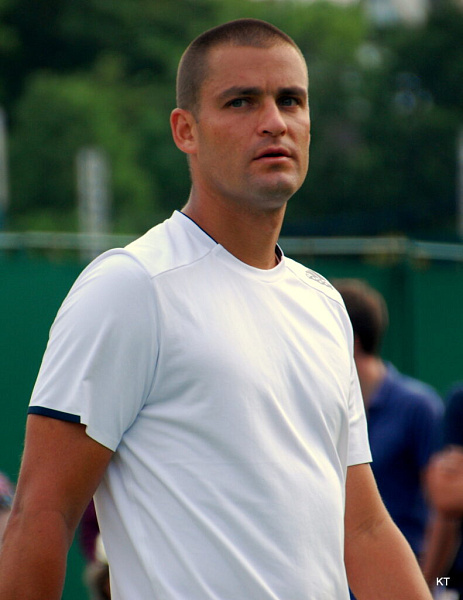
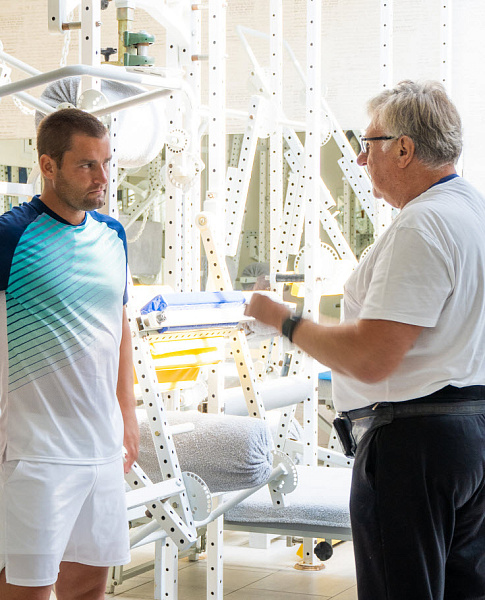
Rehabilitation Goals: Quick return to competition, strengthen the injured joint, and eliminate the fear of reinjury. Result: 22 days after the injury, Mikhail Youzhny participated in the final match and won the Davis Cup 2006 with the Russian national team.
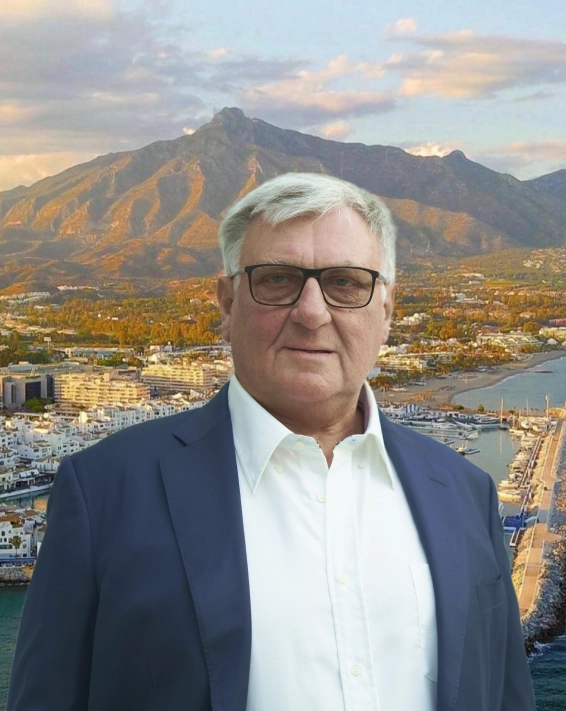
Professor Blum’s Exclusive Rehabilitation System

The center is located in a picturesque corner of the renowned resort town of Marbella, surrounded by cedar trees at the foot of La Concha mountain. Here, science and technology blend with nature, creating a space where the body returns to balance and harmony.
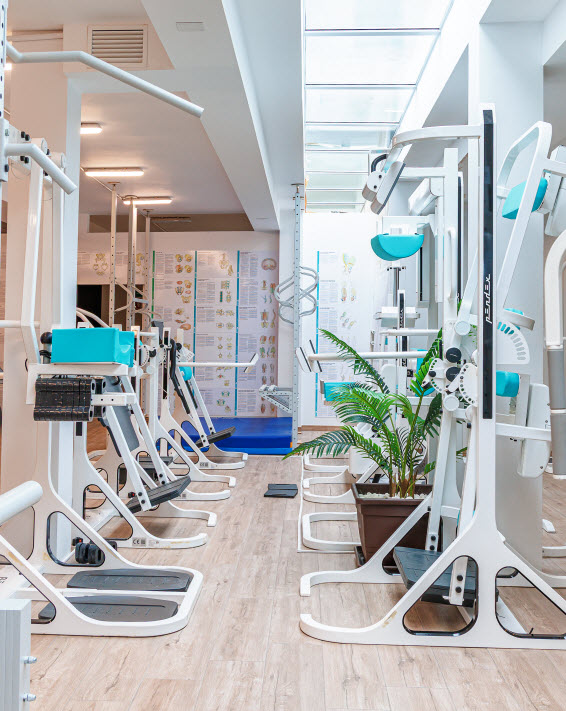
Technologies that deliver results
Select a program
- Personalized Health Recovery Programs
- Disease Prevention
- Customized Check-Up


Q&A
Prevention includes strengthening the ligaments and muscles of the lower leg, as well as the hip and knee joints, and restoring balance and stability. Eliminating pathological movement patterns rules out recurrences. Rehabilitation after an ankle sprain concludes with a maintenance program to consolidate the results achieved and for prevention at home.
Yes, postoperative rehabilitation is critically important for restoring mobility and weight-bearing function. Our program takes into account the type of surgery, the condition of the tissues, and individual characteristics in order to restore full function to the joint. Recovery after an ankle sprain in the postoperative period begins after the patient's condition has stabilized.
A combination of biomechanical correction, dosed loading on proprietary equipment, personalized physiotherapy, and lymphatic drainage gives the best results. We target not only the ligaments but also the muscles and tendons, improving blood flow. Rehabilitation after an ankle sprain is built comprehensively and individually.
Returning to sports is permitted only after full restoration of joint function, muscle strengthening, and proprioception training. Our center develops a staged program to minimize the risk of re-injury. Recovery after an ankle sprain in athletes takes into account the specific demands of the load and the type of sport.
It is best to start from the first days after the injury (in the absence of contraindications). Early initiation helps avoid scar tissue changes and adhesions and accelerates the return to an active life. We accept patients immediately after the injury.
Conservative treatment of an ankle sprain at Professor Blum's Center is based on proprietary methods that restore the tissue architecture of the joint, strengthen it, and prevent recurrent injuries.
The timeline depends on the degree of injury. For grade I — 1–2 weeks, for grade II — 3–6 weeks, for grade III — up to 2–3 months. Our comprehensive approach shortens these timelines through active biomechanical stimulation and strengthening of the musculoligamentous complex. Recovery after an ankle sprain and partial tear is structured in stages, with monitoring of progress.
An ankle sprain involves microtears of the fibers without loss of ligament integrity, accompanied by pain and swelling. A partial ankle ligament tear is a partial rupture that causes a hematoma and joint instability. Both conditions require rehabilitation, but the programs differ in intensity and duration. Accurate diagnosis makes it possible to determine the degree of damage and develop an optimal protocol for restorative treatment of an ankle sprain.

The cost of a course of treatment
- Appointments and consultations
- Creating an individual program
- Conducting personal sessions
- Appointments and consultations
- Creating an individual program
- Conducting personal sessions
Other areas of work of our Center
.webp)