

Birth Trauma Sequelae Treatment & Rehabilitation

- develop an individual rehabilitation program
- identify all consequences of the birth injury
- take into account medical history, age, and severity level

OUR MEDICAL STRATEGY
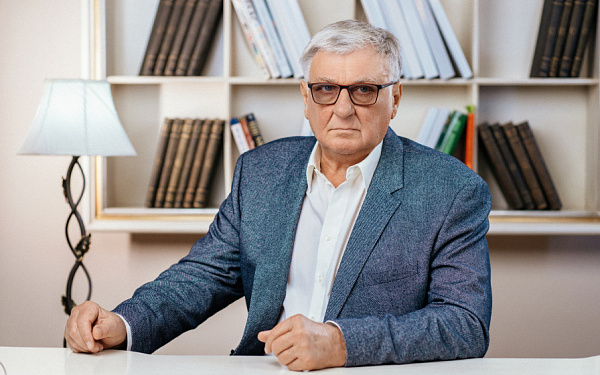
Professor Blum’s method makes it possible to begin recovery from the earliest age thanks to the unique capabilities of his proprietary system of methods and techniques.
- Imperative techniques make it possible to restore the child’s body without requiring their conscious participation in the process. We do not waste time — we immediately begin stimulating underdeveloped body segments and activating the body’s built-in natural mechanisms of self-recovery, integration, and differentiation.
- Afferentation imprinting is a way to restore and organize processes that were inactive or functioned poorly, transitioning from general motor chaos to conscious movements and patterns that trigger mental and psycho-emotional development.
- Restoring muscle–joint balance creates the conditions for intensive growth and development, compensating for deficits in movement and verticalization.
- Strict ontogenetic sequence of movement recovery — preparing the child’s musculoskeletal system for walking, since premature verticalization leads to deformations and asymmetries of the spine and joints, as well as subsequent problems and diseases.
FOR WHICH CONSEQUENCES OF BIRTH INJURIES IS REHABILITATION POSSIBLE?
- Cerebral palsy – motor, intellectual, and psychological impairments
- Autism, attention deficit hyperactivity disorder
- Hydrocephalus, increased intracranial pressure
- Delayed psychomotor and speech development, encephalopathy
- Injuries of the lumbosacral plexus, brachial plexus, cervical spine, and hip dislocation
The most severe consequence of a birth injury is the weakening of the child’s body to such an extent that they become unable to adapt. This disrupts the sequence of physiological developmental processes, the morphological maturation of tissues, the integration of metabolic and information–integration systems and reduces both resistance and overall viability.
The six-macroblock diagnostic method developed by Professor Blum makes it possible to identify all consequences and developmental trends from the very first days of a child’s life, determine the precise sequence of ontogenesis phases, and create an individual plan in which each preceding phase serves as the foundation for the next—taking into account medical history, the biological calendar, and any accumulated developmental deficits.
Our goal is to prevent the development of pathology. The earlier the restoration of the proper sequence of ontogenesis phases begins, the greater the chances of fully compensating for all deficits and removing the child from the risk group by the end of the first year of life.
GENERAL PROBLEM DESCRIPTION
Most newborns experience some form of injury during childbirth. In most cases, these are soft tissue injuries that heal on their own without consequences. However, if labor is complicated, the baby may be harmed. This can happen if the mother has a narrow pelvis, the baby is large, the fetal position is abnormal, in cases of premature or prolonged labor, cesarean section, induction, excessive pressure due to uneven uterine contractions, as well as the use of obstetric interventions.
The danger of birth injuries lies in the fact that symptoms are often hidden and may only become apparent once a diagnosis such as developmental delay, cerebral palsy, autism, epilepsy, paresis, or paralysis has been made. Early identification of the cause, type, location of the injury, and its consequences can help parents avoid wrong treatment choices and allow them to take all necessary measures in time to restore the child’s physical and psycho-emotional development.
At Professor Blum’s Center, we conduct a comprehensive examination to identify all consequences—both visible and hidden—determine the exact pathogenetic mechanisms of the problem, and develop an individualized restorative program for the comprehensive rehabilitation of children after birth injuries, starting from the very first days of life.
-
Identify all consequences of the birth injury and any undesirable trends at the earliest stages.
-
Develop an individual plan taking into account the child’s medical history and age
-
Compensate for developmental deficits and establish a clear course of action.
Objectives of the program
-
Identify and correct obvious and hidden misalignmentDetect and eliminate obvious and hidden displacements, deformations, asymmetries, and distortions caused by birth trauma. Create all the necessary conditions for the maturation of organs and tissues, compensate for developmental deficits, and catch up to the chronological age.
-
Eliminar compensacionesEliminate compensations and properly organize motor activity — the increase in height and body mass should be supported by an adequate amount of physical exercise, so that body tissues can grow, differentiate, mature, and perform their functions.
-
Restore mobility of musculoskeletal structuresManagement of positive trends, assistance to the body in self-recovery, restoration of mobility in musculoskeletal structures, circulation of cerebrospinal fluid, and the restoration of the normal position and functions of the internal organs.
PROPRIETARY METHOD
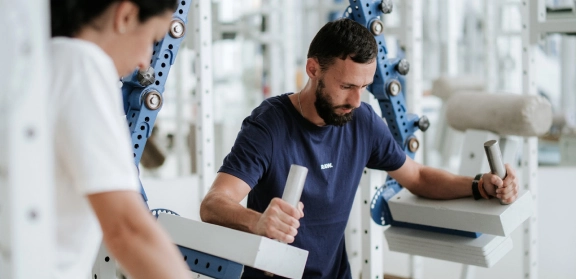
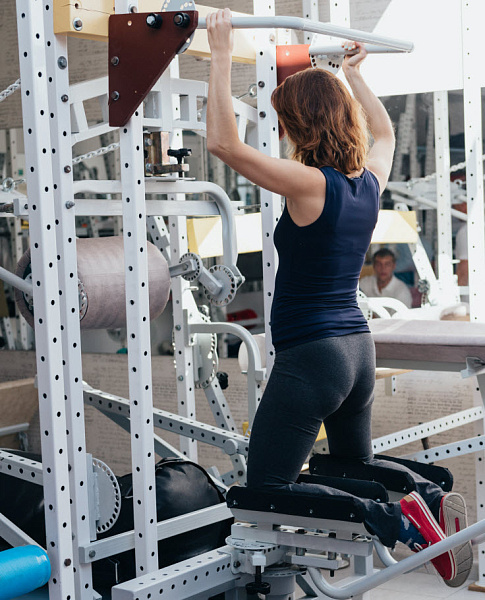
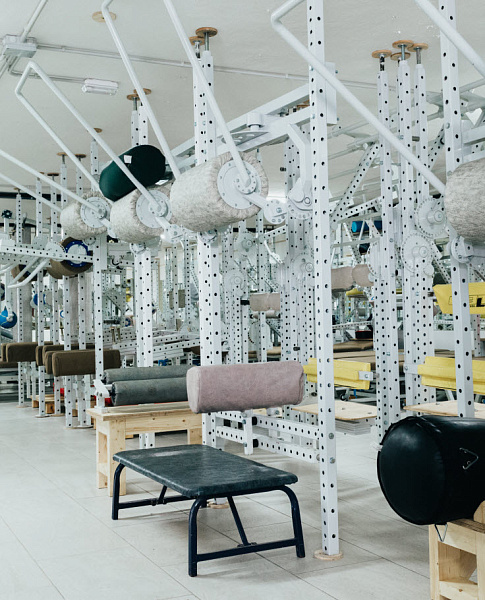
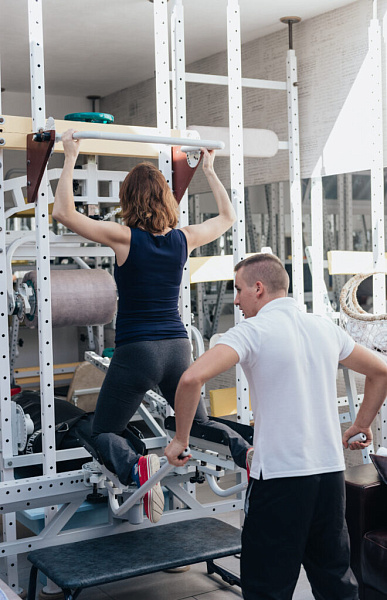
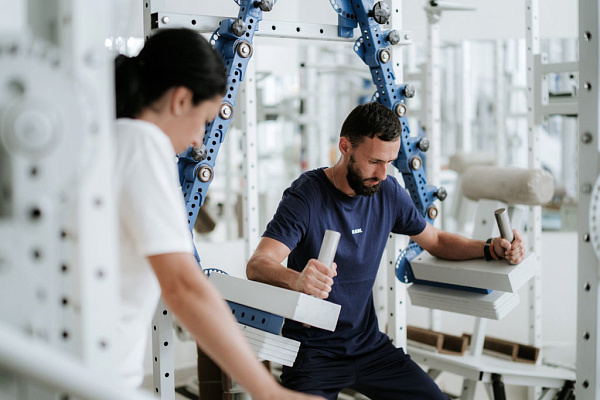
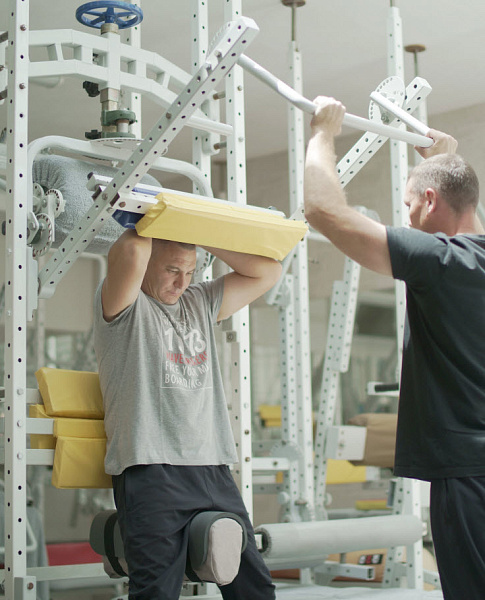
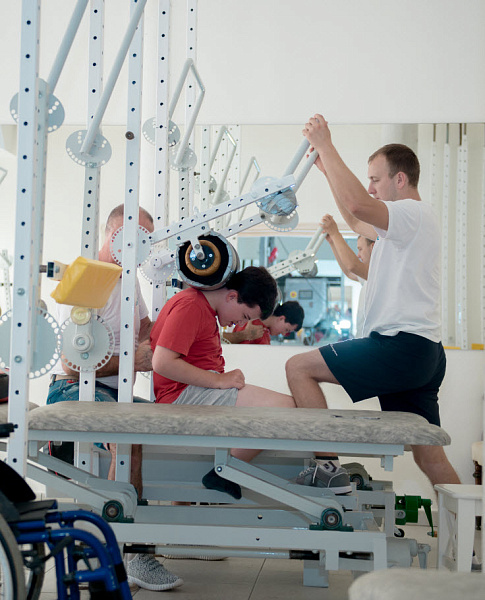
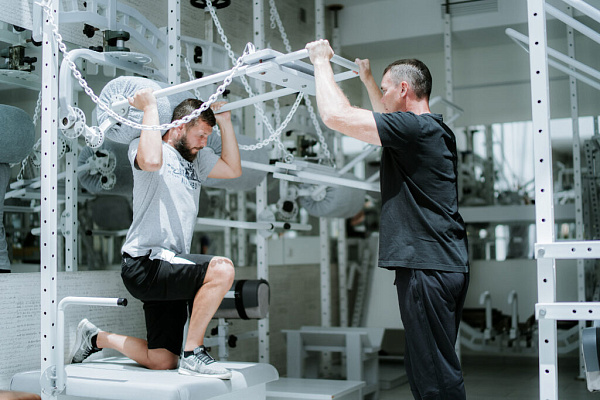
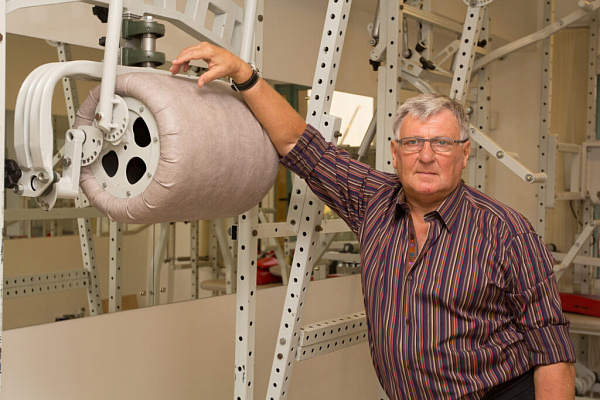
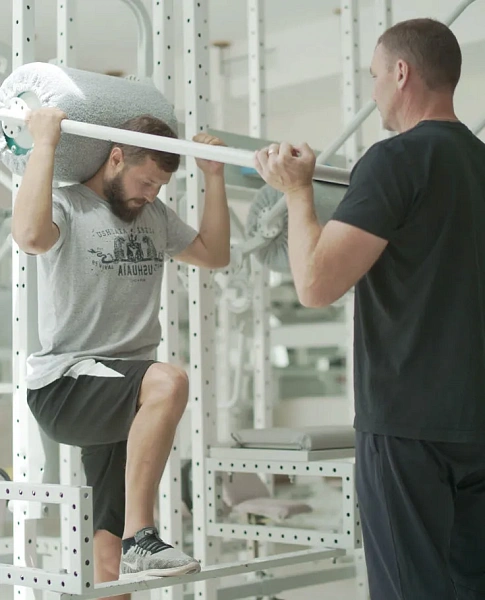
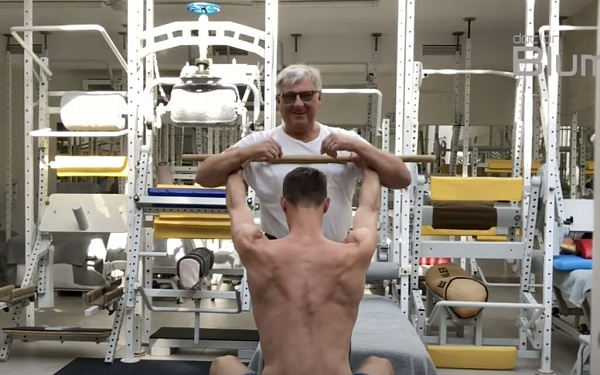
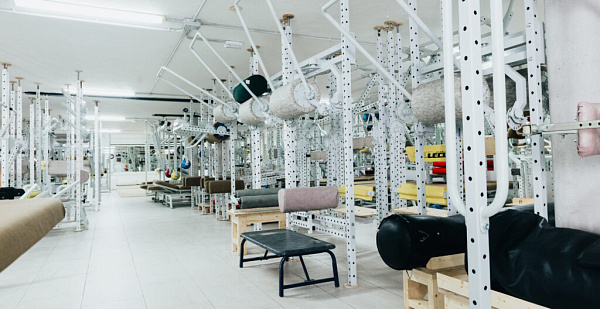
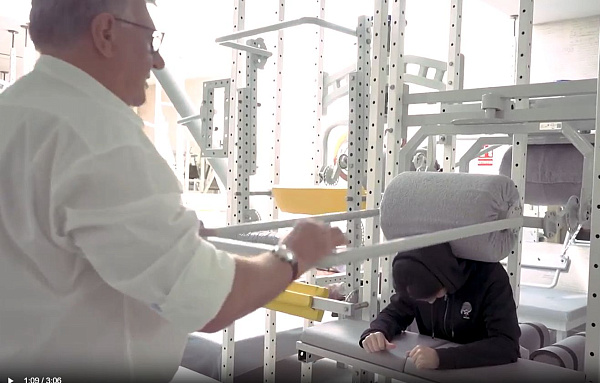
Professor Blum’s system of methods, techniques, and specialized rehabilitation equipment makes it possible to restore the anatomical integrity of the body, correct displacements of bones, vertebrae, muscles, tendons, nerve plexuses, arteries, veins, and lymphatic vessels. It also creates the necessary conditions for the maturation of the respiratory, nervous, and cardiovascular systems.
The impact is delivered with meticulous precision within a specified range of intensity, the necessary angle of acceleration, and dozens of other controlled parameters, producing the intended response even from the weakest structures. This ensures the ability to address a wide range of rehabilitation tasks for patients with the consequences of birth injuries.
Successful restoration of the functional capacity and structural integrity of the musculoskeletal system—and the body as a whole—is achieved through the method’s ability to target weak links with exceptional precision, restoring the tissue structure and functions of connective tissue and the muscle, epithelial, and nerve cells embedded within it. Continuous monitoring of movement range and specific muscle response guarantees safety, ensures consistency and predictability of results, and eliminates overload.
Patient stories
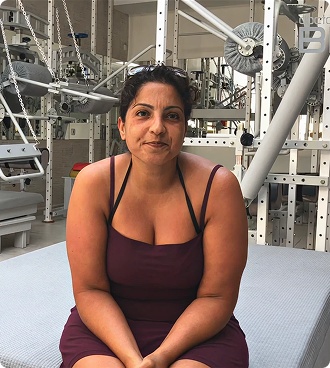
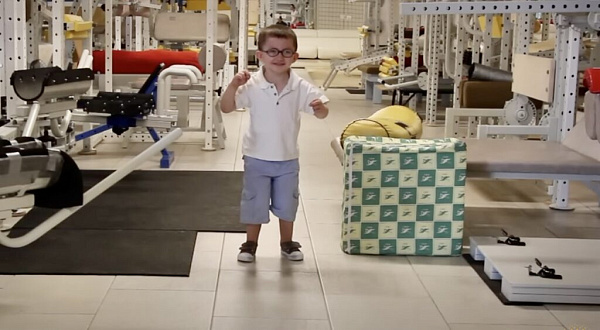
Developmental Delay. Cerebral Palsy, Vision Impairments.
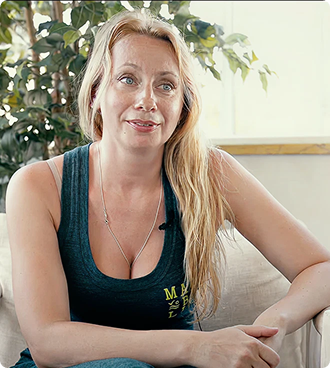
Hydrocephalus. Cerebral Palsy. Developmental Delay.
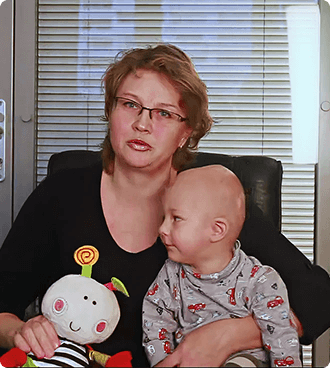
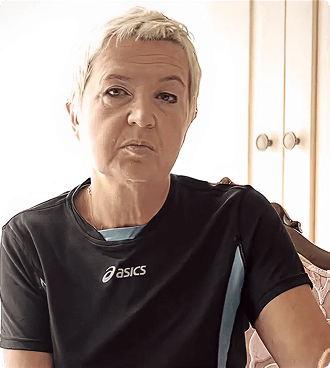
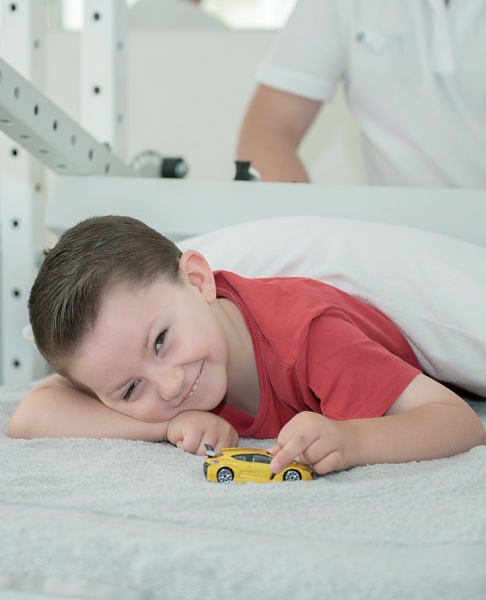
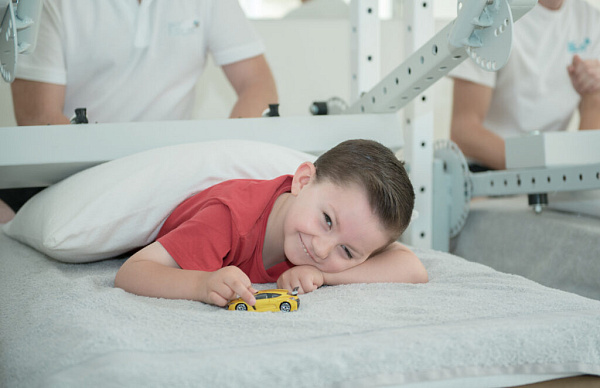
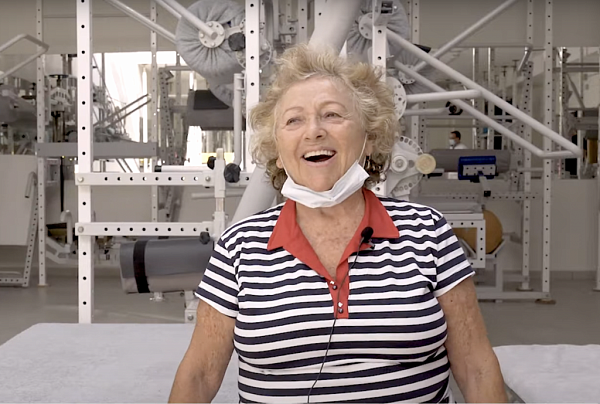
The older son underwent rehabilitation more than 17 years ago with a diagnosis of cerebral palsy. The younger son has significant health improvements from the consequences of a birth injury.
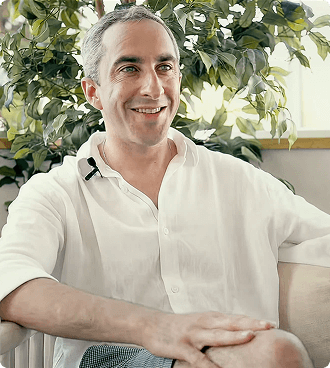

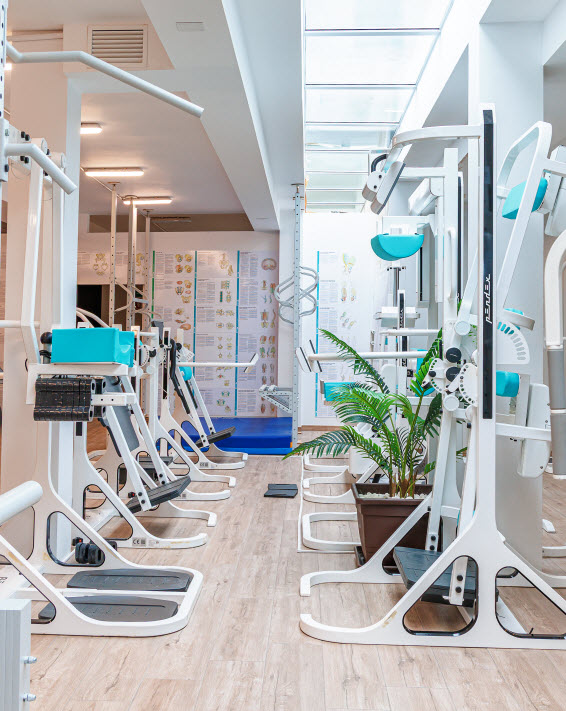
Professor Blum’s Exclusive Rehabilitation System

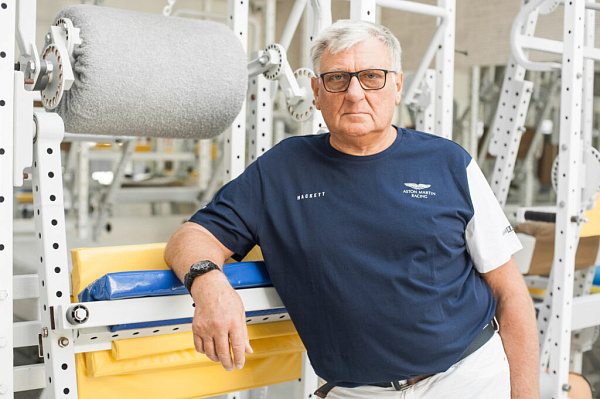
The center is located in a picturesque corner of the renowned resort town of Marbella, surrounded by cedar trees at the foot of La Concha mountain. Here, science and technology blend with nature, creating a space where the body returns to balance and harmony.
Technologies that deliver results
Select a program
- Personalized Health Recovery Programs
- Disease Prevention
- Customized Check-Up

Q&A
Early rehabilitation can begin as soon as the newborn’s condition has stabilized and the baby has been discharged from the hospital. The earlier therapy for children with birth injuries is started, the better the results. Book an online consultation with a doctor at our center and send all discharge summaries, reports, and test results, so we can define the goals, an exact recovery plan, and the cost of the course.
Future parents should have a full check-up 12 months before the planned conception, followed by complete recovery and addressing chronic conditions. This matters especially for the woman if there is an unfavorable gynecological history or a complicated delivery in the past. It is the first step in preparing the body for pregnancy and in lowering risk factors during labor and delivery. If a birth injury does occur despite preparation, rehabilitation for pediatric birth trauma can begin once the baby’s condition is stable.
The risk can often be reduced through preparation for childbirth: learning about the physiology of pregnancy and birth, fully restoring the mother’s health before pregnancy, choosing a natural birth (preferably an upright one), assessing all risk factors during labor and delivery right before the birth, choosing your doctor and midwife, and avoiding pharmacological intervention where possible. If a birth injury does occur, treatment for children with birth injuries can begin as soon as the baby’s condition has stabilized.
- - Restless behavior, disturbed sleep, and frequent spitting up;
- - Seizures and muscle tension even at rest (hypertonia);
- - Movements that are too abrupt, chaotic, or slowed, a sign of uncoordinated, disorganized movement patterns;
- - Unnatural body positioning: either too relaxed (hypotonia) or too tense;
- - An asymmetrical head or face, including skull asymmetry and torticollis;
- - At 3 months: does not hold the head up or roll over (missed motor milestones);
- - At 4 months: does not turn the head toward a sound or reach for a toy;
- - At 7 months: cannot sit without support or crawl;
- - At 12 months: does not walk independently;
- - Does everything with one hand only.
If you notice several of these signs, ask for an evaluation: the earlier the cause is found, the sooner treating injuries in newborns and infants can begin.
Comprehensive diagnostics using Professor Blum’s six macro-blocks diagnostic system is designed to identify the root cause of the problem, including hidden birth injury signs. It is the first step in the treatment of birth injuries in children: we separate the cause from its effects and work on the cause rather than relieving symptoms with medication. Our approach complements the care of your child’s pediatrician and neurologist and does not replace it. Book a consultation with a doctor at our center for a detailed review and an action plan.
Currently, there are over 300 known causes of cerebral palsy. Professor Blum always examines both the true causes and the underlying context that may trigger or, conversely, reduce the risk of the condition. In modern society, certain harmful trends and habits create conditions that can turn predisposition into disease. In the case of cerebral palsy, these include: refusing to swaddle, refusing breastfeeding, using diapers, overprotection – where love and attention are expressed through constant carrying, using distracting devices – music, lights, videos – and premature verticalization when the child is not ready to sit or stand but parents want them to. All of this disrupts the natural settings for the child's independent, systematic development. We offer online consultations for young parents to prevent risks and help them navigate all critical stages of development as effectively as possible. This is part of our commitment to parent education and support.
Yes, always. At the end of the course, we provide a "home program" — practical care recommendations and exercises that help catch up on developmental delays at home: parents maintain the achieved results and prepare for the next rehabilitation course. It is important to understand that recovery for a child with cerebral palsy is a complex, long-term process.
The duration of the rehabilitation course depends on the severity of cerebral palsy, the patient's age, the presence of complications, and the extent of motor deficit. The greater the delay, the more complex and extensive the work required, and the longer the recovery timeline. To determine the exact duration and cost, schedule a free online consultation with a physician at our Center. Our pediatric rehabilitation center offers personalized assessments and program recommendations tailored to each child's unique needs and early intervention for cerebral palsy goals.
The cost of a course of treatment
- Appointments and consultations
- Creating an individual program
- Conducting personal sessions
- Appointments and consultations
- Creating an individual program
- Conducting personal sessions
Other areas of work of our Center
.webp)