

Pediatric Cerebral Palsy Treatment

- take into account medical history, age, and type of cerebral palsy
- receive a personalized rehabilitation approach
- accept patients with cerebral palsy of any age

Our Medical Strategy and Professor Blum's Methodology
Rehabilitation for children with cerebral palsy and other motor disorders requires more than a set of isolated procedures – it demands a comprehensive medical strategy: a step‑by‑step approach to correcting motor impairments, reducing spasticity, promoting motor development, and establishing physiological movement patterns based on the child's age, type of impairment, and individual neurological profile.
At Professor Blum's Center, our recovery program is built as comprehensive pediatric cerebral palsy treatment – an integrated system that addresses not just symptom compensation, but the underlying causes of motor dysfunction and their complications. Early intervention for cerebral palsy allows us to harness the brain's natural mechanisms of neuroplasticity in children, preventing the consolidation of pathological motor patterns while actively fostering motor skill development and long‑term functional gains. Through targeted spasticity management and individualized therapeutic strategies, we help each child unlock their full potential for movement and independence.
Principles of Professor Blum's Methodology
At the core of the program are pediatric neurorehabilitation techniques built on biomechanical principles and a strict logical framework for movement development. We use proprietary recovery methods that target specific dysfunctional links in the musculoskeletal system and neuromuscular chains – without overloading compensatory structures.
Key principles of the methodology:
- Imperative Techniques
- Afferent Facilitation
- Restoring Muscle-Joint Balance
- Strict Ontogenetic Sequence of Movement Recovery
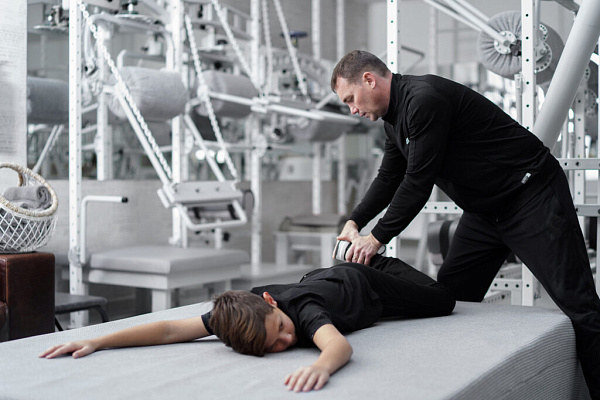
The specialist initiates and guides the child's movement – without requiring conscious participation from the patient. This allows us to begin rehabilitation from the earliest age, without wasting time waiting for the nervous system to become ready for voluntary movement. The intervention focuses primarily on underdeveloped muscle groups, avoiding overload on compensatory active segments.
All movements that are initially performed for the child in imperative mode gradually become available for independent reproduction. This method helps reorganize disrupted sensorimotor integration pathways, moving from motor chaos to the formation of conscious motor patterns – which in turn triggers cognitive and emotional development. The process relies on neuroplasticity in children to establish new, functional neural connections.
We correct imbalances between reciprocal muscle groups, create conditions for uniform tissue growth, prevent secondary deformities, and build the foundation for meeting age-appropriate locomotor milestones. Our approach focuses on gradually closing the movement deficit and promoting verticalization without excessive strain – an essential component of muscle balance correction and comprehensive motor rehabilitation.
Rehabilitation follows the physiological logic of normal development: head control → arm support → rolling → sitting → crawling → standing with support → walking along support → independent walking → running.
The key distinguishing feature of Professor Blum's method is the mandatory progression through all developmental stages. Premature verticalization using walkers, supports, or fixators – when the musculoskeletal system is not yet prepared – increases the risk of spinal and joint deformities, creating a secondary pathological cycle of impairment.
Conditions We Treat – Types of Cerebral Palsy We Work With
Our childhood cerebral palsy therapy program is built on a proprietary diagnostic system developed by Professor Blum, structured around six macro‑blocks. This system allows us to identify not only established impairments but also early warning signs of motor and postural disorders arising fr om nervous system damage – as early as the first months of life.
We do not adopt a "wait and see" approach: when concerning signs are present, rehabilitation should begin as early as possible, capitalizing on the period of heightened neuroplasticity in children. Our approach is adapted for children with spastic diplegia, children with hemiplegia, and all other forms of cerebral palsy, regardless of severity.
In clinical practice, four main forms of childhood cerebral palsy are recognized:
- Spastic Form – the most common type. Characterized by pronounced spasticity, increased muscle tone, tightness in the upper and/or lower extremities, hyperreflexia, and predominant extensor tone. Fr om an early age, children may present with extended legs, difficulty holding the head, and delayed acquisition of basic motor milestones such as crawling and sitting. As the child grows, joint range of motion becomes restricted, characteristic gait disturbances develop, and contractures gradually form – directly impacting the child's functional abilities. These children often benefit most fr om consistent spasticity management and ongoing muscle tone regulation throughout their development.
- Atonic-Ataxic Form – characterized by decreased muscle tone, pronounced muscle weakness, and persistent impairments in coordination and balance. Movements are unsteady, the child struggles to maintain postures, and the development of supportive and locomotor skills is significantly delayed. Achieving key developmental milestones requires targeted therapeutic intervention.
- Dyskinetic Form – manifests as involuntary, poorly controlled movements of the limbs, facial and neck muscle twitching, and difficulties with swallowing, facial expression, and speech articulation. Motor responses are unstable, with possible sharp fluctuations in muscle tone.
- Mixed Form – combines features of different types of involvement, with one component predominating. This form requires particularly precise differential diagnosis and an individually tailored recovery strategy.
An individualized recovery program for children with CP is developed following a clinical assessment across all six macro-blocks, analysis of medical history, the child's age, developmental deficits, previous treatments, and the severity and type of the condition. This approach allows us to build a controlled, logical rehabilitation strategy – not based on templates, but on the child's actual neuromotor profile.
Who This Program Is For
Our pediatric neurorehabilitation program is designed for children with various forms and severities of motor impairments who need a clear, sequential recovery system rather than isolated procedures. Our work is centered on helping children with neurological disorders improve their motor abilities, reduce secondary complications, and develop more stable movement skills.
The program is suitable for children who:
- Are in early childhood with signs of motor developmental delays – a stage wh ere timely early intervention for cerebral palsy and early diagnosis are critical.
- Have already undergone rehabilitation but have experienced unstable results or lack a clear understanding of next steps.
- Are adolescents with CP for whom preserving functionality, reducing secondary deformities, and increasing independence are priorities.
- Need more than just "exercises" – they need to understand the purpose of each stage and the expected outcomes.
Our work is structured as a specialized pediatric rehabilitation center, wh ere each program is personalized and continuously adjusted as the child's condition evolves. We are among those pediatric rehabilitation centers wh ere the key factor is not the number of procedures, but the logic of recovery and the tracking of progress.
Special attention is given to parent education and support: parents are informed about the goals of each stage, potential limitations, expected dynamics, and how to manage therapeutic load between rehabilitation courses at home.
Within this framework, we can select a program for each child based on age, type of CP, and current developmental needs.
-
Early initiation of recovery. Launching developmental processes without waiting for the child's conscious participation – a core principle of our neurorehabilitation program for pediatric patients with cerebral palsy
-
Correction of muscle imbalance. Strengthening weak muscles without overloading compensatory active groups – providing targeted muscle balance correction to support early motor development
-
Establishing basic motor patterns. Restoring movement according to the ontogenetic sequence: from head control to independent walking, guided by an individualized recovery logic that promotes functional movement restoration
-
Developing coordination and conscious movement. Transitioning from chaotic, involuntary movements to controlled, purposeful motor patterns that support functional movement restoration and daily independence
-
Prevention of secondary deformities. Reducing the risk of spinal curvature and joint mechanics disorders through correct, gradual verticalization – a key component in preventing joint contractures and supporting long-term musculoskeletal health
-
Approaching age-appropriate motor norms. Accelerating the acquisition of crawling, sitting, standing, and independent walking while promoting early motor development and minimizing the risk of joint contractures
Objectives of the program
-
Maximizing independent motor activityReducing the severity of spasticity and involuntary reactions, improving stability during sitting and walking, and enhancing control over swallowing and speech. The result: a tangible increase in the child's independent motor activity and a significant improvement in the family's overall quality of life – achieved through comprehensive therapy for childhood cerebral palsy that addresses both movement and daily function.
-
Ensuring stable and safe verticalizationDeveloping stable body balance during walking, improving coordination, and enhancing mobility without overloading joints or the spine – creating the conditions for sustainable gait training for children with CP, effective balance and coordination training, and lasting postural control that supports ongoing gross motor function development.
-
Eliminating muscle contractures and secondary impairmentsSystematically resolving contractures, reducing adhesions and deformities, preventing muscle atrophy and joint dislocations or subluxations – while preserving physiological mobility through ongoing spasticity reduction and targeted therapeutic interventions that promote refined fine motor skills alongside gross motor progress.
Proprietary methodology
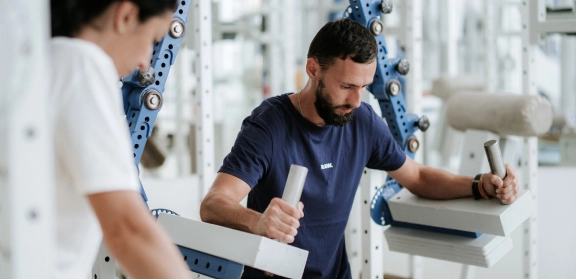
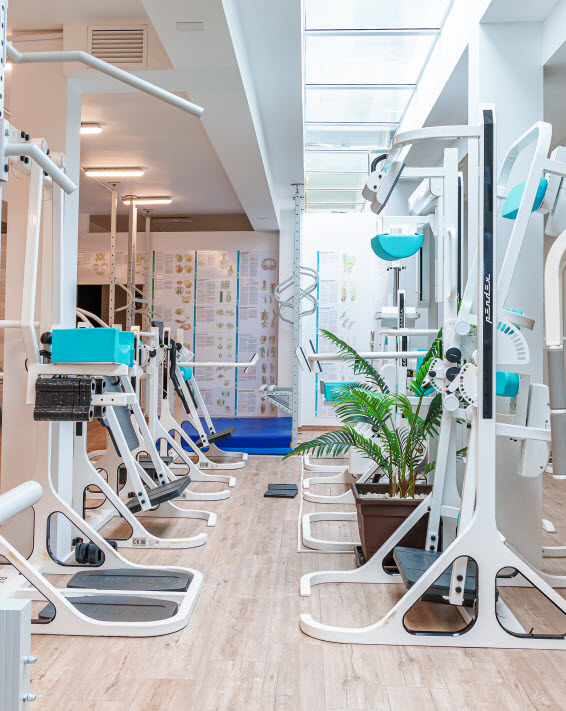
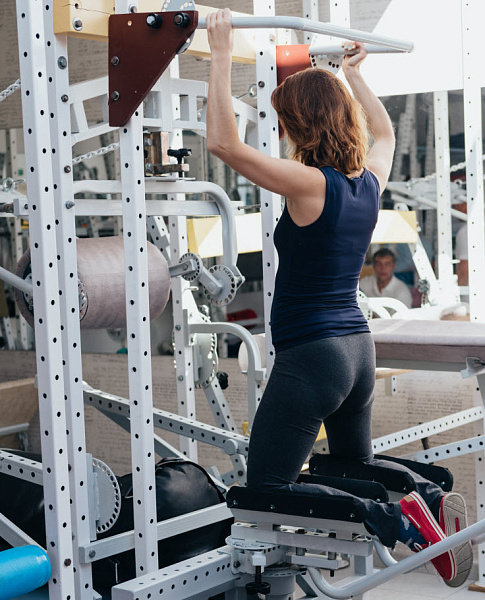
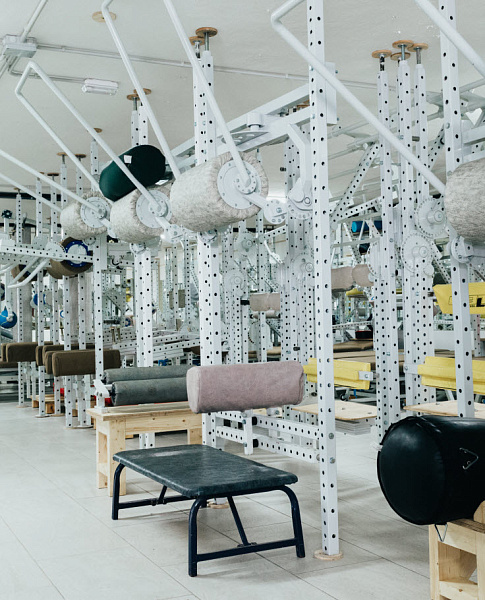
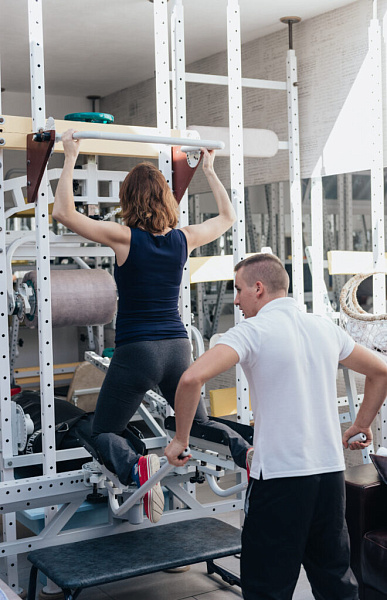
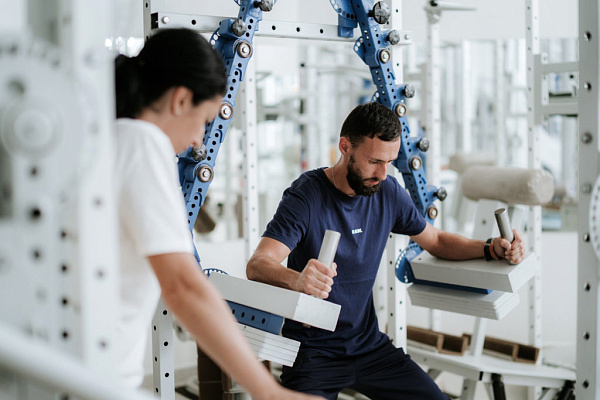
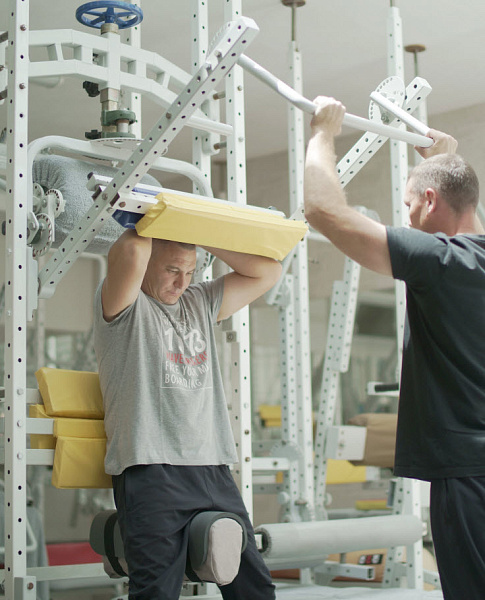
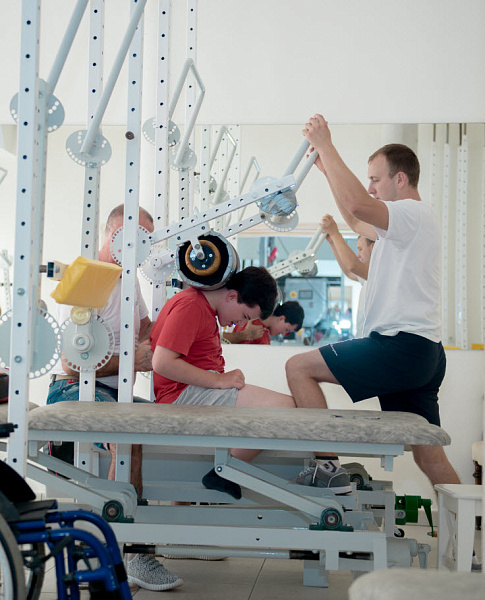
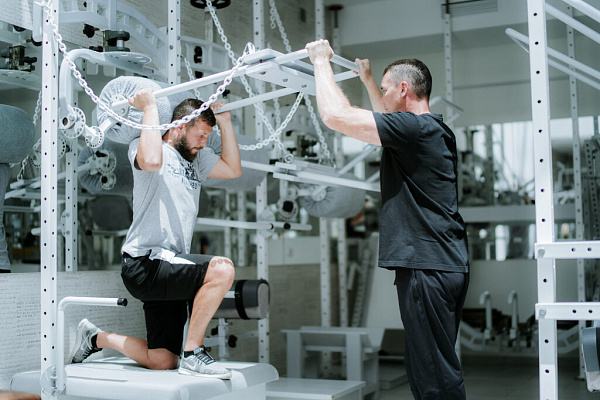
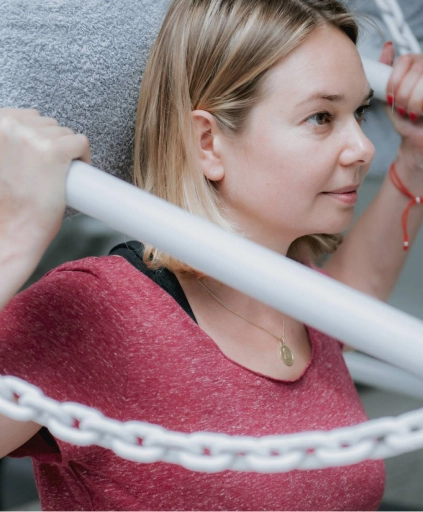
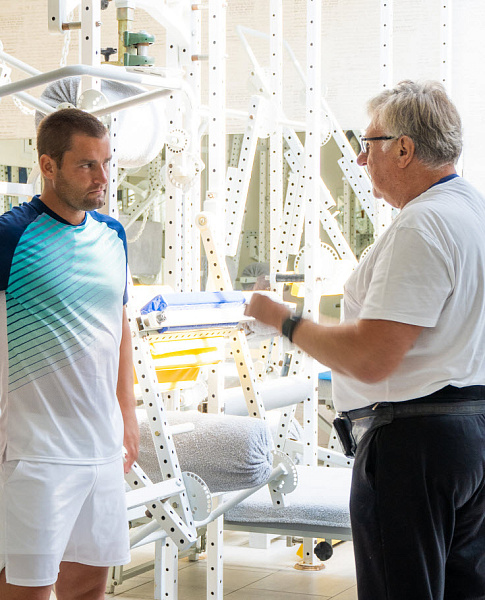
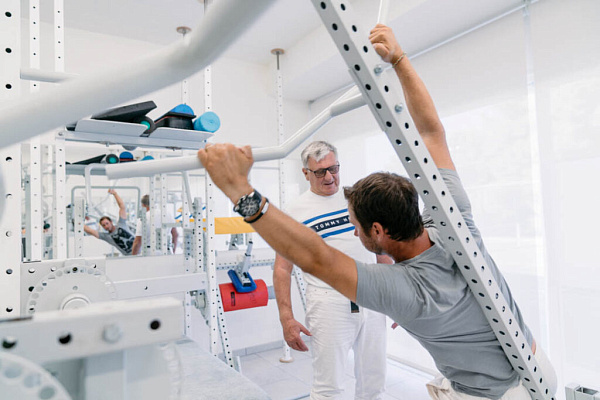
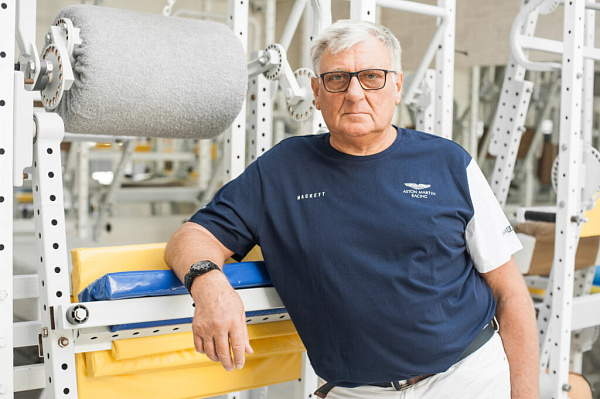
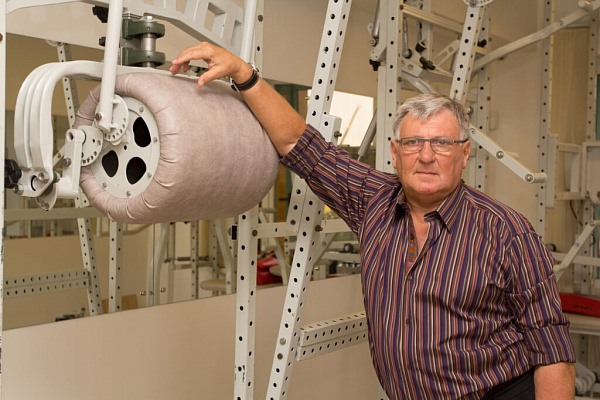
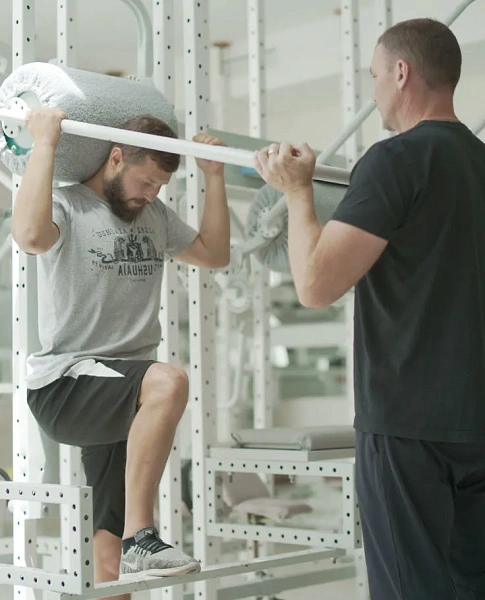
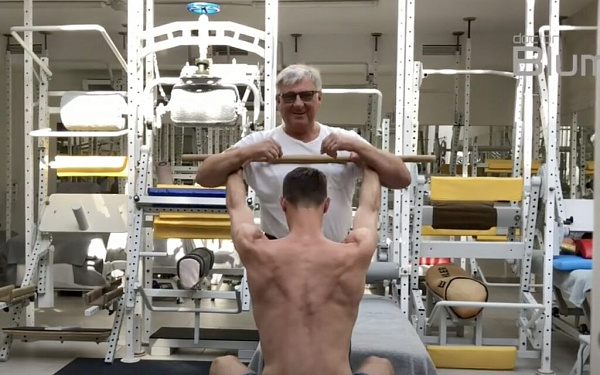
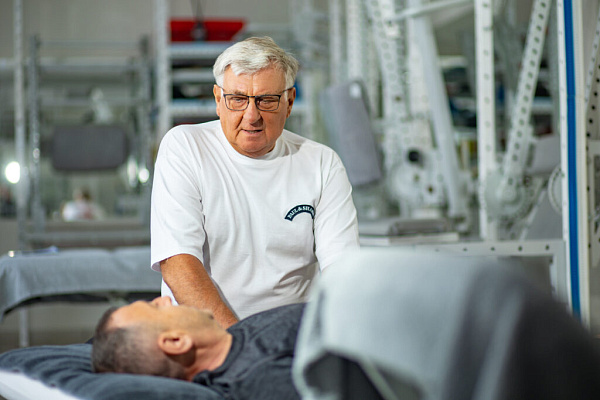
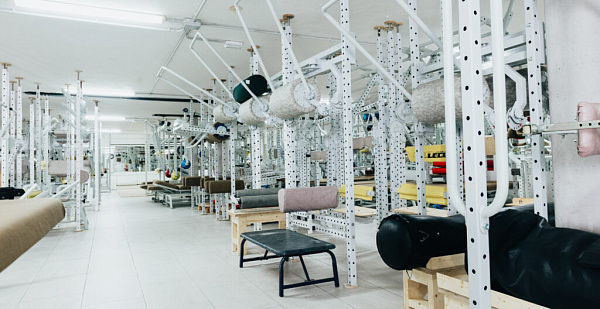
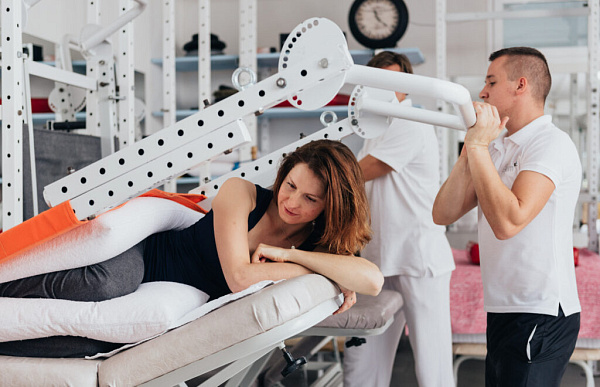
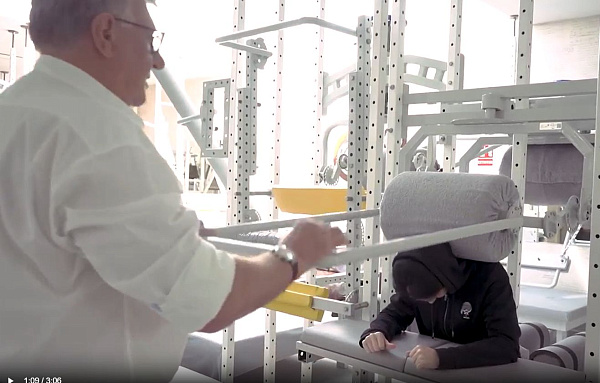
Professor Blum's Centre utilises patented rehabilitation equipment with unprecedented adaptability: there is no segment of the body, joint, muscle, or tendon that we cannot stimulate. The impact is delivered with exquisite precision, within a specified range of intensity, the necessary angle of acceleration, and dozens of other controlled parameters. This ensures a planned response even from the weakest muscles and fascial structures, allowing us to address a wide range of rehabilitation tasks for patients with the most severe forms of cerebral palsy.
Successful restoration of functional performance and structural integrity of the locomotor system and the body as a whole is achieved through the method's ability to target weak points with unique biomechanical precision, restoring tissue structure and functions in connective tissue, as well as the muscle, epithelial, and nerve cells embedded within it.
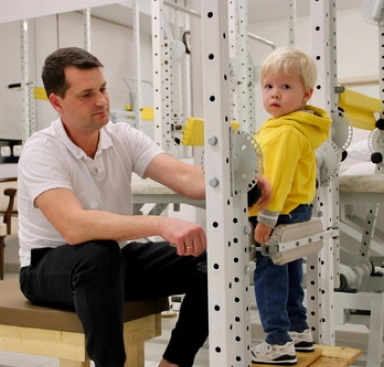
Professor Blum's patented rehabilitation modules ensure constant control of movement range and specific muscle responses, guaranteeing safety, consistency, and predictability of outcomes, while preventing overload—an essential factor for children with nervous system impairments.
Patient stories
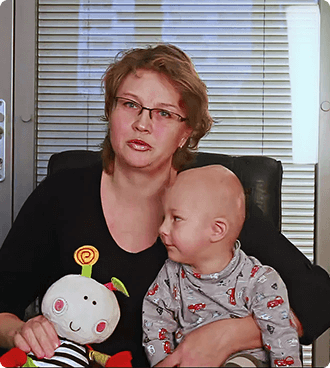
The older son underwent rehabilitation more than 17 years ago with a diagnosis of cerebral palsy. The younger son has significant health improvements from the consequences of a birth injury.
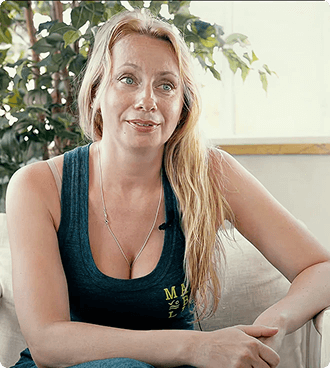
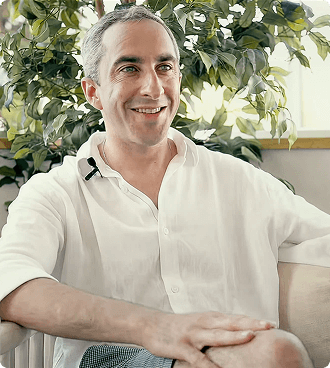
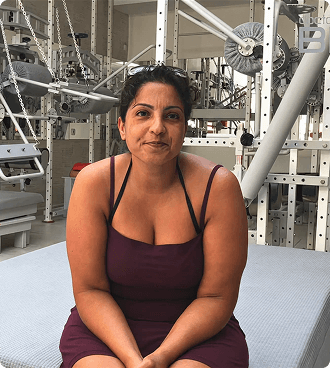
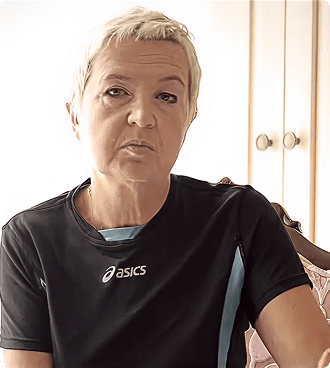
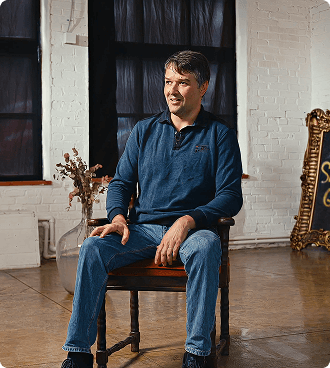
Roman was diagnosed with cerebral palsy, right-sided hemiparesis, at the age of 3. He visited many doctors and tried numerous treatments. He came to Professor Blum at the age of 19 with obvious issues on the right side of his body – no mobility in his right arm and foot. After the first session, he was able to pull his foot towards himself and regained some mobility. Inspired by the examples of others who significantly improved even in severe cases, Roman trained from morning until the clinic closed. As a result of the treatment, Roman not only walks and writes with his right hand but also drives a manual transmission car. He has a profession, a family, and two daughters.

Professor Blum’s Exclusive Rehabilitation System

The center is located in a picturesque corner of the renowned resort town of Marbella, surrounded by cedar trees at the foot of La Concha mountain. Here, science and technology blend with nature, creating a space where the body returns to balance and harmony.
Technologies that deliver results
Select a program
- Personalized Health Recovery Programs
- Disease Prevention
- Customized Check-Up

Q&A
This is a long-term process. The timeline depends on the type of cerebral palsy, the child's age, and the severity of impairments. Early changes often relate to movement quality: the child finds it easier to maintain posture, muscle tension decreases, and movements become more controlled.
It's important to understand that rehabilitation is a process. Results accumulate gradually, and stable changes require time and consistent effort – not just a single course of procedures. This is why our pediatric cerebral palsy treatment approach emphasizes sustained spasticity management and ongoing motor skill development over time.
Medical rehabilitation is not a set of universal exercises "for all children with cerebral palsy." It begins with diagnostics, taking into account the type of impairment, the current condition of muscles and joints, and progress following previous interventions.
Parents notice the difference immediately – the program does not look like a random collection of activities. There is a clear logic: why we start with this particular stage, what goals we are addressing now, and what should change in the child's condition over the coming weeks or months. Our multidisciplinary pediatric rehabilitation approach integrates sensorimotor integration techniques that are rarely found in standard programs.
Yes, the program is tailored even for severe forms of motor impairment. In such cases, it is especially important that the therapeutic load is carefully controlled and that work proceeds in stages, without abrupt interventions or attempts to «accelerate» the process at any cost.
Our realistic approach means we do not promise quick results, but we consistently work to improve the child's available range of motion, reduce the severity of secondary complications, and enhance the quality of daily activity. This program is designed for children with neurological disorders who need gentle, phased functional movement restoration without overloading their nervous system.
The earlier parents consult a specialist, the greater the body's capacity for adaptation. At an early age, the nervous system is more plastic, and correcting motor impairments is easier than when pathological patterns have already become entrenched.
It's important to understand that you don't need to wait «until it becomes clear how development will proceed.» If there are concerns, it's better to come for a diagnostic evaluation and get a professional opinion than to lose valuable time. Early intervention for cerebral palsy is one of the most critical factors in achieving positive outcomes, as neuroplasticity in children is at its peak during the first years of life.
Professor Blum's methodology is based on biomechanics and neuromuscular work: the specialist helps activate weak muscle groups, form correct movement patterns, and restore balance between muscles.
Simply put, the child is not «taught to do exercises» – instead, they are gradually guided toward more correct movement patterns. This reduces the risk of reinforcing incorrect movements and helps build more stable skills. Our methods of pediatric neurorehabilitation include therapy for childhood cerebral palsy that addresses the root causes of motor dysfunction, not just the symptoms.
Rehabilitation begins with an in-person diagnostic assessment: the specialist evaluates how the child moves, which muscles are overloaded, which are weakened, and how basic skills (head control, arm support, rolling, sitting) have developed.
For parents, this looks like a clear plan: what we are doing now, why we are doing it, and what outcome we are working toward. The program is structured in stages – the therapeutic load is adjusted so the child can adapt without overloading the nervous system or musculoskeletal system. Our motor rehabilitation approach incorporates specially designed therapeutic exercises for children that evolve as the child progresses.
Pediatricians and child neurologists rely on the international Gross Motor Function Classification System – GMFCS, introduced by R. Palisano in 1997. This system takes into account the degree of motor development and movement limitations in the child's daily life. The combination of these factors forms the basis for making this serious diagnosis. Understanding the gross motor function classification is essential for determining appropriate treatment strategies.
Currently, there are over 300 known causes of cerebral palsy. Professor Blum always examines both the true causes and the underlying context that may trigger or, conversely, reduce the risk of the condition. In modern society, certain harmful trends and habits create conditions that can turn predisposition into disease. In the case of cerebral palsy, these include: refusing to swaddle, refusing breastfeeding, using diapers, overprotection – where love and attention are expressed through constant carrying, using distracting devices – music, lights, videos – and premature verticalization when the child is not ready to sit or stand but parents want them to. All of this disrupts the natural settings for the child's independent, systematic development. We offer online consultations for young parents to prevent risks and help them navigate all critical stages of development as effectively as possible. This is part of our commitment to parent education and support.
Late diagnosis of cerebral palsy, delays in choosing an appropriate effective method, postponed initiation of adequate treatment, and waiting for the child to "outgrow" it – this is a mistaken strategy that leads away from solving the problem. Your task is not to wait for a diagnosis and then take action, but to do everything possible so that a diagnosis of cerebral palsy is never made. This is why early intervention for cerebral palsy and timely pediatric cerebral palsy treatment are so critical.
Yes, always. At the end of the course, we provide a "home program" — practical care recommendations and exercises that help catch up on developmental delays at home: parents maintain the achieved results and prepare for the next rehabilitation course. It is important to understand that recovery for a child with cerebral palsy is a complex, long-term process.
The duration of the rehabilitation course depends on the severity of cerebral palsy, the patient's age, the presence of complications, and the extent of motor deficit. The greater the delay, the more complex and extensive the work required, and the longer the recovery timeline. To determine the exact duration and cost, schedule a free online consultation with a physician at our Center. Our pediatric rehabilitation center offers personalized assessments and program recommendations tailored to each child's unique needs and early intervention for cerebral palsy goals.
- Spasticity – involuntary muscle spasms accompanied by pain;
- Seizures, hypertonus (muscle tension even at rest);
- Oculomotor disturbances, constant or intermittent strabismus, vision problems;
- Movements that are too abrupt, chaotic, or too slow;
- Unnatural body position – either too relaxed or, conversely, too tense;
- Hearing impairment, speech disorders, swallowing difficulties;
- Skeletal deformities;
- At 1 month: the child does not hold their head up; does not blink in response to loud sounds;
- At 3 months: does not roll from stomach to back or back to stomach;
- At 4 months: does not turn head toward sound; does not reach for a toy;
- At 7 months: cannot sit without support; does not crawl;
- At 12 months: does not walk independently;
- Walks on tiptoes; knees turn inward;
- Brain cysts or epilepsy are detected;
- Difficulty maintaining posture;
- Uses only one hand for all actions.
The cost of a course of treatment with a stay in a hotel
- Appointments and consultations
- Creating an individual program
- Conducting personal sessions
- Appointments and consultations
- Creating an individual program
- Conducting personal sessions
Other areas of work of our Center
.webp)