

Pediatric Scoliosis Treatment for Children
- consideration of medical history, age, severity, and complications
- individual approach for congenital and acquired scoliosis
- posture improvement at any age

Our medical strategy
Years of experience have confirmed that the primary trigger for scoliosis in children is a pelvic shift caused by asymmetrical hip joints. Changes in the position of the pelvic bones—a misalignment—are often the root cause of subsequent pathological changes in the "spine-pelvis-lower limbs" complex when a child’s spine curves.
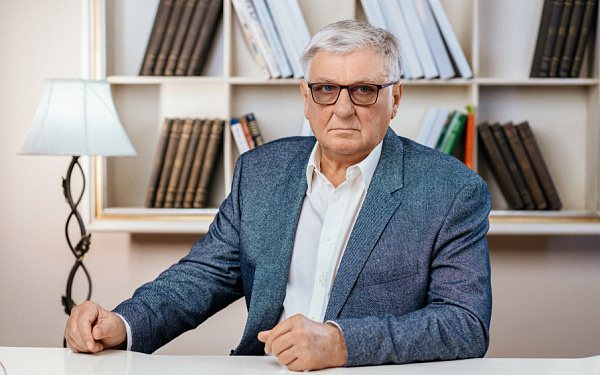
Professor Blum's approach centers on the pelvis as the body’s center of mass, and builds the recovery process from that foundation.
What makes our scoliosis treatment strategy different
The pelvis is the foundation — the base on which a straight and strong spine is built.
Another key point: asymmetries often stem from connective tissue pathology — specifically, connective tissue dysplasia. That’s why our conservative scoliosis treatment includes techniques designed to restore connective tissue structure — the quality of the "building blocks" that make up a healthy spine.
Compensatory deformities — of the neck and head, shoulders, shoulder blades, lower limbs, flat feet, valgus/varus feet, bow legs or knock-knees, as well as chest deformities that accompany scoliosis — can only be corrected after addressing pelvic and hip joint shifts and misalignments. It is this step-by-step approach that achieves proper postural alignment and lasting symmetry.
Thanks to a clear biomechanical step‑by‑step strategy, scoliosis rehabilitation at Professor Blum’s Center delivers lasting results even in severe cases. Our methods allow treatment to begin as early as possible — identifying the problem at the predisposition stage — and using the unique capabilities of our proprietary system to eliminate the disease. The primary goals are restoring proper spinal alignment, strengthening the muscle corset, and preventing progression during a child’s rapid growth phases.
Who the program is for
Each child’s treatment plan at Professor Blum’s Center is tailored to their age — the approach always depends on the growth stage and type of curvature.
Preschoolers (3–6 years). Early detection allows correction before the active growth spurt. At this stage, comprehensive techniques to strengthen connective tissue are especially important.
Elementary school children (7–10 years). For scoliosis in this age group, we focus on building the muscle corset and halting progression. This is the age when curvature often first becomes noticeable.
Adolescents (11–17 years). Adolescent scoliosis demands close attention — it’s during this period that progression peaks due to rapid skeletal growth. Our goal is to stabilize the spine, prevent worsening, and avoid the psychological impact of postural deformity.
Children during active growth phases. Any scoliosis during active growth (growth spurts at 5–7 and 11–14 years) is an indication to start comprehensive, appropriate therapy. The faster a child grows, the higher the risk of the curvature angle increasing.
Programs based on Professor Blum’s method are developed individually for each child — for different ages and degrees of scoliosis — the approach is always personalized. We do not use cookie‑cutter protocols. Preschoolers get one set of techniques, adolescents get another — more intensive, yet always safe, without aggressive intervention.
What Types of Scoliosis and Asymmetries Can Be Treated Through Rehabilitation
At our Center, we see parents who want their children to be healthy, straight, tall, and well‑proportioned. The earlier the recovery process begins, the easier it is to restore the spine’s proper shape. We work with acquired deformities, as well as conditions that can lead to progressive scoliosis. The areas we address include:
- S‑shaped scoliosis and C‑shaped scoliosis (right‑sided and left‑sided)
- Thoracic scoliosis, lumbar scoliosis, thoracolumbar scoliosis
- Cobb angle – from mild to severe – scoliosis grade 1, grade 2, grade 3
- Vertebral torsion and vertebral rotation – twisting of the vertebrae that leads to a rib hump and muscle ridge
- Progressive scoliosis (rapid worsening) and stable scoliosis (no change) – each gets its own protocol
- Pelvic tilt, hip dysplasia
- Leg length discrepancy, flat feet
- Chest wall deformities
- Shoulder asymmetry, uneven shoulder blades, facial asymmetry, lower jaw asymmetry
- Slouching, easy fatigability, back pain in a child, complaints of spinal discomfort, noticeable spinal curvature
- Rehabilitation after scoliosis surgery
- Preconception and prenatal preparation for women with scoliosis
- Biomechanical testing of newborns with risk factors
A comprehensive, individualized rehabilitation program is developed based on the child’s medical history, age, severity of scoliosis, rate of progression, secondary effects and complications, and results of any previous treatment.
General Overview of the Problem
Scoliosis in children is a three‑dimensional, screw‑shaped deformity of the spine – an extremely complex biomechanical issue. It can be congenital or acquired. In children, congenital scoliosis is more common, often caused by deformities and asymmetries in the mother’s body that the child copies and is born with. The second major cause of scoliosis is trauma, most frequently birth‑related trauma. How quickly scoliosis progresses in a child depends on risk factors and their growth and development conditions. In some cases, it may stabilize at grade 1; in others, progression is very rapid, and by adolescence the curvature reaches 30‑40%.
Why Scoliosis in Children Is Dangerous
The danger lies in the fact that progressive spinal curvature during growth leads to chest wall deformity and a rib hump, which put pressure on internal organs. This causes disruptions in the cardiovascular, respiratory, digestive, endocrine, and immune systems. The child experiences back pain, gets tired easily, and complains of discomfort when sitting or walking. Cosmetic defects develop (shoulder asymmetry, one shoulder blade higher than the other, pelvic tilt, slouching), which leads to psychological problems.
Diagnosis: How to Detect Scoliosis at an Early Stage
Early detection is the key to successful treatment. Diagnosing scoliosis in children begins with an orthopedic exam. The physician performs a scoliosis screening test (Adam’s test) – a forward bend with arms extended, which reveals asymmetry of the ribs and back muscles. This is followed by X‑rays of the spine in two projections to measure the Cobb angle. Functional tests are also used to assess spinal flexibility and compensatory capacity. Timely diagnosis makes it possible to detect scoliosis at an early stage, when conservative treatment is most effective.
Treatment and comprehensive rehabilitation for scoliosis in children should begin before the active growth phase, so that the deformity does not become progressive and require extensive surgical intervention.
-
Restoring correct pelvic alignment as the foundation for spinal correction
-
Correcting scoliosis from the pelvis upward, following a step-by-step biomechanical strategy
-
Strengthening connective tissue and addressing dysplasia to ensure long-term results
-
Eliminating pelvic and hip misalignments to correct compensatory deformities (head, neck, shoulders, legs, feet)
-
Early detection of predisposition and systematic elimination of scoliosis causes through a structured rehabilitation program
Objectives of the program
-
Restoration of body geometryRestoration of body geometry, starting with the correct anatomical position of the pelvis, eliminating tilts, deformations, and bone displacements. This includes achieving the proper alignment of both hip joints and strengthening the muscular and ligamentous system that holds the bones and joints in place.
-
Elimination of spinal curvature in a sequence from the pelvis upwardElimination of spinal curvature in a sequence from the pelvis upward, starting with the lumbar region, followed by the thoracic and cervical sections. The spine will be methodically and gradually returned to its correct anatomical position, stabilised by deep muscles, and reinforced by strengthening the postural muscular structure.
-
Restoration of the spatial topography of internal organsRestoration of the spatial topography of internal organs, eliminating displacements of blood vessels, nerves, ducts, and other anatomical structures. This includes releasing superficial and deep compensations from the old postural patterns and relieving muscular tension.
Our Proprietary Method
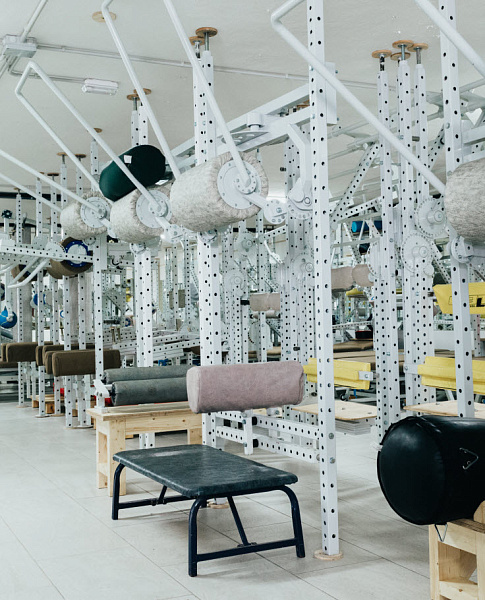
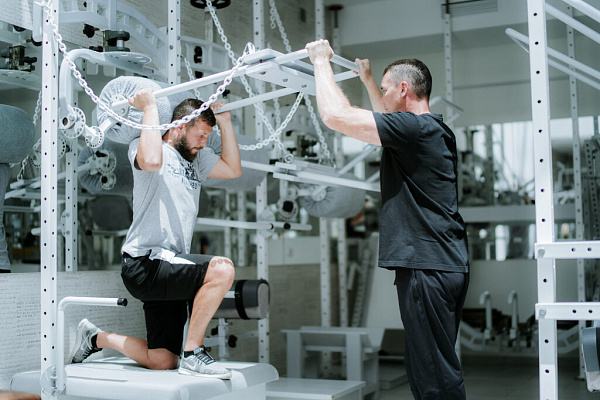
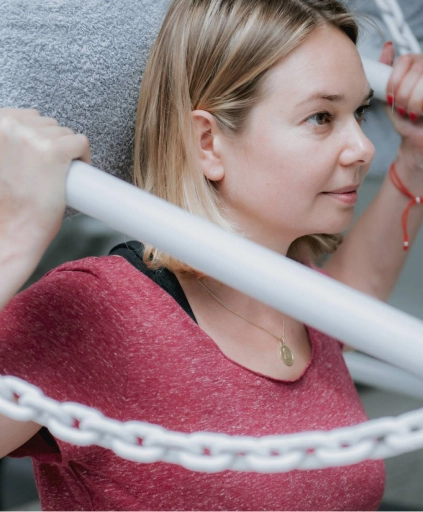
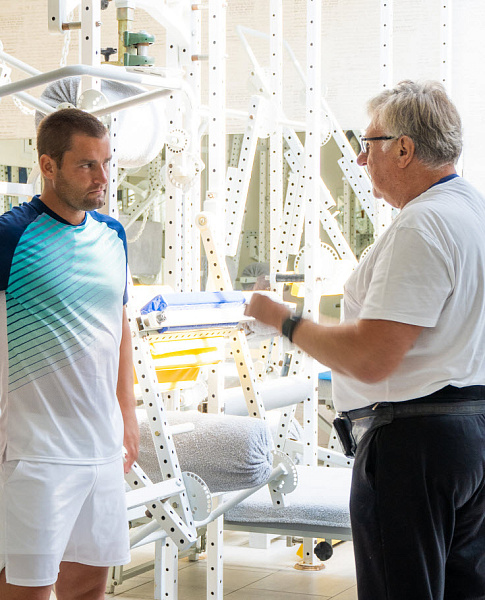
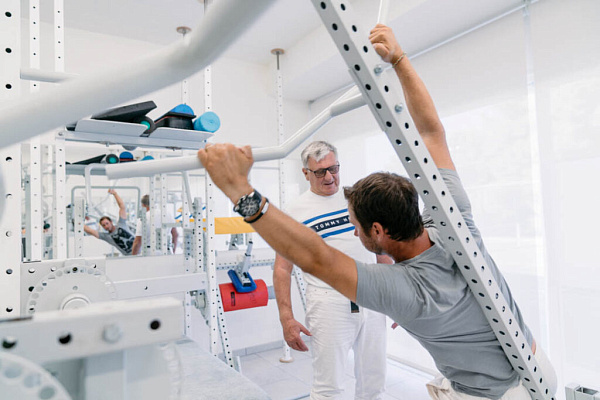
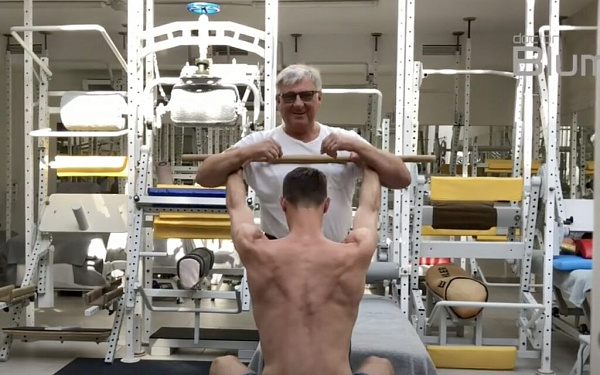
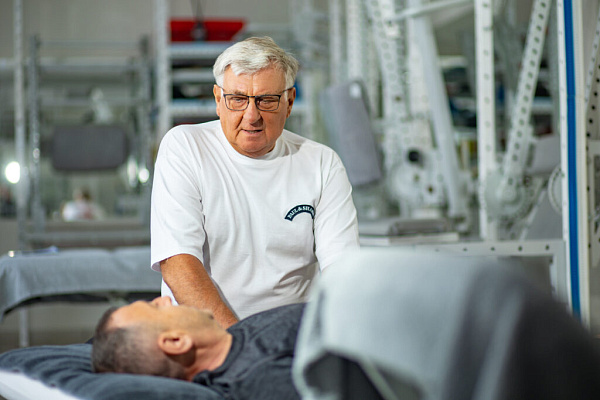
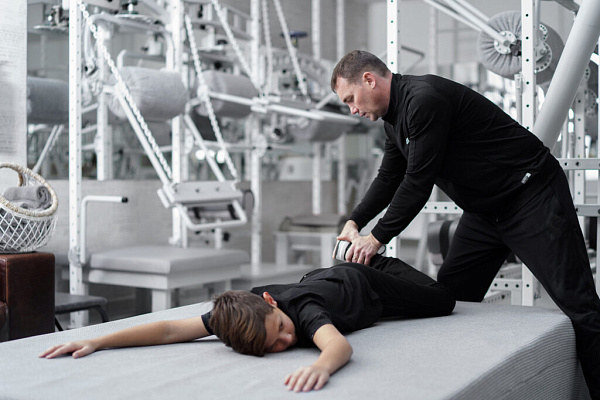
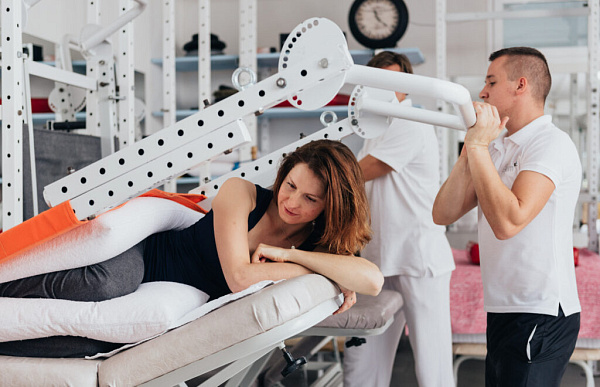
Professor Blum’s Center has specialized for many years in the conservative treatment of scoliosis of any severity in children. Our patented system of methods, techniques, and specialized equipment delivers stable positive results, eliminates spinal curvature in children, provides effective scoliosis rehabilitation, and helps avoid major surgical intervention.
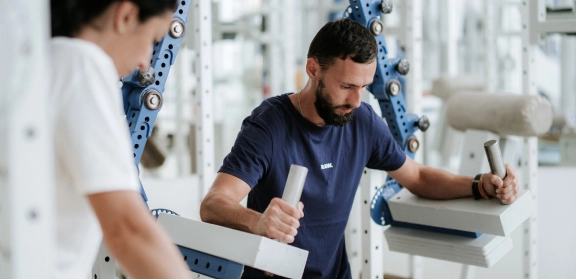
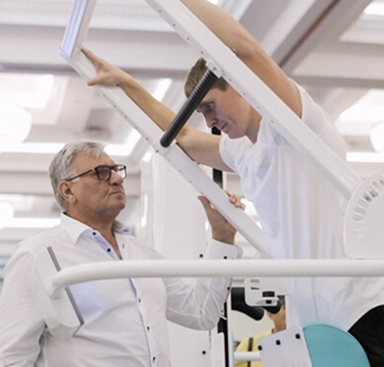
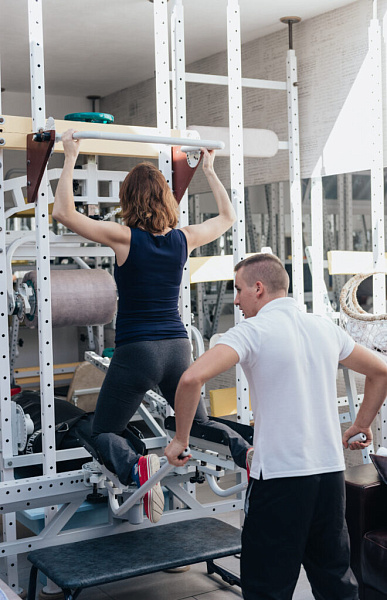
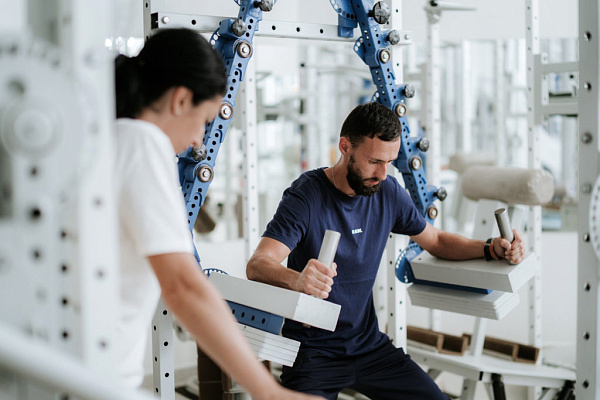
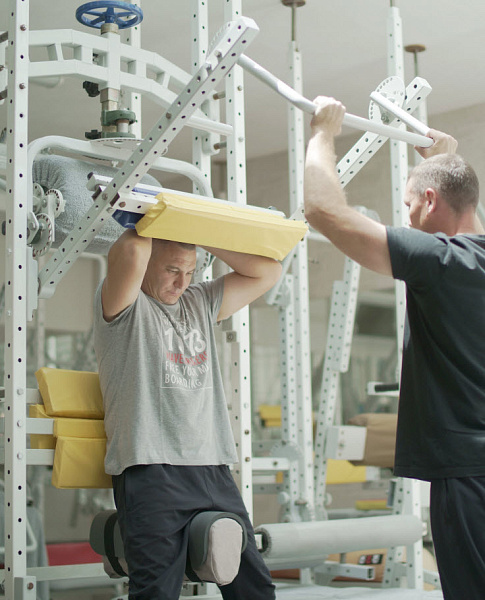
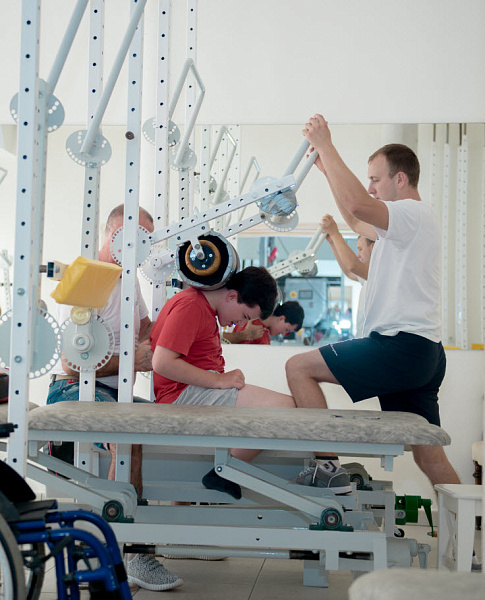
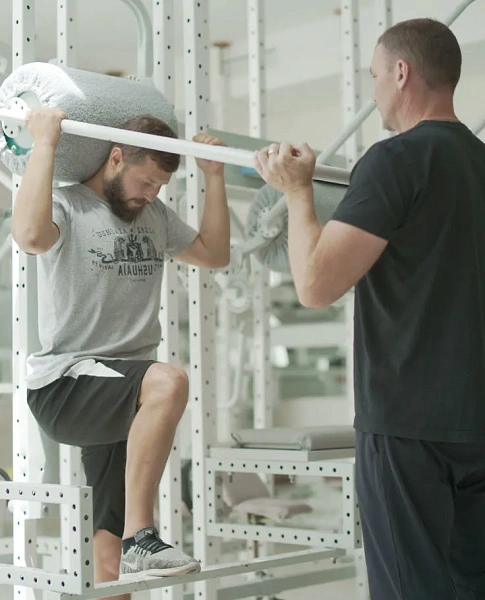
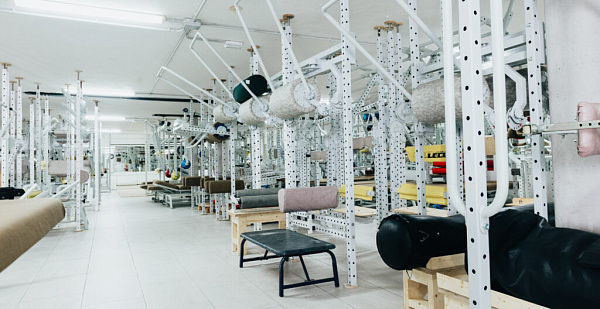
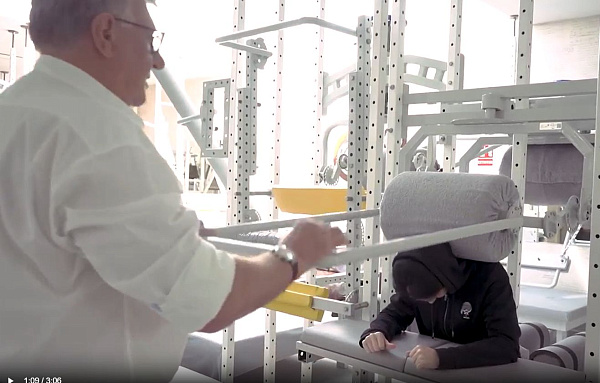
Our rehabilitation equipment offers unprecedented adjustability and precision of impact, a defined range of intensity, the necessary angles, accelerations, and dozens of other controlled parameters that produce the intended response even from the weakest muscle and fascial structures. This allows us to strengthen the deep spinal muscles, restoring the body’s correct alignment even in complex deformities.
Continuous monitoring of range of motion and the specific musculoskeletal response guarantees safety, ensures consistency and predictability of results, and eliminates any risk of overloading — which is especially important in children with severe scoliosis. The main focus at every stage is restoring symmetry of the shoulders and shoulder blades, correcting leg deformities, strengthening the back muscles, and achieving long‑term stabilization of the results.
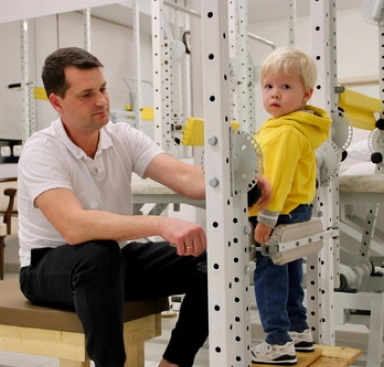
Patient stories
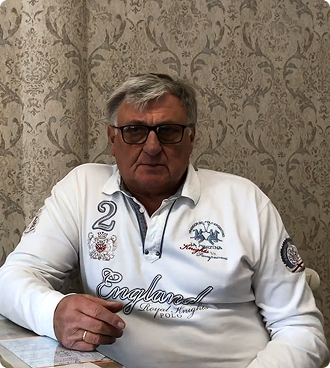

Professor Blum’s Exclusive Rehabilitation System

The center is located in a picturesque corner of the renowned resort town of Marbella, surrounded by cedar trees at the foot of La Concha mountain. Here, science and technology blend with nature, creating a space where the body returns to balance and harmony.
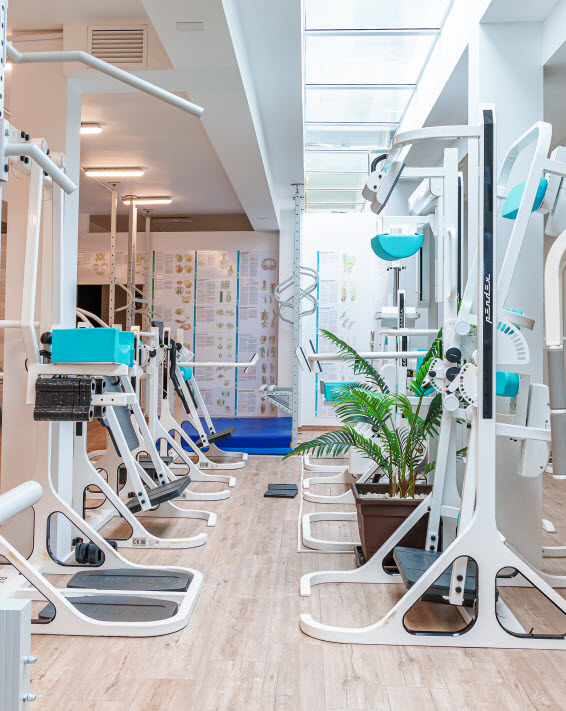
Technologies that deliver results
Select a program
- Personalized Health Recovery Programs
- Disease Prevention
- Customized Check-Up

Q&A
Modern children grow up sitting down—this is a problem that can turn even a slight predisposition into a serious illness. The most important condition is to ensure sufficient physical activity, preventing a sedentary lifestyle from disrupting the proper growth and development of the body. Our Centre offers annual CHECK-UP programs that allow us to detect any deviations from the norm, and based on the results, we develop an individualised program. If you have any questions, schedule a free online consultation with a Centre doctor.
If the scoliosis is at stage 1 or 2A, it is possible. However, only in sports that evenly distribute the load on both the right and left sides of the body. Any asymmetrical load can worsen the curvature and accelerate the deformation of the spine. We recommend correcting the curvature first, and then engaging in sports.
The duration of the rehabilitation course depends on the severity of scoliosis, the age of the patient, the presence of complications, and the negative effects of previous manual treatments. To determine the exact duration and cost, sign up for a free online consultation with a doctor from the Centre.
Yes, always. After rehabilitation, we provide a "home program" — practical recommendations and exercises to strengthen the back muscles and maintain core support at home, in line with the principles of pediatric physical therapy.
Yes, there are two options. The first is to eliminate scoliosis in the woman before pregnancy, so the fetus can grow and develop in a symmetrical body, reducing the risk of inheriting deformities from the mother. We have seen an increase in such requests due to the high prevalence of scoliosis. The second option is if scoliosis has not been corrected before pregnancy, symmetry can be restored in the newborn. Our Centre offers programs for children from their very first days of life.
Yes, it is possible if scoliosis is detected at an early stage, the correct treatment method is chosen, and recommendations are followed consistently.
We recommend an X-ray of the spine, pelvis, and hip joints taken in a standing position, as this allows the body to bear its normal gravitational load, making even minor deformities visible. In most cases, when X-rays are taken while lying down, many displacements are not detectable.
With careful observation, you may notice: shoulder asymmetry, unusual shoulder blade positioning, unequal space between the elbow and the waist, pelvic tilt, or a difference in leg length. In the Adams forward bend test — bending forward with straight knees — if one side of the back sits higher than the other (a rib hump or a muscle ridge on one side), that is a clear reason to see a specialist.
The cost of a course of treatment with a stay in a hotel
- Appointments and consultations
- Creating an individual program
- Conducting personal sessions
- Appointments and consultations
- Creating an individual program
- Conducting personal sessions
Other areas of work of our Center
.webp)