

Birth Injury Consequences Treatment & Rehabilitation for Children

- to identify the root causes, complications, and effects of birth injuries
- a plan that considers maternal health, pregnancy, and delivery history
- solutions tailored to age, medical history, and condition severity

Our medical strategy
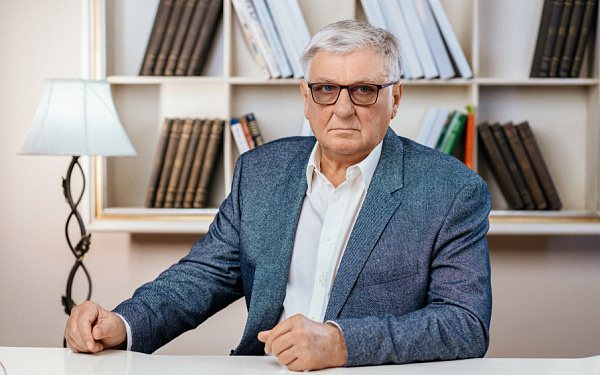
Professor Blum's proprietary method makes it possible to start treating the effects of birth injuries from the earliest age, thanks to the unique capabilities of his system of methods and techniques.
The imperative nature of the techniques (working without the child's conscious participation) allows us to begin restoring the body from the very first days. We don't waste time — we immediately start stimulating segments that are lagging in development, activating natural mechanisms of self‑healing, integration, and differentiation.
Afferent priming is a way to restore and organize processes that were not working or were working poorly, moving from general motor chaos to conscious movements and patterns that trigger mental and psychoemotional development. To ensure a precise start, we conduct diagnostics across six macro‑blocks: biomechanical testing, identifying overt and hidden dysfunctions, and determining pathogenetic mechanisms.
Restoring muscle‑joint balance, creating conditions for growth and development, catching up on developmental deficits — it is precisely developmental deficits that accumulate if we don't intervene in time. We work with the child's biological calendar, helping them go through the phases of ontogenesis in the correct order.
Strict ontogenetic sequence of movement restoration: preparation for walking. Premature verticalization leads to deformities and asymmetries of the spine and joints.
Who is the post‑birth trauma rehabilitation program for
Conditions we treat at our Center (5 groups):
- Cerebral palsy (motor, cognitive, and mental impairments)
- Autism, attention deficit hyperactivity disorder (ADHD), disinhibition
- Hydrocephalus, increased intracranial pressure
- Psychomotor and speech delay, encephalopathy
- Injuries to the brachial and lumbosacral plexuses, cervical spine, dislocations (including brachial plexus injury, obstetric paralysis / Duchenne‑Erb palsy, Dejerine‑Klumpke paralysis, lumbosacral plexus injury, hip dislocation (congenital or birth‑related))
We also work with:
- birth injury to the cervical spine,
- birth injury to the head,
- cranial trauma,
- misalignment of the cranial bones,
- skull compression during birth,
- cephalhematoma,
- birth swelling (caput succedaneum),
- newborn clavicle fracture,
- muscular torticollis,
- injury to the sternocleidomastoid muscle,
- natal spinal cord injury,
- intracranial hemorrhage in newborns.
Key aspects of rehabilitating children after birth trauma
Consequences and signs in early infancy
Parents may notice:
- restlessness, excessive crying, sleep disturbances
- frequent regurgitation ("projectile" vomiting), difficulty sucking and swallowing
- head tilting back
- muscle hypertonia / hypotonia
- tremor of the chin or hands, startle responses
- strabismus, asymmetry of the head or face
- slow weight gain
- delayed motor development (child does not hold head up, does not roll over)
Consequences at an older age
If rehabilitation is not started in time, persistent disorders develop:
- speech delay
- poor posture, scoliosis, flat feet
- headaches, migraines
- increased fatigue, decreased attention span
- emotional lability, memory problems, learning difficulties
- motor chaos (random, uncoordinated movements) instead of purposeful movements
Biological adaptation as the foundation
The most serious consequence of birth trauma is that the child’s body becomes so weakened that it cannot adapt. The sequence of physiological developmental processes is disrupted, tissue maturation is impaired, metabolic and information‑integrative systems fail to integrate, and resistance and vitality decline.
Our task is to restore biological adaptation — the foundation on which the child’s psychological and social adaptation are built.
Diagnosis and an individualized plan
The six‑macroblock diagnostic system developed by Professor Blum makes it possible to identify all consequences and trends from the very first days of life, determine the precise order of ontogenetic phases, and develop an individualized plan in which each previous phase serves as the foundation for the next — taking into account the child’s medical history, biological calendar, and accumulated developmental deficits.
Our goal is to prevent pathology from developing. The earlier we begin restoring the correct sequence of ontogenetic phases, the greater the chance of fully catching up on all deficits and removing the child from the risk group by the end of the first year of life.
How Birth Injuries Occur
Most newborns sustain some form of injury during delivery. Most often these are soft tissue injuries that resolve on their own without consequences. But if labor is complicated, the baby can be seriously harmed. Main risk factors:
- rapid or prolonged labor
- large fetus (over 4 kg / 8.8 lbs)
- breech presentation
- labor induction, oxytocin
- forceps or vacuum extraction
- cesarean section
- narrow maternal pelvis
- preterm birth
Trauma can also occur due to excessive pressure from uneven uterine contractions and other obstetric manipulations.
The hidden danger
The danger of birth trauma lies in the fact that symptoms are often hidden and only become evident after a diagnosis has already taken hold: developmental delay, cerebral palsy, autism, epilepsy, paresis, paralysis. Early identification of the cause, type of injury, its location, and the consequences it has produced will help parents avoid wrong choices in treatment methods, take all necessary measures without losing time, and restore the child’s physical and psychoemotional development.
What we offer
At Professor Blum’s Center, we perform a comprehensive evaluation, identify all consequences – both obvious and hidden – determine the precise pathogenetic mechanisms of the problem, and develop an individualized rehabilitation program for children after birth trauma, starting from the first days of life.
-
Early recovery without the child’s conscious involvement.
-
Development of purposeful movements and mental functions.
-
Restoration of muscle balance and motor activity.
-
Preparation for walking in a proper developmental sequence.
Objectives of the program
-
Identify and eliminate both obvious and hidden displacementsIdentify and eliminate both obvious and hidden displacements, deformities, asymmetries, and misalignments caused by birth injuries. Create the necessary conditions for the maturation of organs and tissues, recover developmental deficits, and bring the child’s development in line with their chronological age.
-
Eliminate compensations and properly organise motor activityEliminate compensations and properly organise motor activity. The increase in growth and body mass must be supported by an adequate volume of physical activity so that body tissues grow, differentiate, mature, and fulfill their functions.
-
Manage positive trends, assist the body in self-recoveryManage positive trends, assist the body in self-recovery, restore mobility in the musculoskeletal structures, improve cerebrospinal fluid circulation, and restore the normal position and function of internal organs.
Proprietary method
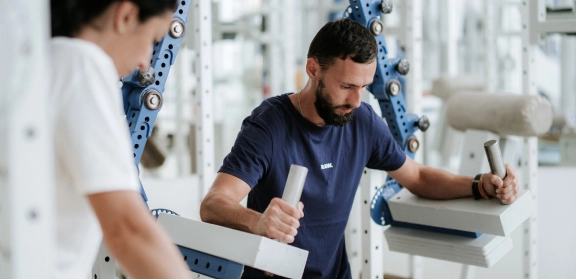
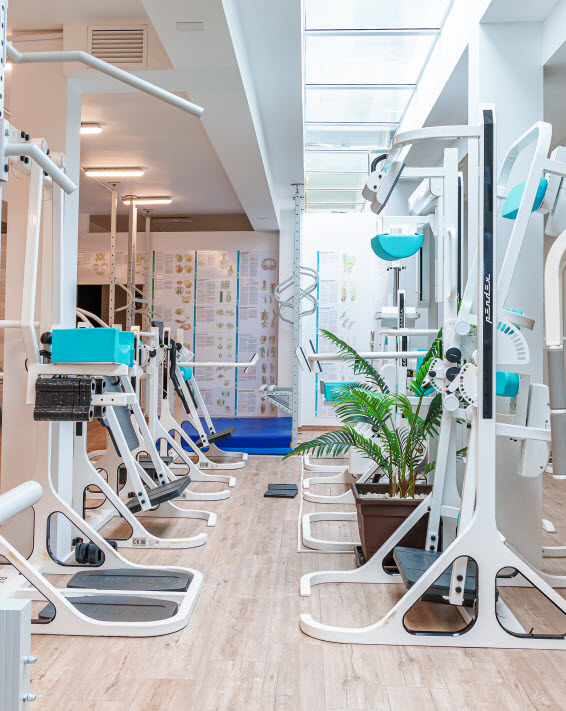
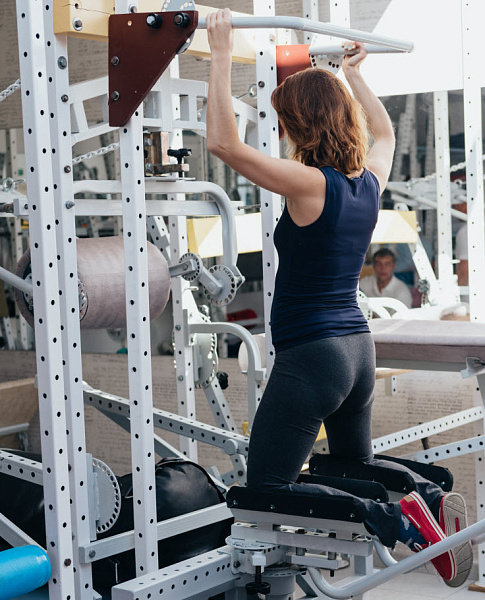
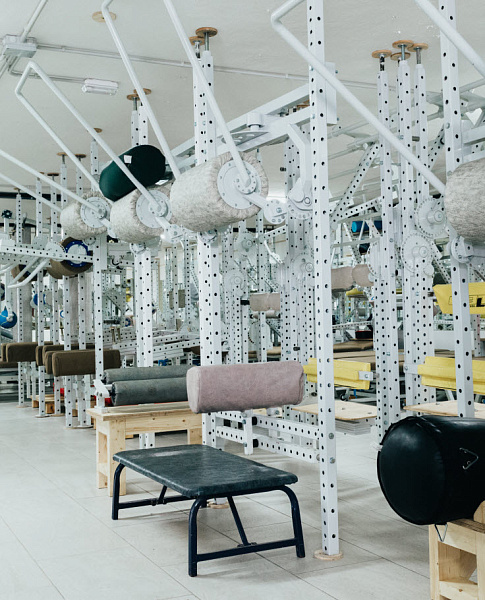
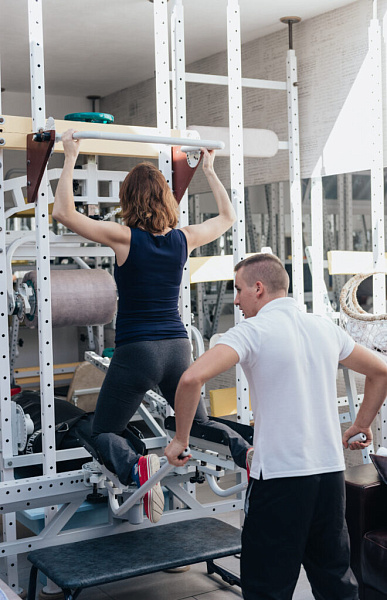
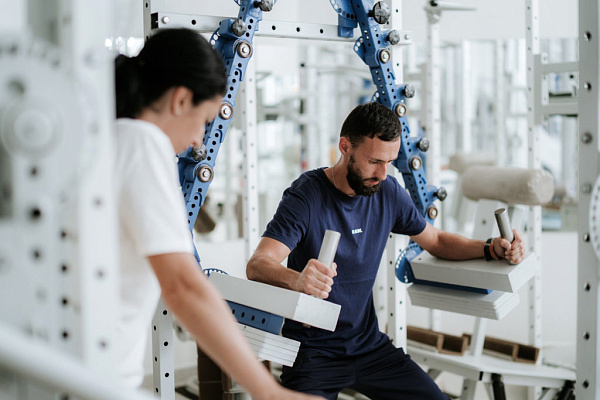
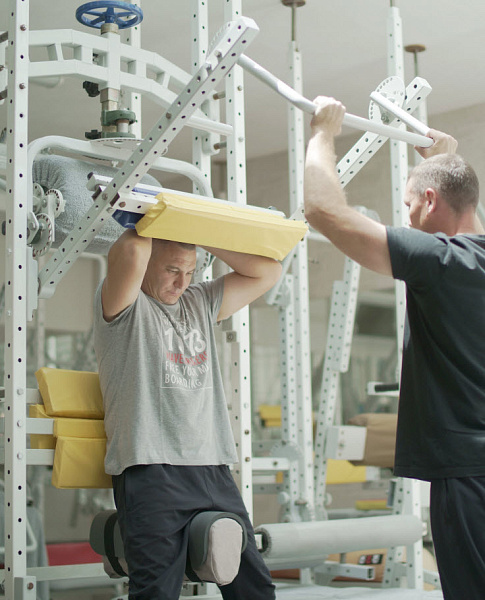
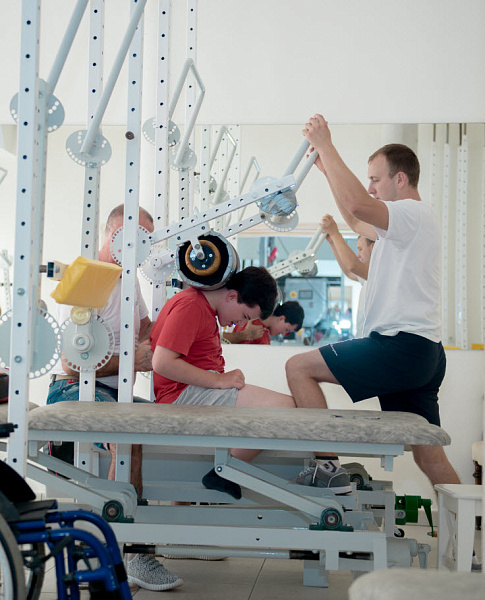
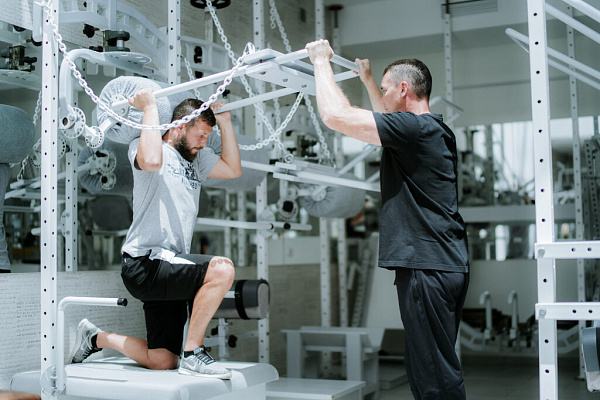
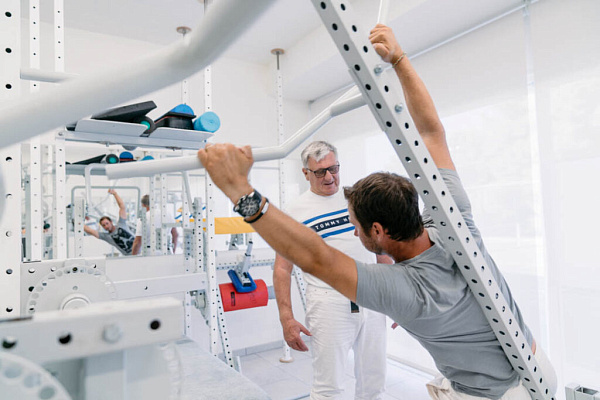
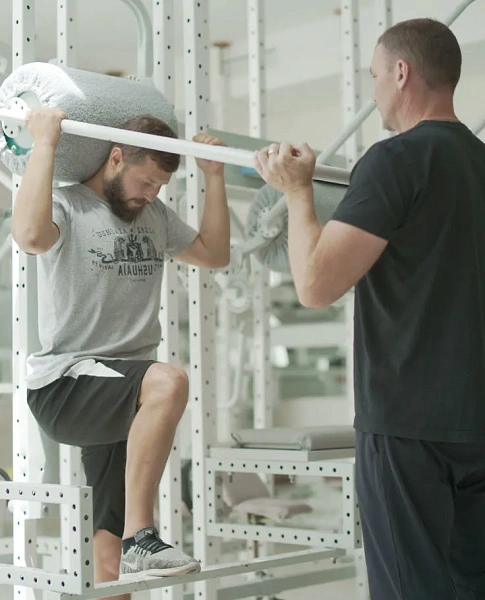
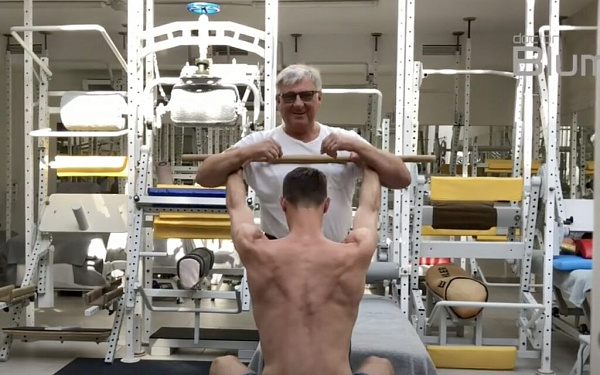
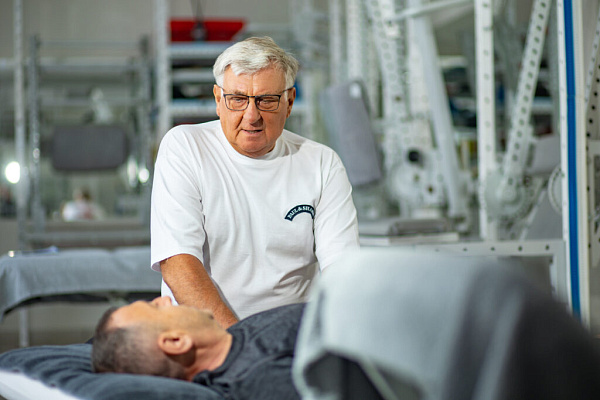
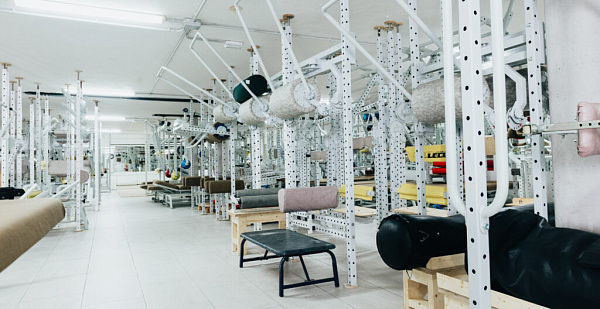
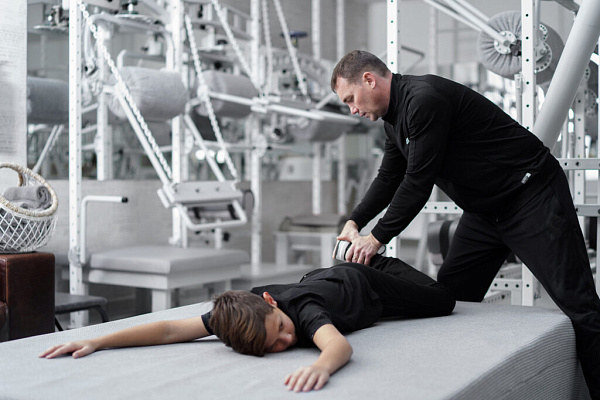
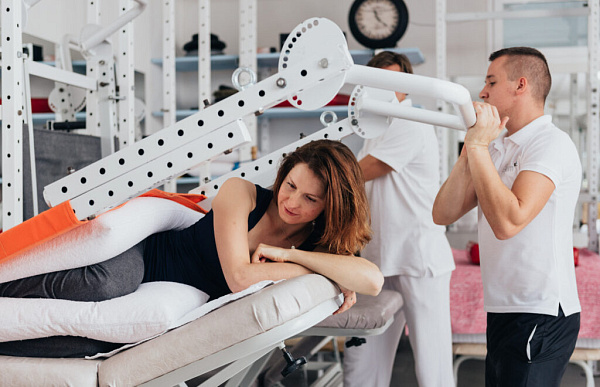
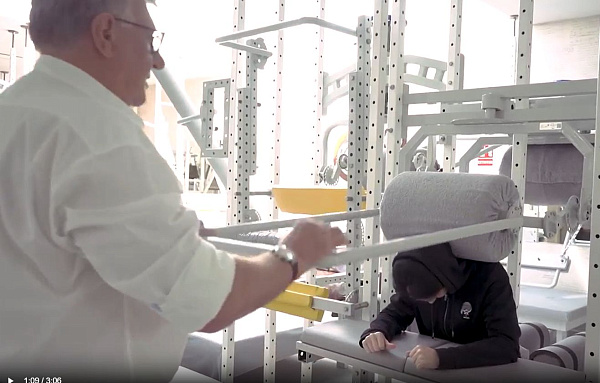
Professor Blum's proprietary method and proprietary rehabilitation equipment make it possible to restore the anatomical integrity of the body, eliminating displacements of bones, vertebrae, muscles, nerves, tendons, plexuses, and blood vessels. They create the conditions for the maturation of the respiratory, nervous, and cardiovascular systems. They also normalize cerebrospinal fluid circulation and restore the position of internal organs.
The impact is delivered with filigree precision within a defined intensity range, at the necessary angle, acceleration, and dozens of other controlled parameters, producing the intended response even from the weakest structures. This guarantees that we can address a wide range of challenges in rehabilitating children with birth trauma consequences.
Successful restoration of functional capacity and structural integrity of the musculoskeletal system and the body as a whole is ensured by the method's ability to target weak links with unique precision, restoring tissue structure and function of connective tissue and the muscle, epithelial, and nerve cells embedded within it.
Continuous monitoring of range of motion and specific muscle response guarantees safety, ensures consistency and predictability of results, and eliminates overload.
Patient stories
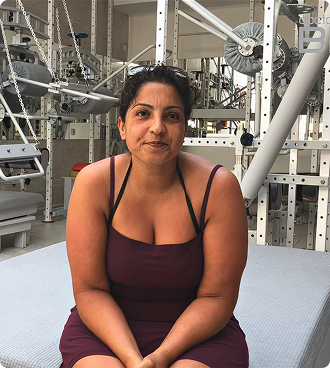
Developmental Delay. Cerebral Palsy, Vision Impairments.
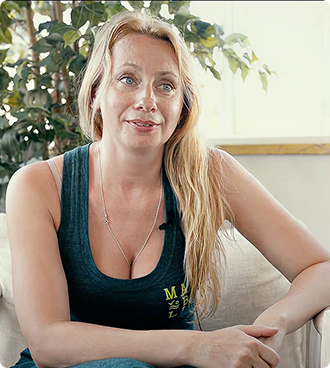
Hydrocephalus. Cerebral Palsy. Developmental Delay.
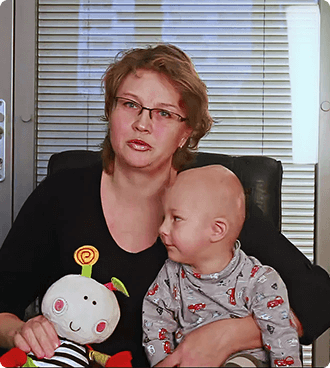
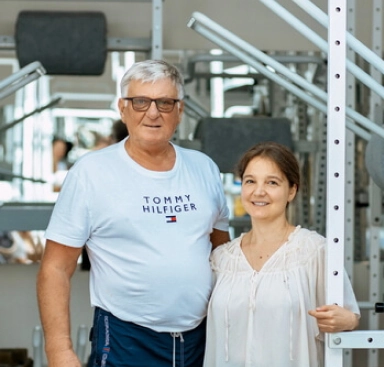
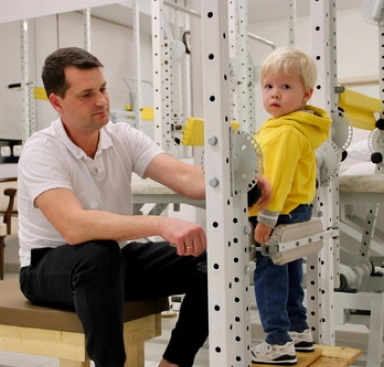
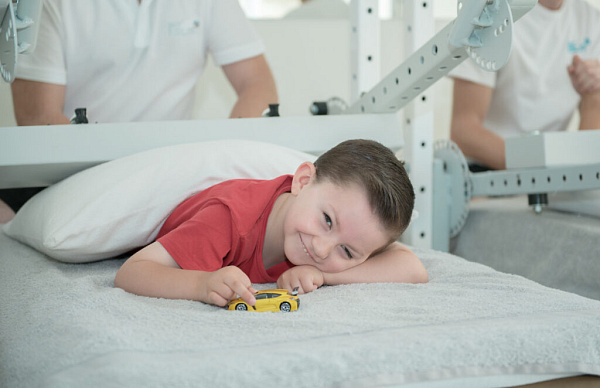
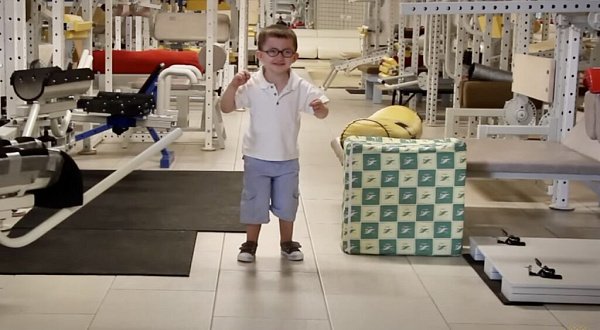
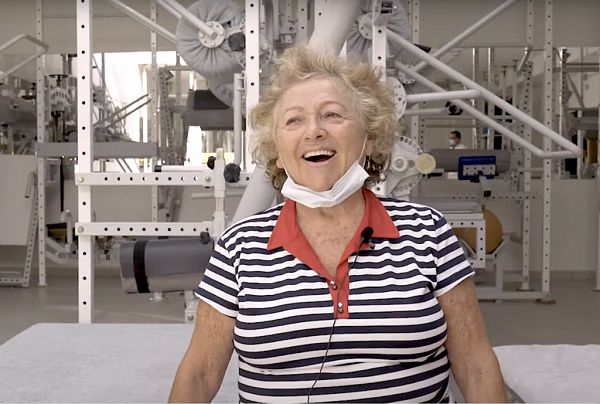
The older son underwent rehabilitation more than 17 years ago with a diagnosis of cerebral palsy. The younger son has significant health improvements from the consequences of a birth injury.

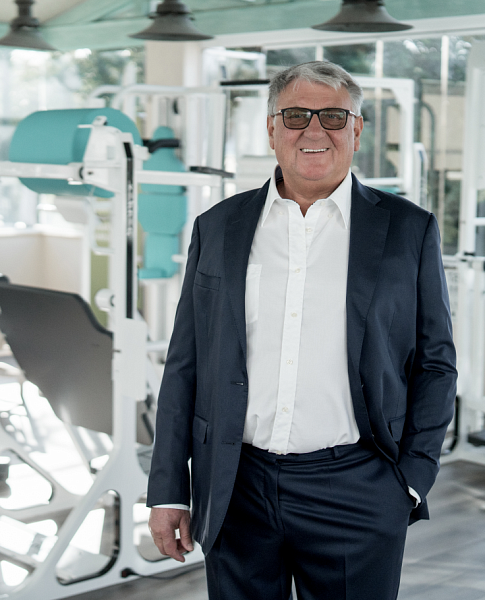
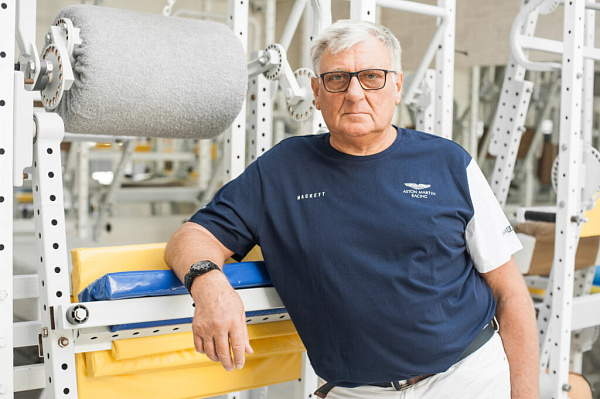
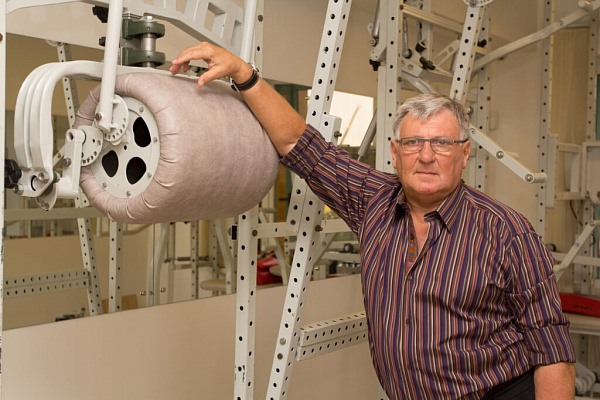
Professor Blum’s Exclusive Rehabilitation System

The center is located in a picturesque corner of the renowned resort town of Marbella, surrounded by cedar trees at the foot of La Concha mountain. Here, science and technology blend with nature, creating a space where the body returns to balance and harmony.
Technologies that deliver results
Select a program
- Personalized Health Recovery Programs
- Disease Prevention
- Customized Check-Up

Q&A
Rehabilitation can start as soon as the newborn’s condition has stabilised and they have been discharged from the hospital. The earlier rehabilitation begins for a child with a birth injury, the better the results. Schedule an online consultation with a doctor from our Centre, and send all discharge notes, medical conclusions, and test results to determine the goals, exact recovery plan, and cost of the course.
Future parents should undergo a full medical check-up 12 months before planning a pregnancy. Complete recovery is necessary, and any chronic conditions should be addressed, especially for the mother, if she has an unfavourable gynaecological history or experienced complicated deliveries in the past.
Yes, prevention requires preparation for childbirth, including: learning about the physiology of pregnancy and childbirth, ensuring the mother’s full health recovery before pregnancy, opting for natural childbirth, preferably vertical delivery, assessing all risk factors right before birth, carefully selecting the doctor and midwife, and minimising any medical interventions when possible.
- Restlessness, disturbed sleep, frequent regurgitation;
- Seizures, muscle tension even at rest;
- Excessively sharp, chaotic, or slowed movements of the baby;
- Unnatural body posture – either too relaxed or, conversely, tense;
- Skull asymmetry, torticollis, facial asymmetry;
- At 3 months, does not hold their head up, does not roll over;
- At 4 months, does not turn their head to sounds, does not reach for toys;
- At 7 months, cannot sit without support, does not crawl;
- At 12 months, does not walk independently;
- Performs all actions with only one hand.
Comprehensive diagnostics using Professor Blum's proprietary method always identifies the root cause of the condition. We separate cause from effect and work by eliminating the cause — not suppressing symptoms with medication. Book a consultation with a physician at our Center for a detailed assessment and a clear action plan.
The cost of a course of treatment with a stay in a hotel
- Appointments and consultations
- Creating an individual program
- Conducting personal sessions
- Appointments and consultations
- Creating an individual program
- Conducting personal sessions
Other areas of work of our Center
.webp)