

Developmental Delay Treatment & Support Programs for Children

- Identifying the causes of slowed motor, speech, and cognitive development at the level of biomechanics and neurodevelopment — where motor development delay and other pediatric developmental delays usually begin
- Early detection of deviations from age-appropriate developmental milestones, mapped against the natural developmental sequence
- A personalized rehabilitation plan tied to your child's biological age and current functional deficit
- Methods selected for a predictable effect, with progress monitored at every step

Diagnosis, Risks, and Early Detection
Work begins with a comprehensive assessment of why a child's developmental delay has formed in the first place — the foundation of all child growth and development support we provide. As part of this early diagnosis of developmental disorders, we identify perinatal risk factors and signs of delayed progression through key developmental phases, evaluating neurodevelopment, motor skill acquisition, and movement biomechanics.
The goal of this stage is not to document consequences, but to build a structured plan to catch up on developmental milestones — addressing both the primary causes and the pathological compensations that have already taken hold.
The assessment covers:
- How motor and psycho-emotional development compare with age-appropriate norms
- The quality of locomotor development and the sequence in which movements are mastered
- The condition of the connective tissue and neuromuscular coordination
- Muscle imbalances and movement asymmetries
- Signs of delayed maturation of the regulatory systems
These findings become the roadmap for each child's neurodevelopmental rehabilitation program.
Working with the Consequences of Complicated Pregnancy and Birth Trauma
Our pediatric developmental delay support begins in the very first days of life. We work with premature infants — often presenting with low muscle tone (hypotonia) — and with babies who experienced hypoxia or hypoxic-ischemic encephalopathy (HIE), asphyxia, birth trauma, intrauterine infection, C-section delivery, mechanical ventilation, and neonatal intensive care.
In these cases, treating developmental disorders in children with this kind of history demands exceptional precision: every plan must account for biological age, immature regulatory mechanisms — including postural control — and the accumulated functional deficit. That is exactly why we are uncompromising about early intervention, before stable impairments have a chance to form.
Restoring the Pace of Development Through Neurodevelopment and Biomechanics
At its core, developmental therapy for children at our center is built not around symptoms but around restoring the foundational mechanisms of neurodevelopment: biomechanical balance and the body's kinetic chains.
Step by step, we release the primary restrictions that interfere with movement development, then rebuild neuromuscular control and sensorimotor integration to establish stable, efficient motor patterns. This is the essence of neurodevelopmental therapy — and the foundation of our neurodevelopmental rehabilitation for children: a controlled, stage-by-stage restoration of the physiological pace of development, without overload.
Why Waiting Is Not an Option
The "wait and see — they'll grow out of it" approach is not one we practice. Weak links in development inevitably become fixed as pathological compensations and later transform into complex, entrenched diagnoses — which is precisely what structured early intervention programs for developmental delay are designed to prevent.
Early correction not only compensates for current deficits — it helps prevent severe motor and neuroregulatory disorders from forming. For children with an elevated cerebral palsy risk or early signs of developmental regression, timely support for pediatric developmental delay is what keeps minor deviations from turning into lifelong limitations.
Understanding the Problem: How Developmental Delays Manifest
How Disruptions in Developmental Pace Form
Disruptions in developmental pace form gradually — and they begin not with a "diagnosis," but with functional failures in the systems of upright positioning and support, muscle tone regulation, and movement coordination.
At this stage, the child shows the first signs of motor development delay: postural instability, difficulty maintaining the body axis, and immature weight-bearing reactions.
If these primary restrictions are not resolved, a psychomotor developmental delay joins the motor component: coordination suffers, the rhythm of motor skill acquisition slows, and sensorimotor integration becomes difficult to sustain. In some children, a speech and language delay also forms on this foundation — because speech functions rely on the maturity of neuro-sensorimotor connections.
Over time, compensatory patterns become fixed and present as persistent neurological impairments — affecting not only movement but also behavioral regulation, attention, and the capacity to adapt to load.
Why Local Stimulation Doesn't Solve the Problem Systemically
Development in children with delays cannot be built correctly on the "isolated skill" principle.
Attempts to influence individual functions alone — walking, balance, or speech — without restoring the biomechanical foundation of movement, the body axis, and the quality of neuromuscular control lead only to short-term improvements.
In clinical practice, this shows up as unstable results: skills form in fragments, fade quickly, and are held together by compensatory schemes.
When a child is falling behind developmentally, effective rehabilitation requires the step-by-step restoration of the foundational mechanisms of movement and regulation — onto which more complex forms of activity can then be layered physiologically. This systematic principle is exactly what distinguishes structured childhood developmental disorder treatment fr om isolated skill training.
What Developmental Delay Symptoms Look Like
At the everyday level, parents most often notice deviations from age-appropriate milestones: the child masters movements more slowly than expected, avoids weight-bearing, and tires quickly when trying to hold a posture or perform a sequence of actions.
In the clinical picture, this often means a child who cannot sit or walk on time, whose movements are either noticeably unstable or, conversely, excessively rigid. Examination typically reveals muscle tone abnormalities — hypotonia or hypertonia — along with pronounced asymmetry in movement and support. When coordination difficulties persist, they may align with developmental coordination disorder (DCD) — one more reason why early assessment matters.
These presentations create a widening gap with peers — not only in motor skills but in the quality of sensorimotor experience, the foundation of all later development. When this foundation is weakened, delays often extend beyond motor skills into cognitive developmental delay and difficulties with behavioral regulation.
Why Waiting Makes the Problem Worse
When functional limitations persist, deficits from earlier developmental stages carry over into the next phases.
A disrupted pace of movement formation affects tissue quality, the coordination of regulatory systems, and the child's ability to adapt to load physiologically.
As a result, entrenched compensatory mechanisms form — and correcting them later takes far more time and complexity than it would have with early, systematic developmental therapy.
The First Year of Life: A Critical Window for Core Functions
The earliest stages of ontogenetic development lay the foundation for support, the body axis, and the core motor patterns. Through movement, the child builds an integrated model of the body and its interaction with space.
Any restriction of movement during this period — whether from weakness, asymmetry, or tone abnormalities — slows not only motor progress but the child's overall developmental rhythm. This affects the quality of the connective tissue, the function of regulatory systems, and the child's later capacity to handle physiological loads without overload or adaptive breakdowns.
Who Is This Program For?
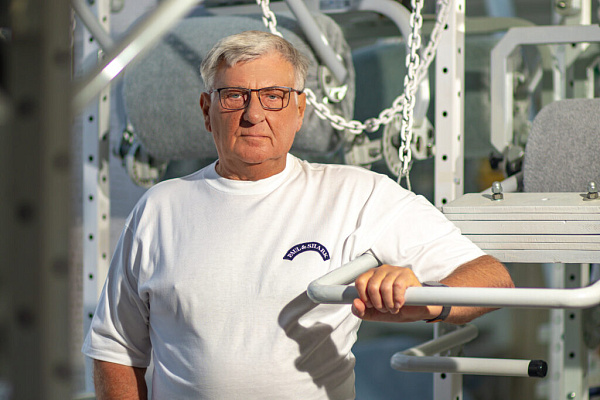
At the Professor Blum Center, rehabilitation for children with developmental delays is treated as a systematic process of restoring the body's foundational mechanisms — not as working with isolated symptoms.
Here are the main clinical groups for whom early intervention fundamentally shapes both the prognosis and the quality of a child's future development:
1. Children at Perinatal Risk
- Premature babies
- Babies who experienced hypoxia (oxygen deprivation) or asphyxia
- Babies with birth trauma
- Babies who had intrauterine infections or were delivered by C-section
- Babies who went through neonatal intensive care and resuscitation
These perinatal risk factors — with prematurity at the top of the list — create the prerequisites for functional immaturity of the regulatory systems: impaired development of support, muscle tone, and sensorimotor integration. Without early correction, such deviations often harden into persistent deficits — which is why structured early intervention for infants in this group is so decisive.
2. Children with Delayed Motor Skill Development
- Not holding their head up by 3 months
- Not sitting by 6 months
- Not crawling by 7 months
- Not pulling up to stand or walking with support by 10 months
In these cases, the child's developmental delay manifests primarily as a disrupted pace of motor maturation, with secondary effects on cognitive and behavioral functions. This is also the group wh ere structured physical therapy for children with developmental delays produces the most visible early gains.
3. Children at Risk of Severe Neurological Conditions
- Children at risk of cerebral palsy
- Children with pronounced motor, mental, and intellectual impairments
For this group, early systematic work aims to reduce the risk of persistent pathological patterns forming and to prevent the severe consequences of organic damage to the nervous system.
4. Children with Neurobehavioral Regulation Disorders
- Children with autism spectrum disorder (ASD)
- Attention deficit hyperactivity disorder (ADHD)
- Pronounced disinhibition and impaired self-regulation
- Speech and cognitive impairments
In these cases, difficulties with behavioral and communication regulation are closely tied to deficits in sensorimotor integration and the maturity of neural connections — which calls for a systemic approach rather than isolated skill stimulation. You can read more about our treatment for neurodevelopmental disorders on the dedicated page.
5. Children with Somatic and Musculoskeletal Disorders
- Heart and vascular conditions
- Disorders of the bones, joints, and spine
- Postural problems, asymmetries of support and movement
Somatic and orthopedic limitations directly affect the available range of movement, the quality of tissue formation, and the body's adaptive capacity during periods of active growth.
The Logic Behind Program Selection
Across all of these clinical groups, the decisive factor is not the diagnosis itself but the combination of functional limitations — how they affect the pace and quality of movement formation, regulation, and neuro-sensory connections. This principle runs through all of our pediatric rehabilitation programs.
That is why rehabilitation for children with developmental delays is built as early, stage-by-stage, personalized work with the primary mechanisms of the disorder. True child growth and development support means correcting a child's developmental delay before the deficits harden into persistent compensatory patterns that would later require far more complex and lengthy correction.
-
Identifying risk factors and early signs of delayed physical development from the very first days of life.
-
Developing an individualized rehabilitation plan for recovery and risk-factor elimination — one that guides the child back to a normal developmental pace.
-
Correcting motor function impairments and catching up on physical and locomotor deficits, with their pathogenetic mechanisms taken into account.
-
Stimulating development without overloading the regulatory systems, with the child's adaptive capacity closely monitored.
-
Early diagnosis, prevention of cerebral palsy, and protection from cognitive impairment in at-risk children.
-
Restoring the functional capacity of the musculoskeletal system and controlling movements and muscle responses — for a safe, stable result.
Objectives of the program
-
Assessing the Developmental DeficitA comprehensive developmental deficit assessment — evaluating how far the child's current state deviates from age-appropriate norms: the degree of physical inactivity, uneven tissue growth and maturation (metaplasia, hyperplasia, hypoplasia), muscle imbalances, and ligamentous-capsular changes — benchmarked against the child's biological age.
-
Building the Logic of Functional RecoverySystematically piecing together functional, structural, and morphological findings into a single functional compensation chain — a clear map of the body's biomechanical adjustments — to create the conditions for neurodevelopment recovery and the controlled return of regulatory mechanisms.
-
Correcting the Body's Spatial OrganizationEliminating distortions of body shape and proportions, internal organ displacement, and the related functional phenomena (impaired drainage, asymmetries of innervation and blood flow, overload zones) — building the foundation for body alignment restoration, motor skill formation, and harmonious physical and mental development.
Why Choose Clinic Blum for Developmental Delay Treatment
The Six-Block Diagnostic System
The methodology is built on a six-block diagnostic system that reveals not isolated symptoms but the overall architecture of the developmental disorder. It gives a complete picture of how a child's developmental delay forms: where the developmental sequence is disrupted, which links drop out of the process, and at which stage of ontogenesis the functional gap appears.
The assessment takes into account medical history, biological age, and accumulated deficit. Every identified zone of restriction is treated not as an isolated problem but as part of a single chain of regulatory and movement impairments.
Identifying Hidden Deficits and Weak Links
In clinical practice, we often find non-obvious limitations that outwardly look like a normal variant but actually slow down the development of motor and regulatory functions.
The methodology makes it possible to identify:
- Micro-misalignments in the cervical spine and impaired head balance
- Asymmetries of movement and support
- Restrictions in the hip joints and shoulder girdle
- Signs of connective tissue immaturity
- Impaired coordination between muscular chains
These "silent" deficits are exactly what later harden into persistent pathological compensations and drag down the child's overall pace of development.
Biomechanical Correction as the Foundation of Functional Recovery
The approach is grounded in the principles of biomechanics and neuromuscular regulation. We work not with individual muscles but with functional chains: fr om support and the body axis to movement coordination and the engagement of regulatory mechanisms.
This makes it possible not merely to reduce the manifestations of impairment but to rebuild the quality of movement and support — which is fundamentally important in rehabilitation for children with developmental delays, wh ere deficits span several levels of regulation at once.
Precise Intervention and a Controlled Tissue Response
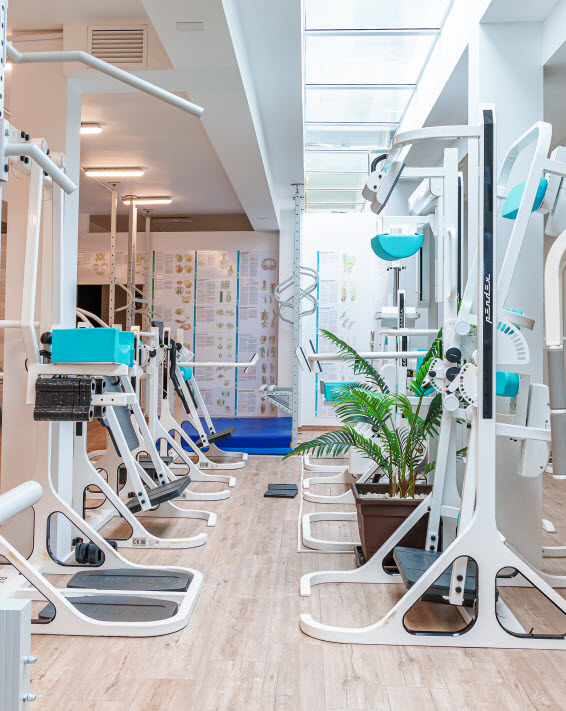
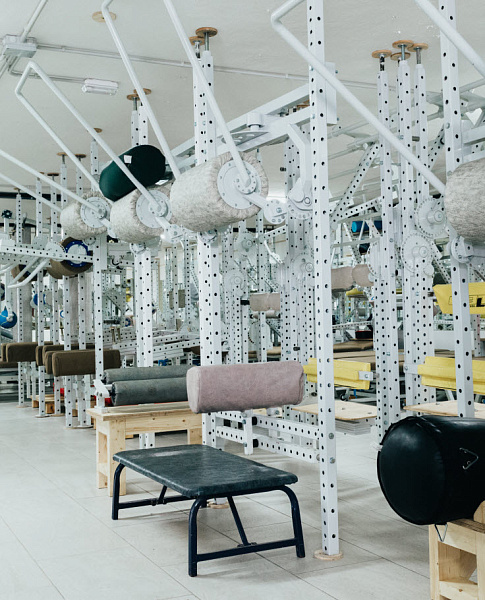
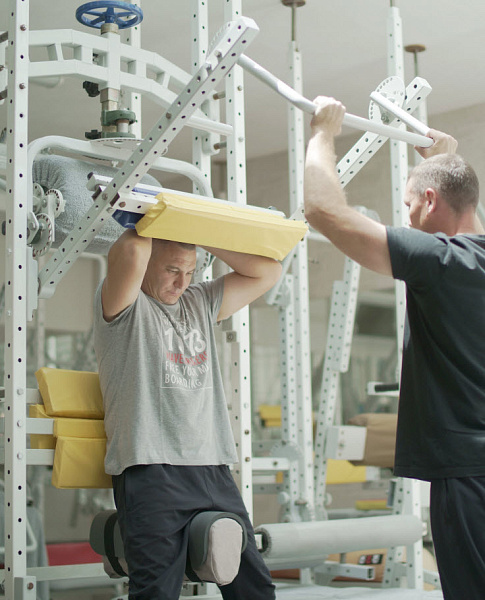
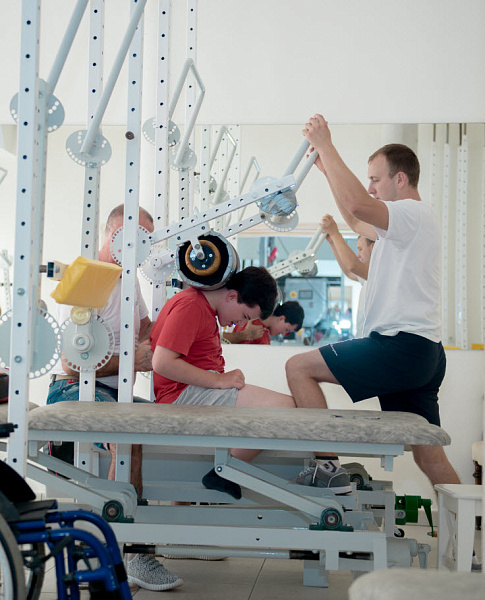
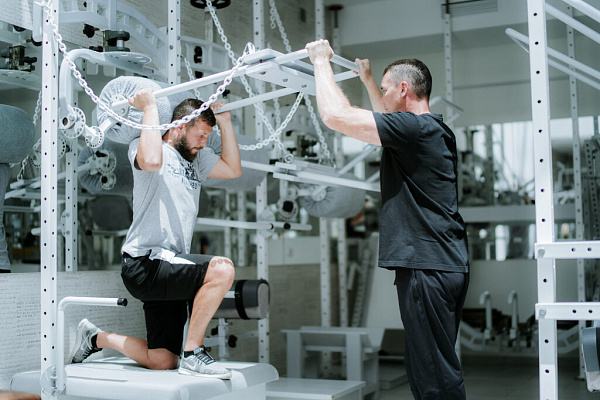
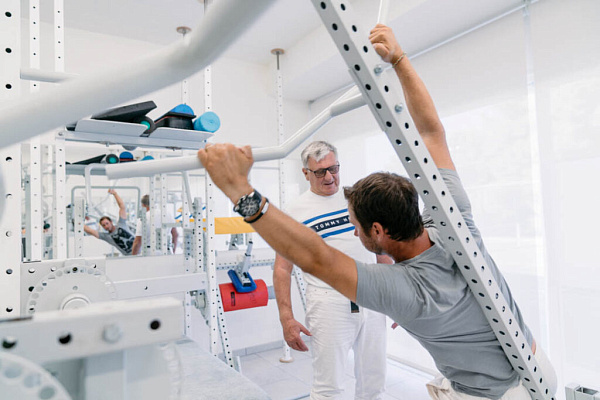
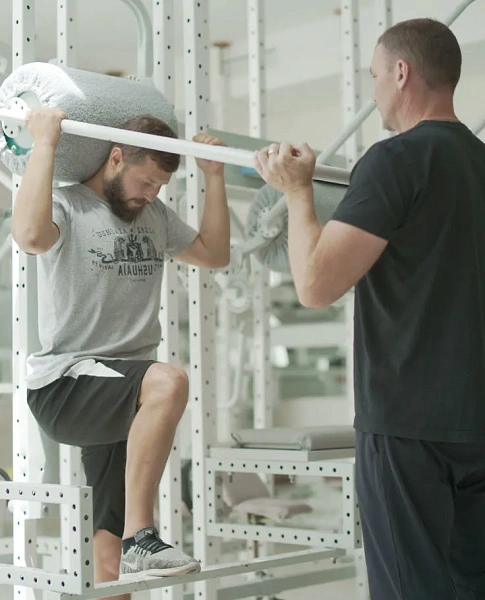
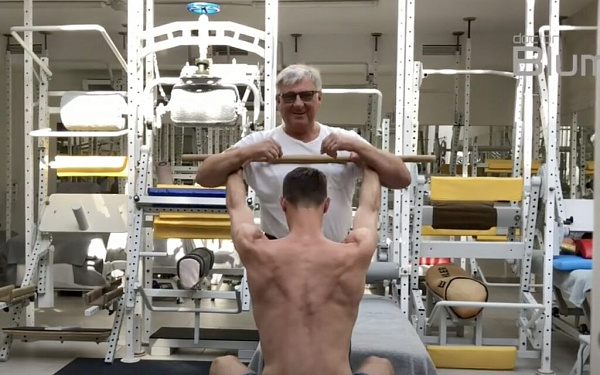
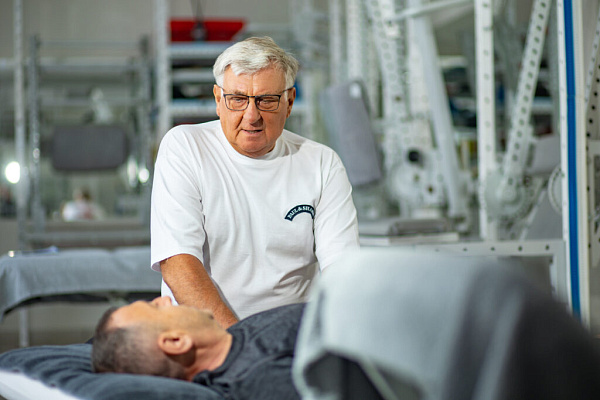
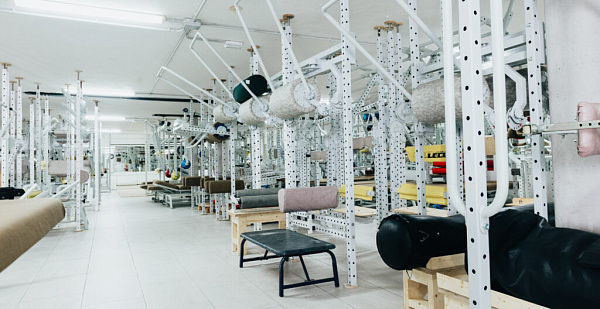
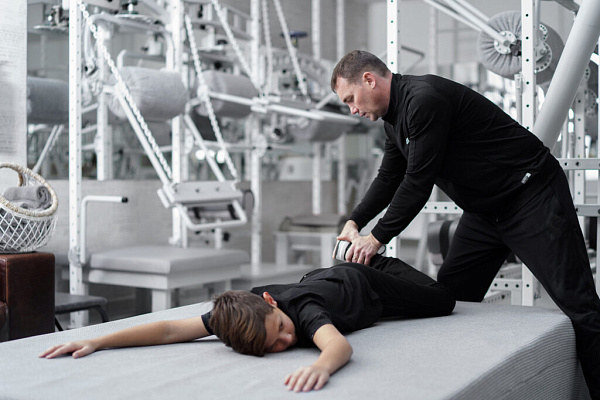
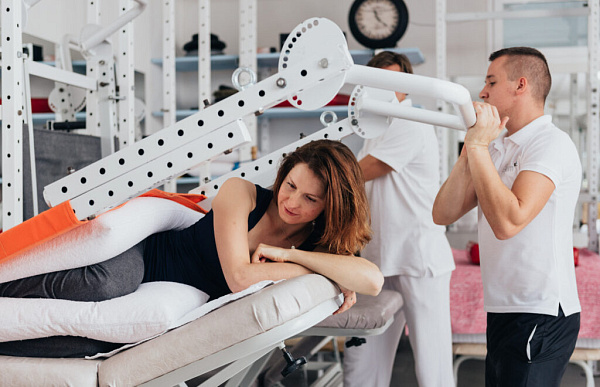
The method combines a system of techniques with proprietary rehabilitation equipment, allowing targeted connective tissue rehabilitation within strictly defined load parameters and ranges of motion.
Monitoring the tissue response and muscle reactions ensures:
- Safety when working with immature structures
- Predictable outcomes
- The ability to build up functional capacity step by step, without overload
As a result, recovery remains a controlled, manageable process — not chaotic stimulation of isolated functions.
Patient stories
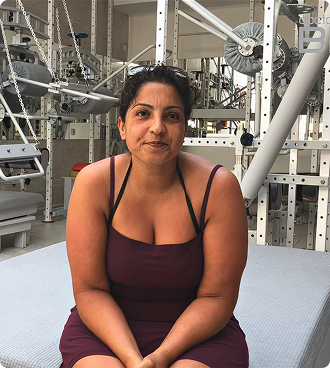
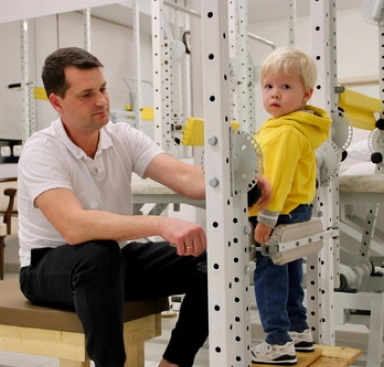
Developmental Delay. Cerebral Palsy, Vision Impairments.
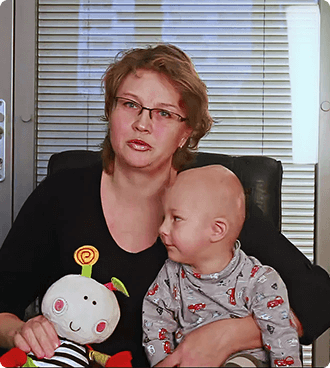
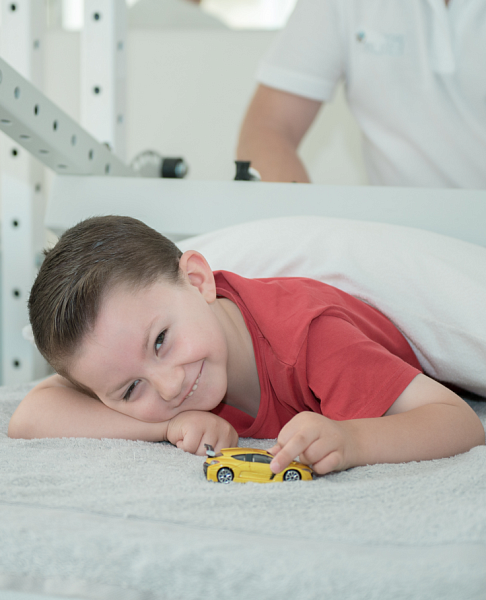
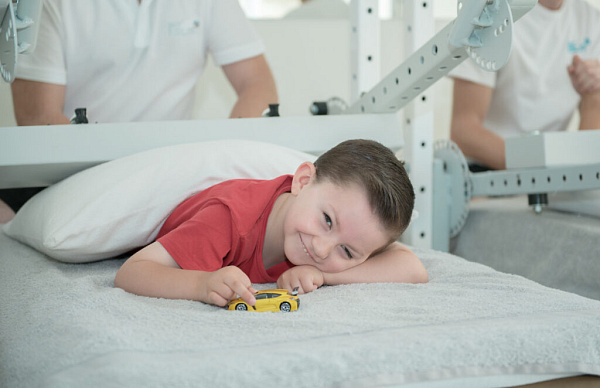
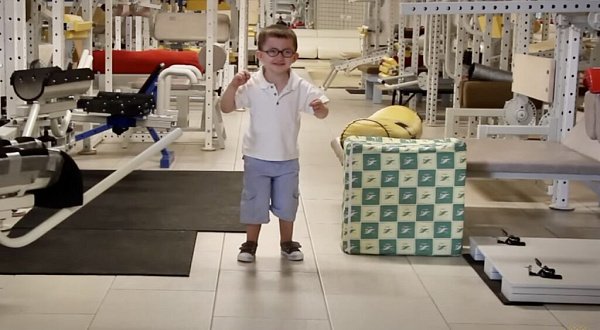
The older son underwent rehabilitation more than 17 years ago with a diagnosis of cerebral palsy. The younger son has significant health improvements from the consequences of a birth injury.

Professor Blum’s Exclusive Rehabilitation System

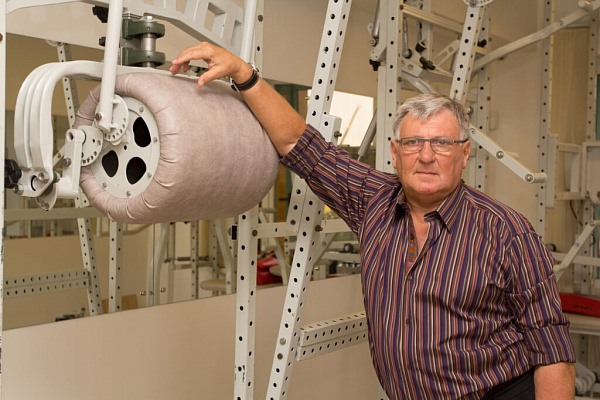
The center is located in a picturesque corner of the renowned resort town of Marbella, surrounded by cedar trees at the foot of La Concha mountain. Here, science and technology blend with nature, creating a space where the body returns to balance and harmony.
Technologies that deliver results
Select a program
- Personalized Health Recovery Programs
- Disease Prevention
- Customized Check-Up






Q&A
Waiting is almost never neutral. If restrictions in movement, support, or tone regulation persist, the child starts adapting to them — learning to move and function "however it works," not the way physiology intends. From the outside, it may look like skills are appearing, but they are being built on a distorted foundation. Later, these patterns of movement and behavior become fixed and habitual — and at that point, they don't just need to be developed, they need to be retrained.
Early work builds development along the right trajectory from the start — no accumulating hidden problems, no overload, and no need to later "break down" compensations that have already formed.
The most sensitive window is the first months of life, when the foundational mechanisms of support and regulation are forming. It is precisely here that developmental delay treatment can address the primary causes rather than the consequences. At this age, intervention produces the "cleanest" effect — without having to fight patterns of movement and regulation that have already become fixed.
Motor limitations affect support, coordination, and the sequence of movements. Mental manifestations show up in the regulation of attention, behavior, and emotional stability. In practice, these levels are tightly connected: the quality of movement directly shapes sensory experience — and through it, cognitive, behavioral, and speech functions. Effective correction therefore always treats the child as a single system, not a set of separate "problems."
With an early start and the right strategy, most functional deficits can be fully compensated. The goal is not to force individual skills, but to build a mature foundation: support, coordination, tone regulation, and sensorimotor connections. Once the foundation is formed correctly, further development proceeds without the need for constant external support.
Even minimal functional limitations become fixed in compensatory patterns over time. While the neuromuscular system is still plastic, corrective work blends gently into natural maturation. At this age, small but precise changes produce a disproportionately large effect — without overload or pressure on the child.
The reason for a professional assessment is not "skills by the calendar" but a persistent combination of signals: an insecure posture, weak weight-bearing reactions, asymmetry of movement, unstable muscle tone, rapid fatigue when holding the body in position, difficulties with attention and switching. Parents often intuitively feel that movement "takes effort" or looks unnatural — that intuition is a valuable guide for early diagnostics.
It is not a formal mismatch with milestone charts, but a divergence between the biological maturity of the child's systems and their calendar age. When support, coordination, tone regulation, and sensorimotor connections mature unevenly, the pace of skill formation is disrupted. This is what creates the clinical picture of a developmental delay — not a "label," but a functional state that can and should be worked with.
Comprehensive diagnostics using Professor Blum's proprietary method always identifies the root cause of the condition. We separate cause from effect and work by eliminating the cause — not suppressing symptoms with medication. Book a consultation with a physician at our Center for a detailed assessment and a clear action plan.
The length of the rehabilitation course depends on the severity of the condition, the child's age, any complications, and the degree of motor and psycho-speech deficit. To determine the exact duration and cost of the course, book a free online consultation with a physician at our Center.
As soon as the newborn's condition has stabilized and they have been discharged from the hospital. The earlier a child's rehabilitation begins, the better the results. Book an online consultation with our physician and send all discharge summaries, reports, and test results — we will define the goals, a precise recovery plan, and the cost of the course.
Our Center accepts children from the very first days of life. A unique feature of Professor Blum's method is that recovery does not require the child's active, conscious participation. The methodology is built on eccentric loading principles and on creating an environment that supports the proper growth and development of the body.
Yes — to a greater or lesser extent, disrupted motor development does affect the formation of speech and language skills.
Watch for missed motor milestones:
- - By 3 months: not holding the head up, not turning over;
- - By 4 months: not turning the head toward a sound, not reaching for a toy;
- - By 7 months: not sitting without support, not crawling;
- - By 12 months: not walking independently.
If your child does not meet these criteria, do not wait — act now, so the gap does not widen. The earlier recovery begins, the better the results.
Yes, always. At the end of the course, we provide a "home program" — practical care recommendations and exercises that help catch up on developmental delays at home: parents maintain the achieved results and prepare for the next rehabilitation course. It is important to understand that recovery for a child with cerebral palsy is a complex, long-term process.

The cost of a course of treatment with a stay in a hotel
- Appointments and consultations
- Creating an individual program
- Conducting personal sessions
- Appointments and consultations
- Creating an individual program
- Conducting personal sessions
Other areas of work of our Center
.webp)