

Musculoskeletal Injury Treatment & Rehabilitation
Musculoskeletal Injury Treatment & Rehabilitation
- a personalized recovery plan using Professor Blum’s method
- consideration of all health and lifestyle factors
- restoration of muscles and joints with lasting effect
- quick results, often avoiding the need for surgery

Why rehabilitation is important
Recovery after tendon, ligament, or muscle injury must begin as early as possible to avoid complications and negative consequences of the injury. Without adequate treatment and early rehabilitation, blood, lymph, and tissue fluid that enter the tissues can cause chronic inflammation (arthritis) and the formation of fibrous overgrowths (arthrosis). Prolonged immobilisation with a splint, cast, or bandage can lead to muscle atrophy and limb reduction defect. Surgical intervention can result in scar tissue changes and adhesions. Walking with support from crutches or a cane, due to asymmetric load on the joints, disrupts body balance, causing compensatory redistribution of load, leading to secondary pathological changes in other joints and the spine, and pelvic distortions.
Proprietary method
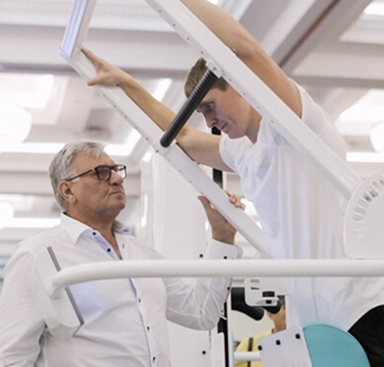
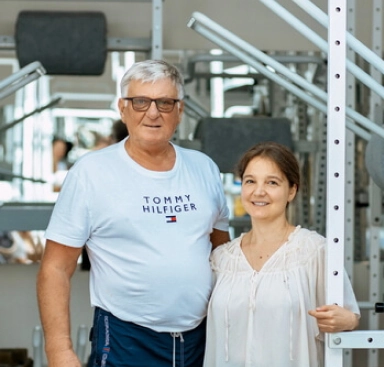
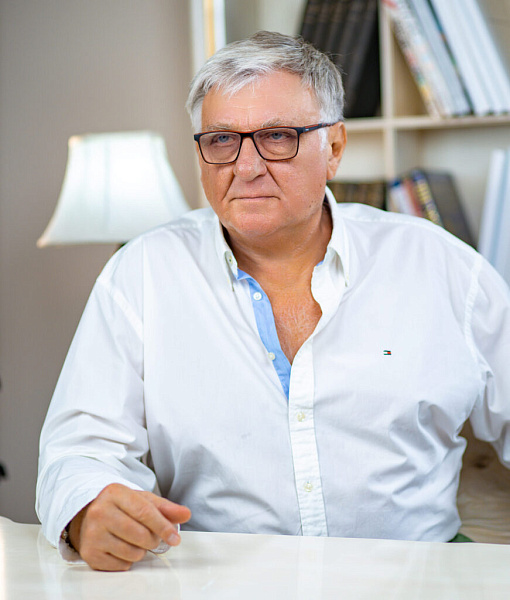
Professor Blum, a former athlete who experienced many injuries while practising freestyle wrestling, recovered himself with his own method. Professor Blum's proprietary rehabilitation system is at the intersection of biology, mechanics, and physics. The method allows for the restoration of tissue architecture, joint geometry, optimization of blood supply, innervation, and synovial fluid production, restoring the joint and limb function to the original level, returning the patient to an active life without restrictions.
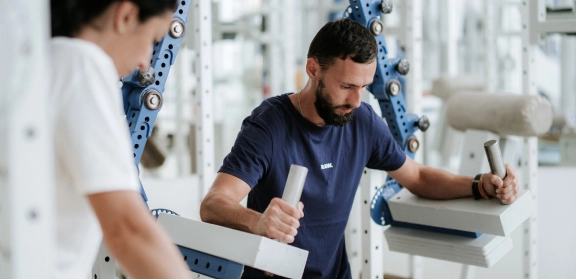
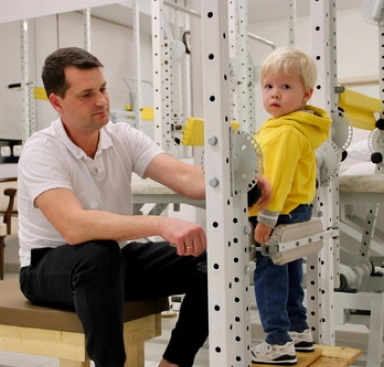
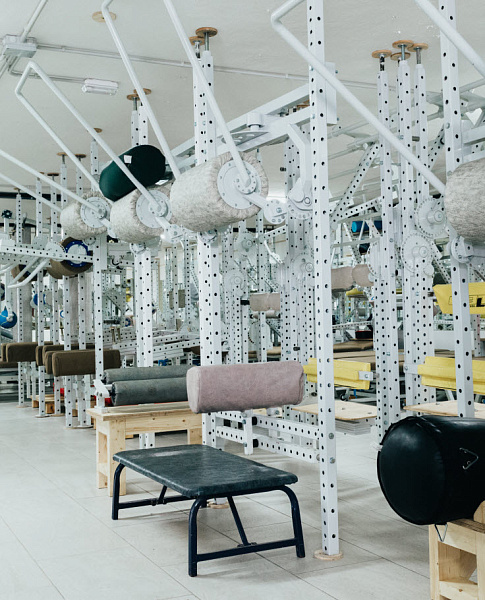
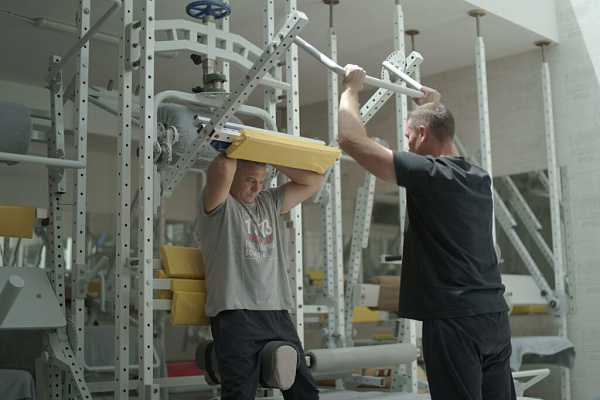
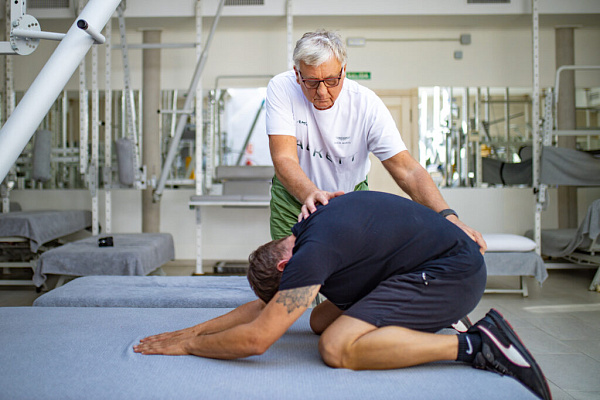
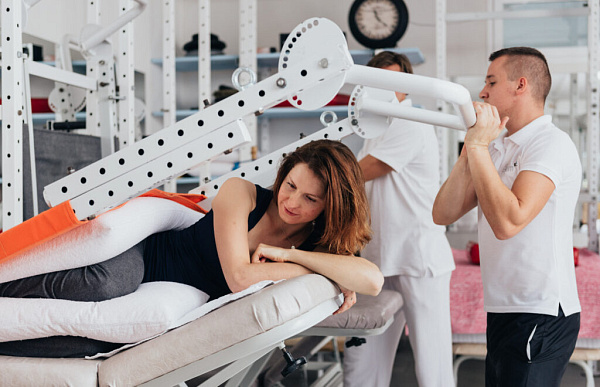
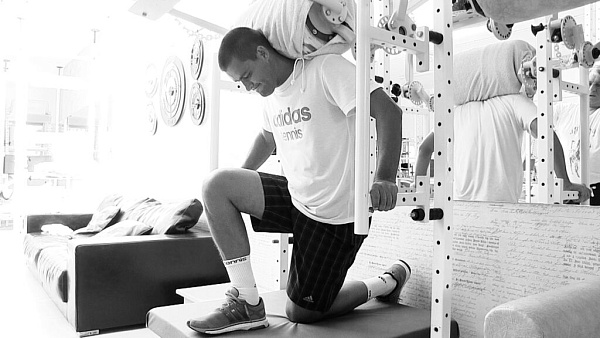
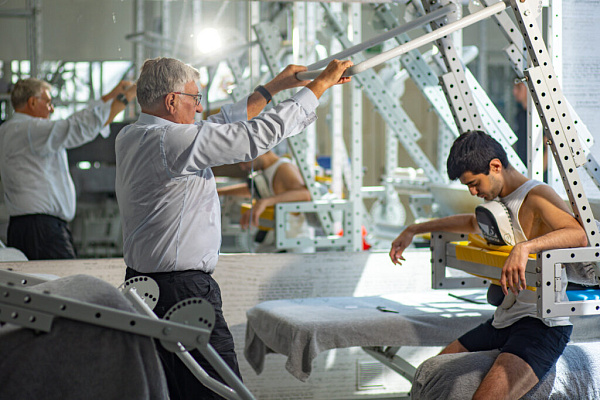
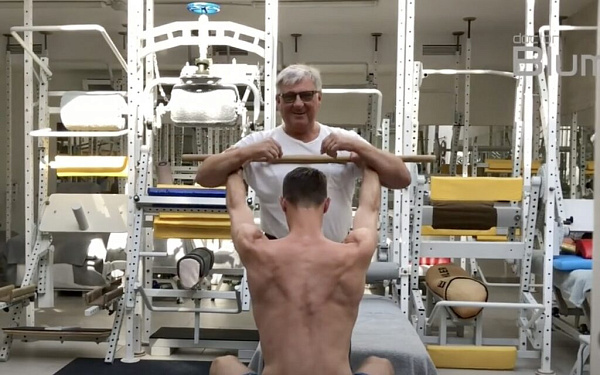
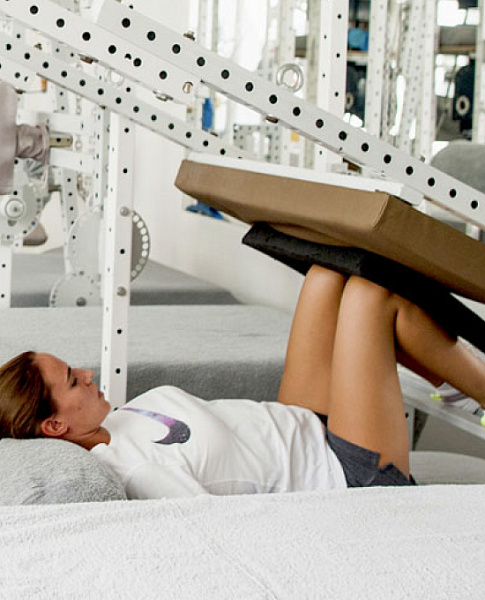
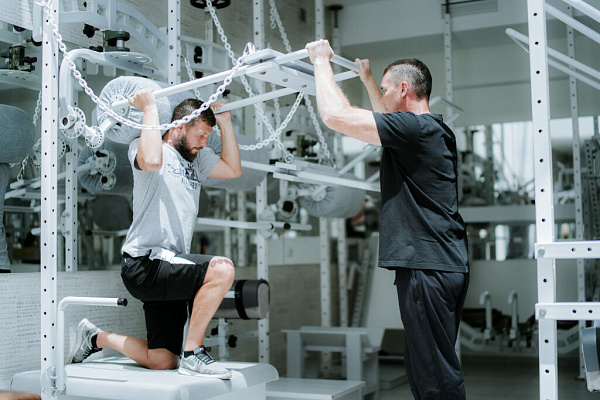
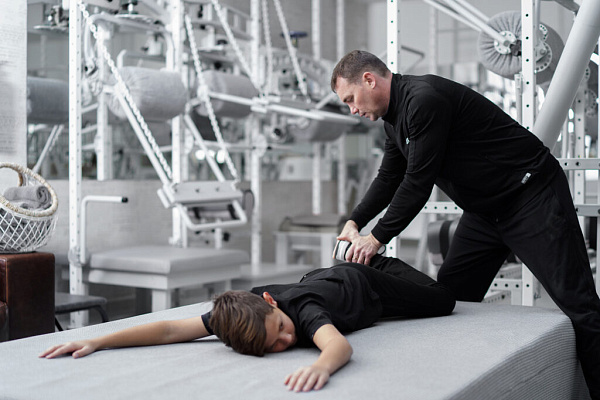
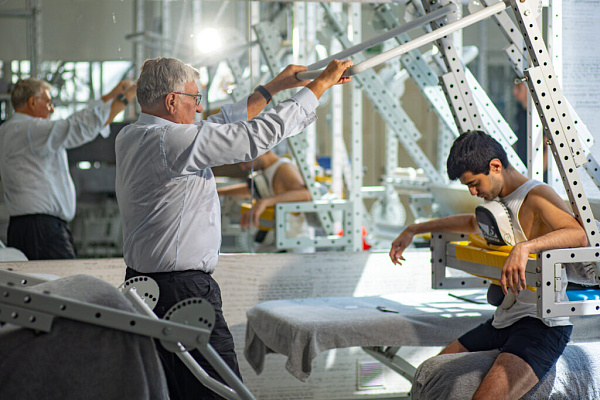
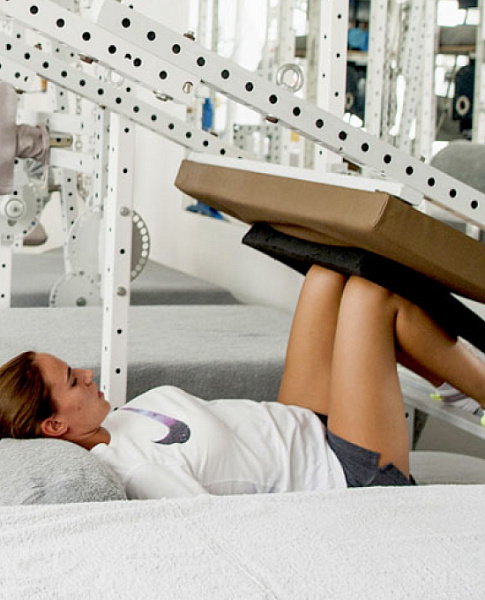
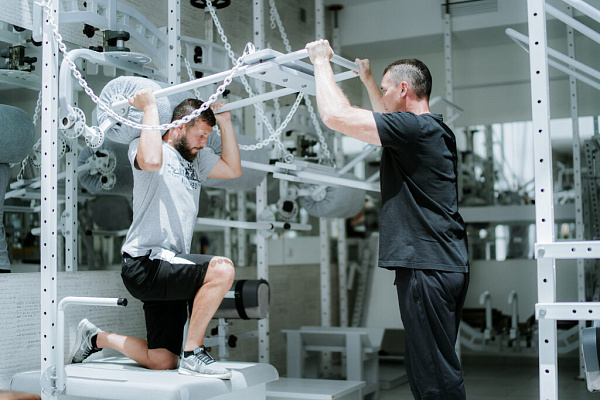
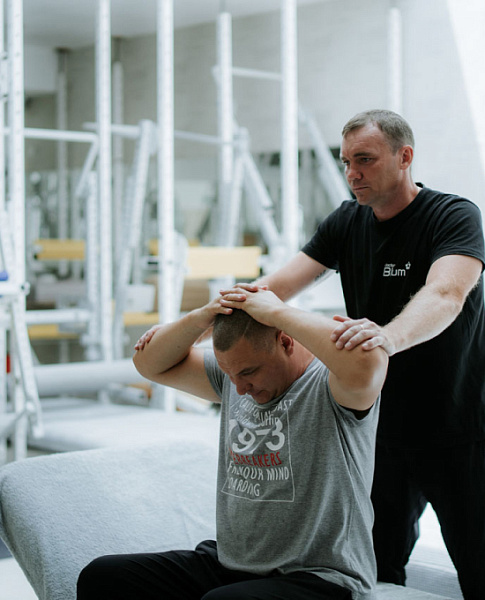
The Centre uses unique rehabilitation modular exercise machines that selectively and dosed impact the injured ligaments, tendons, muscles, and joints as a whole, avoiding overload. A comprehensive individual program is developed for each patient, implemented under the personal supervision of Professor Blum.
Types of injuries we work with
The Centre offers treatment and rehabilitation for the following injuries:
- Sprains, tears, and ruptures of limb ligaments
- Tears and ruptures of limb tendons
- Sprains, tears, and ruptures of muscles
- Sprains of spinal ligaments and muscles
- Injuries to the ligaments and muscles of the pelvis
- Sports injuries
The goal of restorative treatment is the fundamental restoration of all functions of the joint and limb, complete recovery of the body as a whole, elimination of injury consequences, including psychological ones, as well as complications and consequences of surgery and immobilisation.
For the development of a personalised program and objective planning of expected results, the volume of injured tissues, severity, duration, and depth of the injury, results of the treatment performed, duration of immobilisation, condition of other joints, the background of the injury, and the overall energy resource – age, chronic diseases, previous injuries, and surgeries are assessed. The target level of recovery is determined – for everyday life, amateur, or professional sports future.
-
Full restoration of joint stability and range of motion
-
Recovery of muscle volume and strength of the injured limb
-
Restoration of body symmetry and geometry
-
Elimination of complications, adhesions, and contractures
-
Prevention of injury recurrence
Objectives of the program
-
Tissue and joint restorationRestore the tissue architecture, integrity, and geometry of damaged ligaments, tendons, muscles, the alignment of the joint, and periarticular tissues.
-
Removal of adhesions, scars, and inflammationEliminate post-traumatic and postoperative adhesions, scars, fibrous overgrowths, chronic inflammation, and degenerative-dystrophic changes.
-
Complete restoration of movement and strengthComplete recovery of movement - strengthening muscles, ligaments, and tendons, restoring muscle volume, strength, amplitude, and muscle-joint balance to the original level.
Patient stories
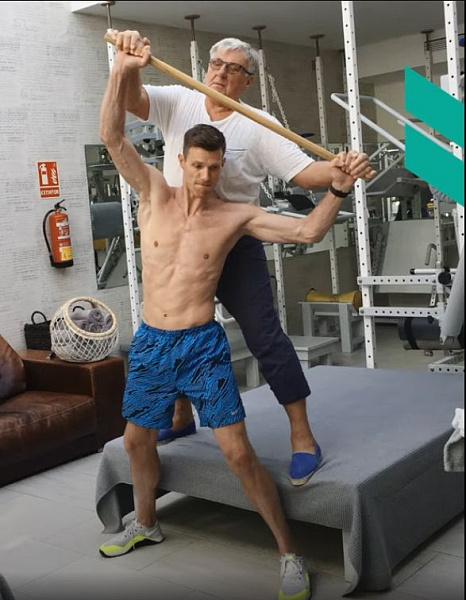
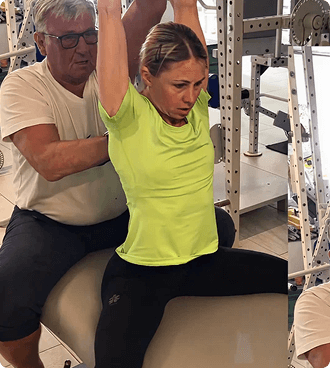
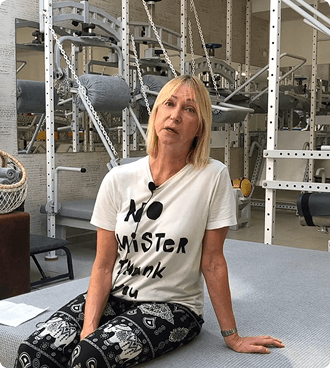
Goal: Preparation for the 2019 European Modern Pentathlon Championship
Tasks: Increase and optimise range of motion in shoulder joints, extension, posture maintenance, reaction speed. Improve the energy efficiency of the body as a whole. Eliminate the likelihood of injury.
Result: Victory at the 2019 European Modern Pentathlon Championship in Bath, UK. Qualification for the 2020 Tokyo Olympics.
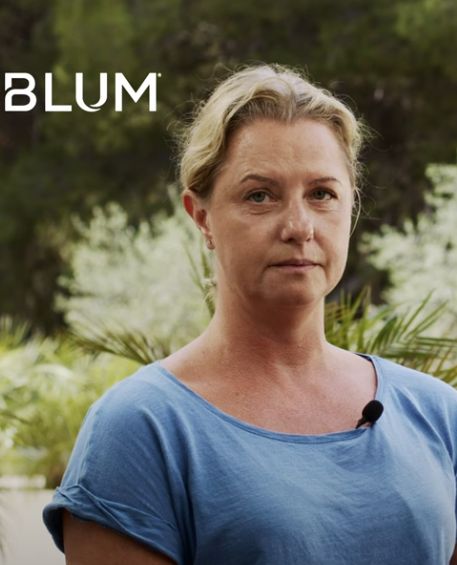
The parents of a 13-year-old girl from New York came to Professor Blum's Centre in Spain with a complex multi-planar ankle dislocation. For 5 years, 26 doctors in leading American clinics treated the injury. The result was a limp, difficulty walking, 2 ineffective surgeries, numerous complications, and constant pain managed with painkillers and hormones. As a result of the treatment at the Centre, the joint was restored, the complications of the injury and surgeries were eliminated, the girl started walking, climbing stairs, running, and most importantly, her psychological issues caused by 5 years of constant pain and limitations disappeared.
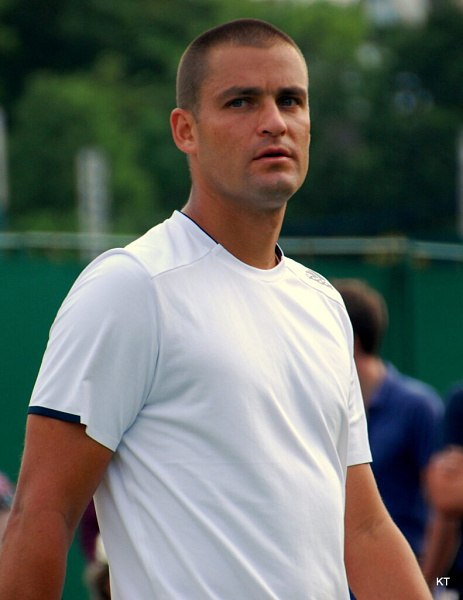
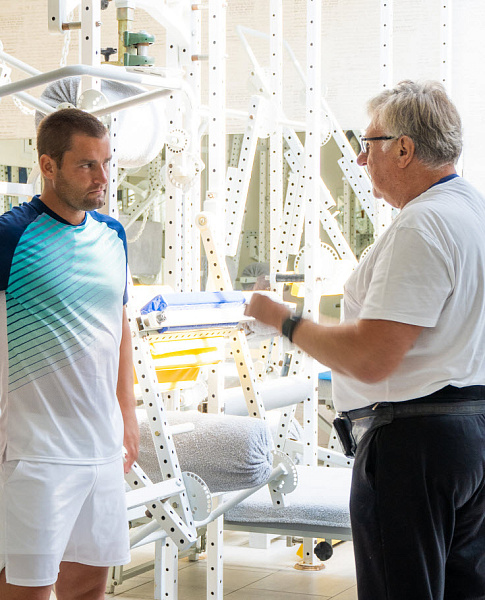
Rehabilitation Goals: Quick return to competition, strengthen the injured joint, and eliminate the fear of reinjury. Result: 22 days after the injury, Mikhail Youzhny participated in the final match and won the Davis Cup 2006 with the Russian national team.
Professor Blum’s Exclusive Rehabilitation System

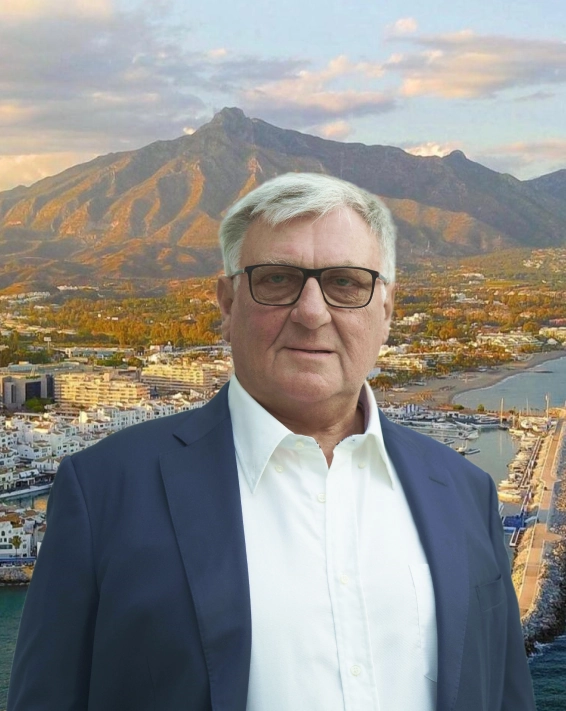
The center is located in a picturesque corner of the renowned resort town of Marbella, surrounded by cedar trees at the foot of La Concha mountain. Here, science and technology blend with nature, creating a space where the body returns to balance and harmony.
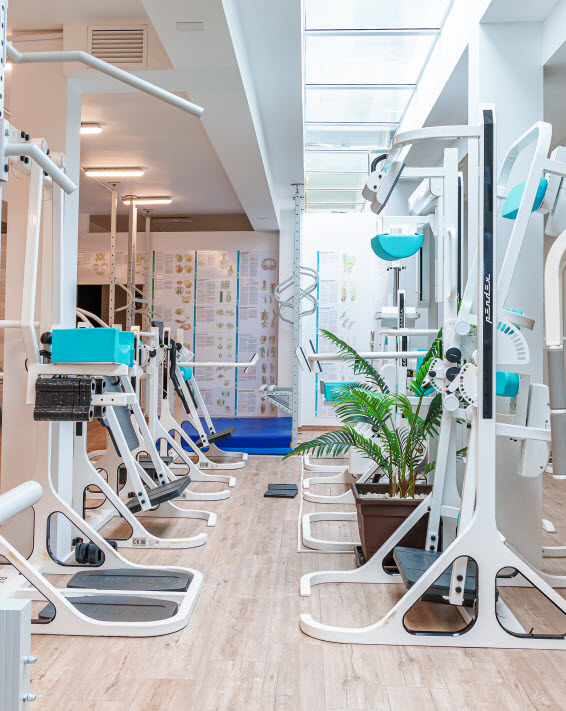
Technologies that deliver results
Select a program
- Restorative treatment for sprains and ruptures of ligaments, tendons, and muscles
- Recovery without surgery
- Post-surgery rehabilitation
- Elimination of complications from injury and surgery
- Prevention of recurrent injuries

Q&A
The cost of the treatment course depends on the patient's individual factors: the type and severity of the injury, the scope of required procedures, and the duration of rehabilitation. During the consultation, the doctor assesses the patient's condition, determines the optimal rehabilitation plan, and based on this, the final cost is calculated.
For tendon injuries, we use methods aimed at restoring tissue structure and normalizing limb function. This includes proprietary techniques, rehabilitative therapy for muscle and ligament damage, therapeutic exercise, and kinesiotherapy. The specific program is tailored individually based on the extent of the injury, pain level, and the patient's physical activity.
The timeline depends on the severity of the injury, how long ago it occurred, the presence of any complications, and the patient's overall health. Typically, the recovery process takes 3 to 6 weeks.
The rehabilitation process for muscle and ligament injuries consists of several consecutive stages:
- Specialist Consultation
An online consultation with a rehabilitation physician: analysis of the injury history, complaints, examination results, and any treatment already performed. Approximate recovery timelines and the cost of the course are determined. If necessary, a plan for additional diagnostics is created. - Determining the Rehabilitation Plan
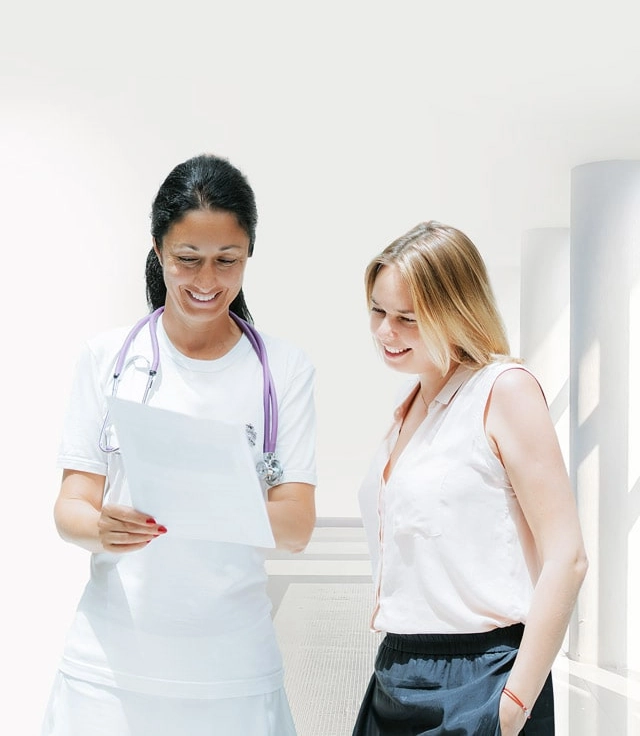
An in-person consultation with Professor Blum and a rehabilitation physician. An examination, biomechanical testing, and diagnosis using the proprietary system are conducted. Based on the results, the main impairments related to the muscle or ligament damage are identified, and an individual rehabilitation program is formed. - Conducting Comprehensive Rehabilitation Sessions
The patient undergoes sessions at the Center according to the developed program. The rehabilitation physician monitors the dynamics of tissue recovery, adjusts the load, and adapts the exercises based on progress. - Course Completion
The patient receives recommendations for independent work and a set of exercises to maintain the results and prevent re-injury.
The Centre conducts individual rehabilitation for amateur and high-level professional athletes. Basketball players, volleyball players, pentathletes, tennis players, hockey players, and representatives of many other sports know that they will receive the quickest and most complete recovery from any injury here.
Despite the reduction in rehabilitation potential after 6 months, good results can still be achieved - increasing the range of motion in the joint, eliminating the negative consequences of the injury, and restoring body biomechanics. To get detailed information, sign up for a free consultation with the doctor.
The cost of a course of treatment with a stay in a hotel
- Appointments and consultations
- Creating an individual program
- Conducting personal sessions
- Appointments and consultations
- Creating an individual program
- Conducting personal sessions
Other areas of work of our Center
.webp)