

Body Configuration and Conformation: Why Osteochondrosis Is Not Just Back Pain
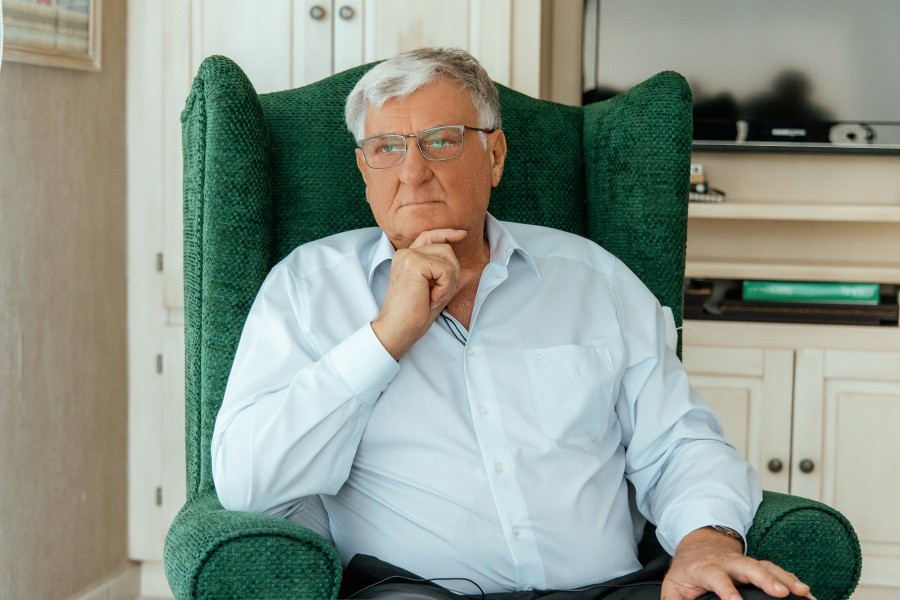
Professor Evgeny Blum, in a new video, explains why osteochondrosis, scoliosis, and postural disorders are not just "back pain" but a systemic failure that can manifest at the most unexpected moment.
According to the professor, the human body has two key characteristics: configuration and conformation. Configuration is how the body is built: what elements it consists of, what shape these elements have, and how they are assembled together. Conformation is the degree of freedom of movement: how the spine actually moves, which amplitudes are available, and which are restricted.
The problem is that imbalances and asymmetries in the body do not go unnoticed. They may be compensated, but when a person is pushed to the limit – psychologically, physically, socially – the blow always falls on the weak link. This is why an outwardly healthy person can suddenly collapse: a stroke at 30, 40, or 50 – and they all end up in the same ward with the same diagnosis, but with vastly different health reserves.
The professor emphasises that people with osteochondrosis at 20 and at 60 are fundamentally different situations. A 20‑year‑old needs to be restored so that they forget about their back and are not limited in choosing sports or lifestyle. An older person needs support and preservation of quality of life. Yet in the hospital, they are treated the same.
A striking example is Steve Jobs. His story began with chronic pancreatitis and ended tragically. Professor Blum is confident that if he had had the opportunity to build a health strategy – to explain what is useless and what offers a chance – the outcome could have been different.
The pancreas is a treacherous organ. It lies in the area of the thoracolumbar junction, where compression and circulatory disturbances often occur. Inflammation can pass from the intestine to the pancreas and back. And this is no coincidence – it is biomechanics.
The professor cites the case of a 73‑year‑old patient with pancreatic necrosis who, instead of surgery, came to the Center and left "happy and satisfied". Every case is unique, but a strategy based on an understanding of biomechanics always provides guidance.
The professor's conclusion is simple: health management is not about treating symptoms but about understanding the configuration and conformation of your own body, working on weak links, and building a long‑term strategy. The safety margin is what distinguishes a healthy person from one who "was healthy yesterday and died today".