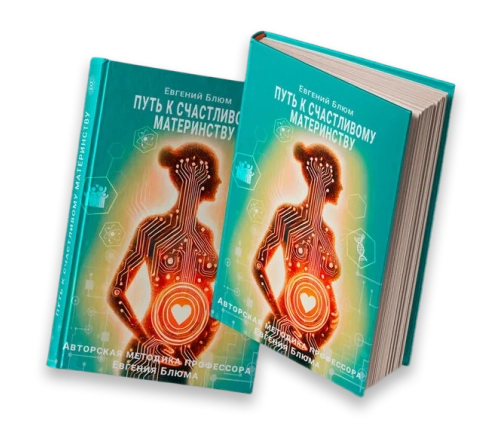


Connective Tissue Architecture: Professor Blum Explains the Principles of His Method
In a new video, Professor Evgeny Blum reveals the key principles of his biomechanical method, based on understanding connective tissue as the body's unified framework.
According to the professor, connective tissue permeates the entire body, forming an architectural mesh in which bones, fascia, and extracellular matrices are embedded. This framework is filled with biological fluids – blood and lymph – which sustain the life of every cell.
A crucial role is played by the thixotropic effect: the faster a fluid circulates, the more liquid it remains. When circulation slows, it becomes viscous, cells begin to stick together, and fibrosis develops. The professor compares this to a runny nose: thin secretions flow easily, while thick ones stagnate. The same happens with lymph, blood, phlegm, and even sweat.
Muscles in this system function as a pump‑drainage mechanism. If a muscle is not engaged, it does not pump biological fluids, leading to stagnation – tissues become "acidified" and "slagged". The goal of Professor Blum's method is to activate "sleeping" muscles and restore circulation.
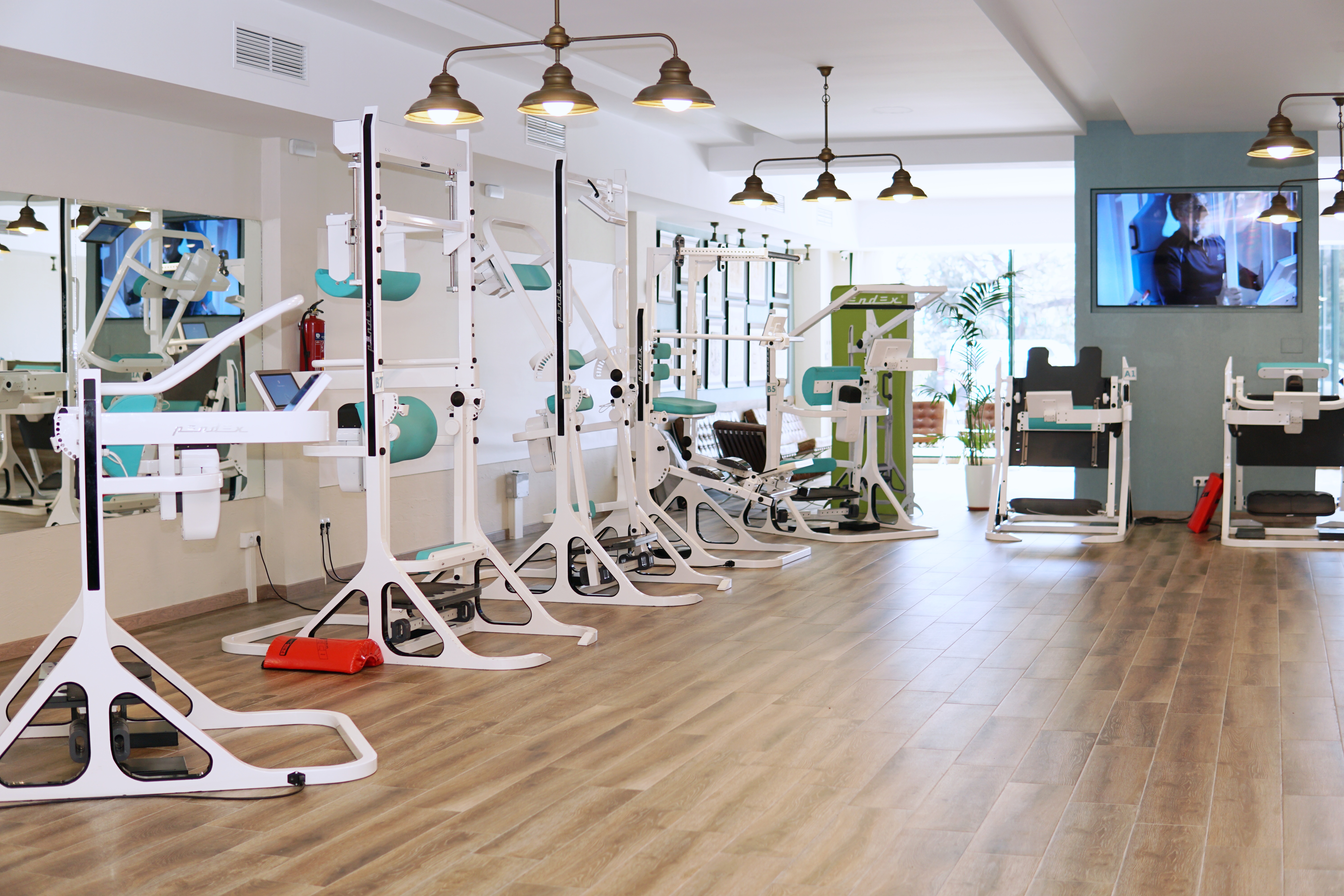
The professor emphasises that the method works as a "roadmap" of the body: first, a full assessment of all areas is conducted, a map is created showing zones with poor blood supply and lymphatic flow, and then recovery proceeds according to this map. For work in deep and hard‑to‑reach areas (e.g., the pelvic region), special tools and devices are used to deliver painless and effective treatment where manual work is impossible.
Professor Blum's method does not require drugs or surgery – it is based on restoring natural circulation processes and returning the body's health resources through biomechanical intervention.