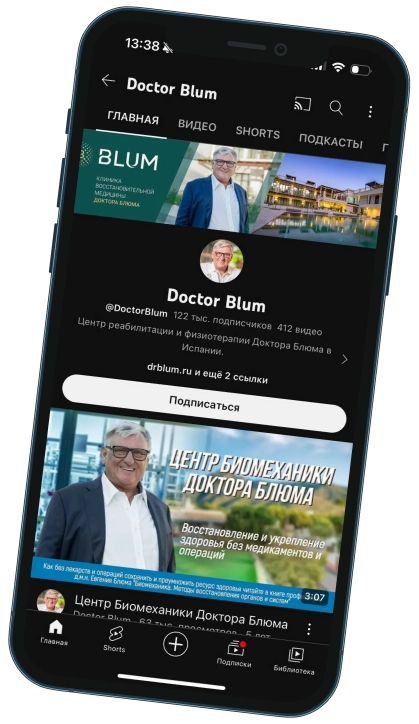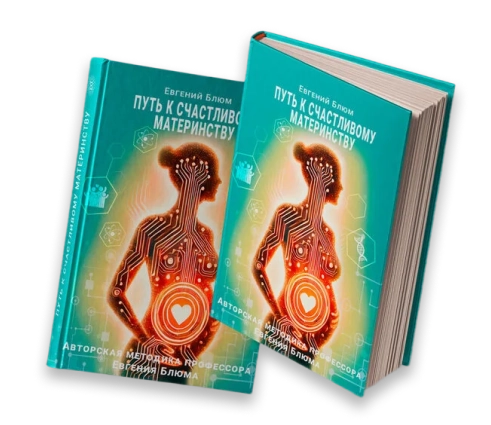


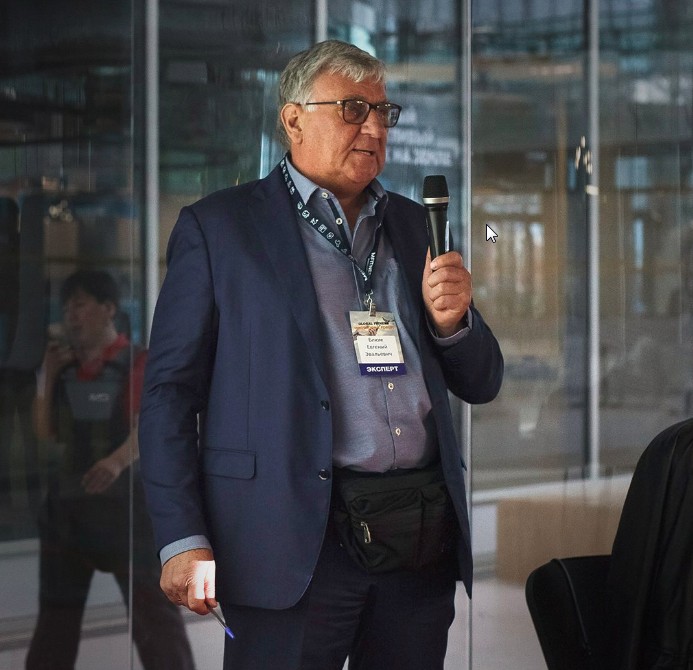
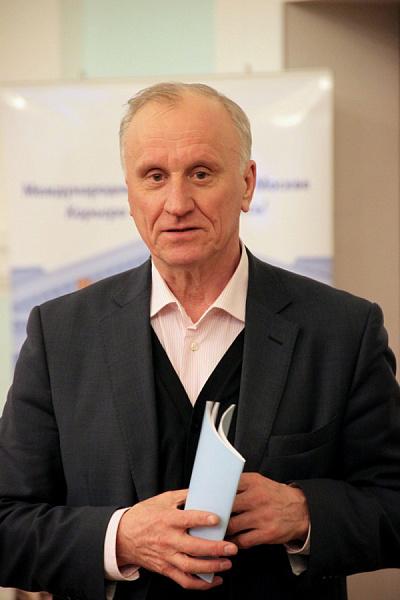
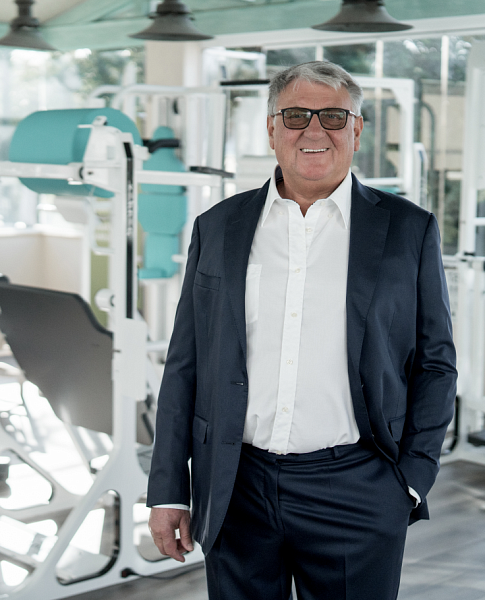
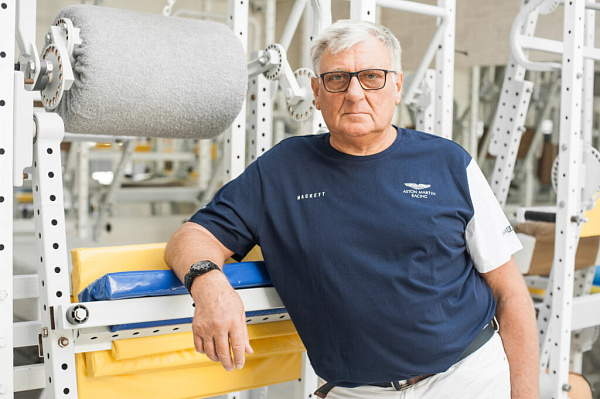
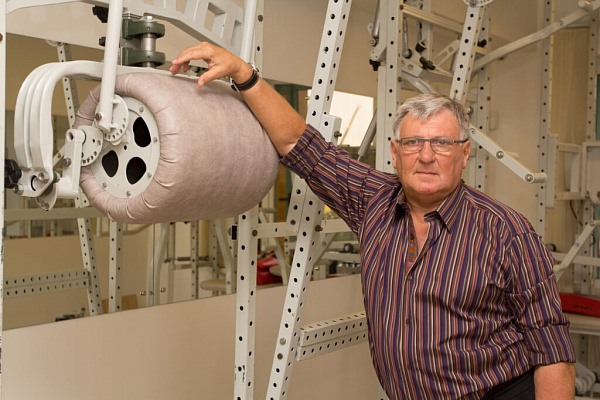
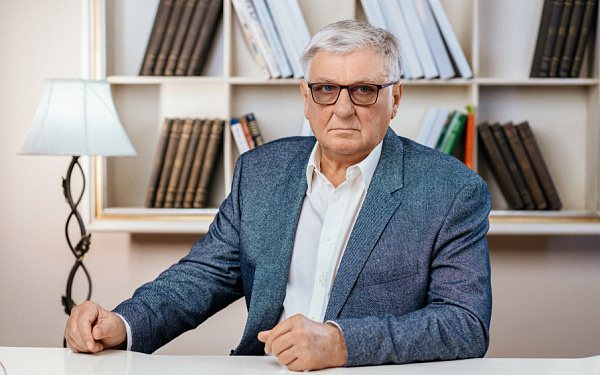
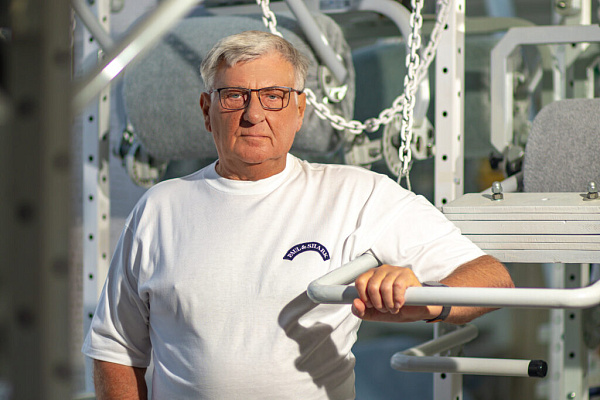
Professor Evgeny Blum

- have struggled to find solutions in other clinics
- have undergone unsuccessful surgeries or been misdiagnosed
- suffer from chronic pain or limited mobility
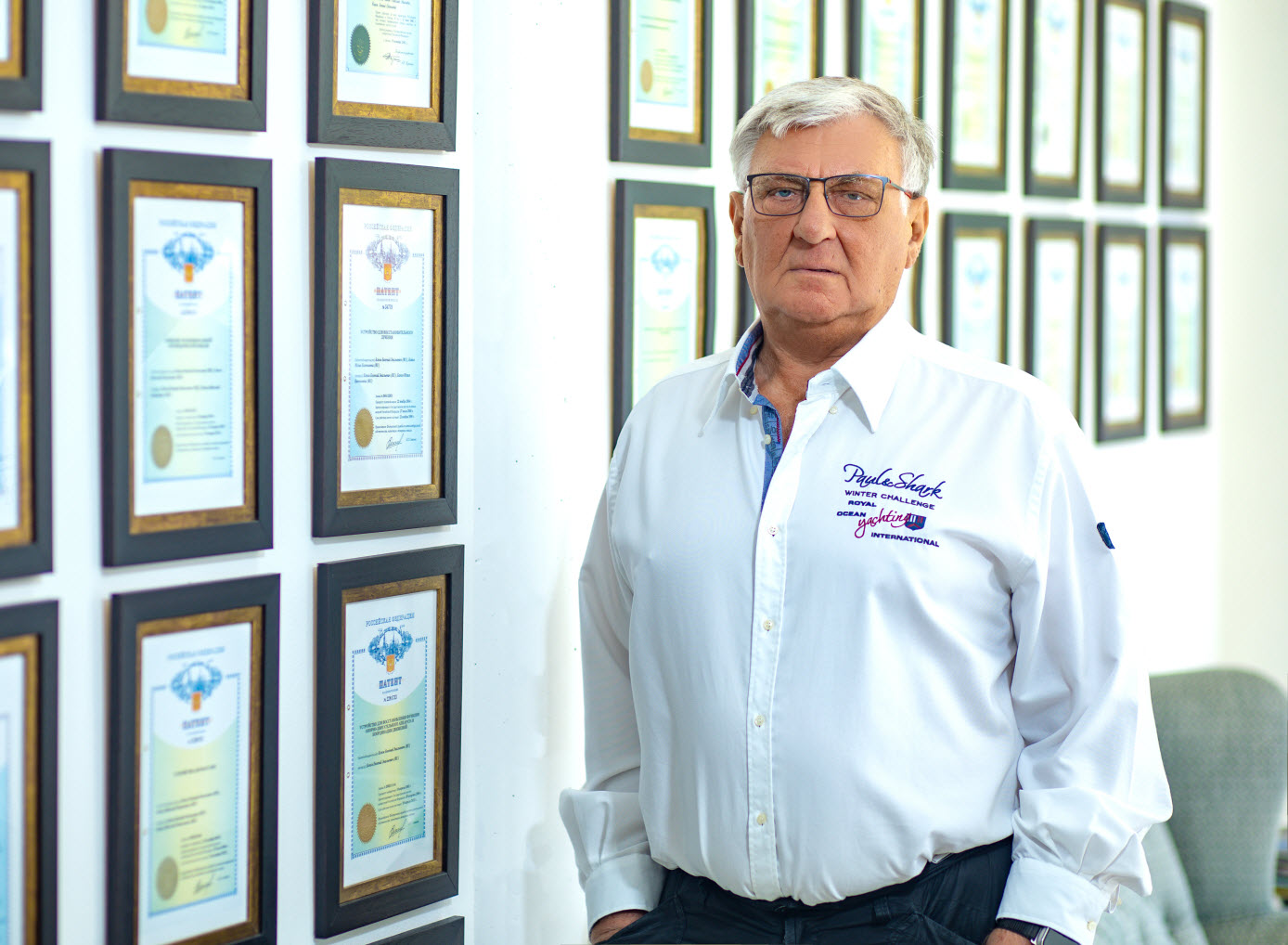
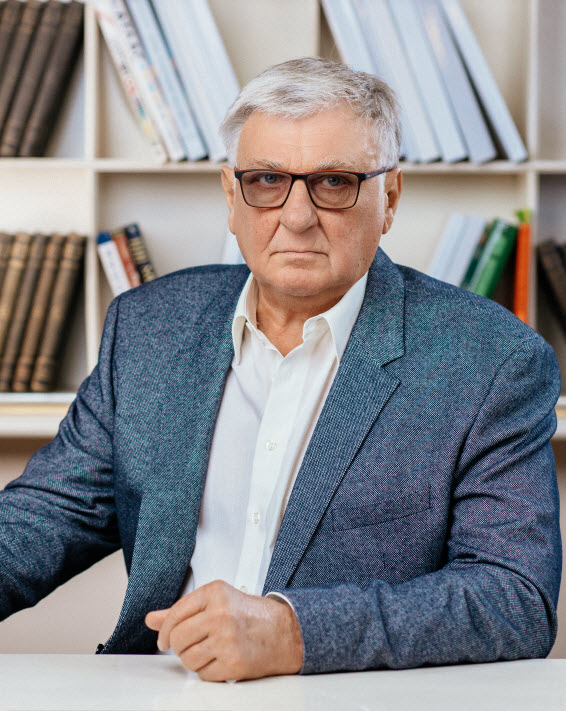



Dr. Blum’s Unique Methodology — A Solution for the Most Complex Cases
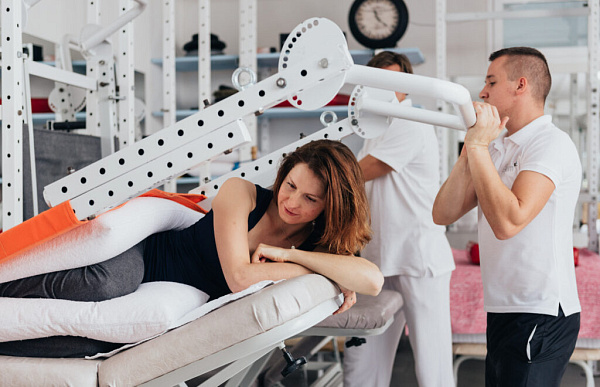
- Dr. Evgeny Blum’s Methodology is based on a biomechanical approach that uncovers the true root cause of illness, restores body symmetry, and normalizes the function of organs and systems through the renewal of connective tissue — the foundation of the human body. The biomechanical method is used to analyze movement and assess stress on joints and muscles.
- The Blum recovery method has proven effective over more than 50 years of practice: improving the quality of connective tissue promotes regeneration of muscle, nerve, and epithelial cells — which is especially important for severe and chronic conditions.
- Today, the Blum method is applied for comprehensive rehabilitation of patients after injuries, for children with cerebral palsy (CP) with rare and complex pathologies, and for restoring functional impairments in athletes.
Why Do Patients Come to Dr. Blum from All Over the World?
Professor Blum specializes in clinical cases where standard treatment protocols prove insufficiently effective. His proprietary approach is based on a deep understanding of the interconnection between the nervous system, musculoskeletal system, and internal organs.
- He activates complete recovery in chronic conditions such as COVID-19, diabetes, stroke, hepatitis, prostatitis, bronchial asthma, pneumonia, hemorrhoids, and severe injuries. Dr. Evgeny Blum’s method helps stimulate the body’s own resources when the illness becomes chronic.
- He treats complex diseases that do not respond well to medication and are not always resolved through surgery, including depression, impotence, early menopause, physical and emotional burnout syndrome, consequences of severe trauma, cerebral palsy, birth injuries, developmental delays in children, paralysis, and polyneuropathy. Professor Blum works with conditions requiring restoration of disrupted neuromuscular and regulatory connections in the body.
- Rehabilitation is provided for severe and systemic pathologies: such as spinal injuries, traumatic brain injuries, ischemic heart disease, multiple sclerosis, amyotrophic lateral sclerosis, ankylosing spondylitis, Parkinson’s, Alzheimer’s and other forms of dementia, as well as cancer — during recovery phases.
- Pediatric rehabilitation is tailored to the needs of the developing body: birth trauma, cerebral palsy, ADHD, developmental delays, and congenital hip dislocation. Recovery programs are individually designed to promote the formation of correct motor and neural patterns.
- Assistance is offered when diagnoses are unclear: if a diagnosis is missing, constantly changing, or doubtful despite numerous examinations. Evgeny Blum applies a systemic approach to identify the root causes of disorders, rather than just treating symptoms.
- Recovery after complex injuries and surgeries: includes joint and ligament trauma, consequences of major surgeries on internal organs, spine and joints, diabetic foot, endarteritis, complications after plastic surgery, and rehabilitation after stroke, heart attack, and oncological treatments (radiation and chemotherapy). Dr. Blum’s rehabilitation methods, based on biomechanical principles, restore mobility, reduce the risk of complications, and accelerate recovery.
- Support for athletes and the sports elite includes endurance enhancement, injury prevention for high-level athletes, and ongoing support throughout their sports careers.
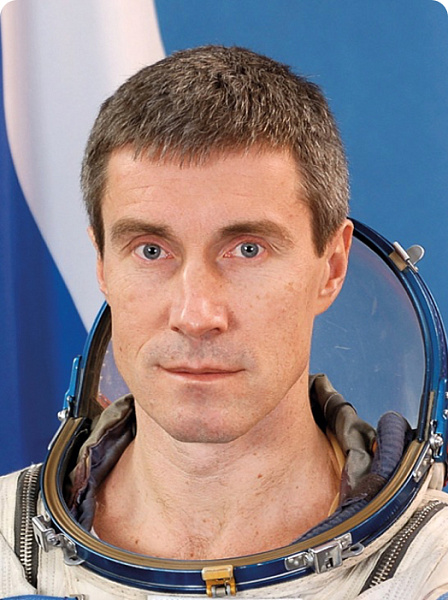
- Preparation of astronauts for space missions: Dr. Blum’s method has been used to prepare astronauts for flights and work in extreme conditions. According to astronaut and physician Xavier Bocquet, such approaches are employed in NASA and SpaceX programs, including resistance to overloads, radiation, and stabilization of the postural muscular system.
The Three Core Principles of Professor Blum’s Method
Patient reviews
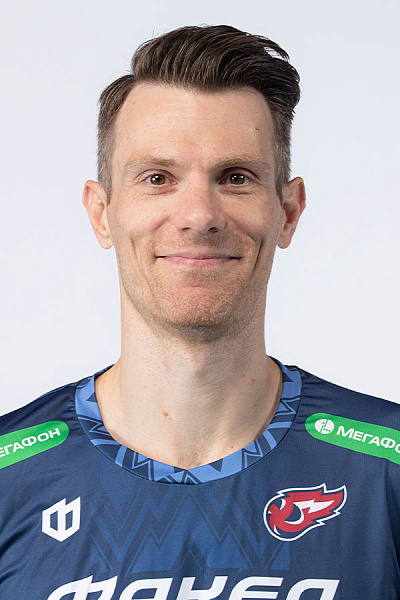
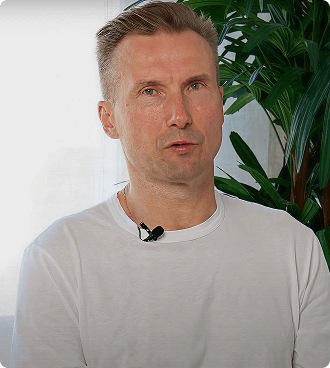
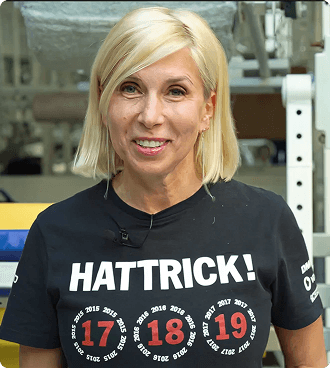
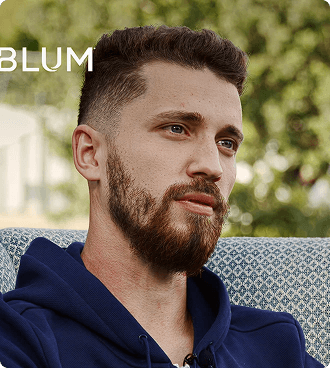
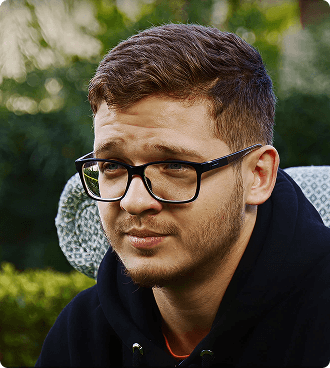
Professor Blum's method, affecting the whole body, allowed the restoration of emotional and physical strength in 12 days without medication.
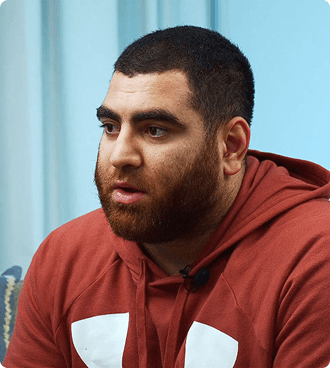
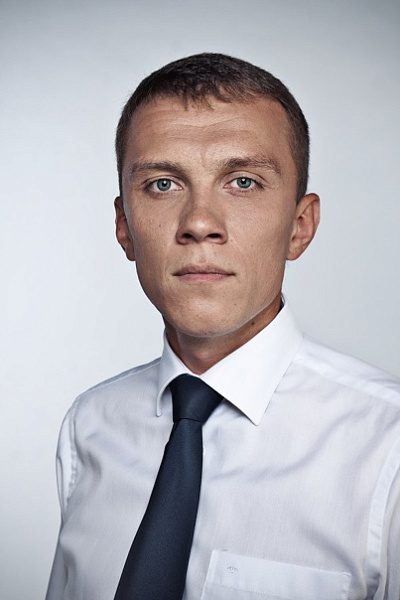
No one could diagnose him. "We've done the tests; nothing should be hurting," they told him. But he was in pain. Seeking a life free from pain and full of movement, he came to Professor Blum's clinic.
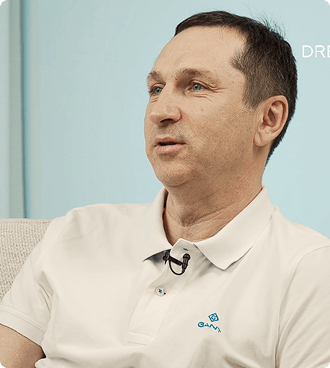
Many of the Centre’s patients are businessmen who ask us to optimise their energy resources because business demands high concentration, maintaining control points, and constant focus.
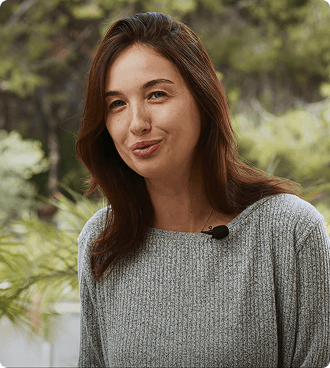
After just one week at the clinic, the patient noticed significant changes in her appearance and, most importantly, her well-being.
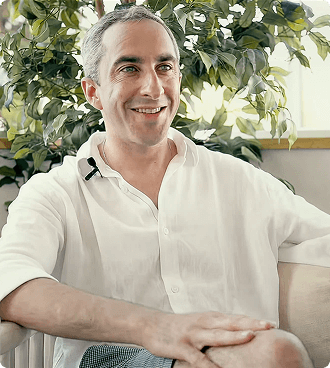
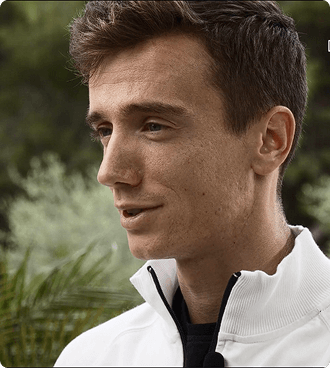
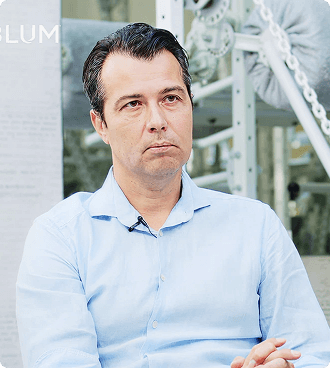
Dmitry suffered two strokes within two days, a rare case with catastrophic consequences – his brain functions were impaired. He arrived in Spain in very critical condition and faced a long rehabilitation process. As a result of the treatment, all bodily and brain functions were restored.
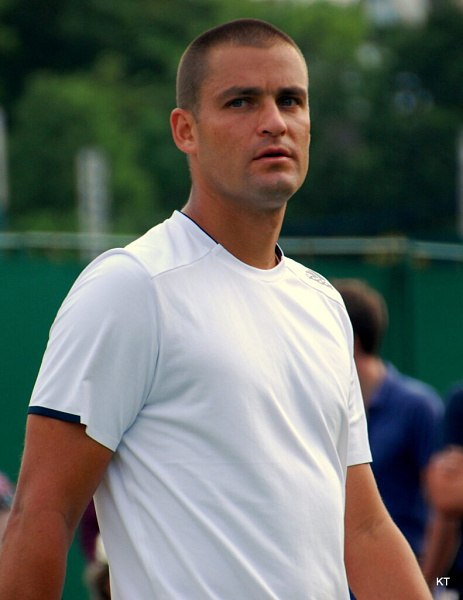
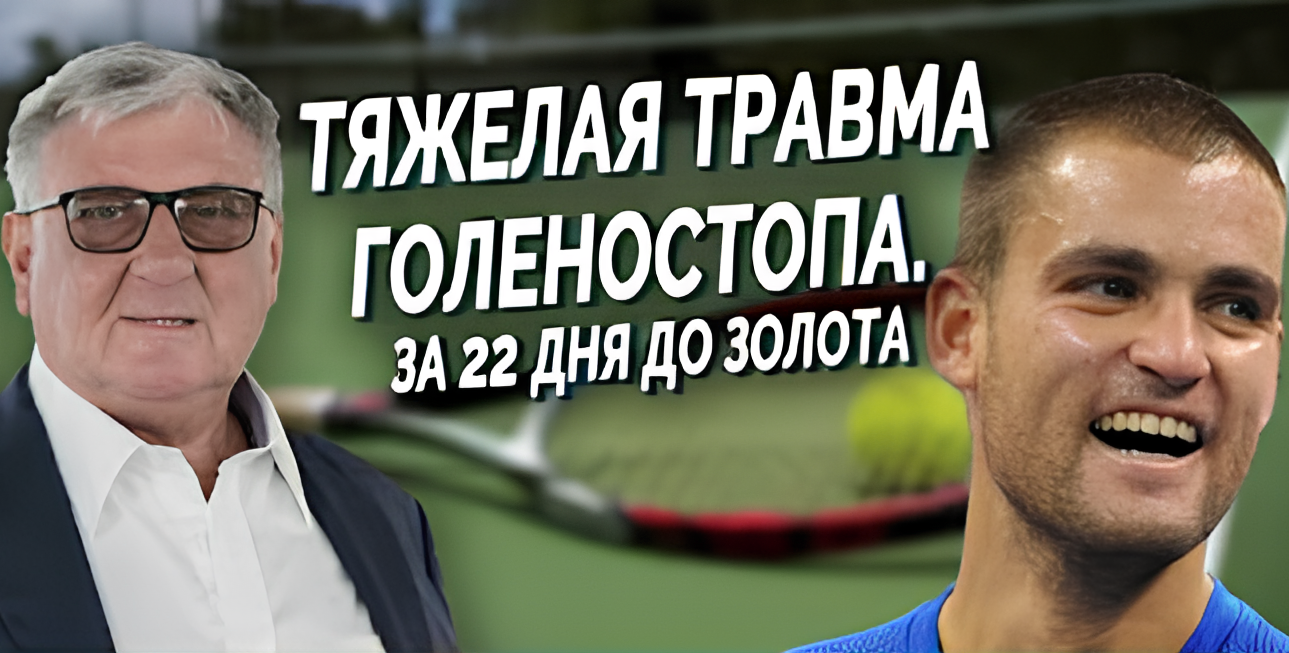
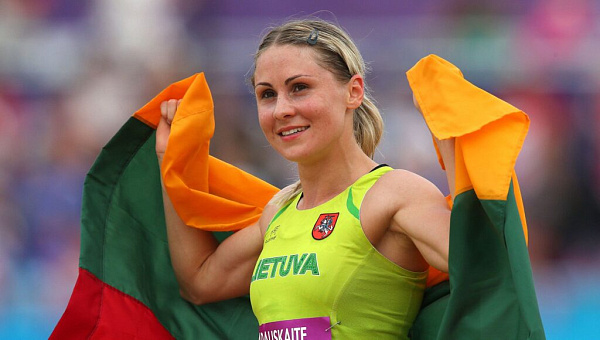
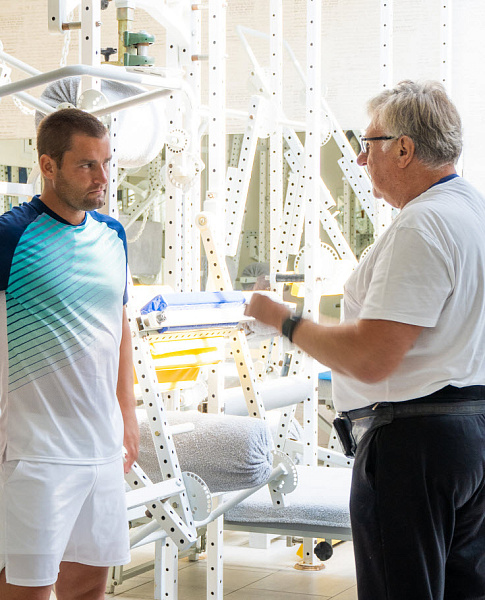
Rehabilitation Goals: Quick return to competition, strengthen the injured joint, and eliminate the fear of reinjury. Result: 22 days after the injury, Mikhail Youzhny participated in the final match and won the Davis Cup 2006 with the Russian national team.
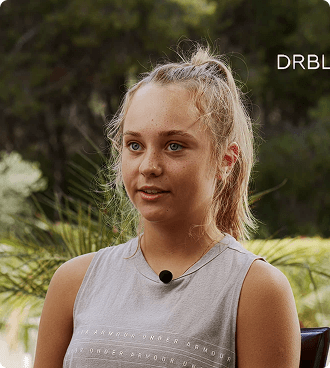
Treatment Course: 30 days. Significant improvement in motor abilities, improved coordination, ability to stand on knees with support. At the end of the course, she received a set of exercises and equipment for continuing rehabilitation at home
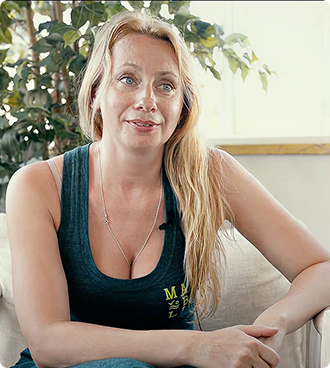
Hydrocephalus. Cerebral Palsy. Developmental Delay.
Developmental Delay. Cerebral Palsy, Vision Impairments.
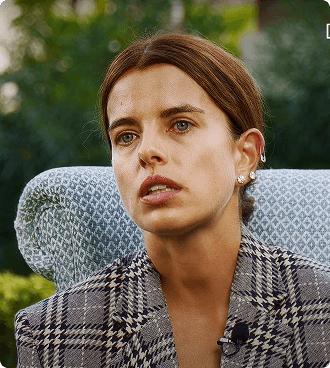
Complaints about an unsteady gait and loss of balance. The opinions of doctors differed, there was no exact diagnosis, and the disease was constantly progressing. The girl was diagnosed with short leg syndrome on the right, hereditary motor and sensory neuropathy, Charcot-Marie-Tooth disease, cavus foot, and mild distal asymmetric paraparesis. For several years, parents consulted the best specialists to determine the treatment strategy, but none of the methods used produced results. Professor Blum conducted diagnostics, identified changes in the bone-muscular-ligament apparatus, and the nervous system. An individual recovery program was developed. After just three months of training, the mother saw results.
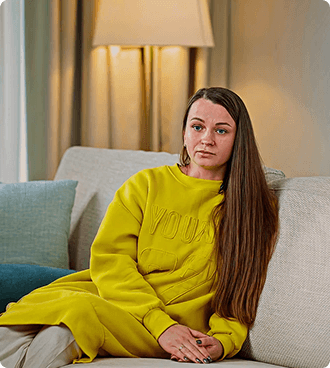
The recovery story of a child through the eyes of the mother. A case with bronchiectasis, a purulent lesion of the bronchi. The girl was treated with hormones and antibiotics for 2 years, but the destruction of her lungs could not be stopped; she couldn't breathe without inhalers and would start suffocating. Seven anesthesias were performed for examinations. The situation was getting out of control. At Professor Blum's Centre, the girl underwent two 40-day treatment courses. The result of precise diagnostics was a clear treatment plan. Obvious improvements began to appear within a month. All medications were discontinued, and her breathing was restored. The child went home almost healthy.
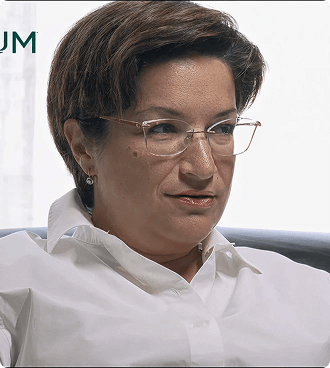
The parents of a 13-year-old girl from New York came to Professor Blum's Centre in Spain with a complex multi-planar ankle dislocation. For 5 years, 26 doctors in leading American clinics treated the injury. The result was a limp, difficulty walking, 2 ineffective surgeries, numerous complications, and constant pain managed with painkillers and hormones. As a result of the treatment at the Centre, the joint was restored, the complications of the injury and surgeries were eliminated, the girl started walking, climbing stairs, running, and most importantly, her psychological issues caused by 5 years of constant pain and limitations disappeared.
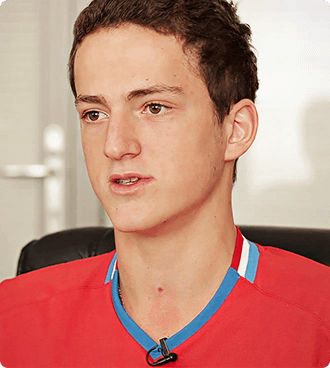

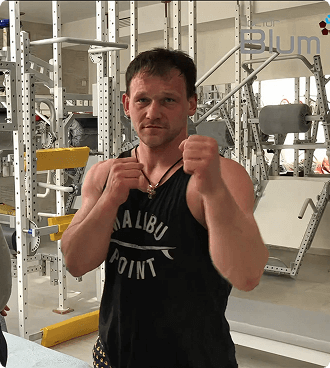
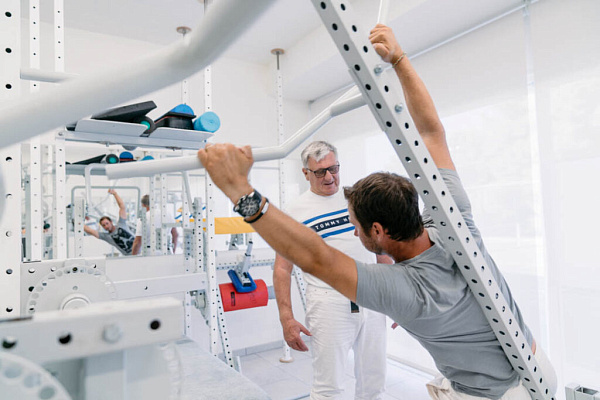
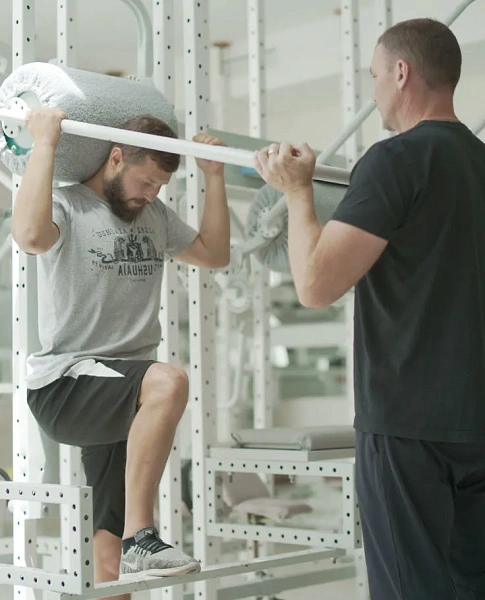
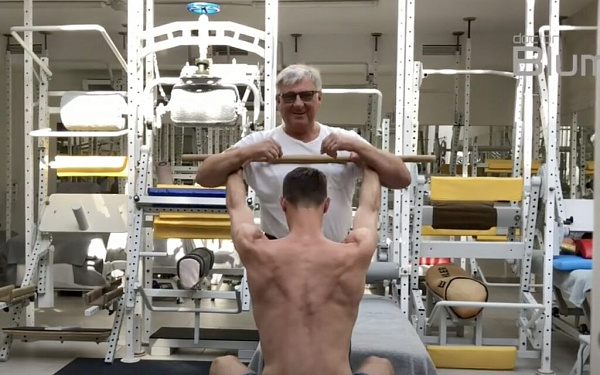
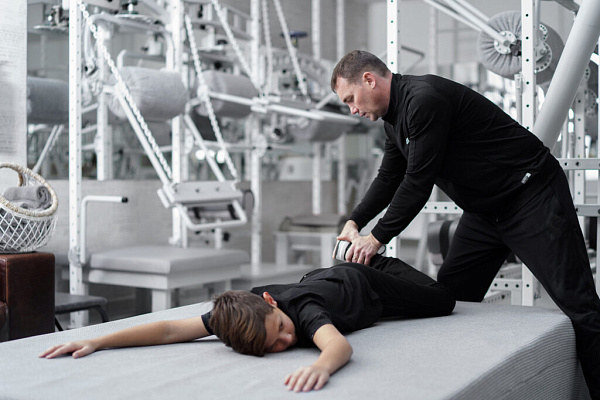
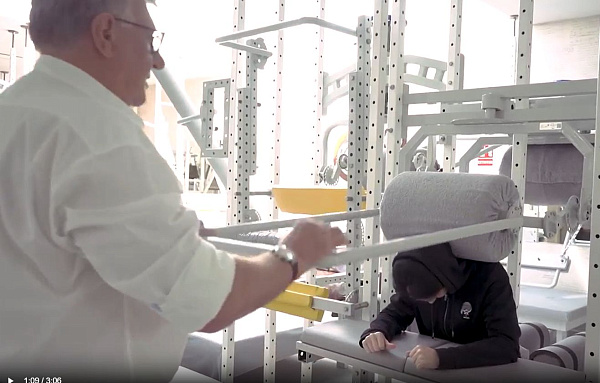
One of the training sessions demonstrating work on deep muscles against superficial ones. When I "press the brake pedal," Pavel "presses the gas pedal." The goal is to show why in martial arts, old masters often defeat young and healthy students. Why the old teacher passes on knowledge to the best student, making them invincible overnight.
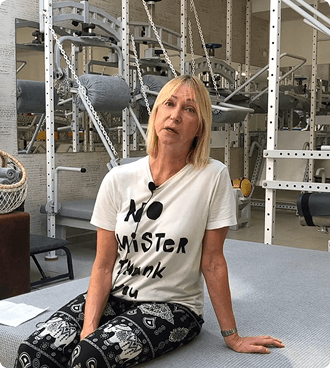
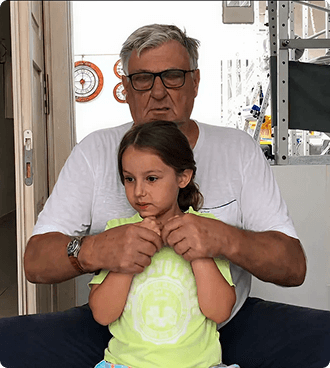
Rehabilitation Duration: 11 days. Result: Restored alignment of the elbow joint, morphology, and biomechanical integrity of the joint tissues and muscles supporting the elbow. Full range of motion restored in the shoulder and scapula. Biomechanical symmetry between the right and left sides of the spine and rib cage restored. Shoulder girdle symmetry restored.
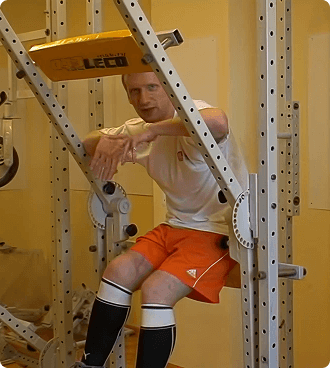
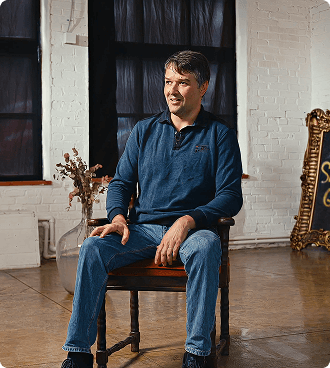
Roman was diagnosed with cerebral palsy, right-sided hemiparesis, at the age of 3. He visited many doctors and tried numerous treatments. He came to Professor Blum at the age of 19 with obvious issues on the right side of his body – no mobility in his right arm and foot. After the first session, he was able to pull his foot towards himself and regained some mobility. Inspired by the examples of others who significantly improved even in severe cases, Roman trained from morning until the clinic closed. As a result of the treatment, Roman not only walks and writes with his right hand but also drives a manual transmission car. He has a profession, a family, and two daughters.
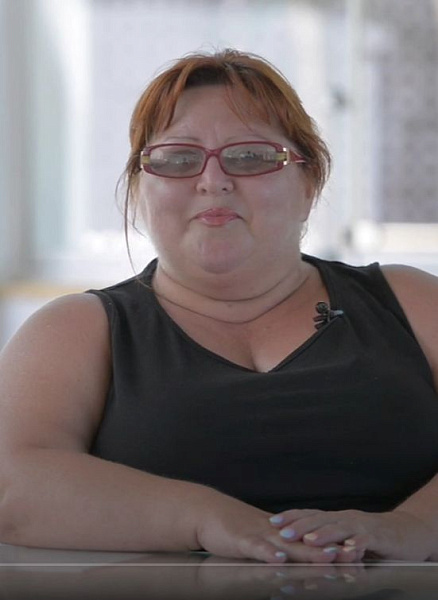
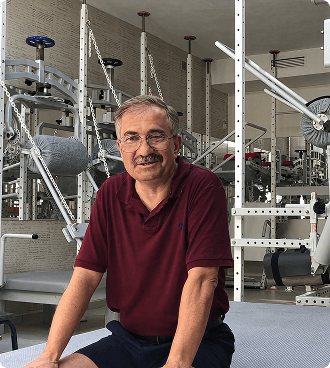
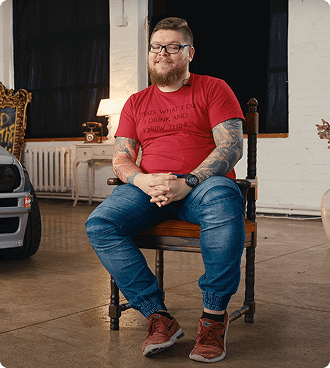
Vlad came to Professor Blum's Centre as a nine-year-old boy suffering from severe myopathy. Now, he is a completely healthy young man, living a full life, working, studying, playing sports, running, skiing, and has an active social life.
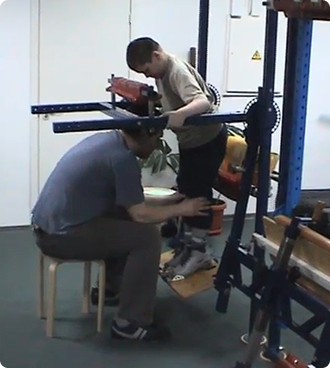
It wasn’t a miracle, it was our hard work, knowledge, and persistence, converted into results. Under the guidance of a brilliant doctor, we have beaten myopathy. Thank you, Evgeniy Evalievich, you've become a close and dear person to us. I am ready to answer all the questions from mothers of children like my Vlad, so they don’t give up and don’t miss their chance.

Center Programs
- Personalized Health Recovery Programs
- Disease Prevention
- Customized Check-Up

What Other Patients We Accept:
Q&A
The program is always individualized. It includes clinical diagnostics, biomechanical analysis, the design of staged recovery phases, and dynamic adjustment of therapeutic load.
The duration and intensity are determined by the patient’s baseline condition and the treatment goals.
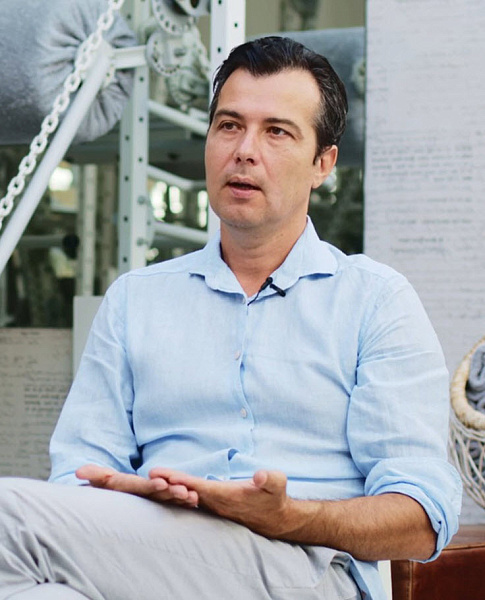
Professor Evgeny Blum has over 50 years of clinical experience, is the author of patented developments, and the founder of his own scientific discipline.
Over years of practice, a comprehensive rehabilitation system has been developed, specifically designed for complex cases that require a high level of expertise and an individualized approach.
For international patients, a preliminary review of medical records and treatment program planning are provided.
Yes. Professor Blum’s approach is not positioned in opposition to conventional medicine.
In some cases, rehabilitation is carried out after surgical treatment or in parallel with medication therapy, provided this is clinically justified and coordinated with the treating physicians.
Yes. Rehabilitation programs are not carried out in cases of acute infectious processes, unstable post-operative conditions, or pronounced decompensation of the cardiovascular, respiratory, or other systems.
Each case is considered individually. Patient safety is the top priority.
In many cases, the potential for recovery remains even after years of disease progression.
However, prognosis is always individual and depends on the nature of the damage, the condition of the nervous system, the extent of structural tissue changes, and the body’s overall adaptive capacity.
Before starting the program, a comprehensive assessment is conducted to define a realistic recovery strategy.
Most commonly, these are patients who:
- - have undergone unsuccessful surgeries or experienced little to no benefit from standard treatment;
- - suffer from chronic pain and restricted mobility;
- - live with the aftereffects of spinal and joint injuries;
- - have neurological and systemic conditions that require comprehensive rehabilitation;
- - are parents of children with motor and neuromotor developmental disorders;
- - present with unclear diagnoses after consulting multiple specialists, while the condition continues to progress.
These are typically cases that require a systemic rather than a purely symptomatic approach.
The professor is involved in diagnostics, defining the treatment strategy, and monitoring progress in complex clinical cases.
The treatment program is carried out by a team of specialists under his scientific and clinical supervision.
Classical rehabilitation most often focuses on locally restoring the specific area of injury.
Professor Blum’s approach is aimed at identifying the root cause of functional imbalance — even when it lies outside the area of the main complaint.
The work focuses on body biomechanics, deep muscular coordination, load distribution, and the regulatory connections of the nervous system. This makes it possible to achieve stable functional changes rather than merely temporary symptom relief.
The method is based on a biomechanical analysis of the body as an integrated system. At its core is an understanding of the role of connective tissue, neuromuscular regulation, and movement patterns in the development of chronic disorders.
The approach developed by Professor Blum — somatodynamics — views the body not as a collection of separate organs, but as a single functional structure, where a change in one link affects the entire system.
This approach has been used in clinical practice for over 50 years and has been adapted for working with complex and systemic conditions.

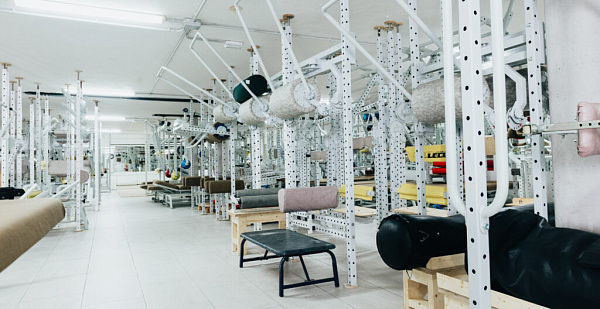
The center is located in a picturesque corner of the renowned resort town of Marbella, surrounded by cedar trees at the foot of La Concha mountain. Here, science and technology blend with nature, creating a space where the body returns to balance and harmony.
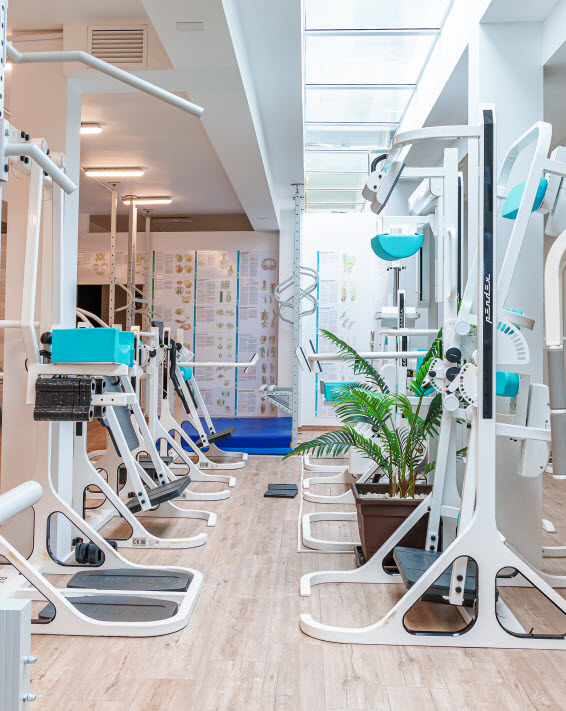
Technologies that deliver results
 Go to Youtube
  Go to Telegram